Menu Close
Close

Composite Decking Prices Philippines: Complete 2026 Cost Guide, Materials, and Buying Tips

Composite decking has become one of the fastest-growing outdoor flooring solutions in the Philippines. With its resistance to moisture, termites, and tropical weather conditions, it is increasingly replacing traditional wood decking in homes, resorts, commercial spaces, and rooftop terraces. If you are researching composite decking prices Philippines, you are likely trying to understand how much it costs, what affects pricing, and whether it is worth the investment compared to wood or PVC alternatives. This comprehensive guide explains everything you need to know, including current price ranges in the Philippines market, material types, installation costs, long-term maintenance savings, and how to choose the right product for your project.
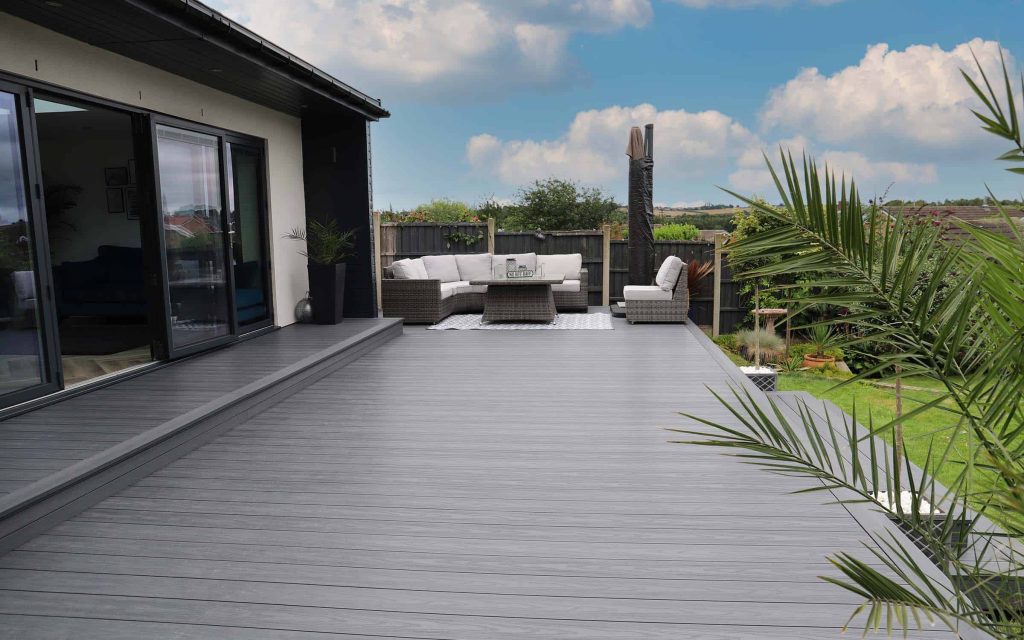
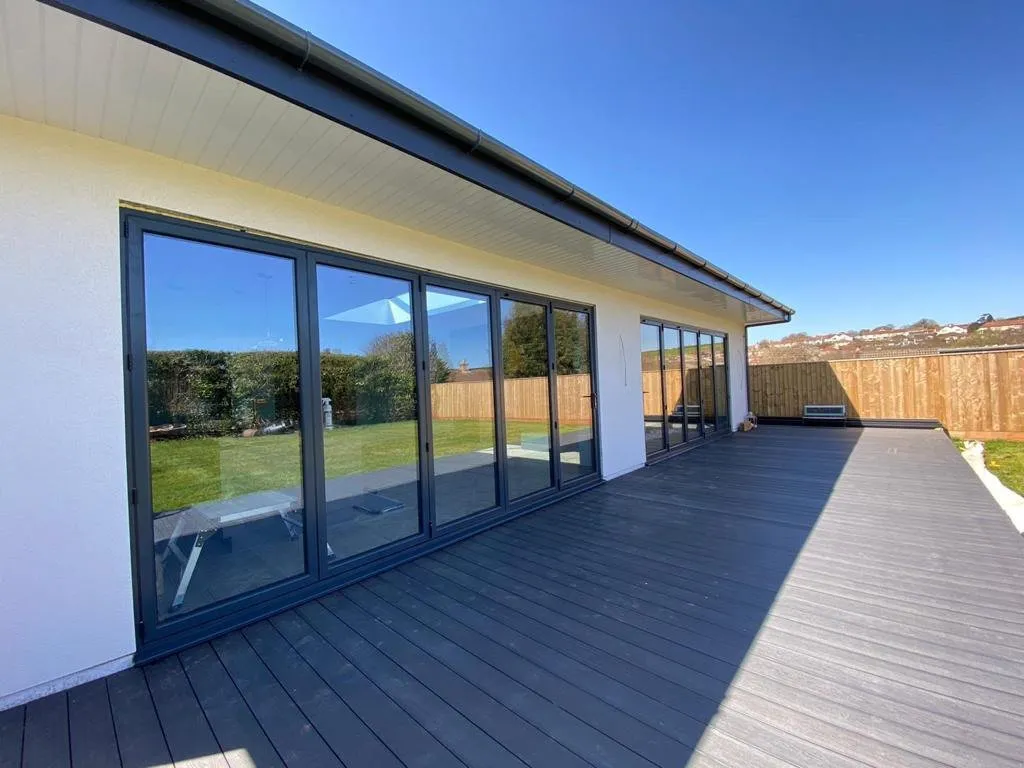
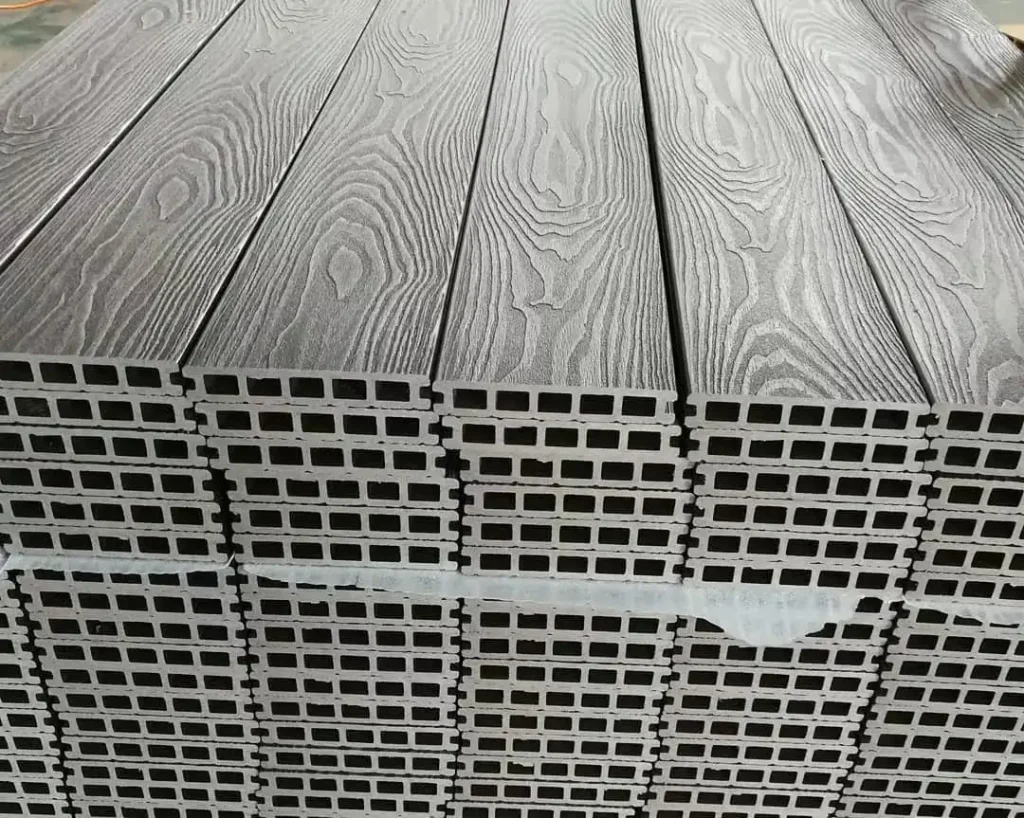
gray composite decking

Table of Contents

What is Composite Decking?

Composite decking is a man-made building material created by combining:

  • Wood fibers (usually recycled wood powder)
  • Plastic (HDPE, PVC, or polypropylene)
  • Additives such as UV stabilizers, bonding agents, and color pigments

The result is a board that looks like natural wood but performs much better in harsh environments.

In the Philippines, where humidity, rain, and termites are constant challenges, composite decking is especially popular for:

  • Outdoor patios
  • Swimming pool decks
  • Garden walkways
  • Hotel and resort boardwalks
  • Rooftop terraces
  • Balconies
composite decking suppliers in liverpool

Composite Decking Prices Philippines (2026 Market Overview)

The price of composite decking in the Philippines varies depending on material quality, brand, size, and whether it is solid or hollow-core.

1. Standard Price Range per Square Meter

On average, composite decking prices Philippines fall within:

  • ₱1,800 – ₱3,500 per square meter (basic hollow composite decking)
  • ₱3,500 – ₱6,500 per square meter (mid-range solid composite decking)
  • ₱6,500 – ₱10,000+ per square meter (premium capped composite decking)

These prices typically include only materials, not installation.

2. Price per Board (Common Sizes)

Most suppliers sell composite decking boards in standard lengths such as 2.2m, 2.9m, or 5.4m.

Typical pricing:

  • Hollow composite board (2.9m): ₱350 – ₱700 per piece
  • Solid composite board (2.9m): ₱700 – ₱1,500 per piece
  • Premium capped board (2.9m): ₱1,500 – ₱3,000 per piece
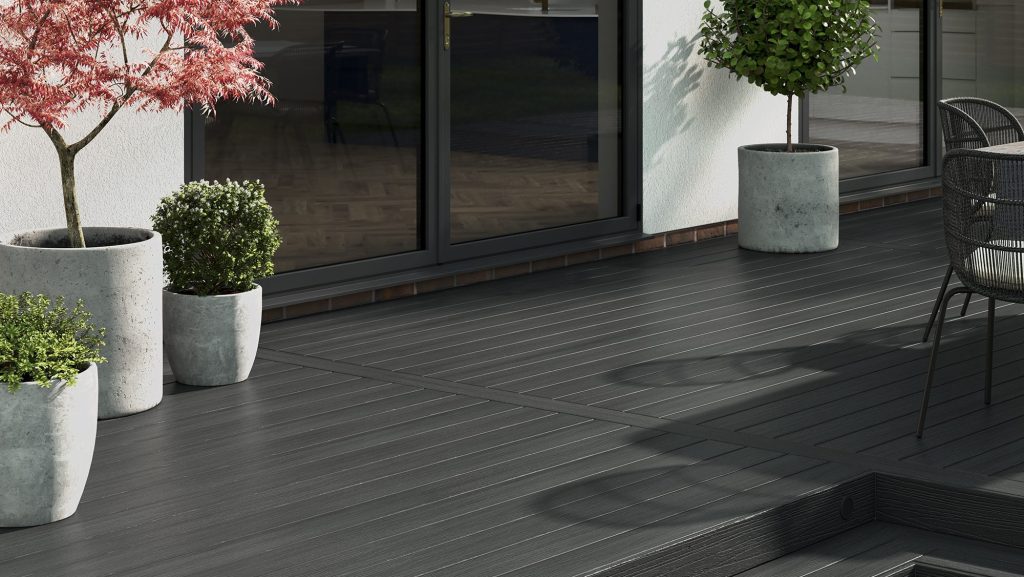
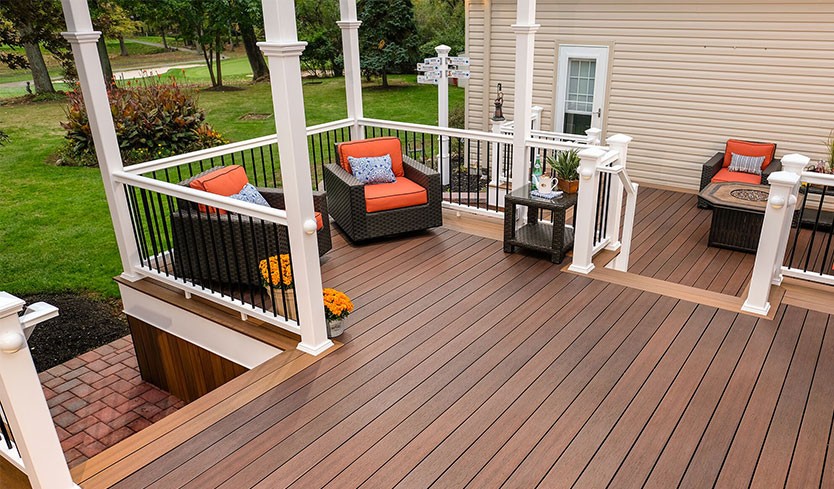
anthracite grey composite decking price

Factors Affecting Composite Decking Prices in the Philippines

Understanding price variations helps you avoid overpaying and choose the right material for your project.

1. Material Composition

Composite decking is not all the same. The ratio of wood to plastic affects both price and durability.

  • Wood-heavy composite (WPC 60/40)
    Cheaper but more prone to moisture absorption
  • Balanced composite (WPC 50/50)
    Better durability and stability
  • Plastic-heavy composite (PVC composite)
    Highest durability, higher price

Generally, the more plastic content, the higher the cost—but also the longer lifespan.

2. Capped vs Uncapped Decking

One of the biggest price differences comes from surface technology.

Uncapped Composite Decking

  • No protective outer layer
  • More affordable
  • Prone to fading and staining over time

Capped Composite Decking

  • Protective polymer shell
  • UV-resistant and stain-resistant
  • More expensive but longer lasting

In the Philippines’ tropical climate, capped decking is often recommended despite the higher cost.

3. Board Structure (Solid vs Hollow)

Hollow Boards

  • Lightweight
  • Cheaper
  • Easier to install
  • Slightly less durable under heavy loads

Solid Boards

  • Heavier and stronger
  • More expensive
  • Better for commercial or high-traffic areas

4. Brand and Country of Origin

Imported products from China, Australia, Europe, and the USA differ significantly in pricing.

  • China-made composite decking: ₱1,800 – ₱4,500/m²
  • Southeast Asia brands: ₱3,000 – ₱6,000/m²
  • European/Australian premium brands: ₱6,000 – ₱12,000/m²

Local distributors also add logistics and import taxes, which influence final retail pricing.

5. Design and Surface Finish

Different surface textures affect pricing:

  • Wood grain embossed finish (standard)
  • Deep embossing (more realistic wood feel)
  • Brushed anti-slip finish (pool areas)
  • Co-extrusion premium finish (highest cost)

The more realistic and durable the finish, the higher the price.

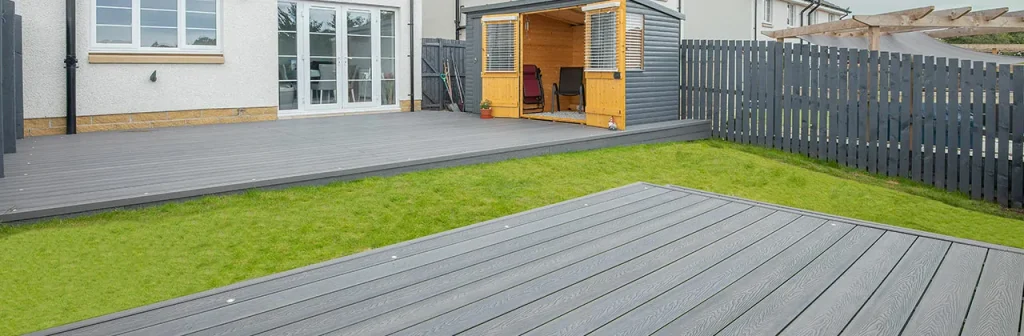
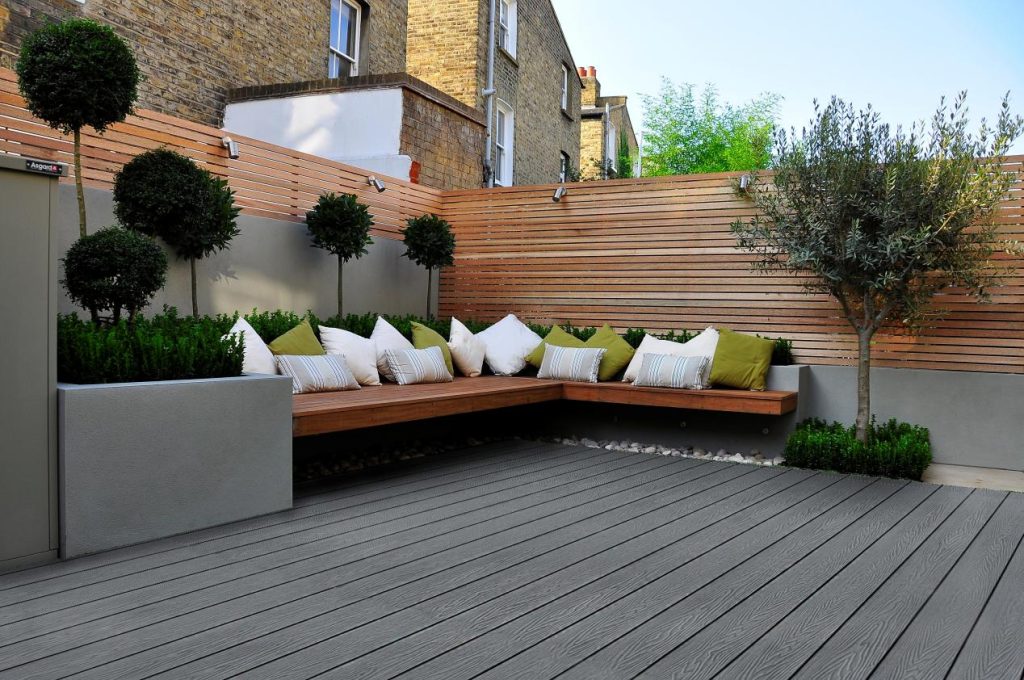
dark grey composite decking

Installation Cost of Composite Decking in the Philippines

When calculating total project cost, installation is a major factor often overlooked.

Typical Installation Costs:

  • Basic installation: ₱800 – ₱1,500 per m²
  • Complex installation (multi-level decks, curved layouts): ₱1,500 – ₱3,000 per m²

Installation includes:

  • Subframe preparation (aluminum or galvanized steel)
  • Fasteners and clips
  • Cutting and fitting boards
  • Labor charges

Substructure Cost (Important!)

A hidden cost in decking projects is the subframe:

  • Aluminum frame: ₱2,000 – ₱4,000 per m²
  • Steel frame: ₱1,500 – ₱3,500 per m²
  • Treated wood frame: ₱1,000 – ₱2,000 per m²

A strong substructure is essential in the Philippines due to typhoons and heavy rain.

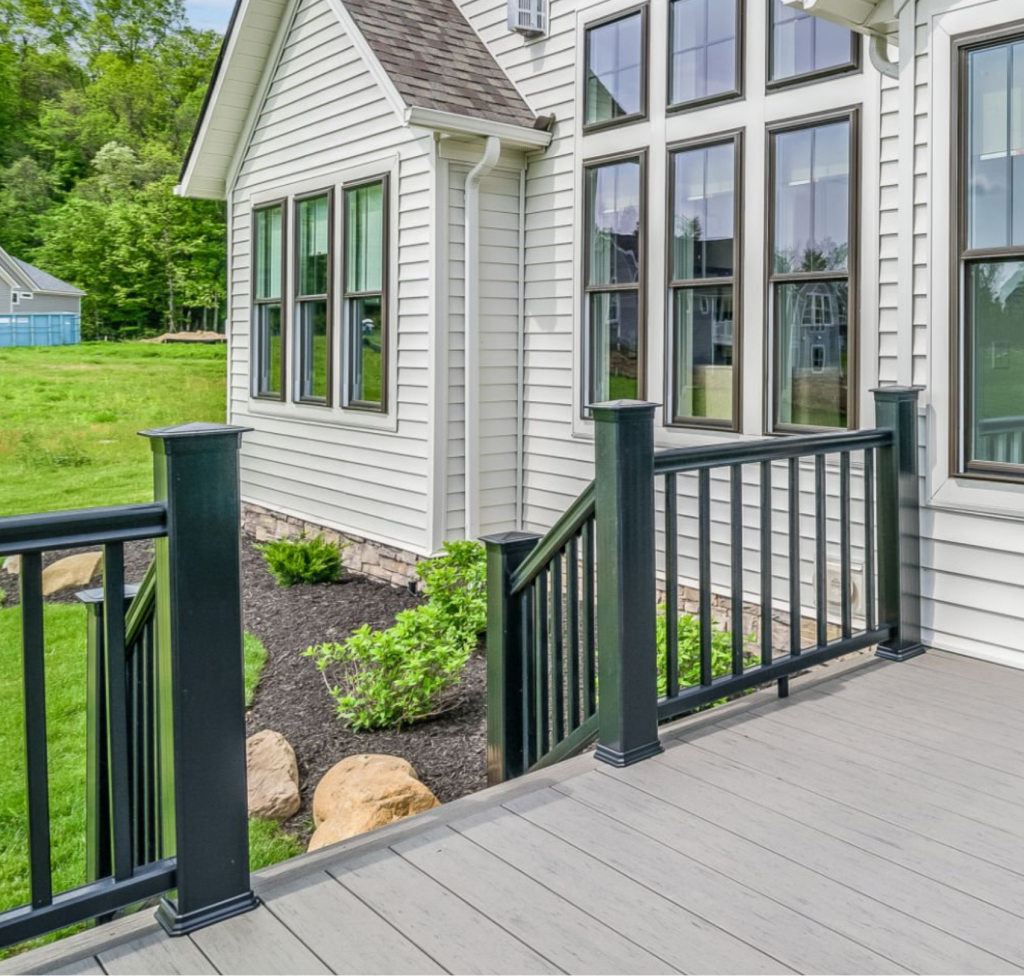
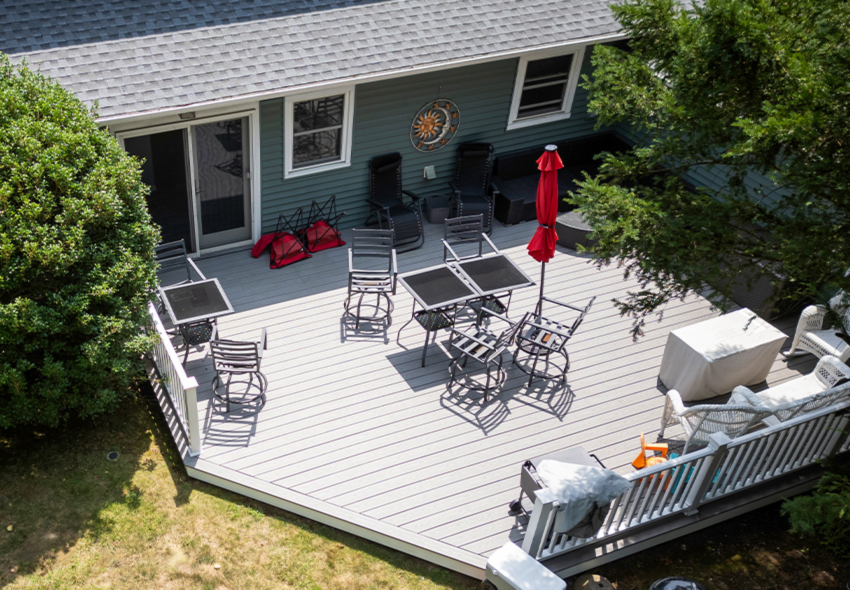
Piso Deck

Total Project Cost Estimate (Real Examples)

Here are realistic total project costs based on market averages:

Small Residential Patio (20 m²)

  • Materials: ₱60,000 – ₱120,000
  • Installation: ₱20,000 – ₱40,000
  • Total: ₱80,000 – ₱160,000

Medium Garden Deck (50 m²)

  • Materials: ₱150,000 – ₱300,000
  • Installation: ₱50,000 – ₱120,000
  • Total: ₱200,000 – ₱420,000

Large Resort Deck (100 m²+)

  • Materials: ₱300,000 – ₱800,000+
  • Installation: ₱100,000 – ₱250,000
  • Total: ₱400,000 – ₱1,000,000+
prices for composite decking best composite decking canada

Composite Decking vs Wood Decking in the Philippines

Many buyers compare composite decking with traditional hardwood like mahogany, teak, or narra.

1. Initial Cost

  • Wood decking: ₱1,200 – ₱4,000 per m²
  • Composite decking: ₱1,800 – ₱6,500 per m²

Wood is cheaper initially in some cases.

2. Maintenance Cost

Wood requires:

  • Regular sealing
  • Repainting or oiling
  • Termite treatment

Composite requires:

  • Occasional washing only

Over 10 years, composite decking becomes significantly cheaper.

3. Durability

  • Wood lifespan: 5–10 years (without heavy maintenance)
  • Composite lifespan: 15–25+ years

4. Weather Resistance

The Philippines climate includes:

  • Heavy rainfall
  • High humidity
  • Strong UV exposure
  • Typhoon seasons

Composite decking performs significantly better under these conditions.

Advantages of Composite Decking in the Philippines

1. Termite Resistance

No organic wood content means termites cannot damage it.

2. Waterproof and Moisture Resistant

Ideal for tropical climate and poolside areas.

3. Low Maintenance

No sanding, painting, or sealing required.

4. Slip Resistance

Many products include anti-slip textures for safety.

5. Eco-Friendly Option

Made from recycled wood and plastic materials.

Disadvantages to Consider

While composite decking is excellent, it has some drawbacks:

  • Higher upfront cost compared to basic wood
  • Can heat up under direct sunlight
  • Quality varies greatly between suppliers
  • Poor-quality products may fade or warp

How to Choose the Right Composite Decking in the Philippines

1. Check Material Ratio

Choose balanced or plastic-enhanced composites for durability.

2. Prefer Capped Boards

Better UV and stain resistance for tropical environments.

3. Evaluate Load Requirements

Use solid boards for commercial or heavy-use areas.

4. Compare Warranty

Good suppliers offer 10–25 year warranties.

5. Check Installation System

Hidden clip systems are preferred for clean finishes.

Where Composite Decking Is Most Used in the Philippines

  • Beach resorts in Palawan and Boracay
  • Residential villas in Cebu and Manila suburbs
  • Commercial rooftop bars and lounges
  • Swimming pool decks in private homes
  • Outdoor cafés and restaurants
composite decking prices in australia

Final Thoughts

Understanding composite decking prices Philippines is essential before planning any outdoor construction project. While initial costs are higher than traditional wood, the long-term benefits—low maintenance, durability, weather resistance, and aesthetic consistency—make composite decking a smart investment in the Philippine climate.

Whether you are building a small backyard deck or a large commercial boardwalk, choosing the right material grade from Hosung, installation system, and supplier will significantly impact both performance and total cost.

If you want a long-lasting, modern, and low-maintenance outdoor flooring solution, composite decking is one of the best options available in the Philippine market today.

Scroll to Top