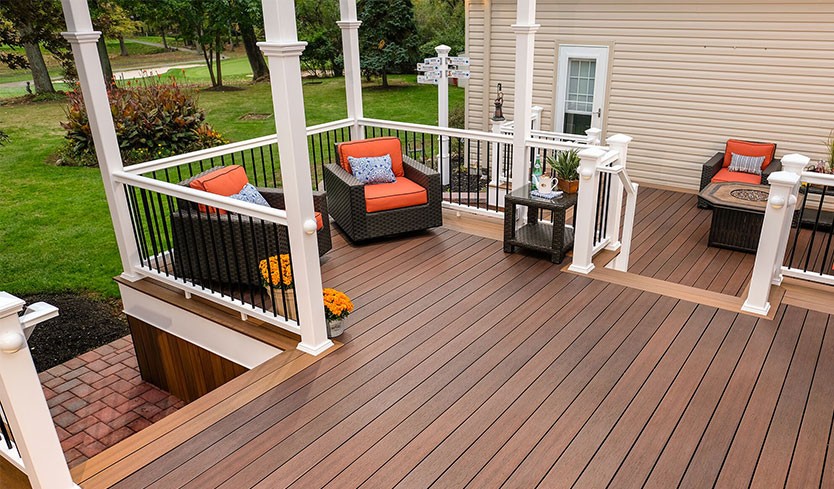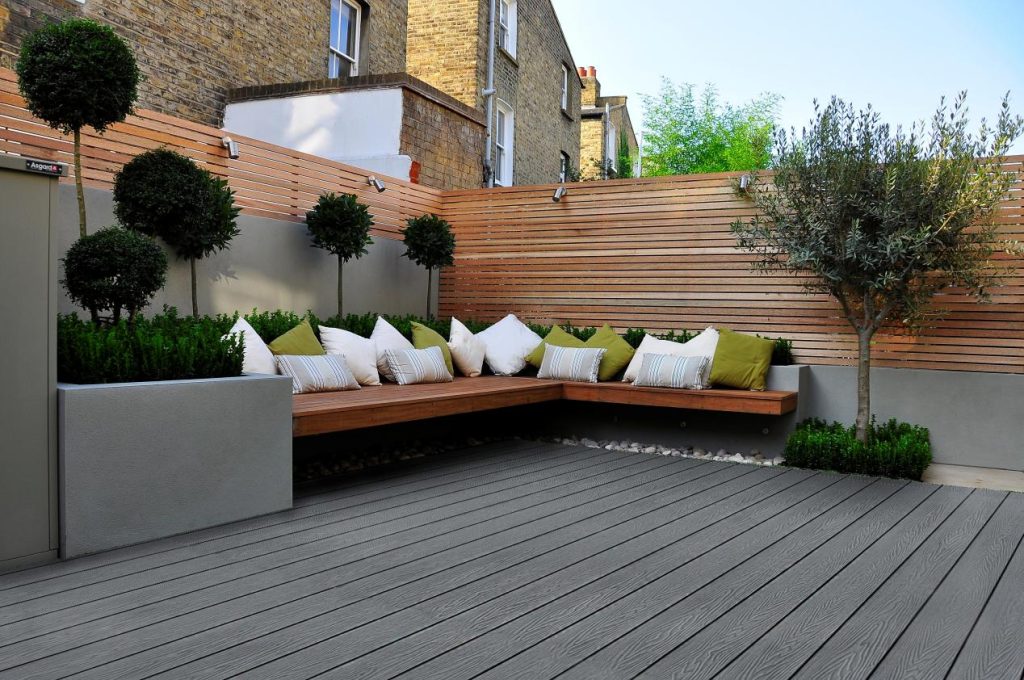
Composite decking has become one of the fastest-growing trends in outdoor construction and landscaping projects worldwide. Homeowners, architects, contractors, and landscapers increasingly favor composite decking over traditional wood due to its durability, low maintenance, environmental friendliness, and long-term aesthetic appeal. China, as a global manufacturing hub, has emerged as a major source of composite decking solutions, offering a wide range of products suitable for commercial and residential projects. This article explores the landscape of composite decking trade suppliers in China, providing insights into sourcing, product variations, quality standards, and industry trends.
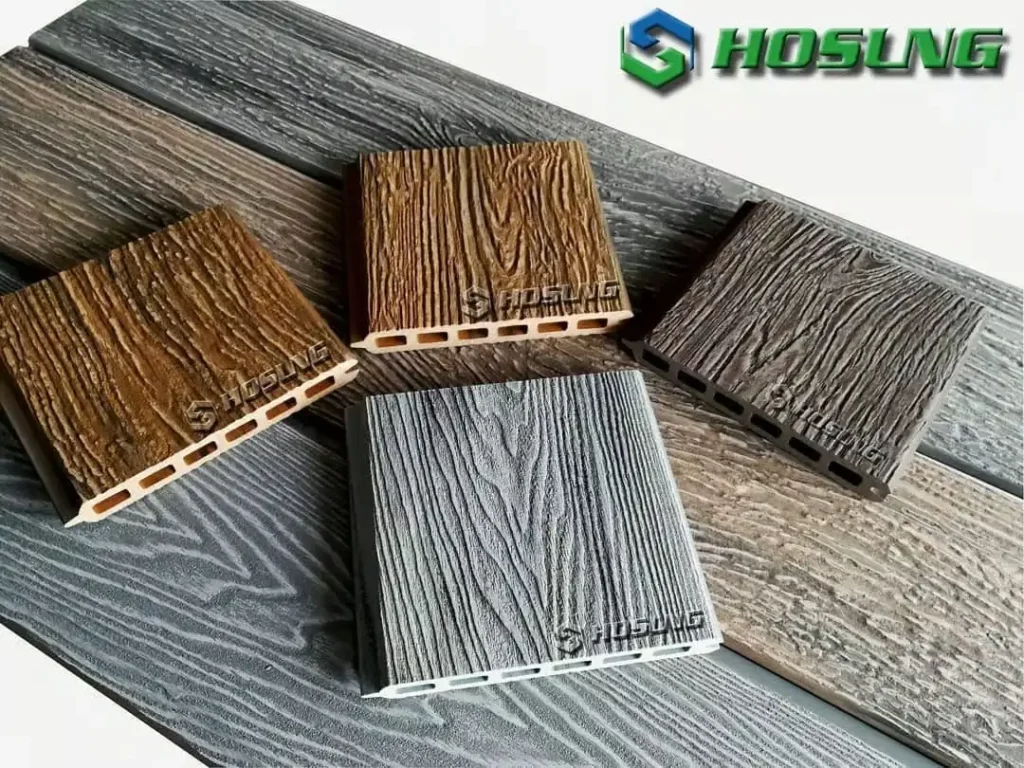
Table of Contents
Understanding Composite Decking
Before diving into suppliers, it is essential to understand what composite decking is and why it has gained global popularity. Composite decking refers to decking boards made from a mixture of wood fibers and plastic materials, often enhanced with additives to improve UV resistance, moisture resistance, and structural integrity. Unlike traditional timber decks, composite decks do not warp, splinter, or require frequent staining and sealing, making them ideal for outdoor environments.
Key Features of Composite Decking
- Durability: Resistant to weather, decay, and insects.
- Low Maintenance: Requires minimal cleaning and does not need painting or sealing.
- Eco-Friendly: Often made from recycled materials, contributing to sustainability goals.
- Aesthetic Variety: Available in a wide range of colors, textures, and finishes.
- Cost-Effective Long-Term: Although initial costs may be higher than wood, longevity reduces replacement expenses.
Why China is a Hub for Composite Decking Suppliers
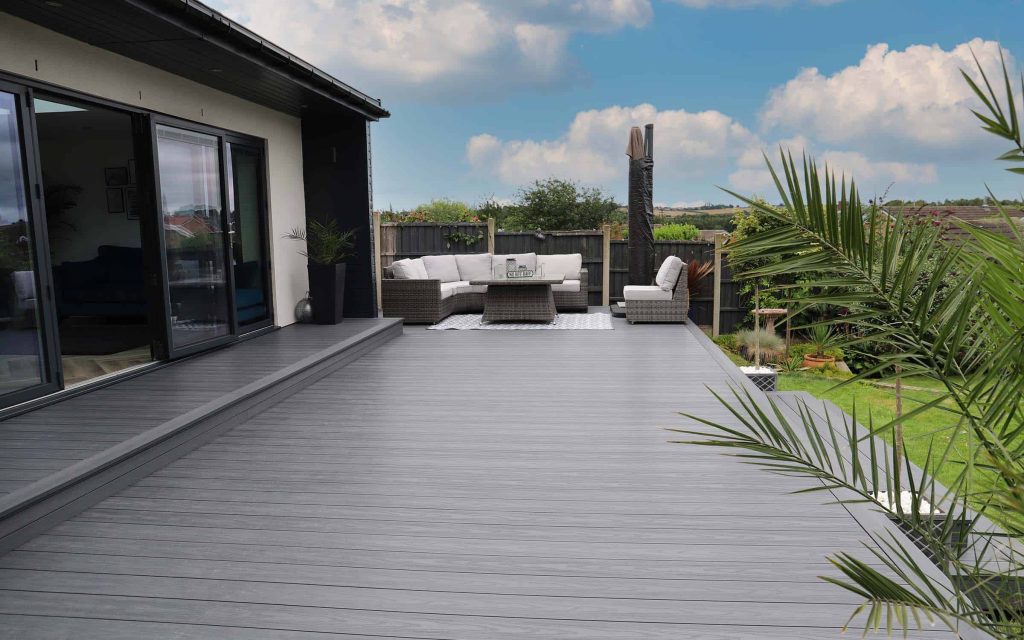
China’s dominance in the manufacturing sector makes it a natural source for composite decking trade suppliers. Several factors contribute to this position:
1. Large-Scale Manufacturing
China is home to thousands of composite decking factories capable of mass-producing high-quality boards at competitive prices. This allows international buyers to source bulk orders efficiently, ensuring a steady supply for large-scale projects.
2. Advanced Technology
Many Chinese suppliers utilize advanced extrusion technology, co-extrusion techniques, and proprietary formulas for color and UV resistance. These innovations enhance the lifespan and appearance of decking boards, making them competitive with products from Europe or North America.
3. Export Experience
Chinese composite decking manufacturers are experienced in exporting goods worldwide. They understand international standards, including ISO certifications, CE marking for Europe, and ASTM testing requirements for North America, which simplifies the import process for overseas buyers.
4. Customization Capabilities
China’s manufacturers offer a high degree of customization in length, width, thickness, surface texture, color, and finish. Buyers can create tailored solutions for commercial or residential projects, meeting specific design or regulatory requirements.
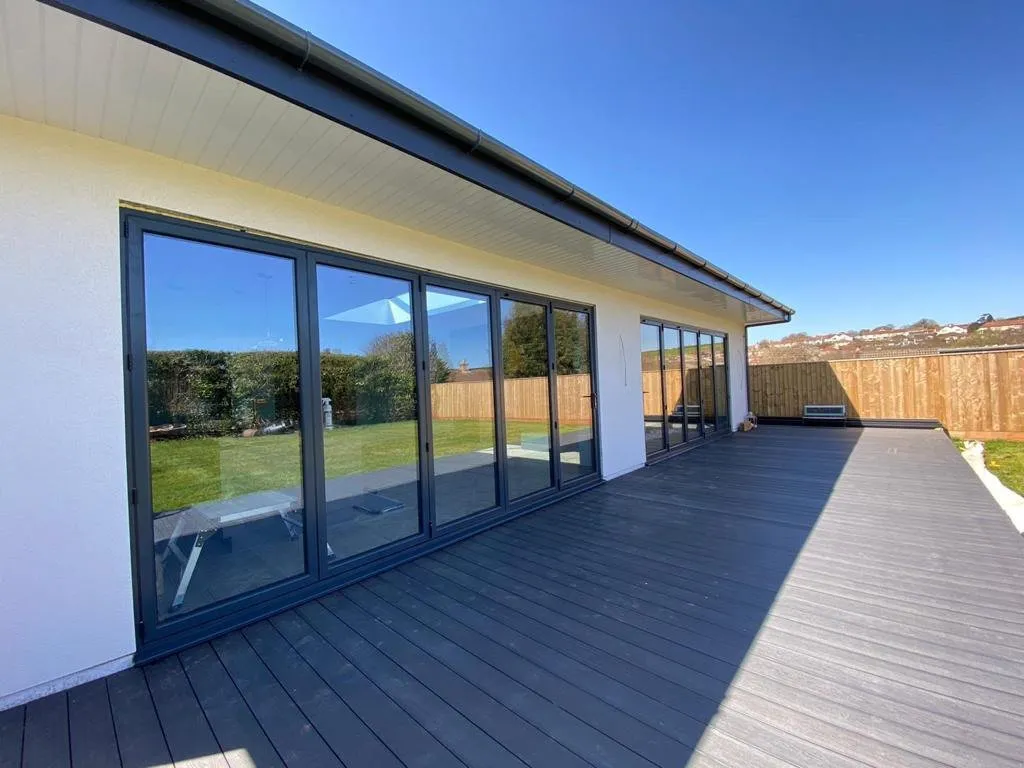
Types of Composite Decking Products Offered by Chinese Suppliers
When sourcing from Chinese suppliers, it is essential to understand the different types of composite decking available. This ensures that buyers select the right product for their market and application.
1. Wood-Plastic Composite (WPC) Decking
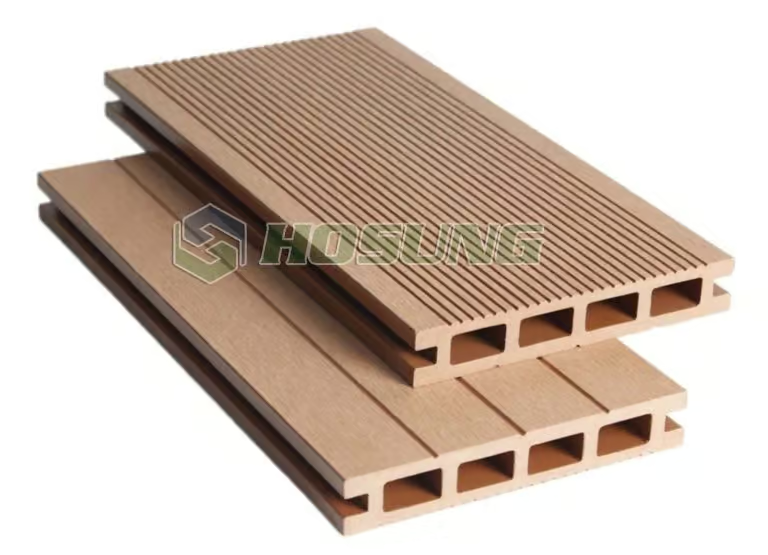
WPC is the most common type of composite decking. It combines wood fibers or sawdust with high-density polyethylene (HDPE) or polyvinyl chloride (PVC). WPC decking provides a natural wood look while offering enhanced durability.
- Applications: Residential patios, garden decks, poolside areas.
- Benefits: Cost-effective, easy to install, and resistant to rot and insects.
2. PVC Composite Decking
PVC decking boards are made entirely from plastic materials without wood fibers. This results in high resistance to water, mold, and mildew, making it ideal for areas with high humidity or frequent rainfall.
- Applications: Waterfront properties, commercial outdoor spaces.
- Benefits: 100% waterproof, low maintenance, long-lasting color retention.
3. Co-Extruded Composite Decking
Co-extrusion involves creating a composite core and applying a protective polymer shell. This technique significantly improves resistance to fading, scratching, and staining while retaining the natural wood appearance.
- Applications: High-traffic commercial areas, resort decks.
- Benefits: Long-lasting, scratch-resistant, color-stable.
4. Enhanced Wood Fiber Decking
Some Chinese suppliers offer decking boards with enhanced wood fiber content for a more authentic wood feel. These boards are typically blended with polymers and UV stabilizers to maintain durability.
- Applications: Residential and luxury outdoor projects.
- Benefits: Natural texture, environmentally friendly, strong structural integrity.
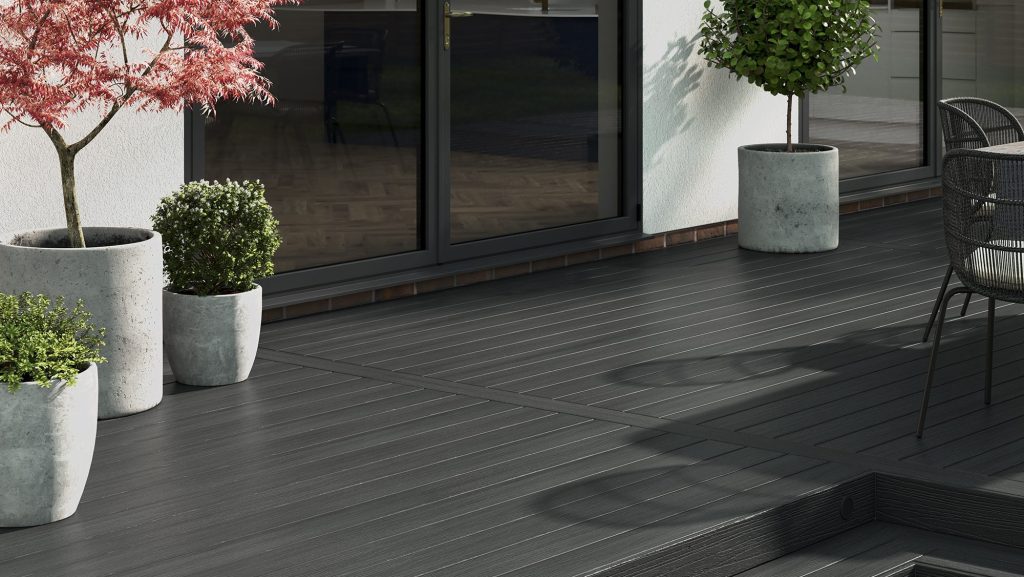
Key Considerations When Sourcing from Composite Decking Trade Suppliers in China
While China offers many advantages, selecting the right supplier requires careful consideration. The following factors can help buyers make informed decisions:
1. Product Quality and Certifications
Ensure that the supplier’s products meet international quality standards. Common certifications include:
- ISO 9001: Quality Management System
- CE Mark: Compliance with European safety standards
- FSC or PEFC Certification: Sustainable sourcing for wood fibers
- ASTM D7032: Standard for structural composite decking boards
2. Manufacturing Capacity
Evaluate whether the supplier can handle your order volume. Large projects require manufacturers with sufficient production capacity to meet deadlines and maintain consistent quality.
3. Customization and Design Support
Suppliers offering design and customization services add value to your sourcing strategy. This includes options for:
- Board dimensions and thickness
- Surface finishes (grooved, smooth, embossed)
- Color choices and UV-stable coatings
- Specialized formulations for specific climates
4. Shipping and Logistics
China’s proximity to major shipping ports like Shanghai, Ningbo, and Shenzhen facilitates global logistics. Confirm the supplier’s export experience, container loading capacity, and familiarity with customs documentation to ensure smooth delivery.
5. Price and Payment Terms
While Chinese suppliers are generally cost-competitive, buyers should consider price in relation to quality, customization, and after-sales support. Common payment terms include:
- T/T (Telegraphic Transfer)
- L/C (Letter of Credit)
- FOB (Free On Board) and CIF (Cost, Insurance, and Freight) options
6. After-Sales Service
Reliable suppliers provide technical guidance, installation manuals, and support for defect handling. This can reduce project delays and improve client satisfaction.
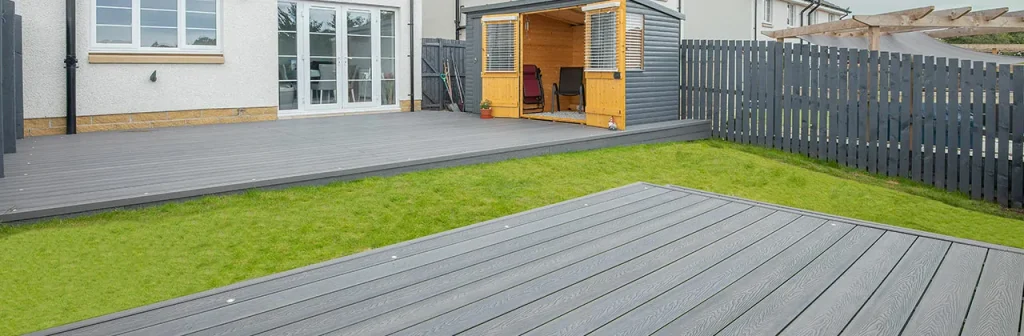
Top Regions for Composite Decking Manufacturing in China
Certain provinces in China have developed strong reputations for composite decking production:
1. Jiangsu Province
Known for advanced WPC and PVC extrusion technologies, Jiangsu hosts numerous factories that export globally. Cities like Suzhou and Wuxi are recognized for high-quality production and competitive pricing.
2. Zhejiang Province
Zhejiang, particularly the area around Ningbo and Taizhou, is a hub for decorative and functional outdoor products. Many suppliers in this region offer extensive customization services.
3. Guangdong Province
Guangdong’s manufacturing ecosystem supports large-scale orders and diverse product lines. Its proximity to Shenzhen and Guangzhou ports ensures rapid logistics for international shipping.
4. Shandong Province
Shandong suppliers specialize in durable decking boards for commercial applications, including resorts, public parks, and waterfront projects. The province has invested heavily in quality control and export compliance.
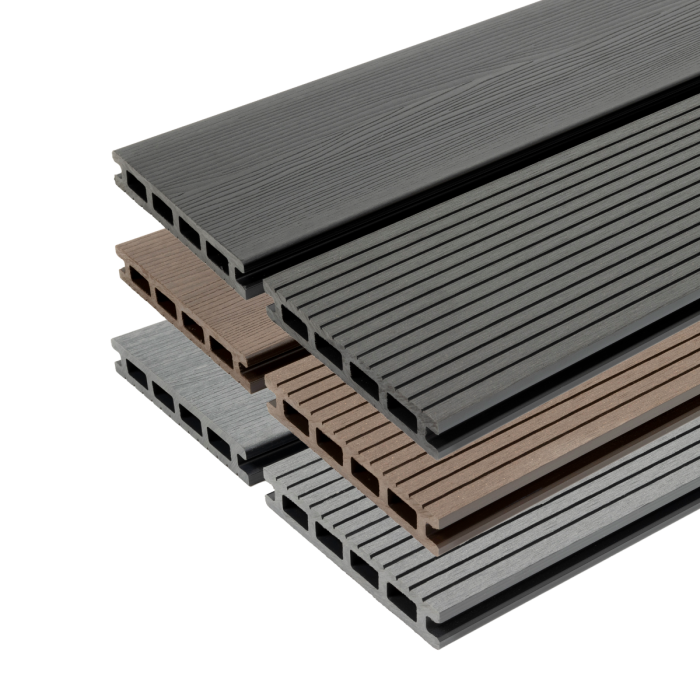
Trends in Composite Decking Export from China
The Chinese composite decking industry continuously adapts to global market trends. Key trends include:
1. Eco-Friendly Materials
Increasing demand for sustainable construction has driven suppliers to offer decking boards made from recycled plastics and wood fibers. Some boards also use biodegradable additives and low-VOC coatings.
2. Anti-Slip and Safety Features
Manufacturers now focus on slip-resistant textures and coatings, particularly for poolside, marina, and commercial applications.
3. Enhanced Aesthetics
Modern consumers seek decks that replicate the natural beauty of wood. Chinese suppliers offer embossed grains, multi-color boards, and realistic knots to meet this demand.
4. Smart Decking Solutions
Some advanced suppliers incorporate antimicrobial surfaces, temperature-resistant coatings, and even modular interlocking systems to improve installation efficiency and long-term usability.
How to Evaluate a Composite Decking Supplier in China
Selecting a reliable supplier involves research, verification, and sometimes site visits. Here’s a practical step-by-step approach:
- Initial Screening: Use B2B platforms, trade shows, and referrals to shortlist potential suppliers.
- Request Samples: Evaluate quality, color, texture, and durability of decking boards.
- Check Certifications: Confirm ISO, CE, ASTM, and environmental certifications.
- Assess Production Capacity: Ensure they can meet bulk orders and delivery schedules.
- Negotiate Terms: Clarify pricing, lead times, shipping, and after-sales support.
- Trial Orders: Start with a small batch to verify quality consistency before scaling.
Popular Applications of Chinese Composite Decking
Composite decking from China is suitable for a variety of projects:
- Residential patios, gardens, and balconies
- Pool decks and waterfront promenades
- Resort and hotel outdoor areas
- Public parks and recreational facilities
- Commercial terraces and rooftop decks
The versatility of composite decking allows architects and contractors to design attractive, functional outdoor spaces with reduced maintenance concerns.
Common Challenges When Importing from China
While the advantages are substantial, buyers should be aware of potential challenges:
1. Quality Inconsistencies
Some suppliers may compromise quality for cost. Thorough due diligence and sample verification can mitigate this risk.
2. Shipping Delays
Global logistics fluctuations, port congestion, and customs inspections can affect delivery times. Planning ahead and maintaining communication with the supplier is essential.
3. Regulatory Compliance
Ensure that imported decking boards comply with local building codes, fire resistance standards, and environmental regulations in your market.
4. Communication Barriers
Language and cultural differences can lead to misunderstandings during negotiation or production. Clear specifications, visual references, and detailed contracts help avoid disputes.
Final Thoughts
China has solidified its position as a leading source of composite decking trade suppliers due to its large-scale manufacturing, technological innovation, export experience, and customization capabilities. By understanding product types, quality standards, and supplier evaluation techniques, buyers can efficiently source high-quality decking for a wide range of applications—from residential patios to large commercial and resort projects.
Establishing strong trade partnerships with Chinese manufacturers not only ensures consistent supply but also offers cost advantages and access to innovative decking solutions. With proper research, due diligence, and communication, buyers can leverage China’s manufacturing ecosystem to meet their project goals and expand their business opportunities globally.