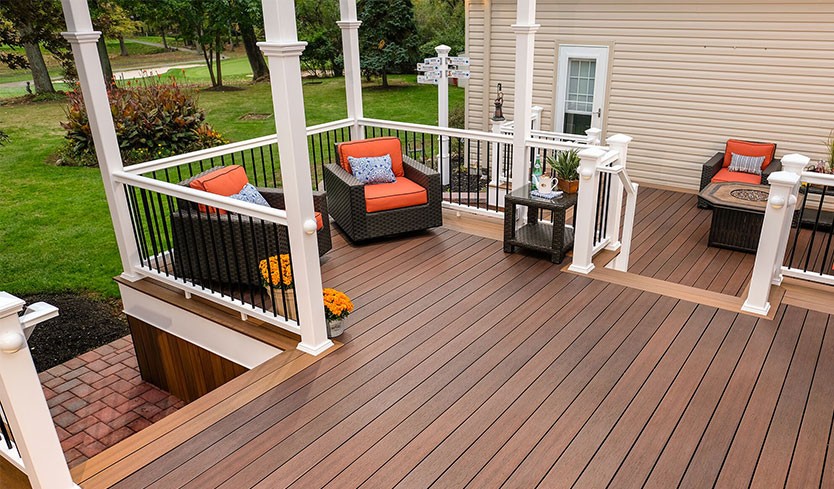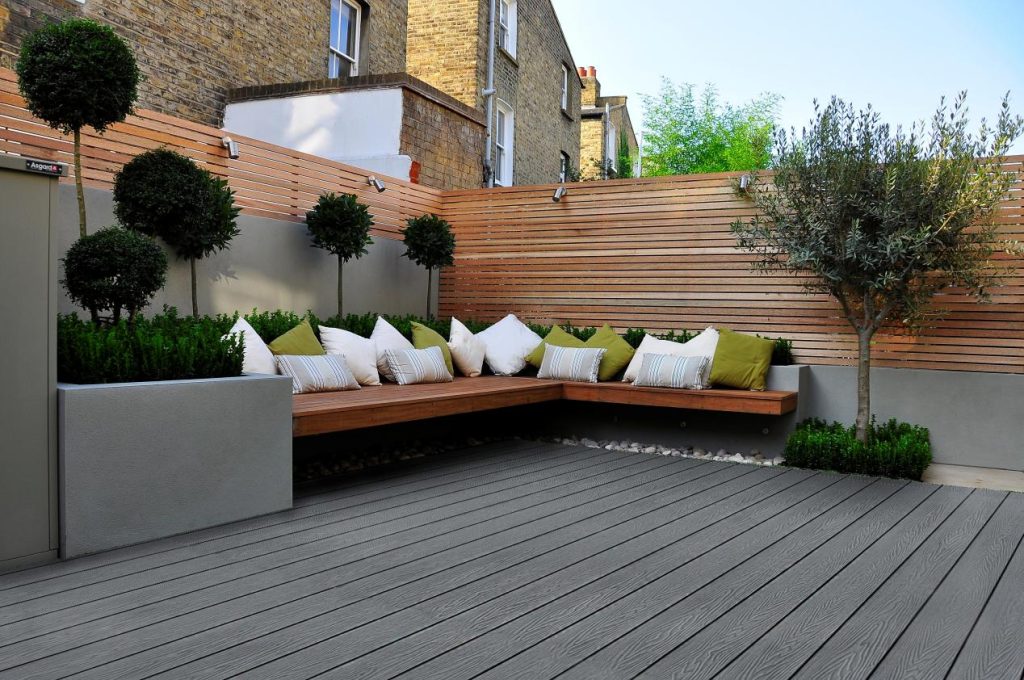
In modern home improvement and landscaping, fences are not just functional—they define the aesthetics, security, and value of your property. Among the wide array of fencing options available, composite picket fencing products have gained immense popularity due to their combination of durability, low maintenance, and natural appearance. From residential gardens to commercial properties, these fences provide the elegance of traditional wood without many of the challenges associated with timber.
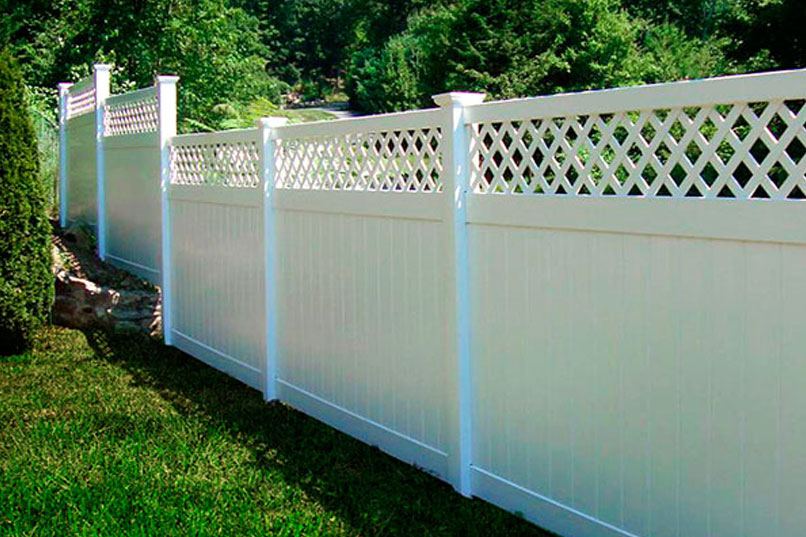
Table of Contents
This comprehensive guide explores everything you need to know about composite picket fencing products, including their composition, types, installation methods, price comparisons, maintenance, and practical applications. We also discuss composite fence pickets and composite picket fence panels to give a detailed view of the market offerings. By the end of this article, homeowners, landscapers, and contractors will understand why composite picket fencing is a sustainable, cost-effective, and visually appealing solution for modern fencing needs.
What Are Composite Picket Fencing Products?
Composite picket fencing products are fencing solutions made from a combination of wood fibers or wood flour and recycled plastics such as polyethylene (PE) or polyvinyl chloride (PVC). This combination results in a material that mimics the look of natural wood while offering superior durability and resistance to environmental factors.
Key Characteristics
Wood-like Aesthetic: The incorporation of wood fibers gives composite fences a natural look and texture.
Durability: Resistant to rot, warping, splintering, and insect damage.
Low Maintenance: Unlike traditional wood, no painting, staining, or sealing is required.
Water and Weather Resistance: Composite materials can withstand rain, snow, and UV exposure without deteriorating.
Eco-Friendly: Many products use recycled wood and plastic, promoting sustainable construction.
Common Terms
Composite fence pickets: Individual vertical boards used in constructing a fence.
Composite picket fence panels: Pre-assembled sections of fencing that include multiple pickets and rails, ready for installation.
These products offer flexibility for both DIY homeowners and professional installers, enabling easy customization for property boundaries, garden decoration, and security.
Advantages of Composite Picket Fencing Products
The popularity of composite picket fencing is largely due to its multiple advantages over traditional materials such as timber, PVC, or metal.
2.1 Durability
Composite fences are engineered to resist environmental challenges:
Moisture and Rot Resistance: Unlike timber, composite fencing does not absorb water, preventing swelling, cracking, or rotting.
Insect Resistance: Termites and other wood-boring insects cannot damage composite materials.
Weatherproof: UV-resistant coatings prevent fading, while snow and ice do not affect structural integrity.
2.2 Low Maintenance
No sanding, painting, or staining is required.
Occasional cleaning with soap and water keeps fences looking new.
Eliminates the time and expense of long-term maintenance associated with wood.
2.3 Aesthetic Appeal
Wood grain finishes create a realistic natural appearance.
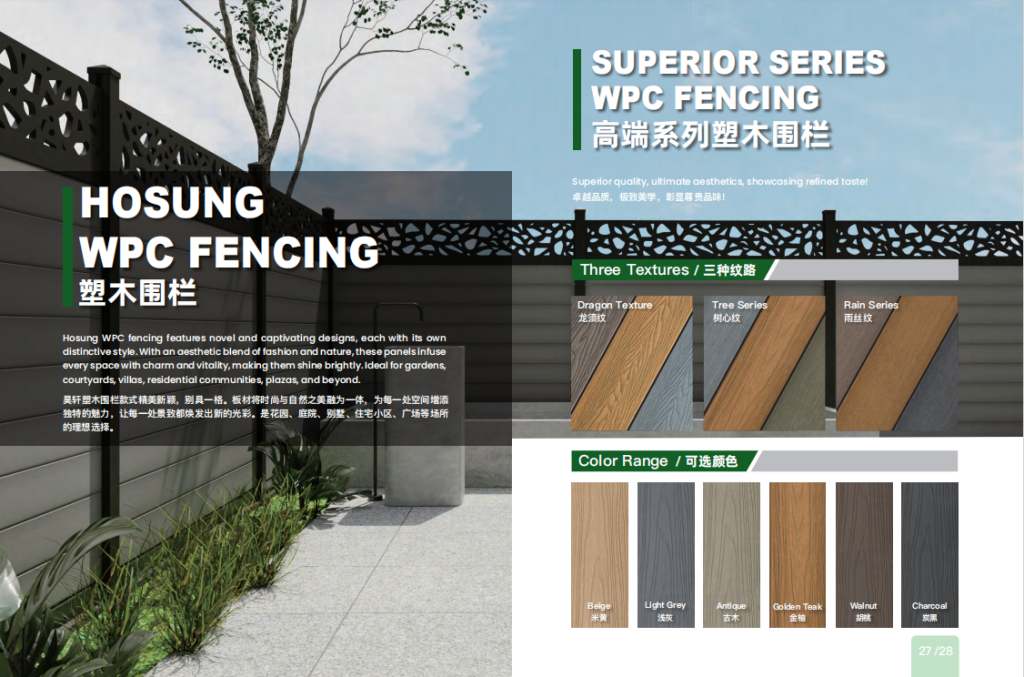
Available in a variety of colors, textures, and styles.
Can complement modern or traditional architecture seamlessly.
2.4 Eco-Friendly
Many products are made from recycled wood and plastics.
Reduces pressure on natural timber resources.
Fully recyclable at the end of their lifespan.
2.5 Longevity
Lifespan of 15–25 years or more under normal conditions.
Superior to untreated or even pressure-treated wood in terms of durability and appearance retention.
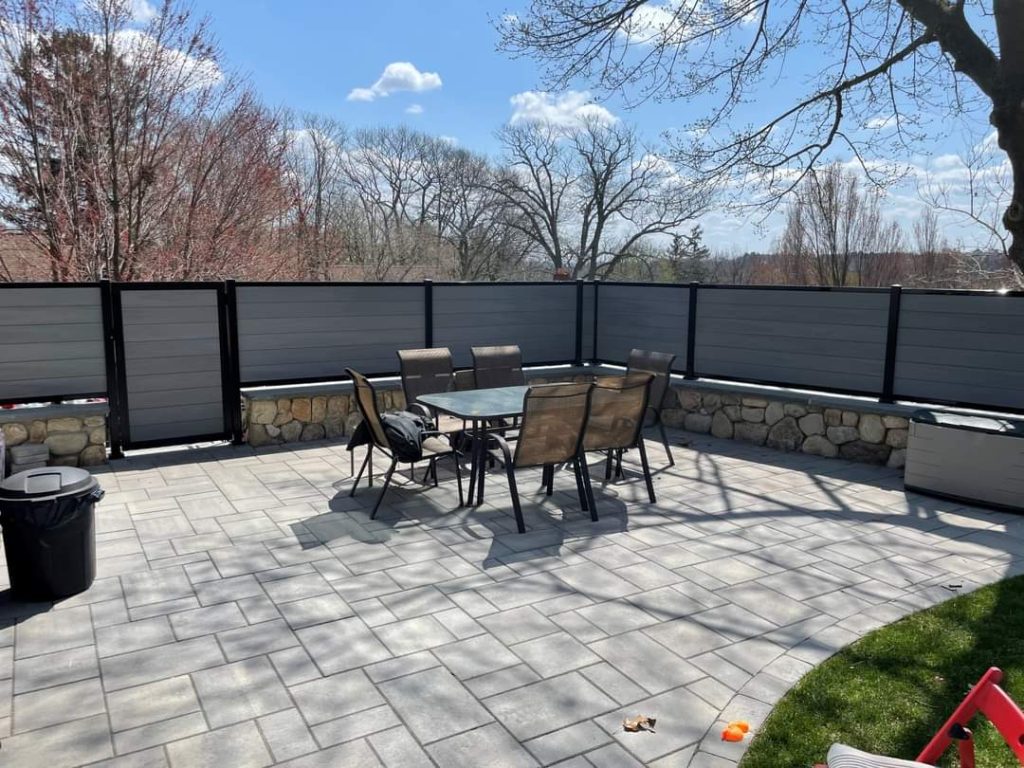
Types of Composite Picket Fencing Products
Composite picket fencing comes in various formats to suit different applications and budgets.
3.1 Composite Fence Pickets
Individual boards that are vertically oriented.
Can be installed on-site with rails and posts.
Allows flexibility in spacing and customization.
Pros: Customizable spacing, easy replacement.
Cons: Installation may require more time compared to pre-assembled panels.
3.2 Composite Picket Fence Panels
Pre-assembled panels consisting of pickets and horizontal rails.
Available in standard widths (6ft, 8ft) and heights (3ft, 4ft, 5ft).
Ideal for DIY installation; reduces labor costs.
Pros: Faster installation, uniform appearance.
Cons: Less flexible in size adjustments.
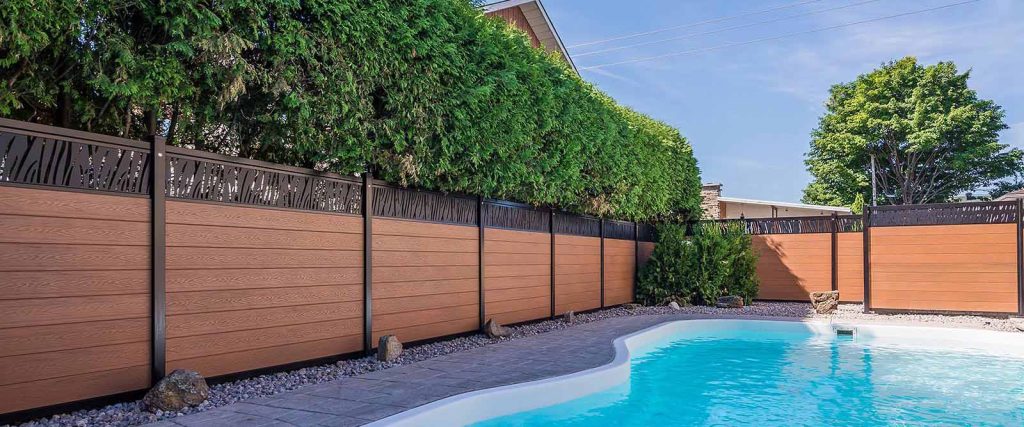
3.3 Decorative and Privacy Panels
Some panels include lattice or decorative cutouts for enhanced aesthetics.
Taller panels offer more privacy while retaining the picket style.
Materials Used in Composite Fencing
Composite fencing is typically composed of:
| Component | Description |
|---|---|
| Wood Fibers/Wood Flour | Provides natural appearance and texture. |
| Plastic (PE/PVC/PP) | Provides durability, moisture resistance, and flexibility. |
| UV Stabilizers | Protects color and surface from fading due to sunlight. |
| Binders/Adhesives | Ensures uniformity and structural integrity. |
The ratio of wood to plastic may vary (commonly 50:50 to 60:40), affecting weight, feel, and cost. Higher wood content increases natural aesthetics but slightly reduces moisture resistance, while higher plastic content enhances longevity.
Price Comparison: Composite vs Traditional Materials
Pricing is a crucial factor in choosing fencing products. Understanding the cost structure helps homeowners and contractors make informed decisions.
5.1 Composite Fence Pickets Price
Basic pickets: $3–$7 per linear foot.
Premium pickets with wood-grain finish: $6–$12 per linear foot.
5.2 Composite Picket Fence Panels Price
Standard 6ft x 4ft panel: $60–$120 per panel.
Premium panels with decorative features: $100–$200 per panel.
5.3 Traditional Wood Fencing
Pressure-treated wood: $2–$5 per linear foot (pickets).
Cedar or redwood panels: $50–$150 per panel.
Price Insights
While composite fencing may have a higher upfront cost, the long-term savings due to low maintenance and durability often justify the investment. Over 10–20 years, composite fencing can be more cost-effective than wood, which requires regular staining, painting, or replacement.
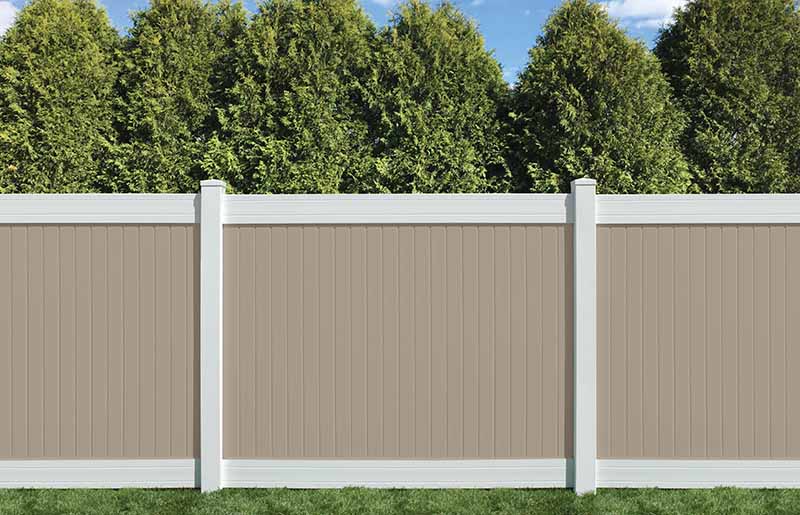
Installation of Composite Picket Fencing
Proper installation ensures the longevity and aesthetics of composite fencing.
6.1 Tools and Equipment
Post hole digger or auger
Drill and screws suitable for composite materials
Level and measuring tape
Saw for trimming panels/pickets
6.2 Steps for Installing Pickets
Mark and measure fence line.
Dig post holes and set posts in concrete.
Attach horizontal rails to posts.
Secure pickets to rails with screws or clips.
Check alignment and level frequently.
6.3 Steps for Installing Panels
Prepare posts at standard spacing (typically 6–8 ft).
Position pre-assembled panels between posts.
Fasten panels to posts using composite-compatible screws.
Install caps or decorative elements if required.
Tip: Panels reduce installation time by 50–70% compared to individual pickets.
Maintenance of Composite Fencing
Composite fencing requires minimal maintenance but following these practices ensures maximum lifespan:
Cleaning: Wash with mild soap and water periodically.
Inspecting: Check for loose screws or clips.
Removing Debris: Keep leaves, dirt, and moisture away from base to prevent staining.
Avoid Harsh Chemicals: Use only recommended cleaners to protect finish.
Unlike wood, no painting, staining, or sealing is required, saving both time and money over the fence’s life.
Applications of Composite Picket Fencing Products
8.1 Residential Gardens
Defines property boundaries elegantly.
Enhances curb appeal with wood-like aesthetics.
Provides safe enclosure for children and pets.
8.2 Commercial Properties
Composite fencing is suitable for parks, schools, and offices.
Offers durability and low maintenance for high-traffic areas.
8.3 Poolside Fencing
Resistant to moisture and UV, ideal for pool enclosures.
Provides safety while maintaining visual appeal.
8.4 Decorative Landscaping
Lattice panels and decorative pickets enhance garden aesthetics.
Can be combined with planters or trellises.
8.5 Security Fencing
Taller panels offer added security.
Composite materials resist tampering and damage.
Environmental Considerations
Composite fencing often uses recycled plastics and wood fibers, reducing landfill waste.
Energy-efficient production processes reduce carbon footprint.
Long lifespan reduces resource consumption compared to frequently replaced timber fencing.
Choosing composite fencing aligns with sustainable building practices while providing functional benefits.
Comparison Table: Composite vs Wood vs PVC
| Feature | Composite Picket Fencing | Wood Fencing | PVC Fencing |
|---|---|---|---|
| Appearance | Wood-like, natural | Natural wood | Smooth or printed |
| Maintenance | Low | High (staining/painting) | Low |
| Durability | 15–25 years | 5–15 years | 10–20 years |
| Moisture Resistance | Excellent | Moderate | Excellent |
| Insect Resistance | High | Low | High |
| Upfront Cost | Moderate-High | Low-Moderate | Low-Moderate |
| Eco-Friendliness | High | Moderate | Low-Moderate |
Buying Tips
Check material composition: Higher wood fiber content improves aesthetics; higher plastic content improves durability.
Compare prices per panel/picket: Consider labor costs when choosing between pickets and panels.
Verify warranty: Reputable brands offer 10–25 years.
Consider climate conditions: UV-protected panels for sunny areas, moisture-resistant panels for wet regions.
Look for local suppliers: Reduces shipping costs and allows faster replacements if needed.
FAQs About Composite Picket Fencing Products
Q1: How long does composite fencing last?
A: Typically 15–25 years depending on quality and environmental exposure.
Q2: Can I paint or stain composite fences?
A: While possible, it is usually unnecessary due to pre-colored or wood-grain finishes.
Q3: Is it suitable for DIY installation?
A: Yes, especially pre-assembled panels which reduce installation time and complexity.
Q4: Are composite fences environmentally friendly?
A: Yes, many use recycled materials and are recyclable themselves.
Q5: How do composite pickets compare to PVC pickets?
A: Composite pickets offer a wood-like texture and durability, while PVC pickets are smoother, lighter, and slightly cheaper.
Conclusion
Composite picket fencing products from Hosung provide a perfect balance between aesthetics, durability, and low maintenance. Whether you choose composite fence pickets for a custom design or composite picket fence panels for quick installation, these products offer long-lasting performance, environmental benefits, and flexibility in design.
While the initial cost may be higher than wood or PVC alternatives, the reduced maintenance and extended lifespan make composite fencing a wise investment. From residential gardens to commercial landscapes, composite picket fencing enhances beauty, security, and functionality.
Investing in composite fencing is a smart choice for those who want the natural look of wood combined with modern durability and sustainability.