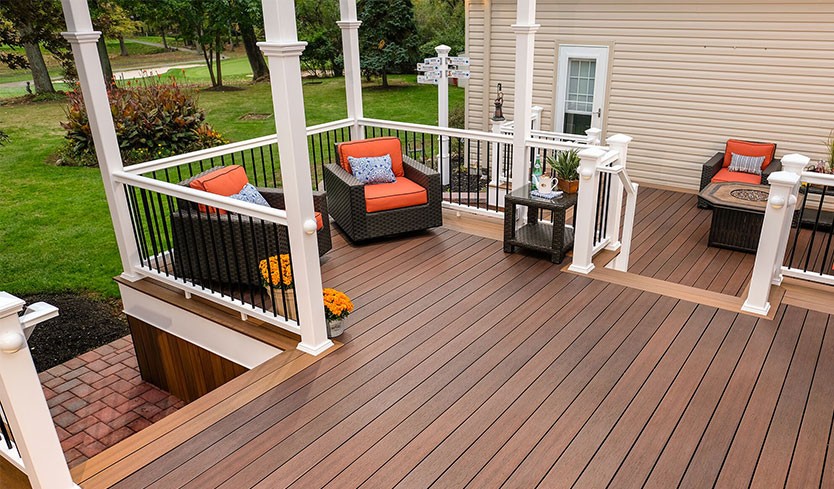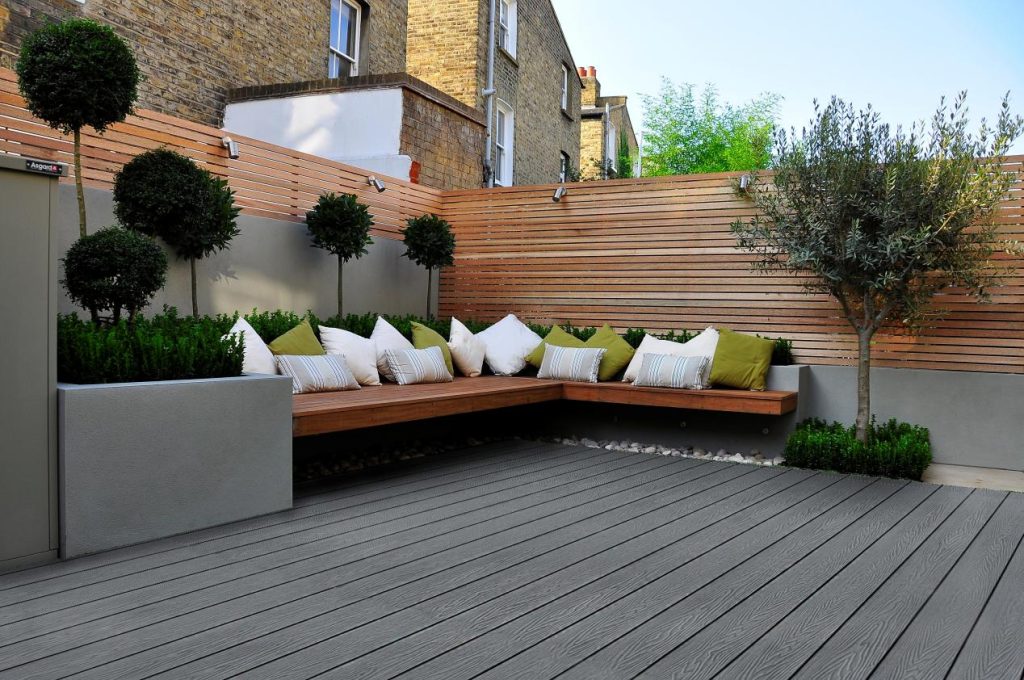
When building a pool area, one of the key decisions you’ll need to make is selecting the right decking material. Composite pool decking is becoming increasingly popular due to its durability, aesthetic appeal, and low maintenance. However, the price of composite decking can vary widely depending on several factors. In this comprehensive guide, we’ll break down the composite pool decking prices, what factors influence the price, and how to choose the best option for your budget.
Table of Contents
What is Composite Pool Decking?
Before diving into the price factors, it’s essential to understand what composite decking is. Composite decking is a man-made material made from a combination of wood fibers and plastic. The result is a durable, low-maintenance product that looks similar to traditional wood decking but without the hassle of regular sanding, staining, or sealing.
Why Choose Composite Pool Decking?
Durability: Resistant to moisture, mold, and fading.
Low Maintenance: No need for sanding or sealing.
Aesthetic Appeal: Available in a wide range of colors and textures.
Eco-Friendly: Made from recycled materials.
Types of Composite Decking
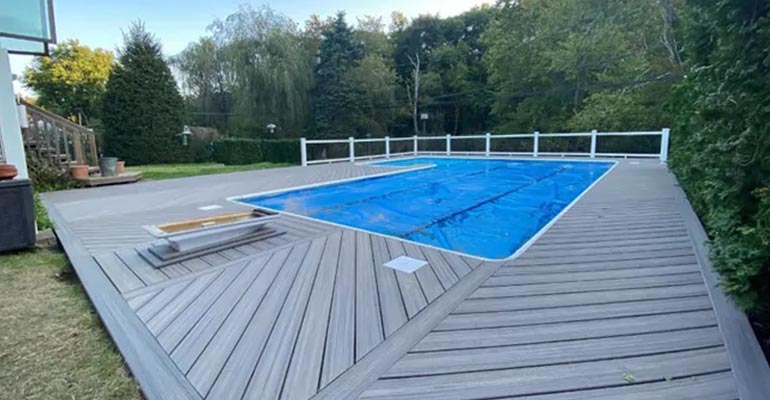
When choosing composite decking for your pool area, it’s important to understand the different types available on the market. Each type comes with unique benefits, as well as price variations. Depending on your needs, aesthetic preferences, and budget, you can select the right option that works best for you. Below, we’ll dive deeper into the different types of composite decking materials and their price ranges.
Capped Composite Decking
What is Capped Composite Decking?
Capped composite decking is perhaps the most popular choice for poolside installations, primarily because of its enhanced performance and durability. This type of decking features a protective layer, often referred to as the “cap,” which surrounds the core made of wood fibers and plastic. This cap serves as a shield against the elements, adding an extra layer of protection from staining, fading, and scratches. Capped composite decking is designed to withstand moisture, UV rays, and foot traffic, making it an ideal choice for areas that are constantly exposed to water, like pool decks.
Benefits of Capped Composite Decking:
Superior Durability: The protective outer layer helps the decking resist wear and tear, making it much longer-lasting than uncapped composite options.
Low Maintenance: The capped layer makes cleaning and maintaining the decking easier. It reduces the need for frequent sanding, sealing, or staining.
Aesthetic Appeal: Capped composite decking typically comes in a wide range of colors and textures, often with a wood-like appearance. The surface is smooth and does not splinter, ensuring comfort underfoot.
Resistant to Mold and Mildew: The cap significantly reduces the potential for mold and mildew growth, which is particularly important for poolside decks that are constantly exposed to moisture.
Increased Protection: It is highly resistant to UV rays, which means it won’t fade over time as quickly as other materials like natural wood.
Price Range:
Capped composite decking typically falls in the mid-to-high price range due to its enhanced performance features. On average, you can expect to pay between $3 and $7 per linear foot for capped composite decking materials. The higher-end pricing is typically associated with top-tier brands like Trex and TimberTech, which offer advanced protective caps and additional features like scratch resistance and enhanced color retention.
Uncapped Composite Decking
What is Uncapped Composite Decking?
Unlike capped composite decking, uncapped composite decking does not have the protective outer layer. It still combines wood fibers and plastic, but it lacks the additional barrier that protects against staining, fading, and damage from moisture. As a result, uncapped composite decking is more vulnerable to the elements. While it’s less durable and requires more maintenance, it is a more affordable option for those on a tighter budget.
Benefits of Uncapped Composite Decking:
Affordability: Uncapped composite decking is often much cheaper than capped versions, making it a budget-friendly option for homeowners who want the look of composite decking without the high price tag.
Natural Look and Feel: Without the cap, uncapped composite decking can have a more natural appearance, as it is closer to traditional wood decking in texture and finish. This can be appealing for homeowners seeking a wood-like aesthetic.
Easy to Install: Since it lacks the protective layer, uncapped composite decking can be easier to cut and install. This can save on labor costs if you are doing the installation yourself.
Drawbacks of Uncapped Composite Decking:
Higher Maintenance Requirements: Due to the lack of a protective cap, uncapped decking may require more maintenance, such as cleaning, sealing, or applying mold-resistant coatings.
Susceptibility to Stains and Fading: Uncapped composite decking is more likely to suffer from fading or staining, particularly if it is exposed to moisture for long periods. It also may be more prone to scratches, discoloration, or warping.
Mold and Mildew Growth: Without the protective cap, uncapped decking is more vulnerable to mold and mildew, especially in humid environments or areas near pools where water splashes regularly.
Price Range:
Uncapped composite decking is more affordable than capped alternatives, typically costing between $2 and $5 per linear foot. Because it lacks the cap, it is a good option for those looking to reduce initial costs, although it’s important to factor in the potential need for more maintenance over time.
PVC Decking (Pure Plastic Decking)
What is PVC Decking?
Although technically not a composite material, PVC decking is often included in discussions about composite decking options because it shares many of the same benefits. PVC decking is made entirely of plastic (polyvinyl chloride), with no wood fibers involved. Unlike composite decking, which combines plastic and wood to create a more natural look, PVC decking offers a completely synthetic solution. It’s known for its excellent resistance to water, stains, and mold, making it another solid option for poolside decking.
Benefits of PVC Decking:
Waterproof and Stain-Resistant: PVC decking is fully waterproof and resists staining, making it perfect for wet environments like poolsides or patios.
Low Maintenance: Unlike wood decking, which requires sanding, sealing, or staining, PVC decking only needs occasional cleaning with soap and water. It’s highly resistant to mold, mildew, and other forms of degradation caused by water exposure.
Long-Lasting Durability: PVC is a highly durable material, offering excellent resistance to scratching, fading, and general wear and tear.
Wide Range of Colors and Textures: While PVC decking doesn’t mimic wood as closely as composite options, it’s available in a wide variety of colors and finishes, including wood-like textures. However, it tends to have a smoother, less “natural” appearance.
Drawbacks of PVC Decking:
Less Natural Appearance: For homeowners who prefer the look and feel of natural wood, PVC decking might not be the ideal choice. It doesn’t offer the same texture or aesthetics that wood or composite decking does.
Higher Cost: PVC decking is generally more expensive than uncapped composite decking, though it is typically cheaper than high-end capped composites. However, its increased durability and low maintenance could justify the higher initial cost in the long run.
Price Range:
PVC decking is typically priced between $4 and $8 per linear foot, depending on the brand and the features it offers. It tends to fall at the higher end of the spectrum when compared to uncapped composite decking but can still be more affordable than premium capped composite options.
Price Differences and Key Considerations
Capped Composite Decking: $3 to $7 per linear foot
Capped composite decking offers the best balance of durability, appearance, and low maintenance, which is why it is the most popular choice for pool decking. While it may be more expensive upfront, the reduced maintenance and longer lifespan make it a good investment over time.Uncapped Composite Decking: $2 to $5 per linear foot
If you’re on a budget but still want the benefits of composite materials, uncapped composite decking is a good option. However, you should be prepared for higher long-term maintenance costs.PVC Decking: $4 to $8 per linear foot
PVC decking offers the most protection from moisture and stains, making it an excellent choice for areas prone to wetness, such as pool decks. However, it can be more expensive than both capped and uncapped composite decking, though its long-term durability may offset the higher initial costs.
Factors Affecting Composite Pool Decking Prices
Now that we know the different types of composite decking, let’s dive into the specific factors that influence the price of composite pool decking.
a. Material Quality and Brand
Not all composite decking is created equal. High-end brands like Trex, TimberTech, and Fiberon offer premium options with better warranties and superior performance. These brands may cost more, but they often provide longer-lasting and more beautiful results. Premium materials also tend to have better UV protection and color retention.
b. Decking Thickness
Thicker decking usually costs more because it is made from higher-quality materials and offers superior durability. Thicker decking is more resistant to bending or warping over time, making it ideal for pool areas where exposure to water and sun is constant.
c. Color and Texture Options
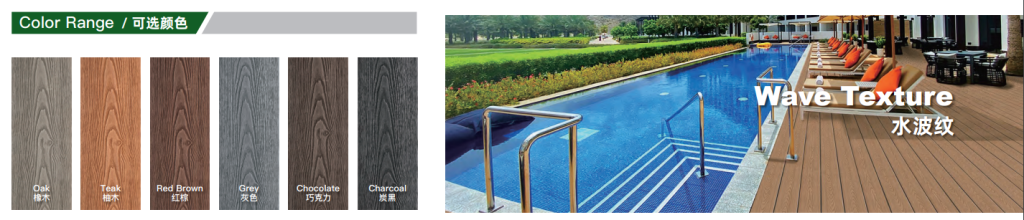
The color and texture of the decking can significantly affect the price. Lighter, natural wood-like colors are typically more affordable, while darker or custom colors may come at a premium. Textured finishes that mimic the look of real wood, for example, may also increase the price of the composite decking.
d. Board Length and Width
Longer boards tend to cost more than shorter ones. Custom sizes or specialty boards can also add to the cost, but they may reduce the number of seams in your decking, improving the overall appearance.
e. Installation Costs
Installation is another important factor that impacts the overall cost of composite pool decking. While composite decking is easier to install than wood decking, it still requires professional installation for the best results. Installation costs can vary depending on your location, the complexity of the design, and whether you choose to hire a professional or do it yourself.
Average Cost of Composite Pool Decking
The total cost of installing composite pool decking depends on the size of your pool area, the type of decking, and the brand. Here’s a rough estimate of costs:
Material Cost:
For a 200-square-foot pool deck, you can expect to pay between $3,000 and $8,000 for composite decking material alone, depending on the type and quality of the decking. Premium options like capped composite or PVC tend to fall on the higher end of this range.Labor Costs:
Professional installation of composite decking typically costs between $10 and $15 per square foot. For a 200-square-foot pool deck, that’s an additional $2,000 to $3,000 in labor costs.Total Project Cost:
Overall, for a 200-square-foot composite pool deck, the total cost (material + labor) can range from $5,000 to $12,000 or more, depending on your choices.
Comparing Composite Decking with Other Pool Decking Options
To get a better understanding of the value composite decking offers, let’s compare it to other common pool decking materials like wood, concrete, and tile.
Wood Decking:
Wood is often the most affordable material for pool decking, with prices ranging from $2 to $5 per square foot. However, it requires more maintenance than composite decking, including sanding, sealing, and staining. Over time, wood decking may end up costing more due to the maintenance needed.Concrete Decking:
Concrete is a highly durable option, with prices ranging from $4 to $8 per square foot. However, it can crack over time, and it is not as visually appealing as composite decking. Additionally, concrete requires professional installation, which can add to the cost.Tile Decking:
Pool tiles provide a luxurious look but come with a higher price tag, often ranging from $8 to $15 per square foot for materials and installation. Tile decking is highly durable but requires maintenance to prevent grout from becoming stained or cracked.
How to Save on Composite Pool Decking
While composite decking can be more expensive than some other materials, there are ways to reduce costs without sacrificing quality.
Shop Around for Deals:
Look for sales, discounts, or bulk-buying deals on composite decking materials. Many suppliers offer discounts during off-seasons or when you buy in large quantities.DIY Installation:
If you have the skills, consider installing the decking yourself. This can save you thousands of dollars in labor costs, although you’ll still need to invest in tools and materials.Choose Less Expensive Brands:
If you’re on a tight budget, consider choosing a less premium brand of composite decking. There are many reputable brands that offer high-quality products at lower prices.
Final Thoughts on Composite Pool Decking Prices
Composite pool decking from Hosung is a great choice for homeowners who want a durable, low-maintenance, and beautiful outdoor space. While the initial investment can be higher than some other materials, the long-term benefits and reduced maintenance costs make it a worthwhile investment. By understanding the factors that influence composite decking prices, comparing different brands, and exploring ways to save, you can choose the best decking option for your budget.
Whether you opt for capped composite decking, uncapped options, or PVC, investing in composite pool decking will undoubtedly enhance your outdoor living experience, creating a stunning, functional, and lasting pool area.