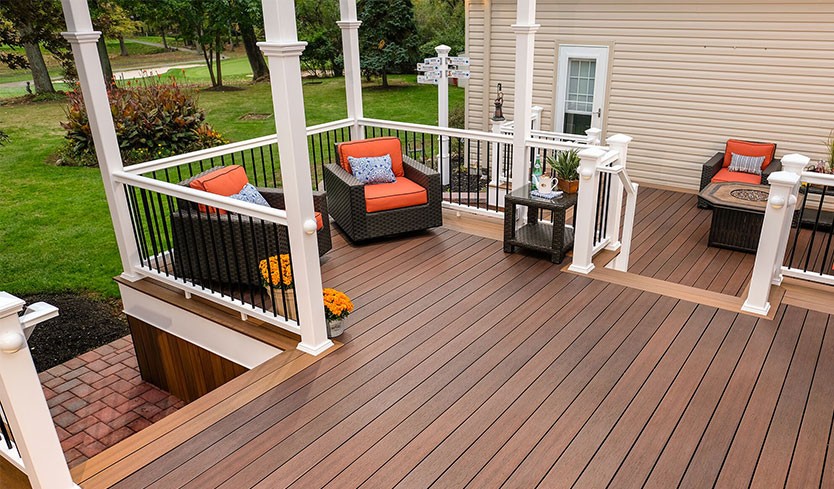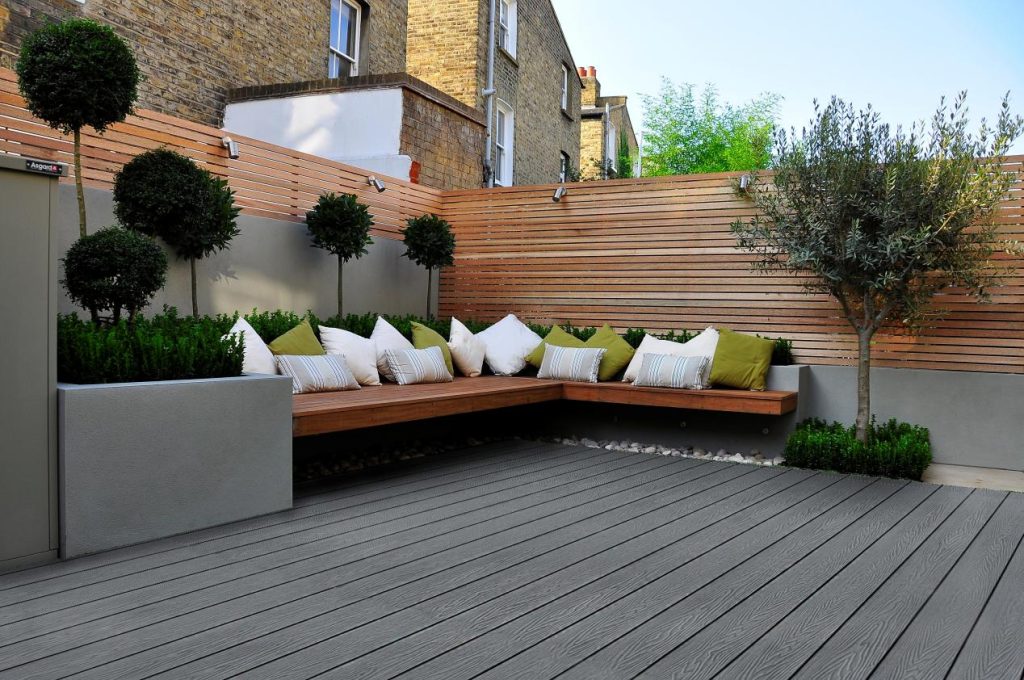
When it comes to building a deck that combines durability, aesthetic appeal, and low maintenance, concrete composite decking has emerged as a popular choice among homeowners and builders alike. This modern decking material, which blends the best of concrete and composite technology, offers numerous advantages over traditional wood decking, including improved longevity, resistance to the elements, and minimal upkeep.
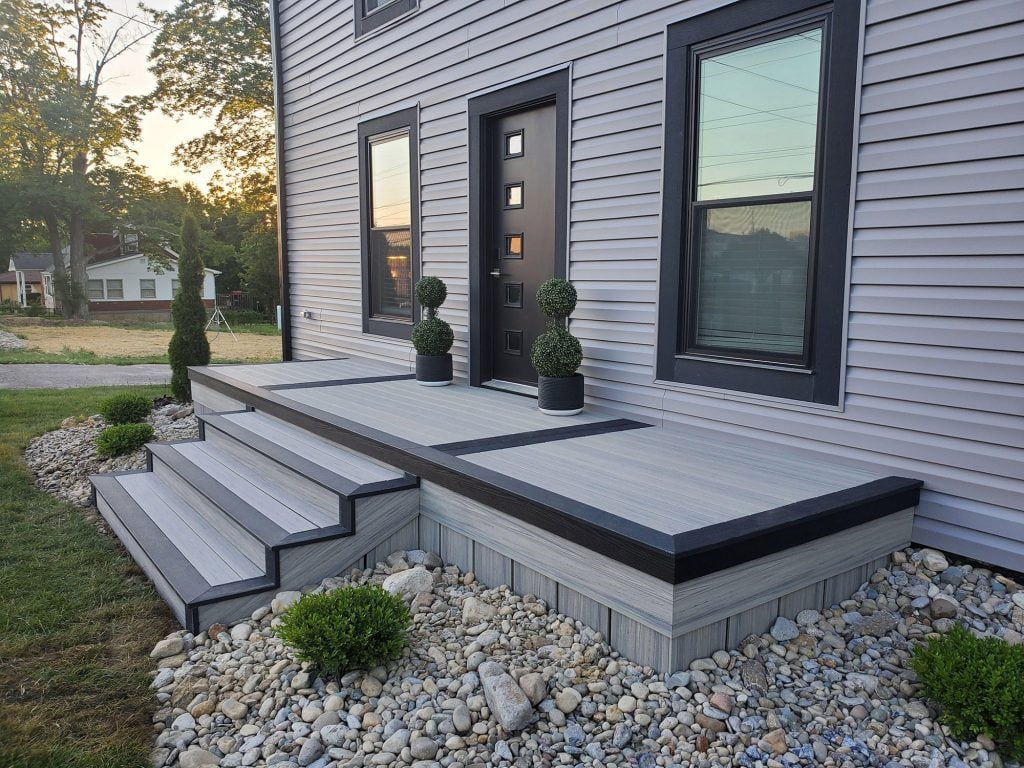
Table of Contents
In this guide, we’ll dive into everything you need to know about concrete composite decking—from its construction and benefits to the installation process and cost comparison with other materials. Whether you’re considering upgrading your outdoor space or simply exploring decking options, this article will provide the information you need to make an informed decision.
What is Concrete Composite Decking?
Concrete composite decking is an innovative building material designed for outdoor decks. It combines the strength and durability of concrete with the flexibility and easy-to-maintain qualities of composite materials (typically a blend of wood fibers and plastic). This unique combination makes concrete composite decking ideal for homeowners who want a long-lasting, low-maintenance alternative to traditional wood decking.
Unlike traditional concrete or wood decks, concrete composite decking is engineered to be lightweight yet sturdy, resistant to fading, rotting, and warping. It’s designed to withstand the harsh elements of outdoor conditions, making it an excellent choice for those living in areas with extreme weather.
The Benefits of Concrete Composite Decking
1. Durability and Longevity
One of the primary reasons why homeowners opt for concrete composite decking is its incredible durability. Unlike wood decking, which can warp, splinter, or rot over time, composite decking resists all of these issues. This makes it an ideal choice for homeowners who want a deck that will last for decades without the need for frequent repairs or replacements.
Concrete composite decking is designed to endure a wide range of weather conditions, including rain, snow, and direct sunlight. Its resistance to moisture means that it won’t swell or warp, and its UV-resistant properties prevent fading over time. Additionally, because composite decking is less prone to cracking and breaking, you can count on it to maintain its structural integrity for years.
2. Low Maintenance
Another significant advantage of concrete composite decking is its low maintenance requirements. Traditional wood decks often require regular sealing, staining, and painting to maintain their appearance and functionality. In contrast, concrete composite decks only require occasional cleaning with soap and water. The surface is resistant to mold, mildew, and stains, so you won’t need to worry about frequent upkeep.
3. Aesthetic Flexibility
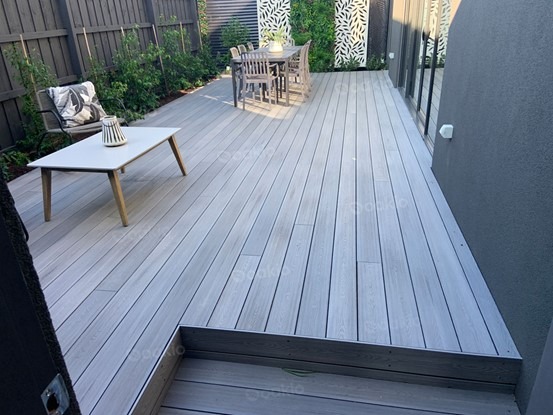
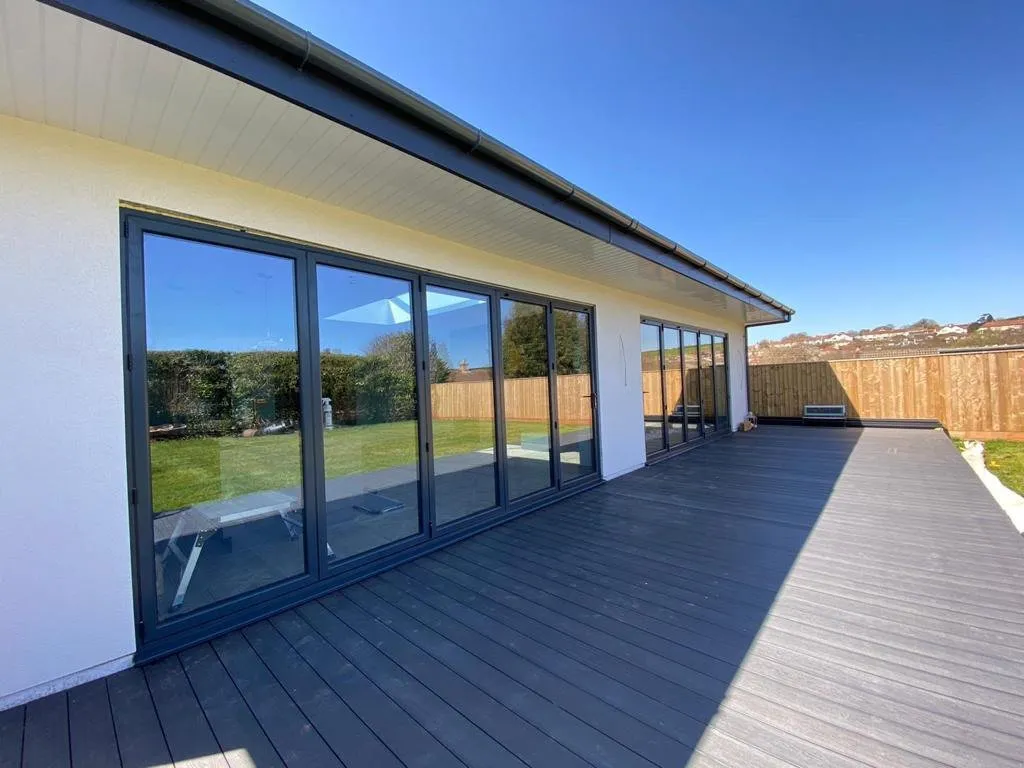
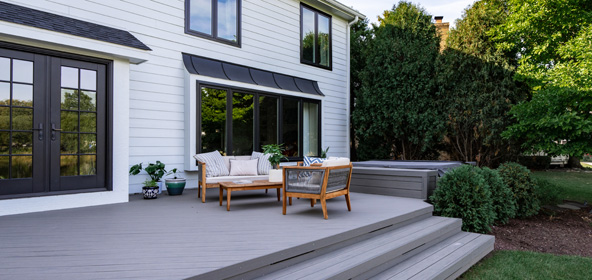
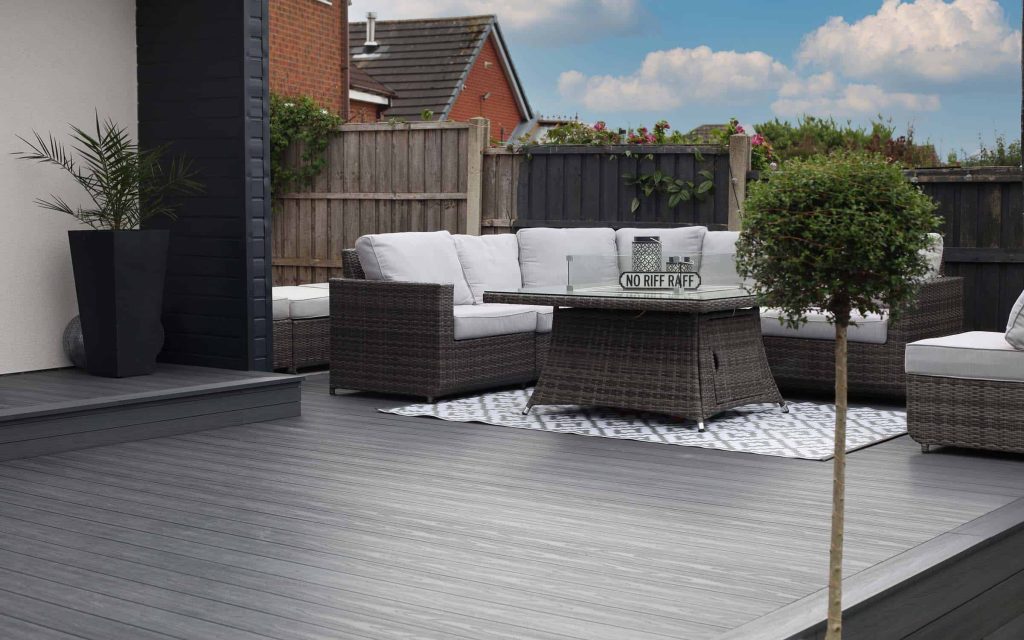
Concrete composite decking comes in a wide range of colors, textures, and finishes, giving homeowners the flexibility to design a deck that complements their outdoor living space. Whether you prefer a natural wood look, a contemporary concrete finish, or a more custom design, there is a composite decking solution to match your style.
Unlike traditional concrete or wood, which may require additional treatments to achieve the desired aesthetic, concrete composite decking is engineered to maintain its visual appeal with minimal effort. Additionally, it can be textured to replicate the appearance of wood grains, creating a rich, inviting surface that blends seamlessly into your backyard.
4. Environmentally Friendly
For environmentally-conscious homeowners, concrete composite decking offers a sustainable option. Composite decking materials are typically made from recycled plastics and wood fibers, reducing the need for virgin resources and minimizing waste. By choosing composite decking, you’re helping to keep plastic and wood out of landfills while still enjoying a beautiful, durable deck.
5. Enhanced Safety Features
Concrete composite decking is slip-resistant, making it a safer option for families with children or elderly members. Its surface provides added traction, reducing the risk of slips and falls, especially in wet conditions. Additionally, many composite decking materials are fire-resistant, which provides peace of mind when it comes to fire safety.
How Concrete Composite Decking is Made
The manufacturing process of concrete composite decking involves combining the best properties of concrete and composite materials. The process typically includes the following steps:
Material Selection: The composite materials, usually a blend of recycled plastic and wood fibers, are chosen for their strength, durability, and aesthetic properties. Concrete is mixed with the composite material to enhance the structural integrity of the decking.
Molding: The materials are then molded into the desired shape, whether it’s a deck board or other components. The molding process ensures that the decking is consistent in size and shape.
Curing and Drying: Once molded, the decking material undergoes a curing process to allow the concrete to harden. This step ensures that the material is structurally sound and ready for installation.
Finishing Touches: After curing, the deck boards are finished with additional treatments such as texturing, coloring, or adding a protective coating. These finishes enhance the decking’s appearance and durability, ensuring that it will stand the test of time.
Types of Concrete Composite Decking
1. Standard Concrete Composite Decking
Standard concrete composite decking is the most common and widely available type of composite decking. It combines recycled wood fibers and plastic with concrete to create a sturdy, durable surface. This type is typically more affordable compared to other variations, making it a popular choice for homeowners looking for a reliable solution without breaking the bank.
The boards are available in various lengths, widths, and thicknesses, allowing you to choose the perfect fit for your deck. The surface texture can be either smooth or grooved, with the grooved surface offering additional slip resistance, especially in wet conditions.
Pros:
Affordable and cost-effective
Durable with low maintenance
Available in a variety of finishes and colors
Provides good weather resistance
Cons:
Less customizable in terms of appearance compared to premium options
May not have the same luxurious finish as other types
2. Premium Concrete Composite Decking
For those seeking a more high-end, luxurious appearance, premium concrete composite decking is the ideal choice. Premium versions use higher-quality materials and advanced manufacturing processes to produce boards that are more resistant to fading, scratching, and staining. These boards often have a more refined finish, mimicking the appearance of wood or stone, and they are designed to last even longer than standard options.
Many premium concrete composite decking products also feature enhanced UV protection, allowing them to retain their color for longer periods, even in areas with intense sun exposure. Some premium products also come with a textured or embossed surface that replicates the look and feel of natural wood, adding an extra level of aesthetic appeal.
Pros:
Luxurious look and feel
Enhanced resistance to fading, staining, and scratching
Longer lifespan with improved UV protection
Advanced texture finishes for a more natural appearance
Cons:
Higher upfront cost
May require professional installation for optimal results
3. Tongue-and-Groove Concrete Composite Decking
Tongue-and-groove concrete composite decking is a popular option for those who want a seamless, smooth surface without visible screws or fasteners. This type of decking features interlocking edges that click together to form a solid surface. The tongue-and-groove design ensures that each board stays tightly secured, providing a more stable structure.
This design is particularly useful for creating a polished, refined look, making it perfect for homeowners who want to maximize the aesthetic appeal of their outdoor space. It also helps to prevent the boards from shifting or warping over time, making it a long-lasting and stable decking solution.
Pros:
Provides a sleek, fastener-free surface
Offers a clean, polished look
More stable and resistant to shifting compared to traditional decking
Minimal gaps between boards for a uniform appearance
Cons:
More expensive than standard boards
Installation can be more complex and may require professional assistance
4. Deck Tiles with Concrete Composite Material
For those who want a quick, DIY-friendly solution, deck tiles made from concrete composite materials are an excellent choice. These tiles come pre-assembled in small, interlocking sections, making installation quick and easy. Simply place the tiles on your deck surface, interlock them, and you’ll have a new deck in no time.
Deck tiles offer flexibility and convenience, especially for homeowners who want to update their deck without committing to a full installation process. They’re also great for covering damaged or outdated decks without the need for extensive repairs.
Pros:
Easy to install without professional help
Can be used to upgrade existing decks
Available in a wide range of designs and colors
Portable and removable for temporary installations
Cons:
May not provide the same level of durability or customization as full boards
Limited size options, requiring multiple tiles to cover large areas
5. Recycled Concrete Composite Decking
If sustainability is a priority for you, recycled concrete composite decking offers an environmentally friendly option. This type of decking uses materials that have been repurposed, such as plastic waste and recycled concrete, to create durable, eco-friendly boards. By choosing recycled decking, you help to reduce the environmental impact associated with decking production, while still getting a high-quality, long-lasting product.
Recycled concrete composite decking is designed to maintain the same level of performance as standard or premium options. It is highly resistant to rot, mold, and mildew, and it won’t warp or splinter like wood decking. Plus, its aesthetic appeal can be just as impressive, with many options designed to mimic natural materials like stone or wood.
Pros:
Environmentally friendly and sustainable
Made from recycled materials, reducing waste
High durability and low maintenance
Available in a variety of textures and finishes
Cons:
Higher cost compared to standard decking
May have fewer design options than premium products
6. Textured Concrete Composite Decking
For a more slip-resistant, durable surface, textured concrete composite decking is an excellent choice. Textured boards are designed to enhance the grip of the surface, making them ideal for areas that experience a lot of moisture, such as poolside decks or areas that receive heavy rain.
The textured finish also adds a layer of visual interest to the deck, creating a more sophisticated and dynamic appearance. This type of decking is also particularly effective at hiding dirt and debris, keeping the surface looking clean with minimal effort.
Pros:
Enhanced slip resistance, ideal for wet conditions
Adds visual texture and dimension to the deck
Low maintenance and easy to clean
Perfect for areas prone to moisture or high traffic
Cons:
May not appeal to those seeking a smooth finish
Can be slightly more expensive due to additional texture features
Installation of Concrete Composite Decking
Installing concrete composite decking is relatively straightforward, but it’s essential to follow the manufacturer’s guidelines and recommendations for optimal results. Here are the basic steps for installation:
Prepare the Deck Area: Clear the area where the deck will be installed and ensure the ground is level. This is crucial for proper installation and long-lasting performance.
Install the Frame: Construct the frame using pressure-treated wood or steel, ensuring it is strong enough to support the weight of the composite decking.
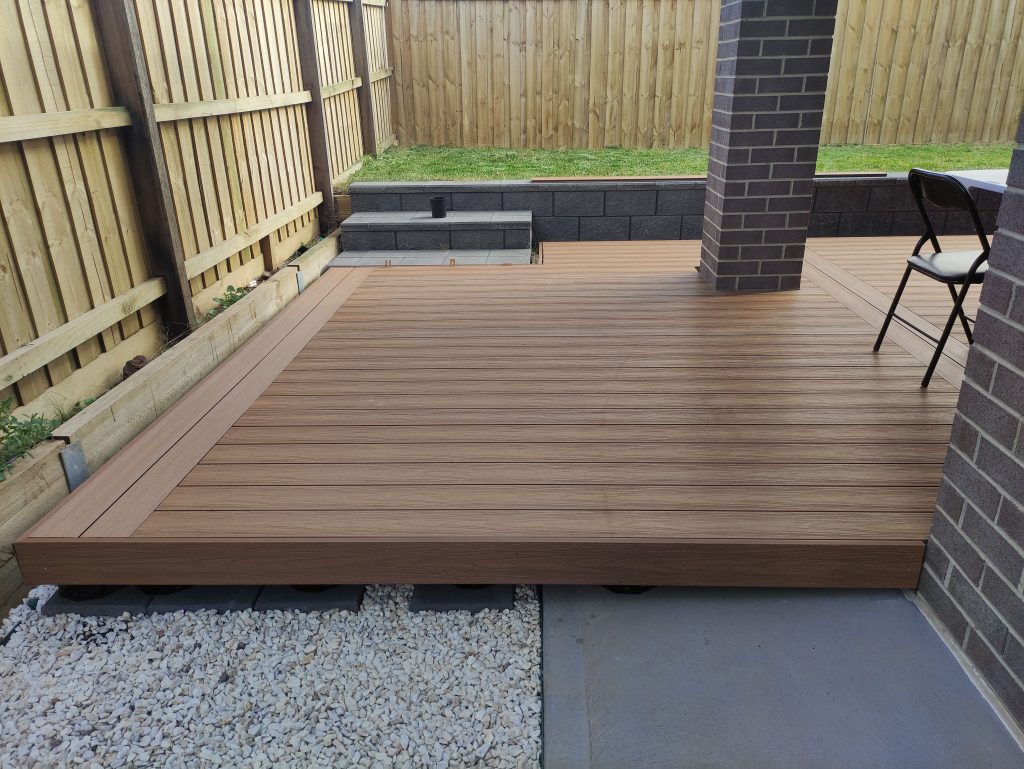
Lay the Deck Boards: Begin laying the concrete composite decking boards, securing them to the frame using the appropriate fasteners. Many composite decking systems feature hidden fasteners, which provide a clean, smooth finish without visible screw holes.
Finishing Touches: Once the boards are secured, add any finishing touches, such as trim or railings. Make sure to allow for proper spacing between the boards to accommodate expansion and contraction.
While it’s possible to install concrete composite decking yourself, many homeowners prefer to hire professionals for a more seamless experience. Professional installers can ensure the job is done correctly and quickly, giving you peace of mind and saving time.
Cost of Concrete Composite Decking
The cost of concrete composite decking can vary depending on several factors, including the brand, style, and size of the deck. On average, the price ranges from $10 to $20 per square foot, excluding labor costs. This price may be higher or lower depending on where you live and the specific materials you choose.
While concrete composite decking may have a higher upfront cost compared to wood decking, it’s essential to consider the long-term savings. With low maintenance and durability that far surpasses traditional wood, composite decking can save homeowners money over time, as it won’t require costly repairs, sealing, or staining.
Concrete Composite Decking vs. Wood Decking: Which is Better?
When comparing concrete composite decking to traditional wood decking, several key factors must be considered:
Durability: Composite decking is far more durable than wood, as it is resistant to rot, mold, and mildew. Wood decks, on the other hand, can warp, split, or rot over time, especially when exposed to moisture.
Maintenance: Wood decks require regular maintenance, including cleaning, staining, and sealing, while concrete composite decking only requires minimal upkeep.
Cost: While composite decking may have a higher upfront cost than wood, it’s generally more cost-effective in the long run due to its durability and low maintenance needs.
Appearance: While wood decking has a natural, classic look, composite decking is available in a wide range of colors and finishes, offering more design flexibility.
Conclusion
In conclusion, concrete composite decking offers numerous benefits over traditional wood decking, including enhanced durability, low maintenance, and aesthetic flexibility. Its ability to withstand the elements and its environmentally friendly composition make it an ideal choice for homeowners looking to invest in a long-lasting, beautiful deck.
Whether you’re building a new deck or upgrading your current one, concrete composite decking provides the perfect balance of performance and style. By choosing this innovative material, you’re ensuring that your outdoor living space will remain functional and stunning for years to come.
If you’re considering concrete composite decking for your next outdoor project, consult with a professional installer and explore the various styles and finishes available. With its blend of concrete and composite technology, this decking solution is the future of outdoor living.