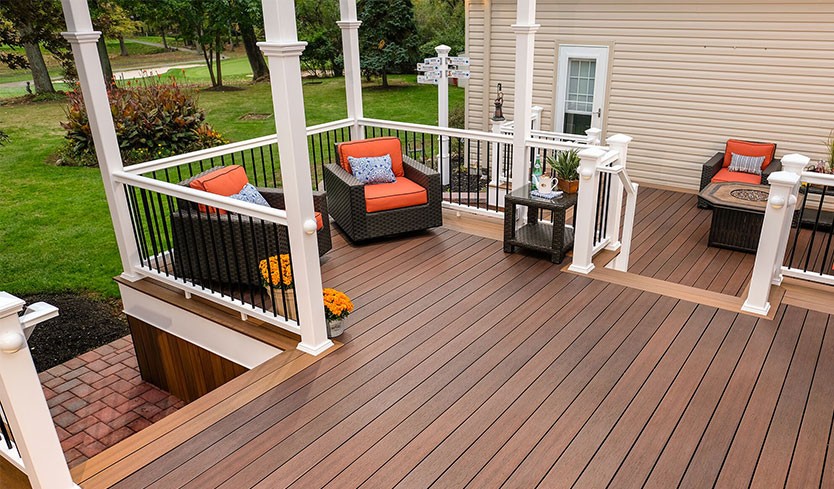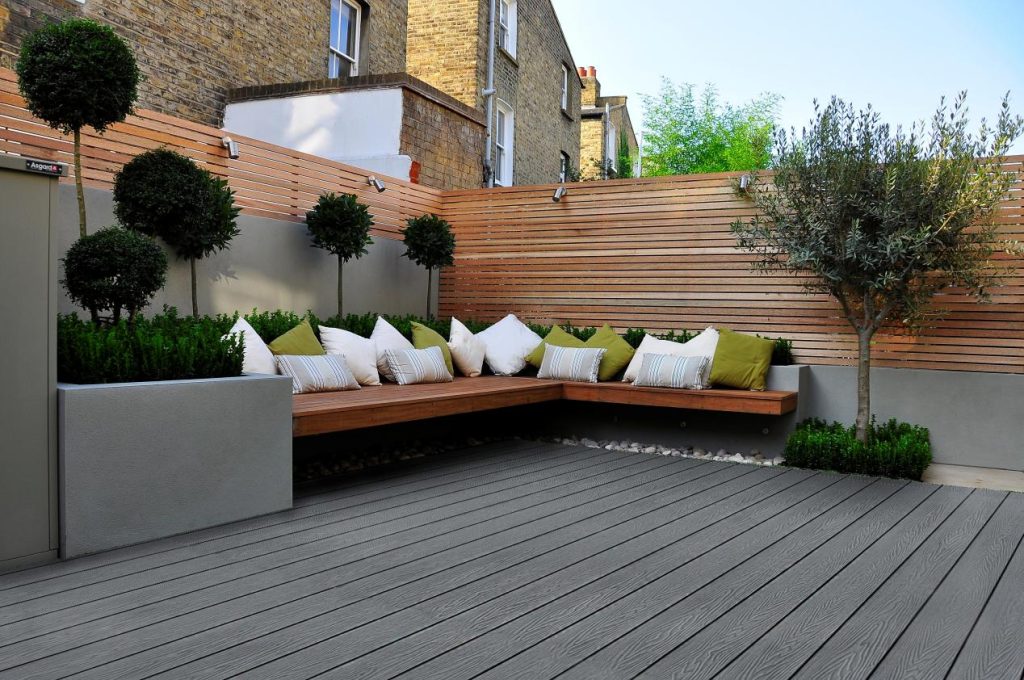
Composite decking is a popular choice for homeowners looking for a low-maintenance, durable alternative to traditional wood decking. While composite decking comes in a variety of styles, colors, and brands, one of the most common questions is, “What is the cost of composite decking per m²?” In this article, we will explore the factors influencing the cost of composite decking, how it compares to other decking materials, and what you can expect when budgeting for a composite deck.
Table of Contents
Understanding Composite Decking
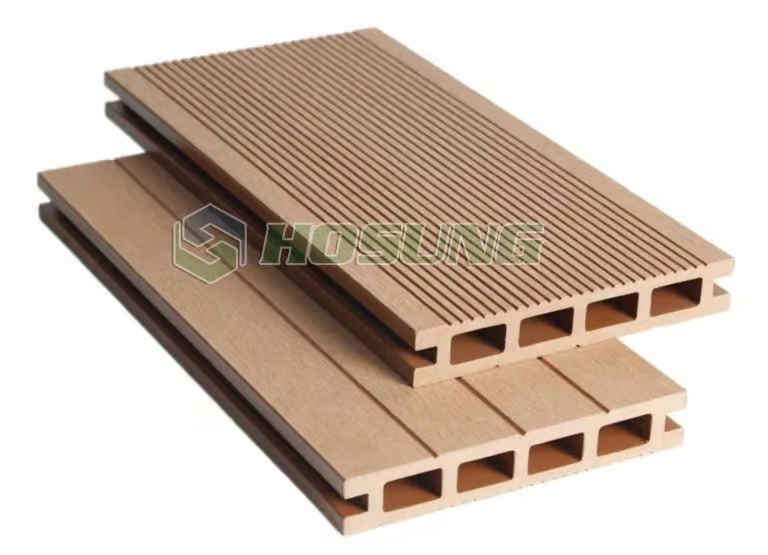
Composite decking is made from a blend of wood fibers and plastic, which creates a strong, durable material that resists the elements better than traditional wood. This makes it an ideal choice for outdoor spaces like patios, balconies, and pool decks. The cost of composite decking per m² varies depending on several factors, including the brand, type of composite, and finish.
Factors Affecting the Cost of Composite Decking per m²
When estimating the cost of composite decking per m², several critical factors come into play that can either increase or decrease the overall price. These factors include the quality of materials, brand reputation, finish and design, and even the size of the deck. Let’s explore each of these elements in greater detail.
1. Quality of Materials
The quality of the composite material plays a significant role in determining the cost of composite decking per m². Composite decking is generally made from a combination of wood fibers and plastic. However, the quality and mix of these materials can vary considerably between different brands and product types.
High-Quality Composite Decking: High-end composite decking options, such as capped composite, have an additional protective layer or “cap” that surrounds the core of the decking material. This protective layer is typically made from a durable, weather-resistant plastic, which increases the deck’s ability to withstand fading, stains, mold, and mildew. Capped composite decking is more resistant to scratches and is often more durable in extreme weather conditions, making it an ideal option for homeowners looking for long-lasting, low-maintenance decking. As a result, the cost of capped composite decking tends to range from $40 to $70 per m², depending on the brand and quality of the materials used.
Standard Composite Decking: In contrast, uncapped composite decking does not have this protective layer. While still durable and long-lasting, uncapped composite decking is generally more affordable but is not as resistant to stains and scratches as capped options. This type of decking typically costs between $30 and $45 per m². It may still offer significant advantages over wood decking, including a longer lifespan and less maintenance, but at a more budget-friendly price point.
While capped composite decking is the premium choice, the decision between capped and uncapped composite often depends on the homeowner’s budget and desired level of maintenance. If you are looking for a deck that requires minimal upkeep, investing in high-quality capped composite decking could be a worthwhile decision, even if it means spending more upfront.
2. Brand
The brand of composite decking also significantly impacts its pricing. Leading brands in the industry often command higher prices due to their reputation, quality assurance, and reliability. Well-established composite decking companies have invested heavily in research, development, and product testing to create high-performance, long-lasting products. As a result, these premium brands typically offer warranties, which further adds to the value but also the price.
Some of the top brands in the composite decking industry include:
Trex: Known for its high-quality, low-maintenance decking materials, Trex is a leader in the composite decking market. They offer a wide range of colors and styles, with prices varying depending on the series (e.g., Trex Select, Trex Transcend). Their premium lines can cost between $55 to $80 per m².
TimberTech: Another popular name in the composite decking market, TimberTech offers products that range from affordable to high-end. Their range includes capped composite decking with superior weather resistance, and prices can vary from $40 to $75 per m².
Fiberon: Fiberon also manufactures capped composite decking, offering exceptional durability and aesthetics. Prices for their decking can range from $35 to $70 per m², depending on the series and features like color and texture.
While opting for these well-known brands may increase the initial cost, many homeowners prefer the peace of mind that comes with a trusted name. These brands often offer longer warranties and have customer service teams that can address issues if they arise, which can be a valuable factor in the overall decision-making process.
3. Finish and Design
The finish and design of composite decking can significantly impact its overall cost. As with any material, the more intricate and aesthetically pleasing the design, the higher the price point.
Smooth vs. Textured Finishes: Composite decking comes in different finishes, with smooth finishes typically costing less than textured finishes. Textured composite decking, which often has a wood-like grain or pattern embossed into the surface, tends to cost up to 15% more per m² than smooth options. Textured finishes mimic the look and feel of natural wood, adding an extra layer of authenticity to the deck. These finishes are popular for homeowners who want the appearance of hardwood without the maintenance that comes with natural wood decking.
Custom Designs and Colors: Many composite decking manufacturers offer a wide array of colors, finishes, and custom patterns. Custom or unique designs, such as multi-tone color variations or specialized patterns, can add to the cost of the material. For example, composite decking that mimics exotic wood species like teak, mahogany, or Ipe can cost more than standard wood-grain finishes due to the additional effort involved in creating these colors. Custom colors and embossed wood grain designs can increase the overall cost by as much as 10% to 20% per m².
In addition to aesthetics, some manufacturers offer innovative features such as hidden fasteners or grooved edges, which can add to the cost. These features contribute to a sleeker look and easier installation, but they may also require specific types of fasteners or installation techniques.
4. Size of Deck
The size of the deck is another significant factor in determining the overall cost per m². Larger decks generally require more materials, and thus, the total cost for the decking material can increase. However, there are potential savings when buying larger quantities of material, as many suppliers offer bulk pricing discounts for larger orders.
Bulk Pricing: If you are installing a large deck, you may be able to negotiate a better price per m² due to the quantity of decking required. Bulk purchases can often result in a reduction in material costs. However, this price reduction is typically offset by higher installation costs because the larger the deck, the more time and labor it takes to complete the installation.
Installation Costs: The size and complexity of the deck design (e.g., multi-level decks, decks with stairs, or curved edges) will affect installation costs. More intricate designs require more detailed work, increasing labor expenses. However, a simple, rectangular deck layout may be quicker and less expensive to install.
In general, while larger decks can reduce the material cost per m², the additional labor required for installation may make the overall project more expensive. The complexity of the deck’s design will directly impact both material and installation costs.
5. Additional Features
In addition to the standard decking material, there are several additional features that can contribute to the overall cost of composite decking per m². These features may include:
Deck Railings: Composite railing systems are often chosen to match the decking material, and they can add a significant cost to the overall project. Railing systems typically add an additional $30 to $50 per meter to the total cost.
Deck Lighting: If you want to install integrated deck lighting, this will add to the overall cost. Lighting kits can range from $10 to $50 per light, depending on the style and brand.
Fasteners and Adhesives: Composite decking requires specific fasteners or hidden clips for installation, which are often sold separately. These can cost between $2 to $5 per m², depending on the type of fastener used.
Comparing the Cost of Composite Decking to Other Materials
When considering the cost of composite decking per m², it’s important to compare it with the cost of other common decking materials:
| Decking Material | Average Cost per m² | Advantages | Disadvantages |
|---|---|---|---|
| Composite Decking | $30 – $70 | Low maintenance, durable, eco-friendly | Higher upfront cost |
| Pressure-Treated Wood | $15 – $30 | Affordable, widely available | High maintenance, susceptible to rot |
| PVC Decking | $45 – $80 | Water-resistant, low maintenance | Can get hot, expensive |
| Ipe Wood Decking | $100 – $150 | Extremely durable and long-lasting | Very expensive, high maintenance |
As you can see from the table above, composite decking offers a good balance between affordability and durability. It tends to fall in the mid-range compared to other materials, making it an attractive option for many homeowners.
Cost Breakdown: How Much Does It Cost to Install Composite Decking per m²?
Beyond the materials, the overall cost of installing composite decking per m² will include the labor costs. The installation price can vary depending on the region and the complexity of the deck design.
| Component | Average Cost per m² |
|---|---|
| Composite Decking Material | $30 – $70 |
| Labor Costs | $15 – $30 |
| Additional Costs (Fasteners, Tools, etc.) | $5 – $15 |
For a basic installation, the total cost to install composite decking per m² can range from $50 to $100. Complex designs with features like stairs or multi-level decking could drive the price up to $120 per m² or more.
Additional Considerations When Budgeting for Composite Decking
Here are a few things to keep in mind when budgeting for your composite decking:
Decking Accessories
Don’t forget to include accessories such as railing, lighting, and screws, which can significantly increase the cost. On average, decking accessories add about 20% to the total price.
Long-Term Savings
While the upfront cost of composite decking is higher, it can save money in the long run due to its low maintenance requirements. You won’t need to sand, stain, or seal composite decking like you would with traditional wood decking.
Environmental Benefits
Many composite decking materials are made from recycled plastic and wood fibers, making them an eco-friendly choice. This may not directly impact your cost but is an important consideration for environmentally conscious homeowners.
How to Choose the Right Composite Decking Based on Your Budget
Set a Budget Range
Determine how much you’re willing to spend on decking material and installation. This will help you narrow down your options and focus on products within your price range.
Choose Between Capped or Uncapped Composite
If your budget is tight, uncapped composite decking is a more affordable option. However, if you’re looking for durability and low maintenance, investing in capped composite decking might be worth the extra cost.
Consider Long-Term Costs
Even though composite decking may have a higher initial cost, remember that you’ll spend less over time compared to wood. Factor in long-term maintenance and repair costs when making your decision.
Is Composite Decking Worth the Cost per m²?
The final decision on whether composite decking is worth the cost per m² depends on several factors, including your budget, how much maintenance you’re willing to do, and the look you’re going for. While composite decking can be more expensive initially, the long-term benefits, such as durability and ease of maintenance, often make it the best option.
Final Thoughts
The cost of composite decking per m² from Hosung WPC varies depending on a variety of factors such as material quality, brand, and finish. While it may have a higher upfront cost compared to traditional wood, its long-term durability and low maintenance make it a great investment for your outdoor space. By understanding the factors that affect pricing, you can make an informed decision about the best decking material for your home and budget.