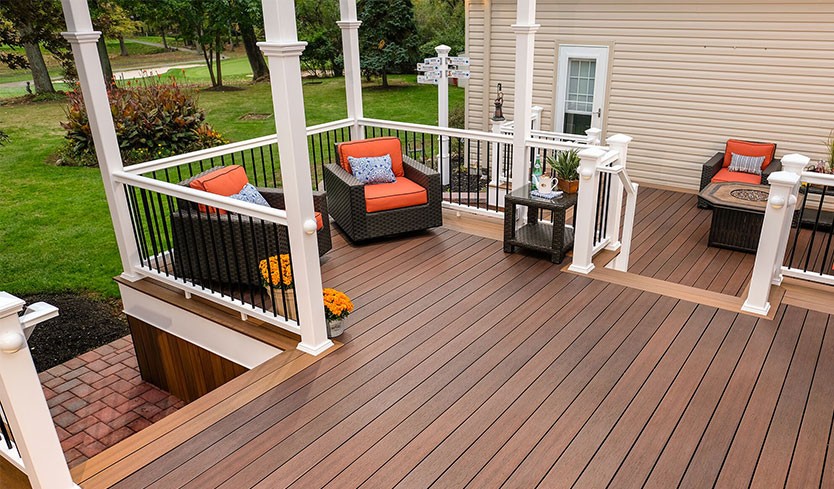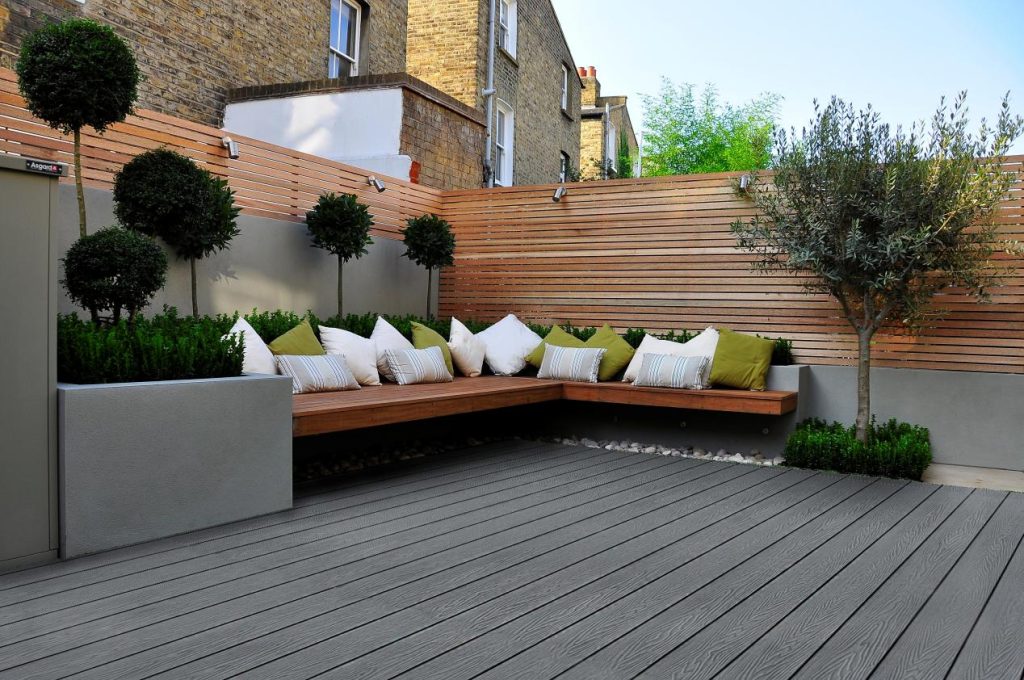
When it comes to choosing the perfect decking material for your outdoor space, composite decking has emerged as a popular option. With its combination of wood fibers and plastic, composite decking offers a low-maintenance, durable, and aesthetically pleasing alternative to traditional wood decks. However, one of the key decisions you’ll need to make is choosing the right color for your decking. In this article, we will compare dark composite decking and light composite decking to help you understand the benefits, drawbacks, and ideal use cases of each option. Whether you prefer the rich, deep tones of dark composite decking or the lighter, airier feel of light composite decking, we’ve got you covered.
Table of Contents
Introduction to Composite Decking
Before we dive into the color comparison, let’s briefly explore what composite decking is and why it’s become so popular. Composite decking is made from a blend of wood fibers (often recycled) and plastic materials. This combination offers the natural beauty of wood without the high maintenance, such as frequent staining or sealing.
The benefits of composite decking include:
Durability: Resistant to weather, fading, rot, and insects.
Low Maintenance: No sanding, staining, or painting required.
Eco-friendly: Many composite decks use recycled materials.
Aesthetic Variety: Composite decking comes in a wide range of colors and textures.
Now, let’s look at how dark composite decking and light composite decking compare in different aspects.
Aesthetic Appeal
Dark Composite Decking
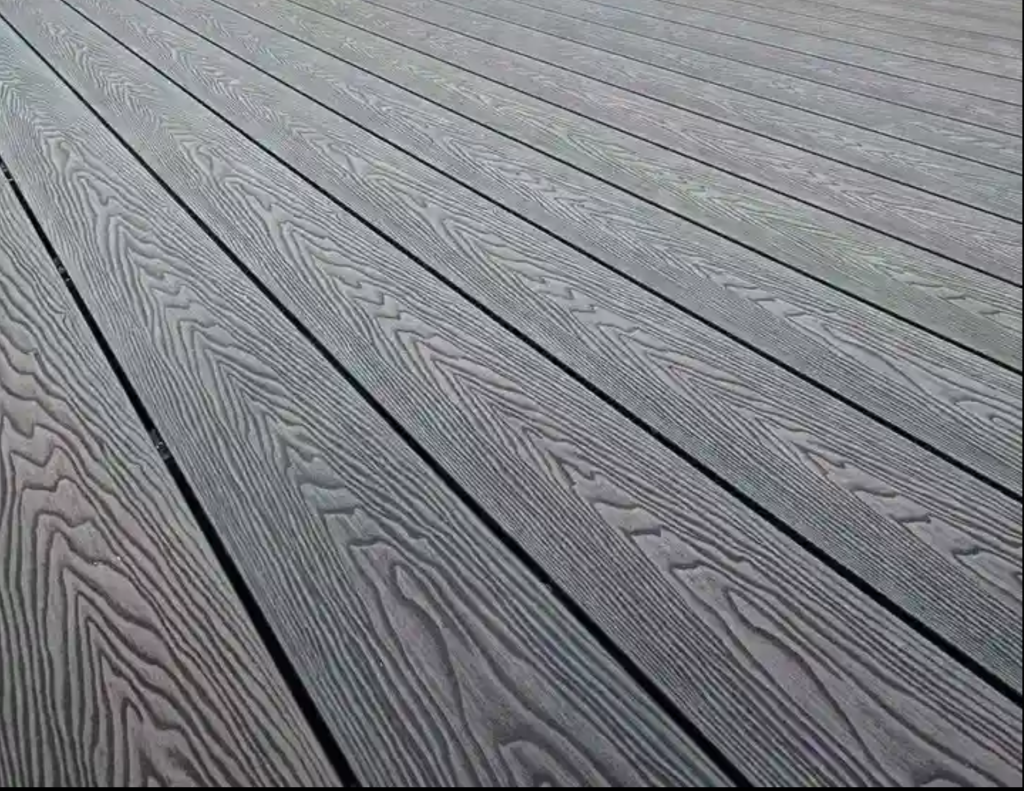
Dark composite decking typically includes colors like deep brown, rich espresso, charcoal gray, and even black. These shades can bring a sense of elegance and sophistication to your outdoor space, creating a stunning contrast with the natural surroundings.
Pros of Dark Composite Decking:
Luxurious and Modern Look: Dark colors add an upscale feel to any deck and are often associated with modern and contemporary designs.
Enhanced Curb Appeal: A dark deck can elevate the overall appearance of your property, boosting its curb appeal.
Better for Larger Spaces: Dark colors can make large decks appear cozier and more inviting.
Cons of Dark Composite Decking:
Heat Absorption: Dark colors absorb more heat, which can make the deck feel hotter underfoot in the summer, especially in areas with intense sun.
Visible Dirt and Debris: While dark decks can hide some stains, they may also show dirt, dust, and leaves more clearly, requiring more frequent cleaning.
Light Composite Decking
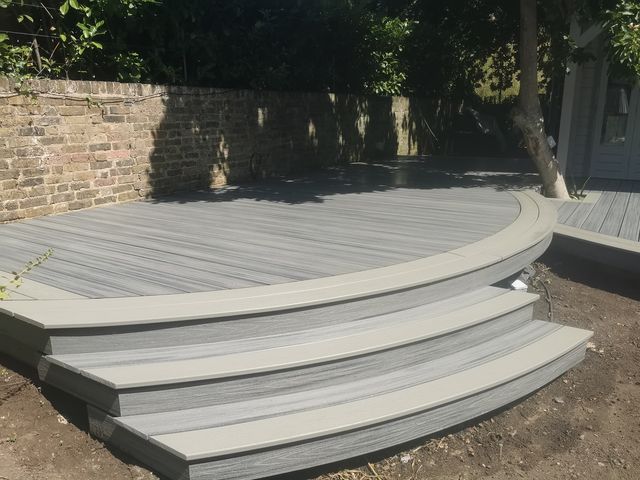
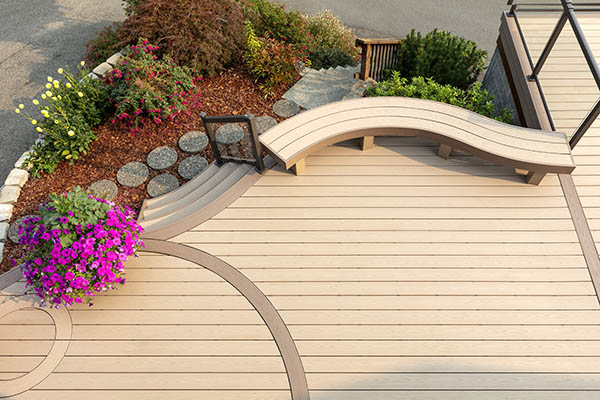
Light composite decking features colors like light gray, beige, tan, and lighter shades of brown. These lighter hues tend to provide a more open and airy look, creating a relaxed, beachy, or natural vibe.
Pros of Light Composite Decking:
Bright and Spacious Feel: Light colors reflect light, making smaller outdoor spaces feel larger and brighter.
Cooler Underfoot: Light colors absorb less heat, making them more comfortable to walk on during hot summer days.
Low Maintenance: Light decks typically show less dirt, debris, and dust, reducing the frequency of cleaning.
Cons of Light Composite Decking:
Less Dramatic Appeal: Light colors may not have the same dramatic or luxurious effect that dark composite decking provides.
Prone to Staining: Light-colored decking can be more prone to showing stains, especially from things like oil, food, and other spills.
Durability and Maintenance
Both dark and light composite decking are designed to be low-maintenance compared to traditional wood, but there are a few considerations when it comes to durability and upkeep.
Dark Composite Decking
Fade Resistance: Dark colors are often more resistant to fading over time. Manufacturers use advanced coating technology to ensure the color remains vibrant for years, even with exposure to UV rays.
Cleaning: Although dark composite decking hides some dirt and stains, it can require more frequent cleaning to maintain its appearance. The accumulation of dust, leaves, and debris can be more noticeable against the dark backdrop.
Scratches and Scrapes: Dark-colored decks may show scratches and wear more easily than light-colored decks. This is especially true for decks with a smooth, glossy finish.
Light Composite Decking
Color Fading: Lighter composite decking colors can fade more quickly than dark ones, especially when exposed to constant sunlight. However, advancements in composite technology have minimized this issue, so fading is less of a concern today than it was in the past.
Maintenance: Light-colored composite decks are often easier to maintain in terms of hiding small debris and dust. However, stains from oils, food, or other liquids may be more noticeable and require immediate cleaning.
Durability: Light composite decks are just as durable as dark ones, with similar resistance to mold, mildew, rot, and insects. The difference primarily lies in how the deck looks after prolonged exposure to the elements.
Temperature Considerations
One of the primary factors to consider when choosing between dark and light composite decking is temperature.
Dark Composite Decking: As mentioned earlier, dark colors absorb more heat. In regions with hot summers or constant sun exposure, dark composite decks can become quite warm to the touch, making them less comfortable to walk on barefoot. This could be a concern for homes with children or pets who spend time on the deck.
Light Composite Decking: On the other hand, light-colored decks reflect sunlight, which means they stay cooler underfoot. If you live in a region with high temperatures or direct sunlight, light composite decking might be a better choice for comfort.
Environmental Impact
The environmental impact of composite decking largely depends on the materials used and the manufacturing process. Both dark and light composite decking are typically made from recycled wood fibers and plastic, which helps reduce waste and protect natural resources.
Dark Composite Decking: Some manufacturers use darker pigments to achieve the rich hues of dark composite decking. These pigments may contain chemicals that are less eco-friendly compared to natural wood fibers. However, many companies are now adopting eco-conscious practices to minimize environmental harm.
Light Composite Decking: Lighter composite decking often uses natural colors or less intense dyes, which can be a more sustainable option. However, the differences in environmental impact between dark and light composite decking are generally minimal and depend more on the brand and specific materials used.
Cost Considerations
Pricing for composite decking can vary depending on the manufacturer, material quality, and color choice. In general:
Dark Composite Decking: Darker composite boards may be slightly more expensive due to the added cost of the pigments and materials used in their production. However, this cost difference is often negligible, and the price may vary by brand and location.
Light Composite Decking: Light-colored composite decking is usually priced similarly to dark composite options, though it could be more affordable in certain cases. Keep in mind that any price differences are minimal, and your decision should primarily be based on aesthetics and functionality rather than cost.
Best Use Cases for Dark and Light Composite Decking
When to Choose Dark Composite Decking
Large Outdoor Spaces: Dark composite decking works well in large spaces where you want to create a sense of intimacy or elegance. Its rich hues can add depth and sophistication to expansive decks.
Modern and Contemporary Designs: If you’re aiming for a sleek, modern look, dark composite decking is an excellent choice. It pairs beautifully with minimalist furniture and bold design elements.
Shady Areas: Dark composite decking is ideal for areas that receive partial shade, as the darker color won’t absorb as much heat and will blend harmoniously with the surroundings.
When to Choose Light Composite Decking
Smaller Decks or Patios: Light composite decking is perfect for smaller outdoor spaces, as it helps to make the area feel bigger and more open. Its light tones create a sense of spaciousness, making it ideal for city apartments, townhouses, or smaller yards.
Coastal or Beach Settings: If you’re designing a coastal or beach-style outdoor living area, light composite decking complements the natural surroundings and brings a laid-back, beachy feel.
Hot Climates: In areas with high temperatures, light composite decking can be more comfortable, as it stays cooler underfoot and reflects sunlight, making it more suitable for barefoot relaxation.
Conclusion
Choosing between dark composite decking and light composite decking from Hosung ultimately depends on your personal preferences, the style of your home, your climate, and how you want your outdoor space to feel. Both options offer the durability, low-maintenance benefits, and aesthetic appeal that composite decking is known for.
If you’re looking for a modern, luxurious feel and don’t mind a little extra heat during the summer, dark composite decking is a fantastic option.
If you prefer a brighter, cooler, and more spacious look, or if you live in a hot climate, light composite decking might be the best choice for your deck.
In the end, the decision comes down to your specific needs, but both options offer long-term value and an attractive, functional outdoor living space.