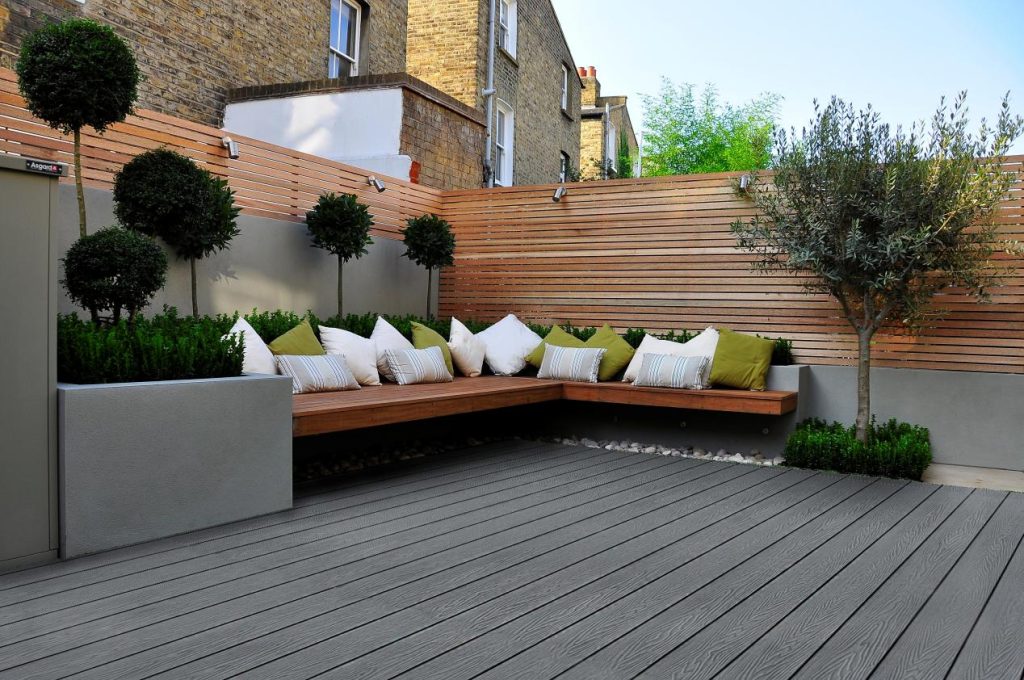
When planning an outdoor living space, one of the most common questions homeowners ask is: does composite decking get hotter than wood? With the increasing popularity of composite decking over traditional wood, understanding the temperature behavior of these materials is crucial. Not only does it affect comfort when walking barefoot, but it also influences the long-term durability and maintenance of your deck. In this article, we will explore the factors that determine deck surface temperature, compare composite decking and wood, and provide practical tips for keeping your outdoor space comfortable during hot weather.
Table of Contents
Understanding the Basics: Composite Decking vs Wood
Before diving into temperature differences, it’s important to understand what composite decking and wood decking are.
Wood decking is made from natural lumber, such as cedar, redwood, or pressure-treated pine. Its natural structure includes moisture and air pockets, giving it inherent insulating properties.
Composite decking, on the other hand, is a manufactured material made from a combination of wood fibers or flour and plastic polymers. Sometimes additional materials like color pigments, UV inhibitors, and protective coatings are added to enhance durability and appearance. The result is a low-maintenance deck that resists rot, splintering, and insect damage.
Because composite decking contains plastic, it behaves differently than wood when exposed to sunlight, especially in terms of heat absorption.
Factors That Affect Deck Surface Temperature
Whether a deck gets hot in the sun depends on multiple factors, not just the material itself. Here are the main considerations:
1. Material Composition
Wood: Natural wood has lower thermal conductivity than plastic-rich composites, meaning it absorbs and transfers heat more slowly. The natural moisture content in wood can also help moderate surface temperature.
Composite: Plastic-based composites tend to absorb more heat, especially darker-colored boards. The density and type of polymer used can further influence how quickly the surface warms up.
2. Color
Color has a major impact on surface temperature. Darker decks, whether wood or composite, will absorb more sunlight and become hotter than lighter ones. For example, a dark brown composite deck will typically feel hotter underfoot than a light beige or gray board.
3. Board Finish and Surface Texture
Some composite decks are capped with a protective layer that includes UV-resistant coatings. These coatings can help reduce heat absorption. In contrast, rough or unfinished surfaces may retain more heat due to the way sunlight interacts with the material.
4. Ambient Temperature and Sun Exposure
Direct Sunlight: Decks exposed to full sun for most of the day will inevitably get hotter.
Shaded Areas: Placing furniture, pergolas, or shade sails over a deck can significantly reduce surface temperatures.
5. Moisture Content and Weather Conditions
Wood decks: When freshly watered or after rain, wood boards may feel cooler due to retained moisture.
Composite decks: These boards typically have low moisture content and dry faster, meaning they can heat up more quickly under the sun.
Comparing Temperature: Composite Decking vs Wood
Now, let’s address the core question: does composite decking get hotter than wood?
Studies and practical observations show that composite decks generally do get hotter than natural wood decks under direct sunlight. The plastic components in composite boards absorb heat more readily than wood fibers. Additionally, because composites often have less moisture content than wood, there is less natural cooling through evaporation.
For example, on a sunny summer day:
A natural cedar or redwood deck might reach temperatures around 90–105°F (32–40°C).
A dark-colored composite deck under the same conditions could easily reach 120°F (49°C) or higher.
This difference can make a noticeable impact for barefoot walking, especially for children and pets.
Factors Mitigating the Heat Difference
Not all composites are created equal. Some newer composite boards are engineered with “cool decking” technology, such as:
Light-colored boards that reflect sunlight.
Special surface coatings that reduce heat absorption.
Capstock technology where the plastic surface layer is designed to stay cooler than traditional composites.
While these innovations help, it’s still common for composite decks to be warmer than natural wood under intense sun.
Practical Implications of Hot Decks
Understanding that composite decking can get hotter than wood leads to several practical considerations for homeowners:
1. Barefoot Comfort
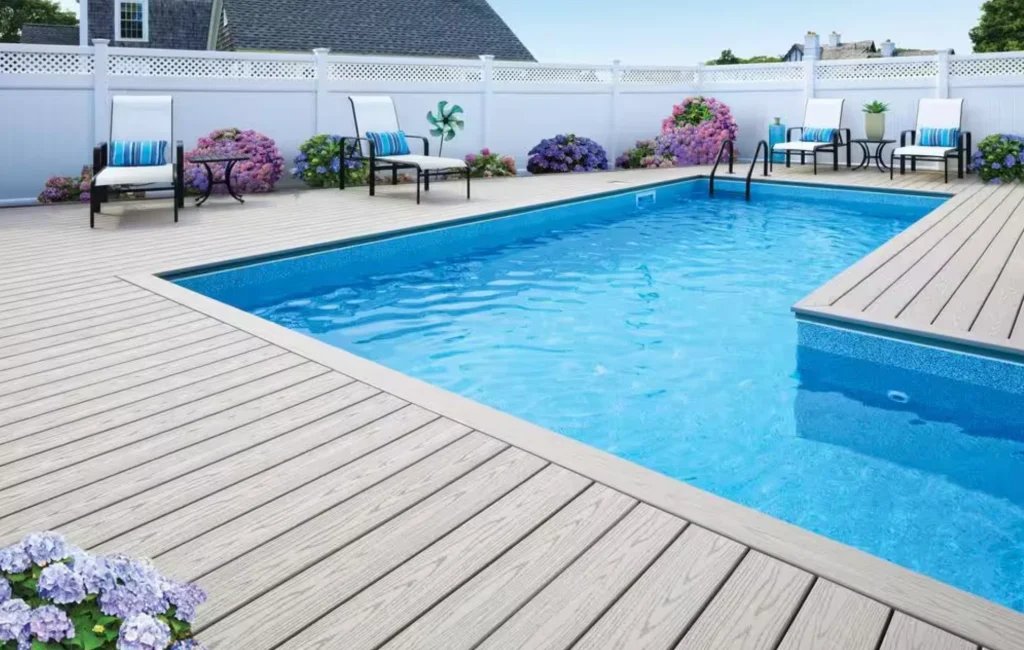
If you plan to walk barefoot often, especially around a pool, a hotter deck surface can be uncomfortable or even unsafe. Consider lighter-colored boards or adding shade structures.
2. Safety for Children and Pets
Pets and children are more susceptible to hot surfaces. High temperatures on composite decks may cause paw burns or discomfort for bare feet, making shading or cooling solutions more important.
3. Outdoor Furniture Placement
Hot decking can also affect outdoor furniture. Plastic or metal furniture left on hot composite decks may become uncomfortable to touch or leave marks on the board surface over time.
4. Expansion and Maintenance
Extreme heat can cause composite boards to expand slightly, though they are designed with expansion gaps to accommodate this. Excessive heat over long periods may accelerate fading or require periodic inspection for warping.
Ways to Keep Composite Decking Cooler
Even if composite decks tend to get hotter than wood, there are practical strategies to mitigate heat accumulation:
1. Choose Lighter Colors
Lighter colors reflect sunlight and absorb less heat than dark shades. Beige, light gray, and other neutral tones tend to stay cooler.
2. Use Shade Structures
Pergolas, umbrellas, or awnings can reduce direct sunlight and lower surface temperatures significantly. Even partial shading helps.
3. Apply Cool Deck Coatings
Some coatings or sealants are specifically designed to reflect UV rays and reduce surface heat. These can be applied periodically to extend the comfort of your deck.
4. Opt for Ventilated Decking
Proper airflow beneath the deck can help dissipate heat. Elevated decks or designs with airflow channels underneath can reduce overall temperature.
5. Plan Board Orientation
Installing boards perpendicular to the sun’s path during peak hours can minimize the amount of sunlight hitting the surface directly, slightly lowering temperatures.
6. Incorporate Natural Landscaping
Trees, shrubs, and vines can act as natural sun shields, reducing the heat absorbed by decking surfaces.
Why Composite Decking Still Wins Despite Heat
Even though composite decking can get hotter than wood, it remains a popular choice for many homeowners due to several advantages:
Low Maintenance: No sanding, staining, or sealing is needed like with wood.
Durability: Resistant to rot, insects, and splintering.
Longevity: Composite decks typically last 20–30 years with proper care.
Variety of Colors and Styles: More consistent appearance over time compared to natural wood, which can fade or warp.
The heat issue, while real, can often be managed with proper design choices and shading solutions.
Key Takeaways
To summarize the discussion:
Yes, composite decking generally gets hotter than wood, especially under direct sunlight and when using darker-colored boards.
The material composition, color, surface finish, and environmental conditions all play a role in surface temperature.
Heat can affect barefoot comfort, pet safety, and even furniture placement, but it does not usually compromise the structural integrity of composite boards.
Practical solutions like lighter colors, shade structures, reflective coatings, and proper ventilation can significantly reduce deck surface temperatures.
By considering these factors during planning and installation, homeowners can enjoy the benefits of composite decking while minimizing the impact of heat.
Conclusion
If you’ve been debating between wood and composite decking, the question does composite decking get hotter than wood is an important one. While composite materials tend to absorb more heat, their low maintenance, durability, and variety of design options make them an appealing choice for many homeowners.
By taking smart steps—choosing lighter colors, providing shade, and considering reflective coatings—you can enjoy a composite deck that looks beautiful, lasts for decades, and stays comfortable even on sunny summer days.
For those seeking professional-grade composite decking, Hosung offers a range of high-quality, durable boards designed with heat management in mind. As a dedicated composite decking manufacturer, we provide solutions that balance comfort, aesthetics, and long-term performance.