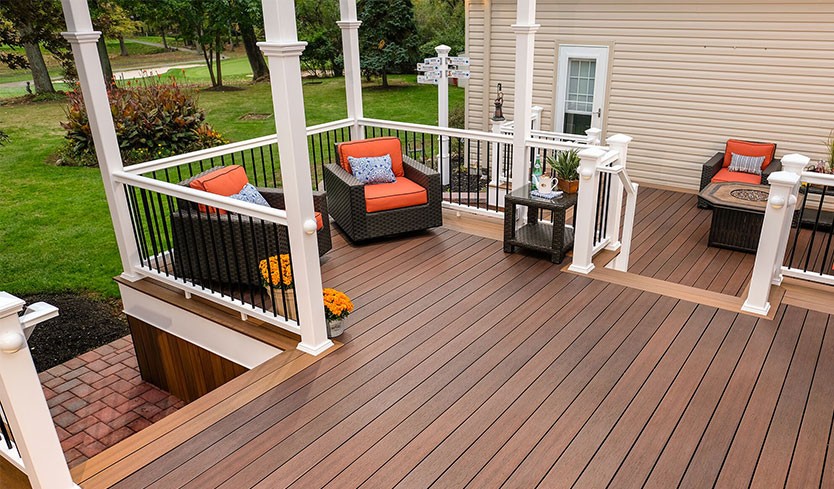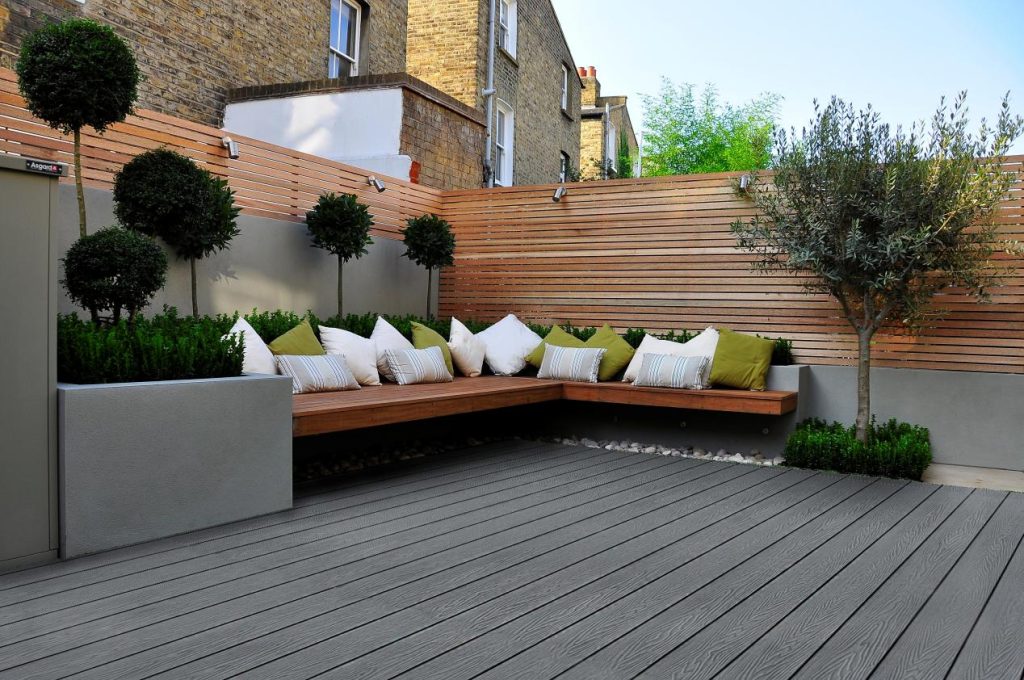
Composite decking has become one of the most popular choices for modern outdoor living spaces. Homeowners, builders, and designers increasingly turn to composite decks because they offer the natural beauty of wood without many of wood’s maintenance headaches. Among the many brands available worldwide, Dura Composite Decking and Hosung Composite Decking stand out as two highly regarded options. This article offers a professional, detailed comparison of these two products, exploring their materials, performance, aesthetics, installation, cost, durability, warranty, and eco‑credentials.
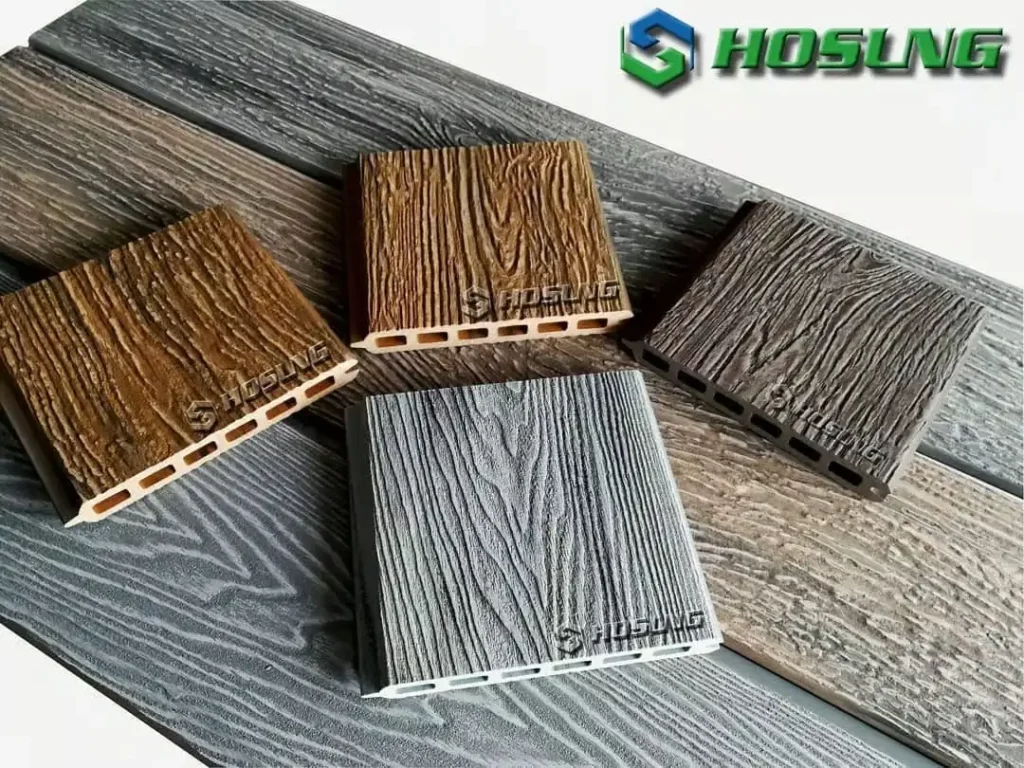
Table of Contents
Introduction to Composite Decking
Composite decking is a manufactured decking material composed of wood fibers, plastic resins, and additives. By combining these elements, composite decking delivers enhanced durability, resistance to rot and insects, low maintenance requirements, and long‑lasting beauty. The popularity of composite decking has soared in recent years as consumers seek sustainable alternatives to traditional timber decking.
Two brands frequently compared in the global decking market are Dura Composite Decking and Hosung Composite Decking. Each has unique features, strengths, and ideal applications. Understanding the differences between them helps builders, architects, and homeowners choose the right solution for their project goals.
Brand Overviews
Dura Composite Decking
Dura Composite Decking is widely recognized for its high-performance decking profiles engineered to withstand demanding outdoor environments, including intense sunlight, heavy rainfall, and temperature fluctuations. The brand offers a diverse selection of colors, surface textures, and board dimensions, making it suitable for both residential and commercial decking applications such as private gardens, balconies, public walkways, and hospitality projects.
Dura’s core development philosophy centers on consistent product quality, advanced weather resistance, and installation efficiency. Many Dura composite decking boards are designed with precision-controlled manufacturing processes to ensure uniform thickness, stable structural performance, and compatibility with modern hidden fastening systems. This focus allows installers to achieve clean, professional results while reducing labor time and long-term maintenance requirements.
Hosung Composite Decking
Hosung Composite Decking is manufactured by Wuhu Haoxuan Wood Plastic Composite Co., Ltd., an established and experienced company in the WPC (Wood Plastic Composite) industry. The brand places strong emphasis on delivering a natural wood-like appearance, balanced with durable material composition and cost-effective pricing.
Hosung decking products are designed to meet the practical needs of a wide range of outdoor applications, offering reliable strength, moisture resistance, and dimensional stability. With a strong presence in international markets, Hosung Composite Decking is frequently selected for projects where aesthetic appeal, functional performance, and affordability must be carefully balanced. This makes it a popular option for residential developments, landscape projects, and budget-conscious commercial installations.
Composition and Material Technology
The foundational difference between composite decking products typically lies in their formulation. Composite boards generally fall into two categories: capped composite and uncapped (standard) composite.
3.1 Dura Composite Decking Composition
Dura Composite Decking often uses advanced composite formulations featuring:
High‑density polyethylene (HDPE) or polypropylene: Provides structural strength and weather resistance.
Wood fibers or bamboo fibers: For natural texture and stabilizing the composite structure.
UV‑resistant cap layer (in capped boards): Protects against fading, staining, and surface mold.
Additives: Anti‑fungal agents, color pigments, and performance enhancers.
Many Dura boards come with a co‑extruded cap layer (in capped composite versions), which delivers superior protection against fading and staining compared with traditional uncapped composite boards.
3.2 Hosung Composite Decking Composition
Hosung Composite Decking primarily uses:
Wood flour or sawdust blended with plastic resin
Polyethylene or polypropylene base materials
Additives for weather resistance
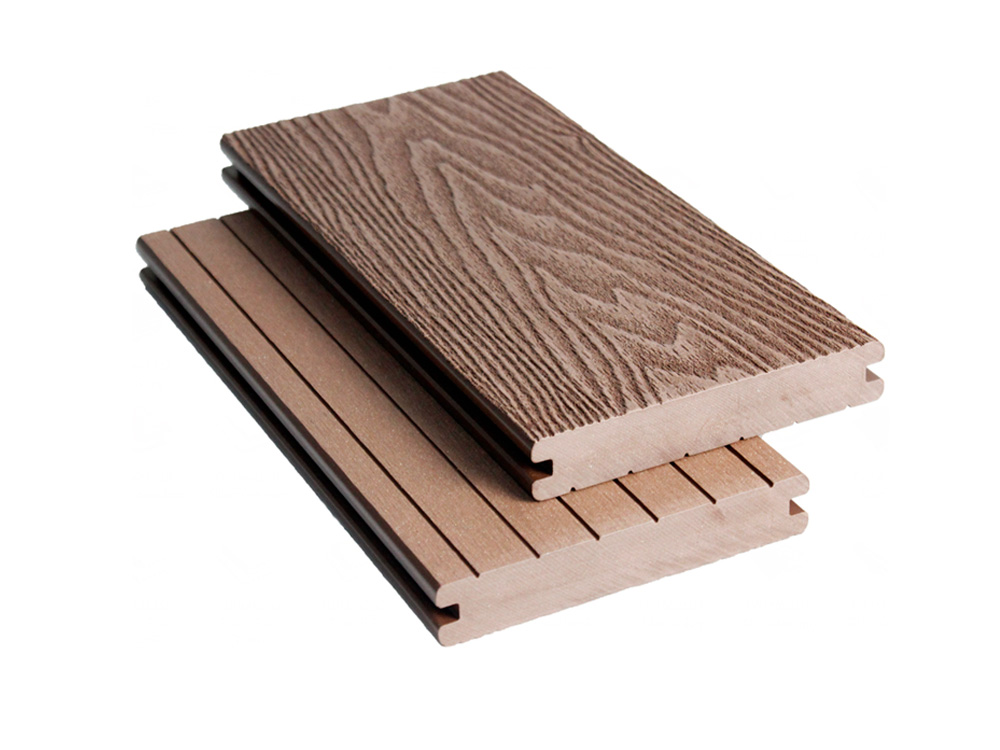
Most Hosung boards come as standard WPC composite decking. Some product lines include melamine coatings or surface embossing for a more refined finish, but generally, the cap technology is less advanced than Dura’s top‑end capped profiles.
Appearance and Aesthetics
A deck’s visual appeal is critical—especially for residential outdoor living spaces.
4.1 Dura Composite Decking Aesthetics
Dura Composite Decking:
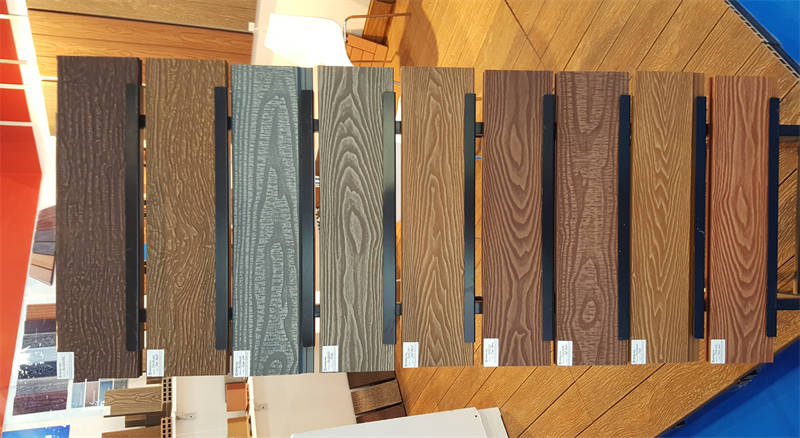
Offers a wide palette of natural wood tones (e.g., teak, walnut, driftwood gray).
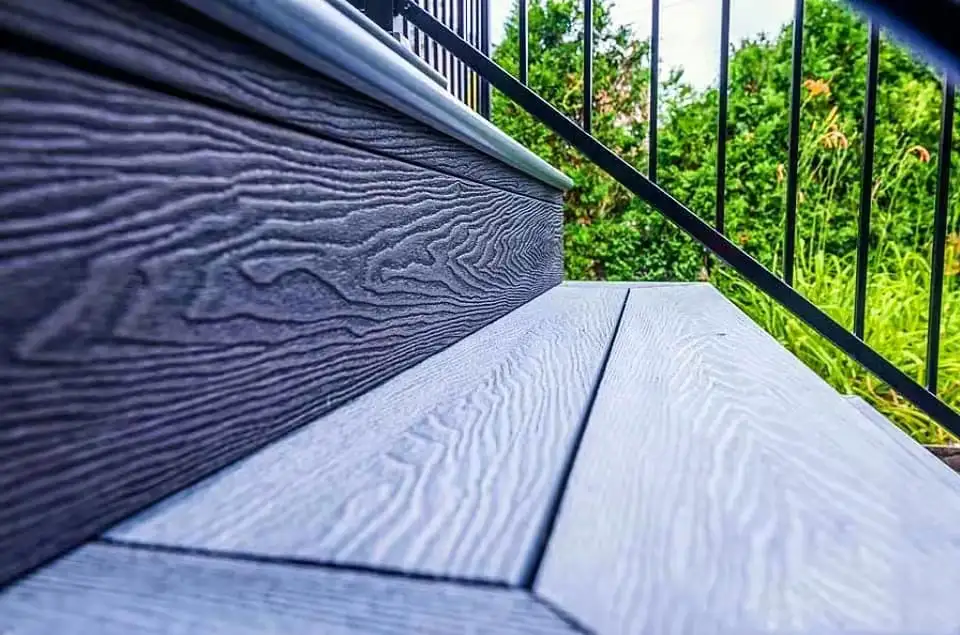
Often features embossed grain textures or PVC‑capped surfaces that mimic real wood.
Consistent color distribution due to advanced manufacturing processes.
Some product lines offer multi‑tone streaking or enhanced grain definition.
4.2 Hosung Composite Decking Aesthetics
Hosung Composite Decking:
Provides classic wood‑grain textures.
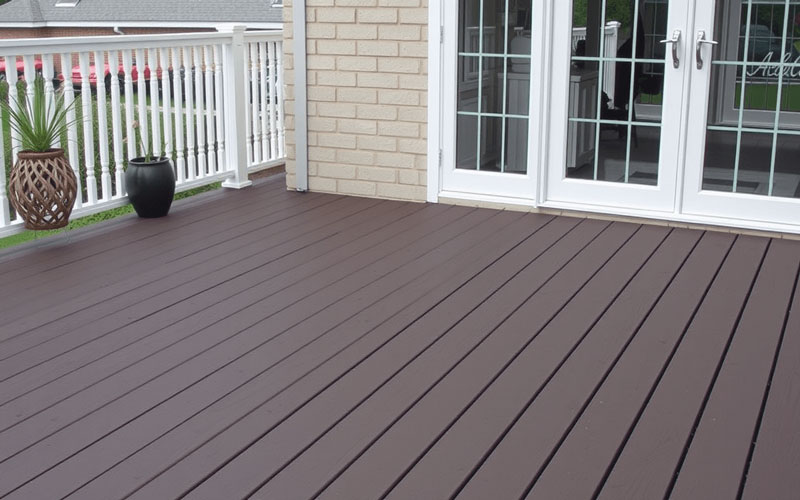
Color range includes earth tones, browns, and grays suitable for many design schemes.
Surface finish looks natural and blends well with landscaping.
Slight variability in tone, which some homeowners prefer for an organic look.
Visual Comparison
| Feature | Dura Composite Decking | Hosung Composite Decking |
|---|---|---|
| Available Colors | Wide range with multi‑tone effects | Solid earthy hues |
| Texture Options | Advanced wood grain & embossed textures | Natural wood grain |
| Realistic Aesthetic | High | Moderate to high |
| Consistency Across Boards | Very high | High |
Performance: Strength and Durability
A composite deck must perform in all seasons, resisting moisture, UV exposure, insects, and physical wear.
5.1 Weather Resistance
Dura Composite Decking features UV‑resistant materials and, in many profiles, a capped layer to prevent fading and extend color life.
Hosung Composite Decking is engineered to resist rot and moisture but generally lacks the higher‑end cap layer found in premium composites.
5.2 Moisture and Mold Resistance
Both decking types perform well against moisture and mold compared with traditional wood. However, cap‑enhanced boards like many from Dura exhibit superior moisture management.
5.3 Load Capacity and Structural Strength
Composite decking strength depends on formulation and board thickness:
Dura boards often come in thicker profiles with improved structural capacity.
Hosung boards offer reliable strength but may require closer joist spacing for heavier loads.
Performance Summary Table
| Performance Metric | Dura Composite Decking | Hosung Composite Decking |
|---|---|---|
| UV Resistance | Excellent (capped) | Good |
| Fade Resistance | High | Moderate to high |
| Moisture Resistance | Excellent | Good |
| Mold & Mildew Resistance | High | High |
| Strength / Load Bearing | High | Moderate to high |
| Expansion / Contraction Control | Advanced formulations reduce movement | Standard performance |
Installation and Maintenance
One of the key advantages of composite decking is reduced maintenance versus wood. Yet installation ease and long‑term care vary by product.
6.1 Installation: Dura Composite Decking
Dura decking is compatible with both hidden fasteners and exposed screws. Its consistent board quality and precise manufacturing allow:
Easy planing and cutting with conventional woodworking tools.
Uniform board thickness for flush installation.
Compatibility with standard deck framing practices.
Optional grooved edges for concealed fasteners.
6.2 Installation: Hosung Composite Decking
Hosung decking also installs with standard methods:
Can use hidden fasteners or exposed screws.
Slight variations in board thickness may require careful leveling.
Boards cut and drilled with normal composite board techniques.
6.3 Maintenance Comparison
Both products deliver low maintenance compared with wood, but there are differences:
Dura Composite Decking Maintenance
Requires only periodic cleaning with soap and water.
Stain removal is easier thanks to the capped surface.
No sealing, staining, or painting.
Hosung Composite Decking Maintenance
Regular cleaning recommended.
Surface may absorb stains slightly more than capped composites.
No sealing or painting, like Dura, but deeper cleaning may be needed for spills.
| Maintenance Factor | Dura Composite Decking | Hosung Composite Decking |
|---|---|---|
| Cleaning Frequency | Low | Low |
| Stain Resistance | High (capped) | Moderate |
| Long‑term Maintenance | Minimal | Minimal |
| Surface Repair | Surface resistant | Standard |
Warranty and Long‑Term Confidence
Warranties provide buyers with assurance about product longevity.
Dura Composite Decking typically offers industry‑leading warranties that may cover fade, stain, and structural integrity for 10–25 years depending on product line and region. Some premium boards exceed 25 years.
Hosung Composite Decking warranties are competitive but generally slightly shorter or narrower in coverage compared with Dura’s top‑tier capped boards.
Note: Warranty terms vary by distributor, region, and product series. Always review the specific warranty documents before purchase.
Cost Analysis
Cost is a significant factor in decking decisions. Composite decking costs more upfront than standard wood decking but pays off in lower maintenance and longer lifespan.
8.1 Dura Composite Decking Cost
Dura’s premium composite products often fall into the upper mid‑range to high end of the composite decking price spectrum. The capped composites with advanced finishes command higher prices, reflecting performance and appearance.
8.2 Hosung Composite Decking Cost
Hosung’s products are typically mid‑range in cost. They deliver strong value for money with natural aesthetics and reliable performance. For budget‑conscious builders or large projects, Hosung may offer cost advantages.
8.3 Cost Comparison Table
| Cost Component | Dura Composite Decking | Hosung Composite Decking |
|---|---|---|
| Material Cost | Mid‑High to High | Mid‑Range |
| Installation Labor | Standard | Standard |
| Maintenance Cost Over Time | Low | Low |
| Life‑Cycle Value | High | Good |
Environmental and Sustainability Factors
Sustainability is important for many homeowners and designers.
Dura Composite Decking
Many Dura boards use recycled plastics and wood fibers.
Long service life reduces replacement waste.
Some products are eligible for green building certifications.
Hosung Composite Decking
Also uses recycled wood flour and plastics.
Typically recyclable at end of life.
Environmentally friendly compared with pressure‑treated wood.
Both brands contribute to sustainable decking solutions by reducing demand for virgin timber and offering long‑lasting outdoor materials.
Real‑World Applications and Use Cases
Selecting the right decking depends on the project type and priorities.
10.1 Residential Outdoor Living Spaces
Dura Composite Decking excels for homeowners seeking premium appearance, low maintenance, and high longevity.
Hosung Composite Decking suits residential projects where budget sensitivity and natural wood appeal are priorities.
10.2 Commercial Decking and High‑Traffic Areas
Dura Composite Decking, with its higher capacity and weather resistance, often performs better in commercial environments such as rooftop terraces, restaurants, or community spaces.
Hosung can perform well in moderate‑traffic commercial areas but may require careful design for heavy loads.
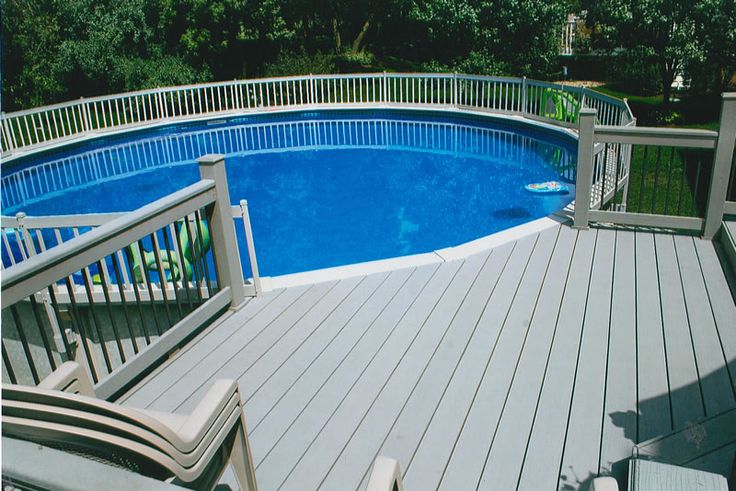
10.3 Poolside or Coastal Environments
Given the humidity, salt exposure, and splash conditions:
Dura’s capped composites offer enhanced moisture and UV resilience.
Hosung decking performs well but may require more frequent cleaning near pools or marine environments.
Pros and Cons Summary
Dura Composite Decking
Pros:
Premium capped composite options
Excellent fade and stain resistance
Strong structural performance
Wide range of aesthetic styles
Longer warranties
Cons:
Higher upfront cost
Some premium options may exceed budget for smaller projects
Hosung Composite Decking
Pros:
Strong value for money
Natural look and feel
Reliable durability
Good choice for budget‑minded projects
Cons:
Limited advanced cap technology
Slightly lower performance in extreme environments
Final Considerations: Which One Should You Choose?
The choice between Dura Composite Decking and Hosung Composite Decking ultimately depends on your project goals, budget, and performance priorities.
Choose Dura Composite Decking if you want:
Superior long‑term color retention and resistance to stains.
A broad selection of premium aesthetics.
Strong performance in demanding climates.
Best possible warranty coverage.
Choose Hosung Composite Decking if you want:
Excellent value for a competitive price.
A natural wood look with reliable performance.
A solid choice for mid‑range residential and light commercial use.
Conclusion
Both Dura Composite Decking and Hosung Composite Decking represent strong offerings in the composite decking market. While Dura’s premium capped boards deliver unmatched performance and extended durability, Hosung’s products provide excellent value and natural aesthetics suitable for a wide range of projects.
Your decision should consider the specific environment, design goals, expected foot traffic, budget, and maintenance preferences. By understanding the strengths and limitations of each option, you can choose the decking solution that best aligns with your outdoor living vision.