Composite decking has grown tremendously in global popularity as an environmentally friendly, long-lasting alternative to traditional wood decking. Two of the most discussed names in the industry are Eco Composite Decking and Hosung Decking. While both brands fall under the broader category of composite decking, they differ significantly in aspects like composition, performance, environmental sustainability, cost, aesthetics, installation, warranties, and target markets. This article provides a thorough comparison between Eco Composite Decking and Hosung Decking, helping homeowners, builders, architects, and landscape designers understand which option might be the best choice for their next outdoor decking project.
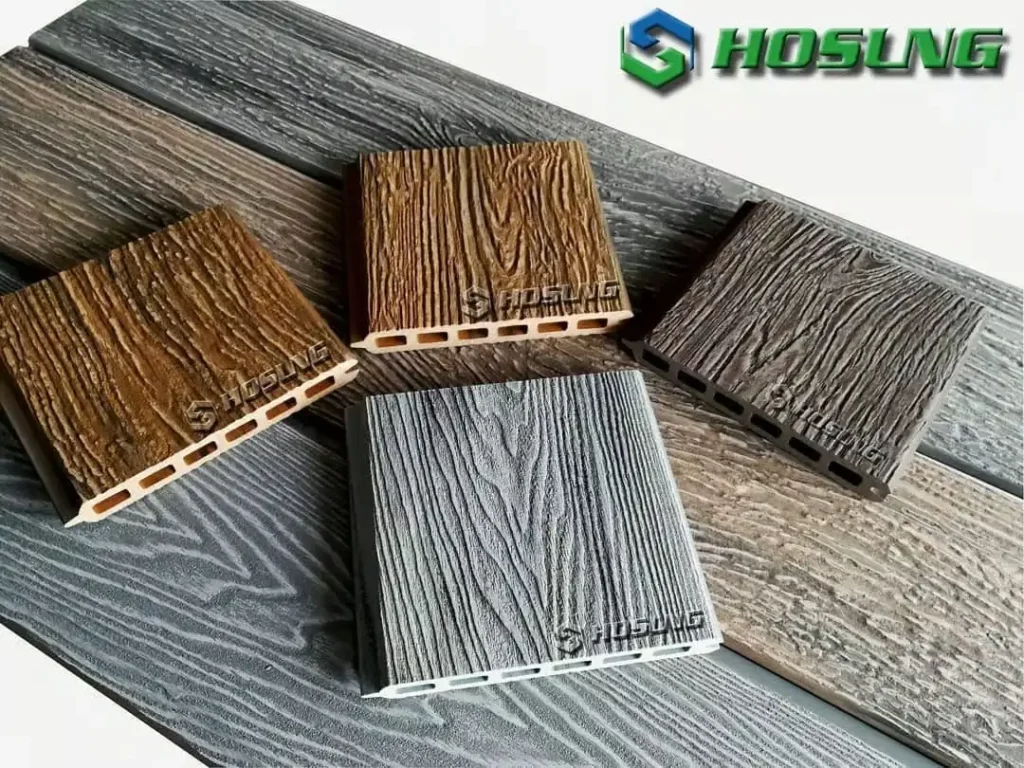
Table of Contents
What Is Composite Decking?
Before comparing the two brands, it’s important to understand what composite decking is.
Composite decking is a manufactured deck board made from a blend of wood fibers (or other plant fibers) and plastic polymers. Unlike natural wood, which often needs frequent staining, sealing, and maintenance, composite decking is engineered to resist rot, fading, splitting, and insect damage.
Composite decking typically falls into several categories:
Wood-Plastic Composite (WPC): A blend of wood (or bamboo) fibers and plastic; softer, often used for residential decking
Capped Composite: Composite core with a protective polymer shell for superior fade and stain resistance
High-Performance Polymer Composite: Often more durable and resistant to temperature or moisture conditions
Both Eco Composite Decking and Hosung Decking claim advantages in sustainability and performance, but each brand’s approach and tech differ.
Brand Overview: Eco Composite Decking and Hosung Decking
Eco Composite Decking
Eco Composite Decking refers broadly to composite decking that emphasizes environmental sustainability. The term “Eco” here may represent brands or product lines that:
Use recycled materials such as reclaimed wood waste, recycled plastics, agricultural residues, rice husk, sugarcane bagasse, etc.
Are manufactured using low-emission processes
Are recyclable at end of life
Minimize carbon footprint
Eco Composite Decking isn’t always one specific product brand, but rather a category of environmentally focused composite decking made with sustainability and performance in mind.
Typical characteristics:
Recycled HDPE plastic or recycled wood fiber base
Reduced use of virgin materials
Designed for low environmental impact
Often positioned as a green alternative in residential and commercial projects
Eco Composite Decking products are widely available from multiple manufacturers, each emphasizing “eco” credentials like low VOCs, recyclability, and sustainable sourcing.
Hosung Decking
Hosung Decking refers specifically to products from Hosung — a well-known composite decking manufacturer based in Asia (primarily Korea and China), recognized for:
Large-scale manufacturing capability
A wide range of decking profiles and accessories
Competitive pricing
Global distribution
Innovation in composite formulas and processing
Hosung’s product lines typically feature:
Wood-plastic composite boards with added polymer shells (capped composite)
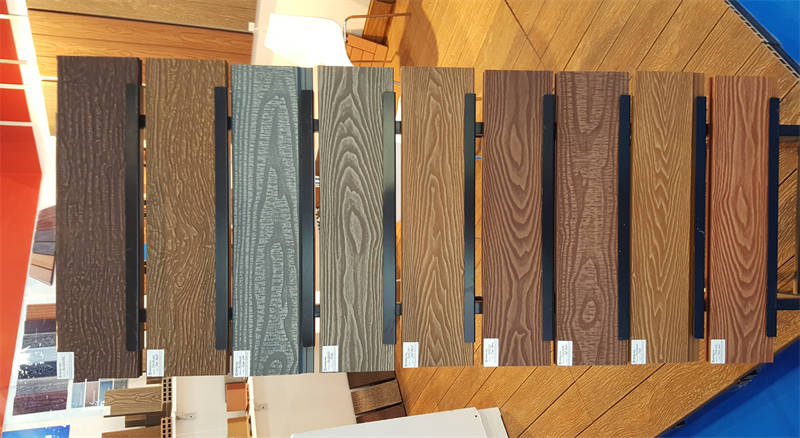
Diverse colors and surface textures
Systems for hidden fasteners and installation accessories
Options for different climates and applications
While Hosung Decking also may incorporate recycled materials, its focus extends to performance, price, variety, and global market reach, rather than strictly eco credentials.
Material Composition: Eco vs Hosung
Eco Composite Decking Composition
Eco Composite Decking attempts to balance performance with environmental consideration. Common aspects of eco composite formulas include:
Recycled Core Materials:
Recycled HDPE or LDPE plastic (post-consumer or post-industrial)
Reclaimed wood fibers, bamboo fibers, rice husk, or other plant fibers
Agricultural waste materials
No or Reduced Virgin Plastic:
Lower use of virgin polypropylene or polyethylene
Higher recycled content percentage
Additives for Performance:
UV stabilizers
Moisture-resistance agents
Anti-mold and anti-fungal additives
Because eco composites use high proportions of recycled content, their density and mechanical performance can vary from brand to brand. Some use more plant fiber (soft), while others aim for a balanced ratio to match traditional composite strength.
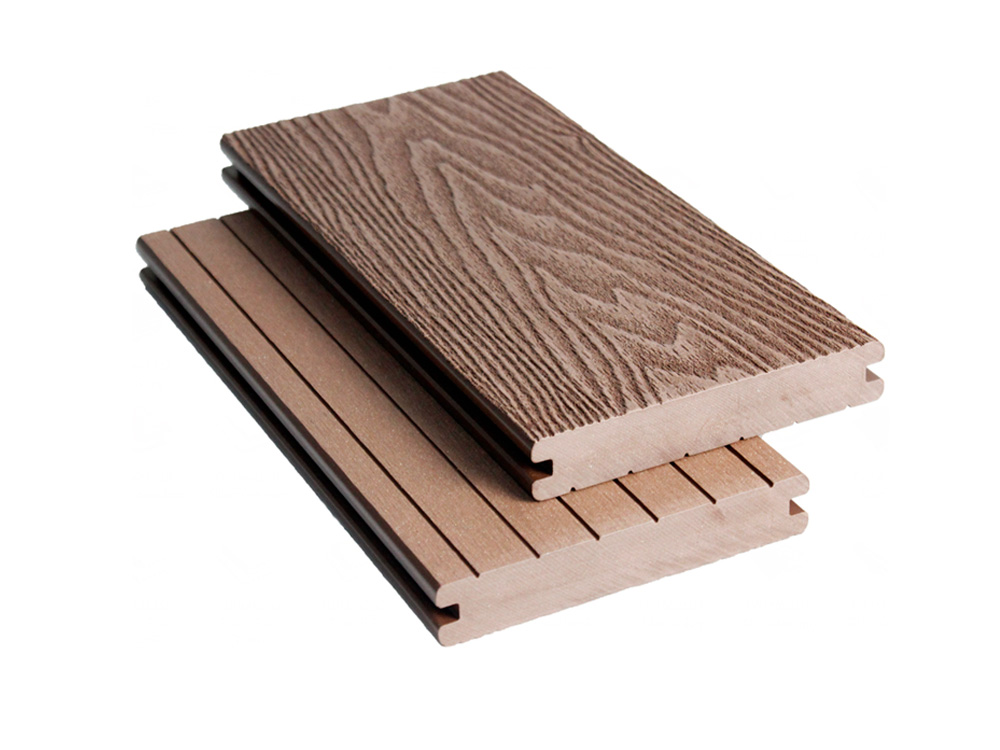
Hosung Decking Composition
Hosung Decking typically uses a more engineered composite profile, often featuring:
Composite Core:
Wood flour / fiber + thermoplastic polymer blends (HDPE or PP)
Balanced ratio for strength and durability
Capping Layer:
Many Hosung boards include a polymer cap, offering:
Superior UV resistance
Higher moisture protection
Enhanced color durability
Performance Enhancers:
Impact modifiers
Anti-slip surface additives
Enhanced wear resistance
The presence of a capped surface generally makes Hosung decking more durable and consistent in performance compared to uncapped eco composites.
Environmental Impact and Sustainability
Eco Composite Decking Sustainability
Eco Composite Decking’s biggest selling point is environmental friendliness:
Recycled content: Many eco boards boast high percentages (50–95%) of recycled plastics or fibers
Waste reduction: Uses reclaimed wood or agricultural waste otherwise destined for landfill
Lower carbon footprint: Some are manufactured with renewable energy or reduced emissions
Recyclability: Board materials can often be recycled again at end of service life
No harmful chemicals: Low VOCs, no arsenic or creosote as found in pressure-treated lumber
Eco composite decking often achieves certifications like:
LEED points
BREEAM
Green building materials listings
Local sustainability standards (varies by region)
These certifications improve the product’s value in green construction projects and eco-centric design.
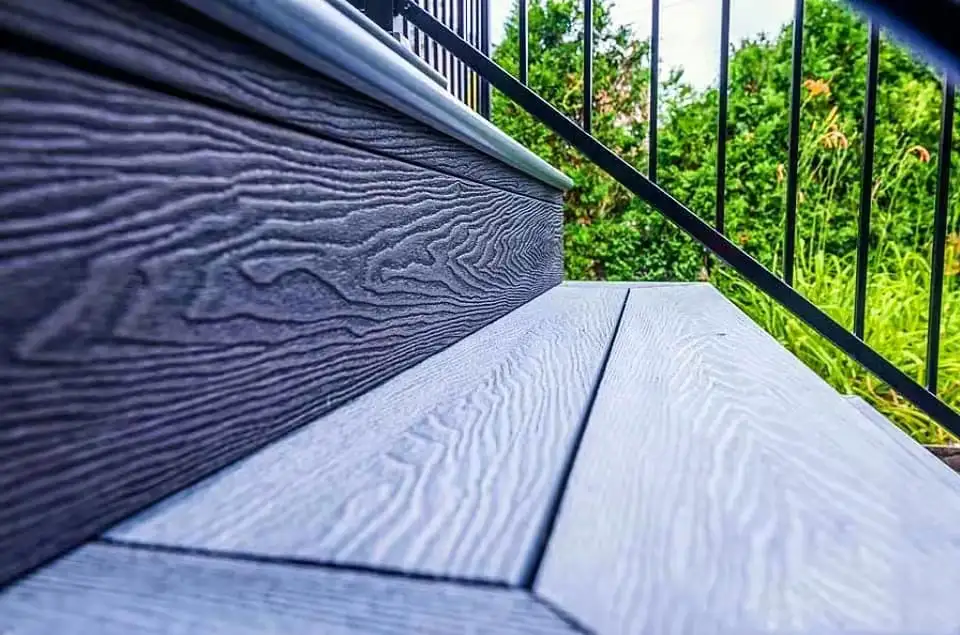
Hosung Decking Sustainability
Hosung decking can also be environmentally responsible, but the level depends on product line and manufacturing process:
Uses recycled wood flour or recycled plastics in many formulations
Manufacturing waste can be minimized through closed-loop systems
Capped composite boards may be less recyclable due to the polymer shell
Hosung’s sustainability tends to emphasize efficient production and durability — which indirectly lowers environmental impact by extending product life and reducing maintenance. However, the eco claims may not be as strong or as widely certified as some specialty eco composites.
Performance: Strength, Durability, and Lifespan
Eco Composite Decking Performance
Because eco composites vary widely by manufacturer, their performance also varies. Common performance traits include:
Strength and Load Bearing:
Lower density eco composites may have slightly less structural strength than highly engineered composites
Suitable for standard residential decking loads
Durability:
Resistant to rot, insects, and moisture
Performance depends on quality of recycled materials and binders
UV and Color Stability:
Some eco composites fade more quickly
High-end eco products add UV stabilizers or surface treatments to mitigate fading
Thermal Expansion:
Composite decking expands with heat; eco boards may expand more if lighter in composition
Proper spacing and installation practices are critical
Lifespan:
Typically lasts 10–25+ years depending on product quality, installation, and environment
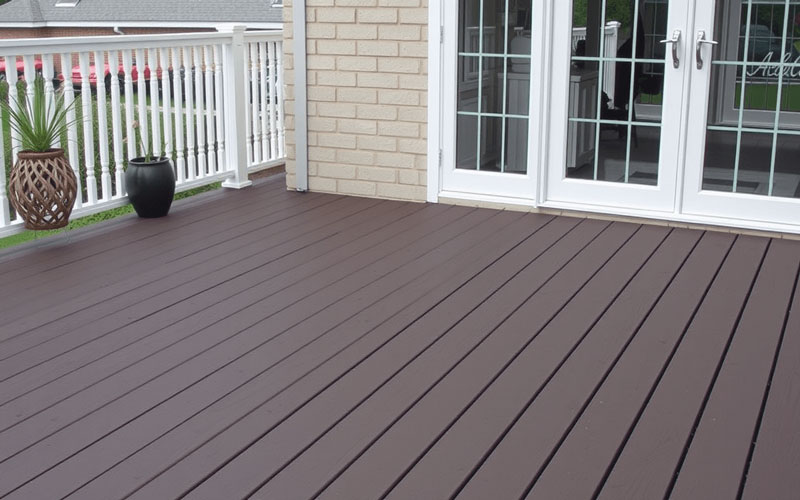
Hosung Decking Performance
Hosung decking is engineered for consistent, long-term performance:
Strength:
Strong structural performance suited for heavy use
Suitable for residential, commercial, and poolside applications
Surface Durability:
Capped boards show higher resistance to scratches, stains, and foot traffic
Enhanced wear resistance improves appearance over time
UV Protection:
Cap layer with UV stabilizers resists color fading and chalking
Maintains aesthetic appeal longer than many uncapped eco boards
Moisture Resistance:
Cap layer also protects core from water infiltration
Reduced risk of swelling or cupping
Lifespan:
Typically 25–30+ years with proper installation
Aesthetic Comparison
Design and aesthetics are major factors in decking choice:
Eco Composite Decking Aesthetics
Natural Look & Feel:
Many eco boards aim for a natural wood look
Grain patterns may be less pronounced
Color Range:
Earth tones and wood-like colors common
Fewer premium or exotic color options
Texture & Finish:
Some products have a smooth finish
Limited deep-grain or hand-scraped texture compared to premium boards
Appearance Over Time:
Can develop slight graying due to UV exposure if not UV-stabilized
Color consistency may vary between batches
Eco composites appeal to customers who prioritize sustainability over perfect aesthetics and want a modest, natural appearance.
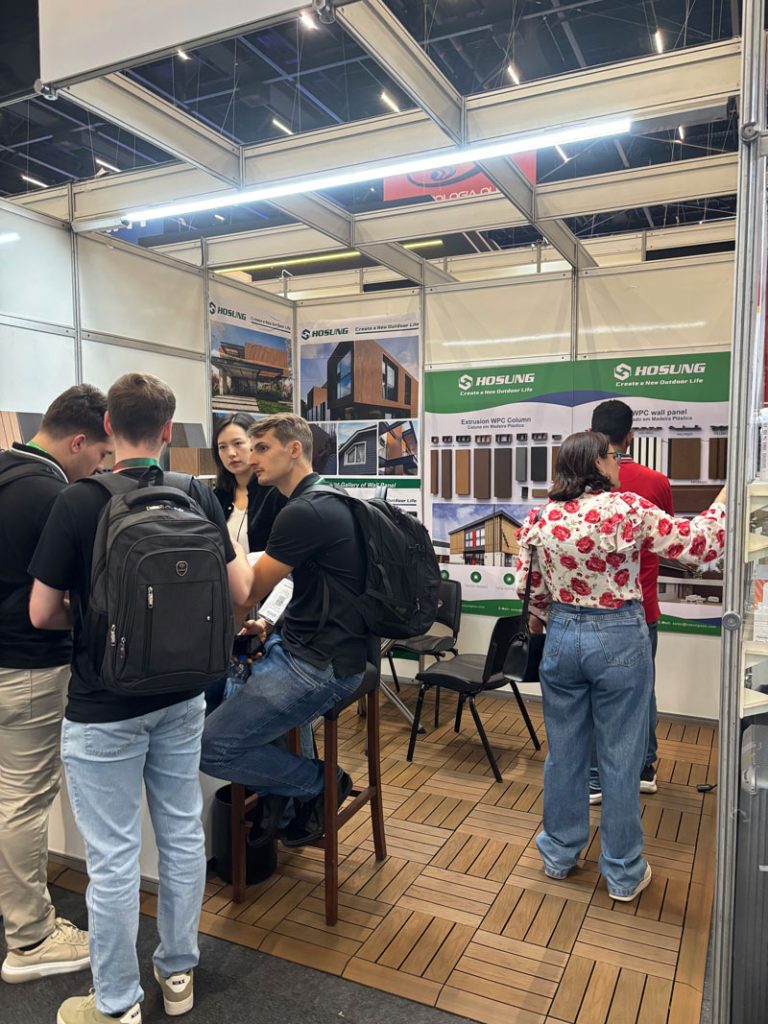
Hosung Decking Aesthetics
Visual Variety:
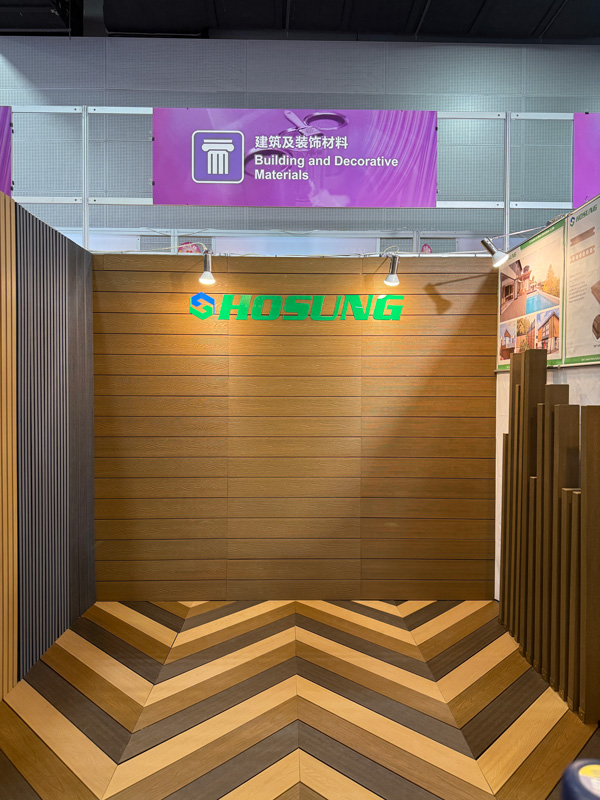
Broader range of colors, from traditional wood tones to modern gray hues
Multi-color streaks and rich patterning available
Surface Texture:
Enhanced wood-grain texture with deep relief and anti-slip patterns
Some lines mimic tropical hardwoods and high-end woods
Finish Quality:
Uniform appearance across boards
Premium look that complements contemporary architectural design
Hosung boards often appeal to homeowners and designers looking for high-end visual appeal with minimal maintenance.
Installation Ease
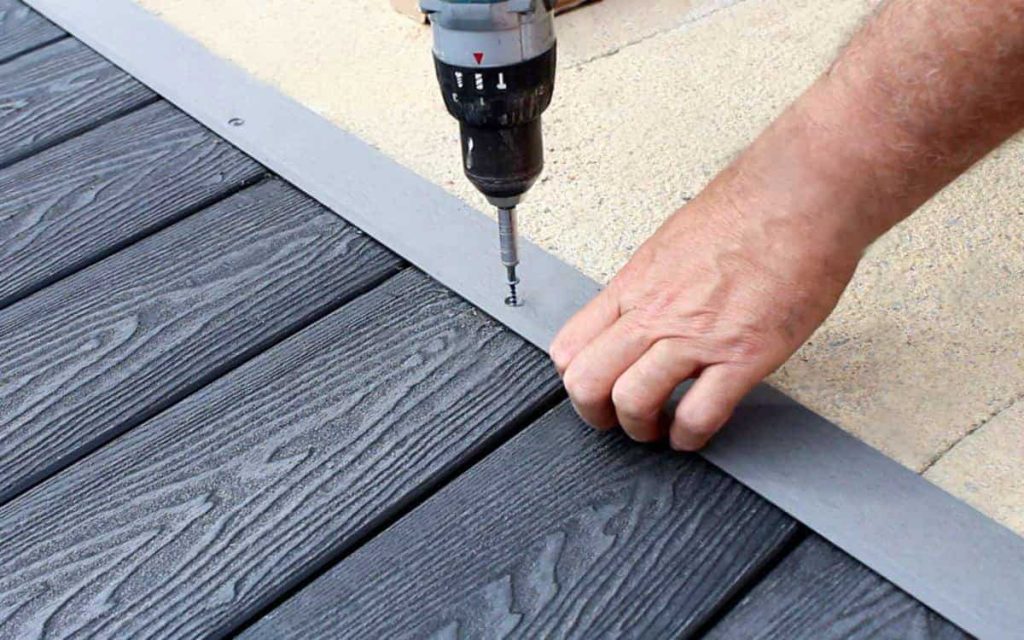
Composite decking installation differs from wood but is generally DIY-friendly.
Eco Composite Decking Installation
Basic Tools Required:
Saw for cutting boards
Screws or hidden fasteners
Spacers for expansion gaps
Considerations:
Some eco boards are uncapped and softer — careful handling to prevent chipping
Must follow manufacturer spacing guidelines due to thermal expansion
Installation Options:
Face-screwed or hidden fastener clips
Compatible with most framing systems
Installation cost may be lower due to less complex board design, but proper spacing and end-joint placement remain critical.
Hosung Decking Installation
Advanced Features:
Many boards optimized for hidden fastening systems
Grooved edges make clip installation cleaner
Thermal Movement Management:
Engineered profile allows predictable expansion/contraction
Accessories:
Matching skirting boards, fascia boards
Lighting and drainage accessories
Installer Support:
Many international installers familiar with Hosung systems
Detailed installation guides available
Hosung decking often provides a smoother installation experience — especially when using hidden clips and accessories — resulting in a cleaner finished look.
Maintenance Requirements
One of composite decking’s biggest advantages is low maintenance compared to traditional wood decking, which often requires regular sanding, sealing, and repainting. Both eco composite decking and Hosung decking are designed to minimize long-term upkeep while maintaining a clean and attractive surface.
Eco Composite Decking Maintenance
Typical maintenance includes:
Regular sweeping to remove debris such as leaves, dirt, and dust
Occasional washing with mild detergent and water to prevent surface buildup
Avoiding harsh chemical cleaners that may damage the composite surface
Immediate cleanup of spills to prevent staining or discoloration
In shaded or humid environments, eco composite boards may occasionally show mold or mildew on the surface. Routine cleaning and proper airflow around the deck help maintain appearance and extend service life.
Hosung Decking Maintenance
Hosung boards are designed for extremely low maintenance:
Simple hose-down cleaning or low-pressure rinsing
Soap and water for food spills, grease, or dirt
Excellent resistance to mold, mildew, and common stains
UV stability reduces surface chalking and color fading
In most climates, Hosung decking retains its original color and texture longer, requiring minimal upkeep even in high-traffic or moisture-prone outdoor environments.
Cost Comparison
Cost is a major consideration in decking choice — including board price, installation labor, and lifecycle cost.
Eco Composite Decking Cost
Board Price:
Typically more affordable per linear foot than premium composites
Price varies widely depending on recycled content and brand
Installation Cost:
Similar to other composite boards
May be slightly cheaper due to simpler profiles
Long-Term Value:
Good value for budget projects
May require more touch-up cleaning or earlier replacement compared to premium boards
Eco composite decking provides a budget-friendly, sustainable option but might sacrifice some long-term durability and aesthetics.
Hosung Decking Cost
Board Price:
Positioned as mid to high-end composite decking
Higher per board cost due to engineered performance and surface quality
Installation Cost:
Similar to other capped composites
Hidden fasteners may add slight cost
Lifecycle Value:
Longer lifespan and reduced maintenance often offset higher initial price
Premium aesthetic and performance justifies cost for many buyers
Hosung decking is often considered a premium investment — higher upfront cost, but strong lifetime value.
Warranty and Support
Product warranties reflect manufacturer confidence.
Eco Composite Decking Warranty
Warranty varies by brand, but typical features:
10 – 20 years limited
May cover structural failure
Often excludes fading, staining, or surface wear
Warranty terms depend heavily on manufacturer and region.
Hosung Decking Warranty
Hosung products generally offer:
20 – 25+ year limited structural warranty
Fade and stain coverage
Clear warranty documentation
Support for international projects
The robust warranty adds confidence for long-term installations.
Best Use Cases
Eco Composite Decking Best For:
Budget-conscious homeowners
Eco-friendly projects emphasizing sustainability
Residential patios and decks with moderate usage
Green-building projects with recycled content goals
Hosung Decking Best For:
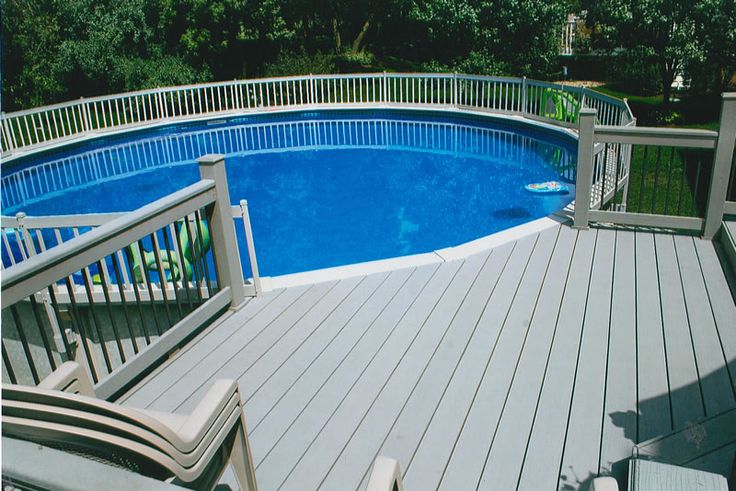
High-traffic decks, commercial spaces, pool decks
Projects requiring premium appearance
Architects and designers seeking multiple color/texture options
Long-term installations with minimal maintenance
Summary: Eco Composite Decking vs Hosung Decking
| Feature | Eco Composite Decking | Hosung Decking |
|---|---|---|
| Sustainability | Strong — high recycled content | Good — varies by product |
| Performance | Moderate to good | High — engineered for durability |
| UV Resistance | Variable | Excellent with cap layer |
| Aesthetics | Natural, limited options | Rich variety, premium looks |
| Installation | DIY-friendly | Optimized with hidden systems |
| Maintenance | Low | Very low |
| Cost | Lower upfront | Higher upfront, better lifecycle value |
| Warranty | Shorter | Longer, more comprehensive |
| Best For | Eco & budget projects | Premium, long-lasting decks |
Final Recommendation
Choosing between Eco Composite Decking and Hosung Decking comes down to priorities:
If environmental sustainability and budget are top priorities, Eco Composite Decking (from a reputable manufacturer with strong recycled content) can be an excellent choice.
If durability, aesthetics, low maintenance, and long-term performance are paramount, Hosung Decking stands out as a premium solution with engineered design, strong warranty backing, and superior surface performance.
Whether you choose Eco Composite Decking or Hosung Decking, composite decking in general offers long-lasting value compared to traditional wood — fewer maintenance headaches, no staining or sealing, and superior resistance to rot and pests.
Conclusion
Both Dura Composite Decking and Hosung Composite Decking represent strong offerings in the composite decking market. While Dura’s premium capped boards deliver unmatched performance and extended durability, Hosung’s products provide excellent value and natural aesthetics suitable for a wide range of projects.
Your decision should consider the specific environment, design goals, expected foot traffic, budget, and maintenance preferences. By understanding the strengths and limitations of each option, you can choose the decking solution that best aligns with your outdoor living vision.