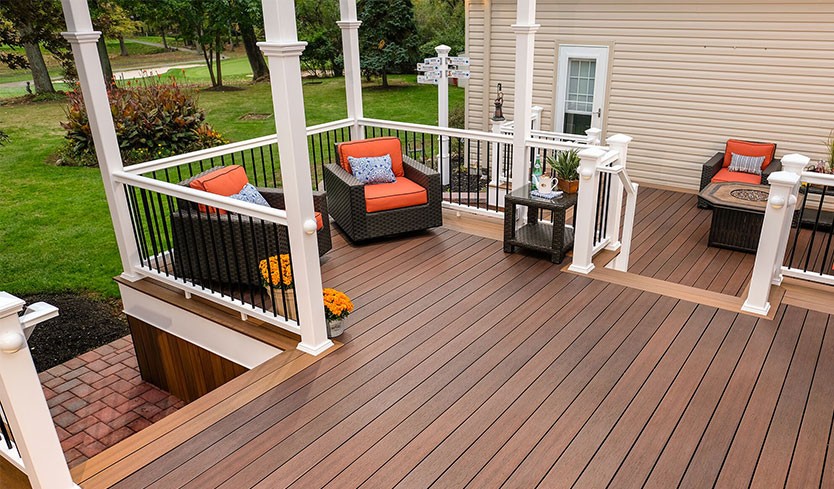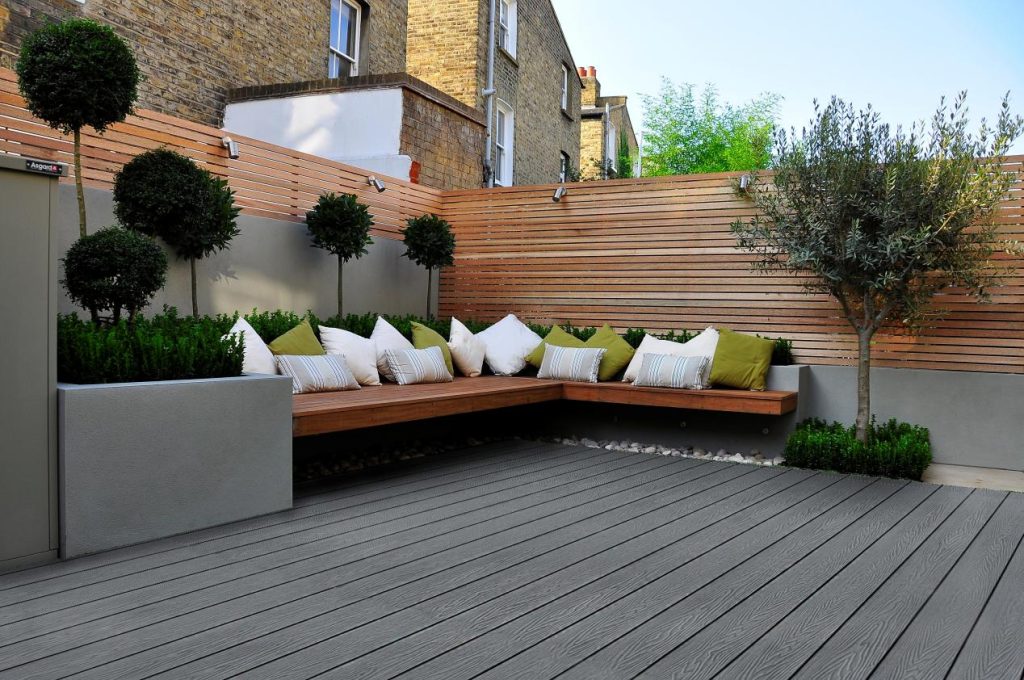
In recent years, plastic composite decking has emerged as a superior alternative to traditional wooden decking materials. As manufacturers of plastic composite decking, we offer an eco-friendly, durable, and low-maintenance solution for your decking needs. This article aims to educate wholesale buyers and B2B customers about the benefits, types, and applications of plastic composite decking, providing you with the knowledge needed to make an informed purchasing decision.
Table of Contents
What is Plastic Composite Decking?
Plastic composite decking, also known as wood-plastic composite (WPC) decking, is an innovative material made from a blend of recycled plastic and wood fibers. This combination creates a product that offers the aesthetic appeal of natural wood with the durability and low maintenance benefits of plastic.
Key Features of Plastic Composite Decking:
Durability: Resistant to moisture, insects, and UV radiation, ensuring it lasts longer than traditional wood.
Low Maintenance: Unlike wood, it doesn’t require regular staining or sealing.
Eco-Friendly: Made from recycled materials, it helps reduce the need for deforestation and landfill waste.
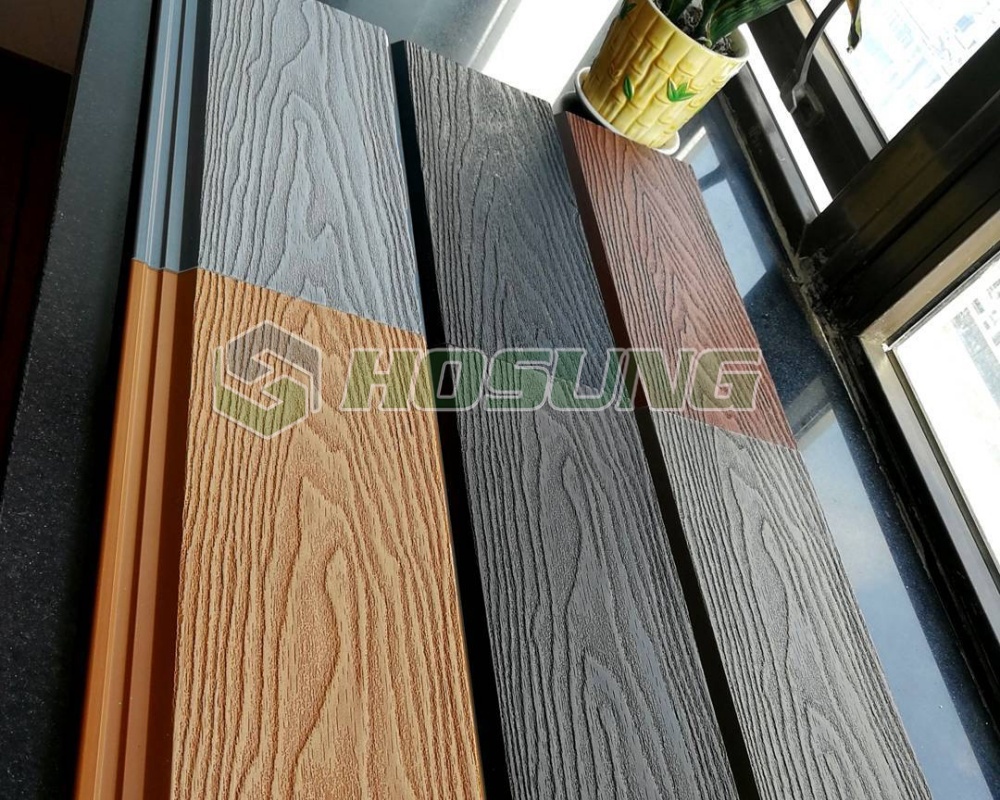
Variety of Designs: Available in a range of colors, textures, and finishes, mimicking the look of real wood.
Advantages of Choosing Plastic Composite Decking
When considering decking options, wholesalers and B2B customers should understand the many advantages plastic composite decking offers. Here are some key reasons why it’s an excellent choice for decking projects:
Long-Lasting Durability:
Plastic composite decking can withstand harsh weather conditions, from heavy rain to intense sunlight. This longevity makes it ideal for both residential and commercial projects.
Unlike wood, which rots and warps over time, composite decking retains its strength and shape.
Low Maintenance:
Traditional wood decking requires regular maintenance, such as sanding, staining, and sealing. Composite decking eliminates the need for these tasks, saving both time and money.
The material is easy to clean with just soap and water, making it a hassle-free choice.
Sustainability:
As a manufacturer of composite decking, we are proud to offer a product made from recycled materials. Plastic and wood fibers are repurposed to create a high-quality decking solution that reduces environmental impact.
Composite decking is often a preferred choice for green building projects due to its sustainability.
Enhanced Safety:
Many plastic composite decking materials are slip-resistant, even when wet. This makes them safer for both residential and commercial applications, especially in areas exposed to rain.
Types of Plastic Composite Decking
Plastic composite decking is designed to cater to a variety of needs, making it a versatile and popular option in the decking industry. Understanding the different types of composite decking will help you choose the best product for your specific business needs, whether it’s for residential, commercial, or high-traffic applications. Below are the most common types of plastic composite decking, their features, and their ideal uses.
1. Solid Core Decking
Solid core decking is one of the most commonly used types of composite decking, recognized for its durability and strength. It is made from a solid profile, providing superior performance in even the most demanding environments.
Features:
Heavy-duty construction: Solid core decking is denser and stronger than hollow core decking, making it ideal for heavy-duty use.
Moisture resistance: Due to its denser structure, solid core decking offers excellent resistance to moisture, rot, and mold, making it a preferred choice for areas with high humidity or rainfall.
Sturdy feel: The solid construction provides a substantial feel underfoot, which can be more appealing in high-end commercial and residential settings.
Applications:
Commercial spaces: Ideal for high-traffic areas such as shopping malls, restaurants, and office buildings that require long-lasting, durable decking.
Public outdoor spaces: Includes parks, plazas, and recreational areas where strength and performance are critical.
Residential high-traffic areas: Great for large homes with heavy use, like backyard patios or elevated decks.
2. Hollow Core Decking
Hollow core decking is characterized by its lighter, hollow interior, which significantly reduces its weight. Despite being lighter, it maintains excellent strength, making it suitable for many applications.
Features:
Lightweight construction: The hollow profile makes it easier to handle and install, reducing the overall labor cost.
Cost-effective: Because of its reduced material usage, hollow core decking tends to be more affordable compared to solid core options.
Moisture-resistant: Although lighter, hollow core decking is still highly resistant to moisture, ensuring durability in outdoor environments.
Applications:
Residential decking: Often used for private homes, gardens, and backyard decks due to its lighter weight and easier installation.
Pool areas: Because of its lighter weight and ease of handling, hollow core decking is a popular choice for pool decks and areas prone to water exposure.
Low-traffic applications: Ideal for areas with lower foot traffic, where strength requirements are not as demanding, such as balcony decks, garden paths, or outdoor seating areas.
3. Capped Composite Decking
Capped composite decking has a protective outer shell (or cap) that wraps around the core material. This outer layer is typically made from a high-performance plastic that offers enhanced resistance to the elements, including stains, scratches, and fading.
Features:
Superior protection: The cap adds an extra layer of protection against moisture, mildew, mold, and UV damage, keeping the decking looking new for a longer period.
Stain resistance: The capped surface helps to protect against food and beverage stains, making it easier to maintain cleanliness, especially in high-traffic areas.
Scratch and fade resistance: The cap helps reduce visible wear and tear from scratches or fading caused by UV exposure, making it a durable and aesthetic choice.
Applications:
High-traffic outdoor areas: Perfect for patios, decks, balconies, and walkways that are exposed to heavy foot traffic.
Coastal or humid environments: The added protection against moisture and UV radiation makes capped composite decking ideal for coastal areas or places with high humidity levels.
Commercial decks: Often used for commercial projects like outdoor dining areas, public event spaces, or retail store patios, where long-term durability and low maintenance are priorities.
4. Uncapped Composite Decking
Uncapped composite decking lacks the protective outer layer that capped composites have. While still durable, uncapped decking is more susceptible to stains, scratches, and fading over time.
Features:
Affordable: The absence of the cap layer makes uncapped composite decking a more budget-friendly option.
Good durability: Though not as resistant to stains and fading as capped composite decking, uncapped composite decking still provides solid performance and durability.
Easier to work with: Because it is lighter and simpler to produce, uncapped decking can often be easier to cut, shape, and install.
Applications:
Budget-conscious projects: Ideal for projects where cost is a major consideration, such as small residential decks or backyards.
Protected areas: Works well in areas where exposure to the elements is limited, like covered porches or shaded patios.
Temporary or low-demand applications: Suitable for low-traffic or seasonal applications like garden decks or non-commercial outdoor settings.
5. Dual-Faced Composite Decking
Dual-faced composite decking features two sides with different finishes or textures, giving users the flexibility to choose between two aesthetic options. It can offer one side with a smooth finish and the other with a more textured or wood-grain design.
Features:
Dual textures: Users can select the texture that suits their design preferences, offering more versatility without needing to purchase two different products.
Reversible: If one side becomes damaged or scratched, you can simply flip the board for a fresh look, which can extend the lifespan of the decking.
Applications:
Residential decks: Ideal for homeowners who want design flexibility without the cost of two separate types of decking.
Low-maintenance areas: The ability to flip the boards makes dual-faced composite decking a good choice for high-traffic outdoor settings where the appearance of wear is important.
6. Grooved vs. Square Edge Composite Decking
When selecting composite decking, it’s important to consider the edge profile of the decking boards. These profiles determine how the boards are installed and how they look once laid down.
Grooved Edge Decking:
Pre-grooved boards designed for easy installation with hidden fasteners. This creates a sleek, seamless appearance without visible screws or nails.
Applications: Perfect for commercial and residential projects where aesthetics and easy installation are crucial. Commonly used in patios, boardwalks, and elevated decks.
Square Edge Decking:
Traditional edge boards that require visible screws or nails to fasten. While the installation might take more time, square edge decking provides a more cost-effective solution.
Applications: Suitable for DIY projects or budget-conscious installations.
How to Choose the Right Plastic Composite Decking for Your Project
As a wholesale buyer, selecting the appropriate decking solution depends on several factors. Here’s a comprehensive guide on how to choose the best product for your project:
Consider the Climate:
If you’re in a region with extreme temperatures or high moisture, capped composite decking is ideal. Its additional protective layer makes it more resistant to damage from UV rays, mold, and mildew.
For areas with milder climates, uncapped composite decking can still provide reliable performance at a more affordable price.
Determine the Level of Traffic:
High-traffic commercial spaces require durable materials, so opting for solid core or capped composite decking is recommended.
Residential projects with lighter foot traffic may benefit from hollow core decking or uncapped composite decking.
Aesthetic Preferences:
Composite decking is available in a variety of colors and finishes that mimic natural wood. Whether you’re looking for a sleek, modern look or a rustic charm, there’s a composite decking style to suit your needs.
Be sure to choose a color and texture that matches the aesthetic of your project.
Maintenance Requirements:
If low maintenance is a priority, capped composite decking is a great choice, as it resists staining, scratching, and fading.
For a more budget-conscious option, uncapped decking may require slightly more upkeep but can still be a practical solution for less demanding applications.
Why Wholesale Buyers Should Choose Plastic Composite Decking from Our Manufacturing Company
As a leading manufacturer of plastic composite decking, we pride ourselves on providing top-quality products that meet the needs of wholesalers and B2B customers. Here’s why you should choose us:
High-Quality Materials:
Our composite decking is made from premium recycled materials, ensuring a durable, eco-friendly solution for your projects.
Competitive Pricing:
We offer some of the most competitive prices in the industry, making it easier for you to source high-quality decking at affordable rates.
Custom Orders:
We understand that different projects require different specifications. We offer customization options, including color, texture, and size, to meet your exact requirements.
Reliable Shipping and Delivery:
Our efficient logistics ensure that your orders are delivered on time, so you can keep your project on schedule without delays.
Excellent Customer Support:
Our dedicated support team is always ready to assist you with any questions or concerns regarding your orders.
Conclusion
Plastic composite decking is the future of outdoor construction, offering a combination of beauty, durability, and low maintenance. As a manufacturer specializing in high-quality composite decking, we are committed to providing wholesalers and B2B customers with the best products at competitive prices.
Whether you’re working on a residential or commercial project, plastic composite decking is a smart, sustainable choice that will provide long-term value. Contact us today to learn more about our products and how we can help with your next decking project. If you’re ready to place an order or would like more information about our plastic composite decking solutions, feel free to contact us! We’re here to support your business with the best decking materials on the market.