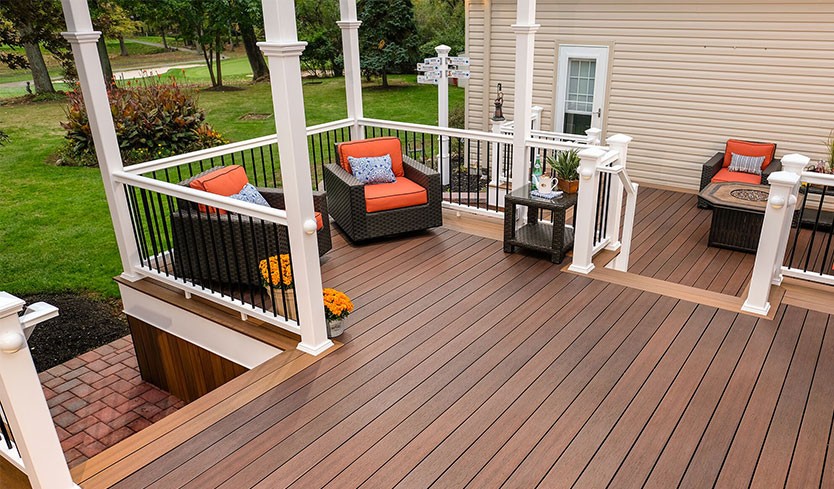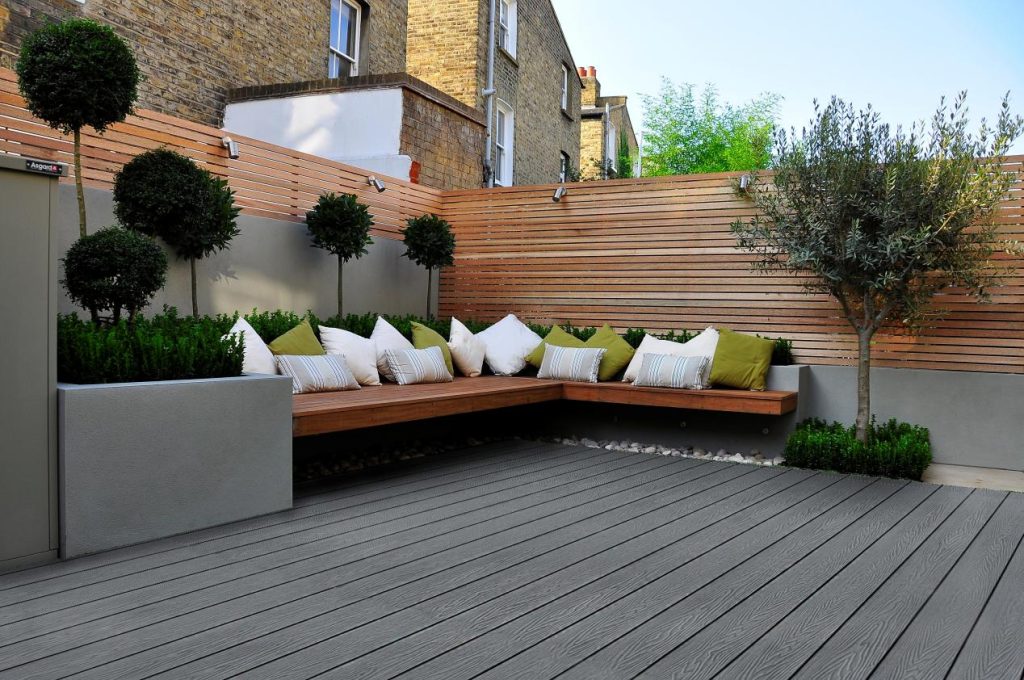
If you’re considering investing in a new outdoor deck, one of the first questions that probably comes to mind is: “how long does composite decking last?” The answer, while seemingly simple, depends on several factors, including the quality of materials, installation methods, environmental exposure, and the level of maintenance provided over the years. Unlike traditional wood decks, which typically last 10 to 15 years, composite decking is designed to provide durability, longevity, and minimal maintenance — making it a smart choice for homeowners seeking a long-term investment in their outdoor space. In this article, we’ll explore everything you need to know about composite decking lifespans, the factors that affect how long a composite deck lasts, and strategies to ensure your deck stays strong and beautiful for decades.

Table of Contents
Understanding Composite Decking
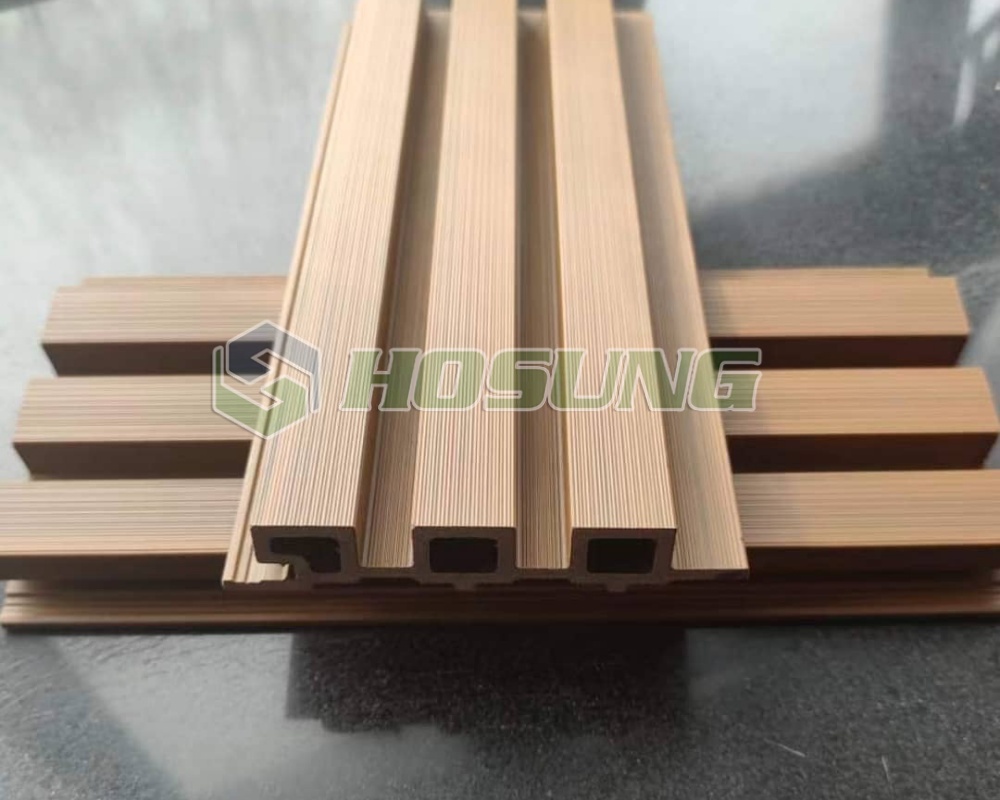
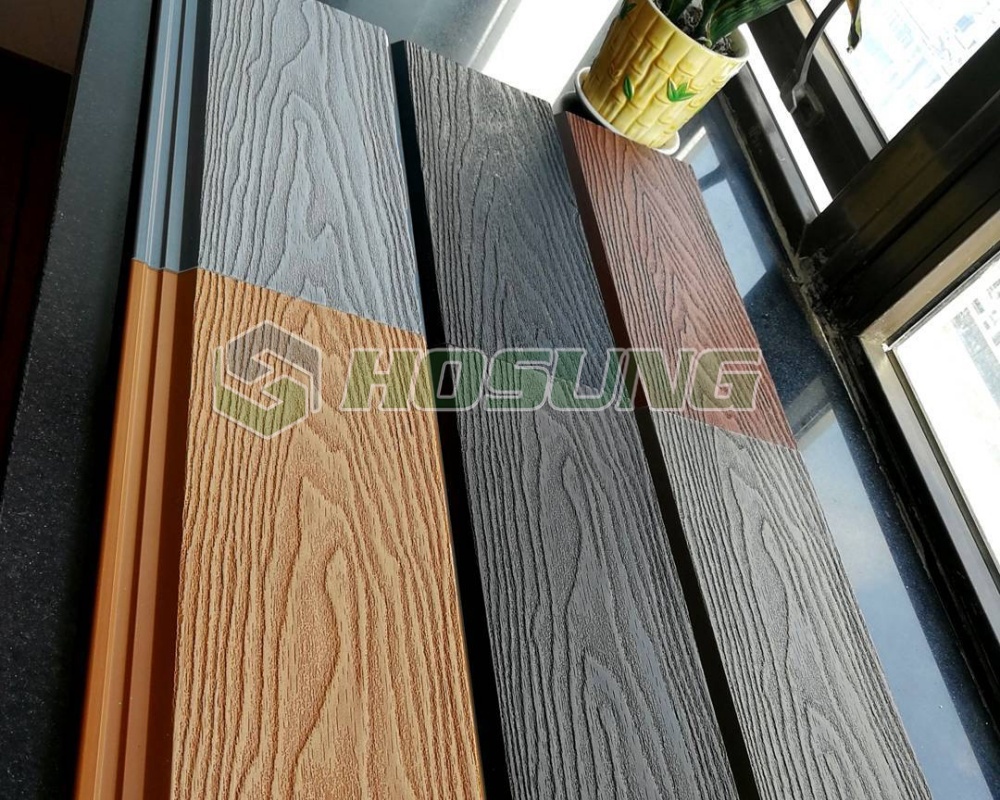
Before diving into the lifespan of composite decking, it’s important to understand what composite decking is. Unlike traditional wood, which is fully organic and susceptible to rotting, warping, and insect damage, composite decking is made from a combination of wood fibers and recycled plastic. Some advanced versions also feature a polymer cap to enhance durability, color retention, and resistance to moisture.
The result? A deck that looks like natural wood but can outperform wood in virtually every environmental condition. Because of its engineered nature, composite decking is inherently longer-lasting than traditional wood, requiring far less maintenance while remaining aesthetically pleasing.

How Long Does a Composite Deck Last? Average Lifespan
So, how long does a composite deck last in practical terms? According to industry experts and decking manufacturers, a high-quality composite deck can last 25 to 30 years or more, with many premium options offering warranties that cover several decades. In comparison, traditional wood decks often need full replacement within 10 to 15 years due to moisture damage, rot, and ongoing maintenance challenges.
Here’s a general breakdown:
Standard composite decking: 25–30 years
Premium capped composite decking: 30–35 years
High-end polymer-capped or PVC composite decks: 50 years or more in optimal conditions
The exact lifespan of your composite decking depends on several variables, which we’ll explore in detail below.
Factors Affecting How Long Composite Decking Lasts
Understanding the factors that influence composite decking longevity is key to maximizing your deck’s lifespan. While composite materials are engineered for durability, environmental and usage factors still play a role.
1. Quality of Materials
Not all composite decking is created equal. Lower-quality boards may contain higher percentages of wood fibers and fewer protective polymers, making them more susceptible to fading, staining, and minor moisture-related issues. Premium composite boards feature advanced capping and polymer blends that lock out moisture, resist UV rays, and prevent color degradation.
Tip: Always choose composite decking with a protective cap or polymer coating, as this greatly extends the deck’s lifespan.
2. Installation Quality
Even the most durable composite decking can be compromised by poor installation. Boards that are not properly spaced for ventilation or expansion can warp or cup over time. Fasteners and hidden clips also play a role — using the wrong type can accelerate corrosion or loosen boards, affecting the deck’s structural integrity.
Tip: Hire experienced installers and follow manufacturer guidelines closely to ensure a long-lasting composite deck.
3. Environmental Exposure
Your deck’s environment has a major impact on how long it lasts. Decks in areas with high humidity, heavy rainfall, or extreme heat may experience more stress over time. UV exposure can cause color fading, while moisture accumulation in shaded areas may increase the risk of surface mold or mildew, even on composite materials.
Tip: Proper deck design, including ventilation and drainage, can reduce environmental stress and prolong your deck’s life.
4. Maintenance Practices
One of the biggest advantages of composite decking is minimal maintenance compared to wood. However, this does not mean “no maintenance.” Routine cleaning, debris removal, and occasional washing with mild soap or composite deck cleaner help maintain the deck’s appearance and prevent surface mold or staining.
Tip: Clean your composite deck at least once or twice a year and inspect for any signs of damage or wear.
5. Load and Usage
Decks that are frequently used for heavy furniture, hot tubs, or other weight-intensive structures may experience faster wear. While composite decking is generally strong, extreme loads or improper spacing of joists can reduce the deck’s lifespan.
Tip: Plan for load distribution and avoid overloading the deck beyond manufacturer recommendations.
Signs Your Composite Deck May Need Attention
Even composite decks, which are known for their durability, are not immune to issues over time. Knowing the signs that indicate potential problems can help you address them early and extend the deck’s lifespan.
Surface fading or discoloration: Although rare with capped composites, UV exposure over decades may gradually lighten colors.
Minor scratching or denting: Composite boards can scratch under heavy use, but scratches are often cosmetic.
Loose boards or fasteners: This may indicate installation or settling issues.
Mold or mildew in shaded areas: Composite decking is resistant but not immune; surface cleaning can resolve these issues.
Addressing these minor issues promptly can help your deck last decades longer than typical wood alternatives.
How to Maximize the Lifespan of Composite Decking
Now that you know how long composite decking lasts under normal conditions, it’s time to explore strategies to maximize its lifespan.
1. Routine Cleaning
Sweep your deck regularly to remove leaves, dirt, and debris that can trap moisture. Wash the surface periodically with a mild soap or specialized composite deck cleaner. Avoid harsh chemicals or high-pressure washing that can damage the surface cap.
2. Annual Inspection
Inspect your deck at least once a year for loose boards, fasteners, or signs of mold. Catching small issues early can prevent more costly repairs down the line.
3. Protect Against UV Exposure
If possible, add shade elements like pergolas, umbrellas, or retractable awnings in areas with intense sun exposure. This can help preserve the color and surface quality over decades.
4. Avoid Standing Water
Ensure proper deck drainage and slope to prevent standing water. Use deck spacing and ventilation strategies that allow moisture to evaporate quickly.
5. Mind Heavy Loads
Distribute weight evenly across the deck and avoid placing extremely heavy objects in one spot. This helps maintain the structural integrity over time.
6. Upgrade Substructure Materials
Composite decks often outlast their wood substructure. Consider upgrading joists and framing to rot-resistant materials or aluminum framing, which can further prolong your deck’s overall lifespan.
Composite Decking vs. Wood Decking: Lifespan Comparison
To better understand the benefits of composite decking, let’s compare its longevity with traditional wood decks:
| Deck Type | Average Lifespan | Maintenance Needs | Durability |
|---|---|---|---|
| Pressure-treated Wood | 10–15 years | High (annual staining, sealing, cleaning) | Susceptible to rot, mold, warping |
| Redwood/Cedar | 15–20 years | High | Natural resistance to decay, still requires sealing |
| Hardwood (Ipe, Mahogany) | 20–25 years | Very high | Extremely dense and durable, costly maintenance |
| Composite Decking | 25–30+ years | Low | Resistant to rot, UV, and moisture |
| Capped PVC Composite | 50+ years | Minimal | Highly durable, virtually maintenance-free |
From this table, it’s clear that composite decking, particularly premium capped products, offers a significantly longer lifespan compared to traditional wood.
Debunking Common Myths About Composite Deck Lifespan
There are many misconceptions about how long a composite deck lasts. Here are some common myths debunked:
Myth 1: Composite decking fades quickly.
Advanced polymer-capped composites are designed to resist fading for decades, even under intense sun exposure.Myth 2: Composite decking will warp like wood.
While all materials expand and contract with temperature, high-quality composite decking resists warping and cupping thanks to its engineered core and cap.Myth 3: Composite decks don’t require maintenance.
Minimal maintenance is required, but regular cleaning is still essential to prevent mold, debris accumulation, and cosmetic issues.Myth 4: Composite decking is more expensive over time.
While initial costs may be higher than wood, the longevity and reduced maintenance costs make composite decking more economical in the long run.
How Long Does a Composite Deck Last in Different Climates?
Climate plays a significant role in deck longevity. Here’s how composite decks hold up in various environments:
Humid climates: Composite resists moisture, rot, and mold far better than wood, making it ideal for coastal or rainy areas.
Hot climates: PVC and capped composites remain stable under high heat, while wood can warp or splinter.
Cold climates: Composite decking resists cracking and splitting in freezing temperatures, unlike some wood varieties.
UV-intense areas: Capped composites resist fading, ensuring long-term aesthetic appeal.
No matter the climate, proper installation and maintenance remain critical for maximizing deck lifespan.
Choosing the Right Composite Decking for Longevity
When selecting composite decking, consider the following factors:
Material composition: Look for high polymer content and capped boards for superior protection.
Warranty: Reputable manufacturers provide 25–50 year limited warranties.
Surface finish: Some finishes are more scratch-resistant and easier to clean.
Board thickness: Thicker boards tend to be more durable and less prone to sagging over time.
Color options: Darker colors may absorb more heat, but advanced materials reduce expansion and fading.
By carefully selecting your decking materials, you can ensure that your investment lasts as long as possible.
Conclusion: How Long Does Composite Decking Last?
So, how long does composite decking last? With high-quality materials, proper installation, and routine maintenance, you can expect a composite deck to last 25 to 30 years or more, while premium capped PVC composite decking may exceed 50 years. Compared to traditional wood, which often requires full replacement every 10–15 years, composite decking is a long-term solution that offers durability, beauty, and minimal maintenance.
Ultimately, the longevity of your composite deck depends on your choices — from material quality and installation to maintenance and protection against environmental stress. By investing in a high-quality composite deck and following proper care guidelines, you can enjoy decades of outdoor living with a deck that looks great and performs even better.
If you’re ready to upgrade your outdoor space with a deck designed to last for decades, explore premium composite and PVC options and consider enhancements like aluminum framing for an extra-long-lasting deck structure.
Conclusion: Composite Decking Clearly Comes Out on Top
After comparing every major factor — durability, maintenance, cost, appearance, safety, sustainability, and lifespan — it’s clear that composite decking is the best choice for most homeowners.
While wood decking offers natural charm, it demands constant maintenance and has a shorter lifespan. Composite decking delivers long-lasting beauty, low upkeep, eco-friendly materials, and excellent return on investment.
If you’re asking which is best, composite or wood decking, the answer is simple:
👉 Composite decking offers the perfect balance of performance, style, and sustainability — the smarter choice for modern outdoor living.