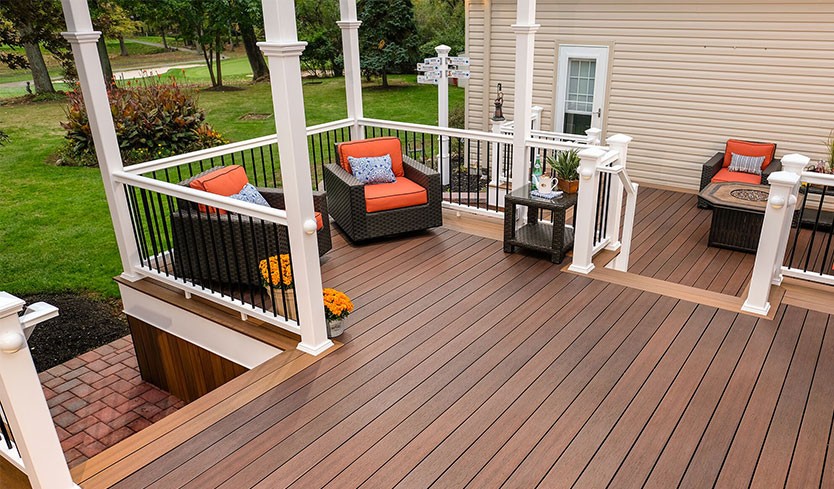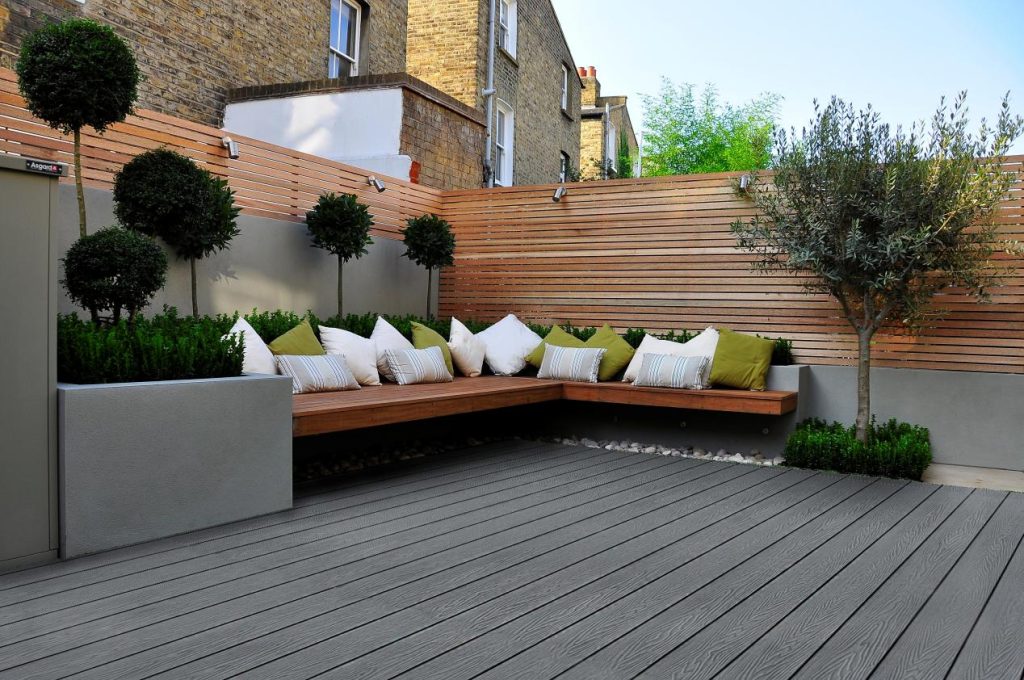
Composite pool decking has quickly become a favorite choice for homeowners looking to combine style, durability, and low maintenance around their pools. With the increasing availability of composite materials in different textures, colors, and price ranges, selecting the right decking can seem overwhelming. Choosing the best composite decking for pool deck projects is more than picking the most attractive option. It requires understanding factors such as slip resistance, weather resilience, structural strength, installation methods, and long-term maintenance. In this article, we will provide a comprehensive guide to help you make informed decisions when choosing composite pool decking.
Table of Contents
Understanding the Environment Around Your Pool
Even though we are not going into definitions, it is essential to consider the environment where your decking will be installed. Pools expose decking to constant moisture, frequent temperature changes, and heavy foot traffic. This environment influences which composite materials will perform best. High humidity and chlorine or salt from pools can affect decking materials differently. For instance, decking that works well in a backyard pool in Florida may not perform as well in a backyard in Arizona, where heat and sun exposure are more extreme. Evaluating your local climate and the exposure level around your pool ensures that your chosen decking will maintain its integrity and appearance over time.
Considerations include:
Sun Exposure – Decking materials exposed to direct sunlight may fade or heat up quickly. Look for composites with UV resistance and heat-reflective coatings to reduce surface temperature and prevent discoloration.
Humidity and Moisture – Composite decking with superior water resistance will prevent warping, swelling, or mold growth. Poolside areas with frequent splashing need decking that dries quickly and maintains traction when wet.
Temperature Fluctuations – Some composites expand or contract under extreme temperature changes. Choosing decking that tolerates seasonal fluctuations will reduce long-term maintenance and warping issues.
Choosing the Right Material Composition
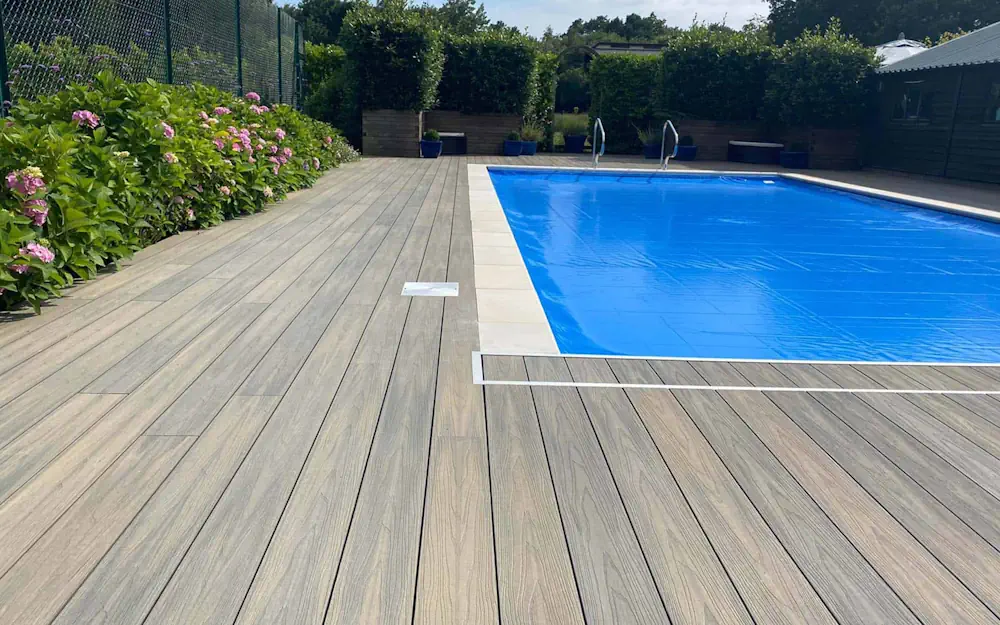
Composite pool decking is generally made from a combination of wood fibers and plastic, but the ratio and type of plastic used can significantly affect performance. Higher-quality composites often use a mix of recycled HDPE (high-density polyethylene) and wood fibers, providing both durability and a natural look. Other composites may use PVC, which is extremely resistant to moisture and insects but can feel less natural underfoot.
When choosing composite pool decking, consider these aspects:
Density and Weight – Heavier boards often indicate higher density and better durability, which is particularly important for pool areas that experience heavy foot traffic.
Coating Technology – Some composite boards have a capped layer or protective coating that enhances water resistance and reduces staining. These coatings are especially beneficial for poolside decks exposed to sunscreen, oils, and pool chemicals.
Flexibility vs. Rigidity – Pool decks often require boards that can handle slight flex without cracking. Choosing materials with a balance of flexibility and rigidity ensures longevity.
Slip Resistance: Safety First
Slip resistance is a top priority for any pool deck. Wet surfaces can become dangerously slippery, and injuries are more common around swimming pools than in most other areas of the home. Composite decking manufacturers often use different techniques to enhance traction, including textured surfaces, grooved patterns, and anti-slip coatings.
Textured Surfaces – Boards with embossed or brushed textures provide better grip. This texture mimics natural wood while reducing the risk of slips.
Grooved Patterns – Some boards have channels or grooves along the surface that allow water to drain, reducing pooling and increasing traction.
Capped Decking – Protective caps can include anti-slip elements embedded in the top layer, making them safer when wet.
When reviewing options, ask for test data or certifications related to slip resistance, especially if the pool will be used by children or elderly family members. A board that performs well in dry conditions may not offer the same traction when wet.
Durability and Weather Resistance
Durability is critical in pool areas. Composite pool decking must resist cracking, splintering, fading, and swelling. Pool decks face exposure to chlorine, salt, and other chemicals, which can degrade lower-quality materials over time.
Consider the following features:
UV Protection – Boards with integrated UV inhibitors resist fading and discoloration from prolonged sun exposure. Darker boards tend to heat up more, but UV coatings can prevent them from cracking or warping.
Moisture Resistance – High-quality composite boards absorb very little water, preventing mold, mildew, and structural weakening. Moisture-resistant decking also minimizes staining from water or pool chemicals.
Scratch and Stain Resistance – Pool areas are high-traffic zones, and boards may encounter furniture, pool toys, or barbecue equipment. Durable composites resist scratches and stains better than traditional wood.
Fire Resistance – While pool decks are generally not exposed to open flames, fire-rated boards offer extra peace of mind in hot climates or near outdoor fire pits.
Appearance and Design Considerations
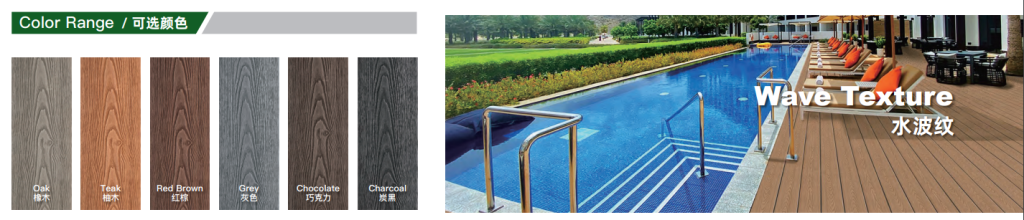
Composite pool decking offers a wide range of aesthetic options. Homeowners can choose from natural wood looks, modern gray tones, tropical hardwood styles, or even custom colors. The appearance of your deck significantly affects the overall ambiance around your pool.
Color Selection – Lighter colors reflect heat and remain cooler underfoot, while darker colors create a striking visual contrast. Keep in mind that all composites will slightly fade over time, but high-quality boards maintain their color better.
Board Width and Thickness – Wider boards give a luxurious, expansive feel, while thinner boards may be more economical. Thickness contributes to structural strength, particularly when spanning longer distances without supports.
Edge and Profile Styles – Some boards feature beveled edges, square edges, or hidden fastener systems that create a seamless, modern appearance. Consider how the edges will integrate with your pool coping and landscaping.
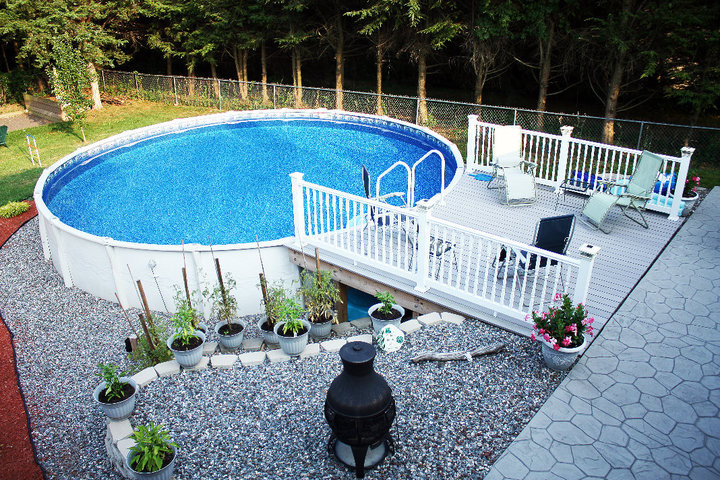
For homeowners wanting a uniform look, composite decking can be combined with matching railing systems and trim pieces. Coordinating the pool deck with surrounding patios, planters, or outdoor furniture ensures a cohesive design.
Installation Methods and Support Structures
The method of installation is just as important as the material itself. Composite boards can be installed using screws, clips, or hidden fastening systems. The right system ensures a secure fit while minimizing visible fasteners.
Screw vs. Clip Systems – Screws provide strong attachment but may leave visible heads. Clip systems hide fasteners, creating a cleaner surface. Both require a proper joist structure beneath the boards.
Joist Material – Pool decking joists must resist moisture and decay. Options include treated wood, composite joists, or aluminum. Composite joists offer superior longevity and eliminate the risk of rust or rot.
Spacing and Ventilation – Proper spacing between boards allows water drainage and air circulation, reducing mold and mildew growth. Consult manufacturer guidelines for recommended gaps, which vary depending on board type and climate.
Maintenance Considerations
While composite decking is low maintenance compared to traditional wood, it still requires some care to maintain its appearance and safety over time. Regular cleaning, inspection, and occasional repairs ensure the deck lasts for decades.
Cleaning – Use a soft brush or deck cleaner to remove dirt, leaves, or pool chemicals. Pressure washing is acceptable but should be done cautiously to avoid damaging the board surface.
Stain Removal – Poolside areas are prone to spills, sunscreen, and chlorine staining. Boards with a protective cap resist these stains, but prompt cleaning prevents permanent discoloration.
Structural Checks – Inspect joists, fasteners, and boards periodically. Pool decks experience movement from foot traffic and thermal expansion, so tightening screws or replacing clips when necessary is essential.
Cost Considerations
Budget plays a critical role in choosing the right composite pool decking. Prices vary widely based on material quality, board thickness, color, and brand. While it may be tempting to select the cheapest option, lower-cost boards often compromise durability, appearance, or slip resistance.
Upfront Cost vs. Lifespan – Investing in higher-quality composite decking can save money over time, as it reduces maintenance, repairs, and replacement frequency.
Installation Cost – Some boards require professional installation due to complex hidden fastening systems. Factor labor costs into your overall budget.
Additional Accessories – Railing systems, trim pieces, and drainage solutions may add to the total cost but improve safety and aesthetics.
Comparing Popular Composite Pool Decking Brands
When evaluating composite pool decking options, it helps to compare leading brands and their unique features. Some manufacturers focus on UV-resistant surfaces, while others specialize in anti-slip technology or environmentally friendly materials.
Brand A – Offers capped composite boards with excellent scratch resistance and moderate pricing. Ideal for family pools with frequent use.
Brand B – Provides highly textured surfaces and hidden fastener systems. Best for homeowners prioritizing safety and aesthetics.
Brand C – Focuses on eco-friendly composites with recycled content. Suitable for environmentally conscious buyers without compromising performance.
Comparing reviews, warranties, and customer feedback provides additional insight into long-term performance and satisfaction.
Planning for Long-Term Comfort
In addition to safety and durability, consider comfort factors that affect daily use. Composite pool decking can heat up under the sun, so selecting boards with low thermal conductivity improves barefoot comfort. Some brands offer boards with special coatings or lighter color options that remain cooler under direct sunlight.
Other comfort factors include:
Noise Reduction – High-density composites absorb sound better than wood, reducing footstep noise around the pool.
Ergonomics – Smooth, splinter-free surfaces improve barefoot comfort, making your deck enjoyable for lounging, walking, and playing.
Integration with Surroundings – Poolside furniture, planters, and outdoor kitchens should coordinate with your decking choice to create a functional and inviting environment.
Environmental and Sustainability Considerations
Sustainability is increasingly important for homeowners. Composite decking made from recycled plastics and wood fibers reduces environmental impact and prevents wood harvesting from forests. Look for certifications or labels indicating recycled content and environmentally friendly manufacturing practices.
Recycled Content – Boards with high recycled plastic content often outperform traditional wood in moisture resistance and durability.
Recyclability – Some composites can be recycled at the end of their lifespan, reducing landfill waste.
Low VOC Emissions – Ensure the product does not emit harmful chemicals, particularly important for family areas around pools.
Common Mistakes to Avoid
Selecting the right composite pool decking requires careful planning. Homeowners often make mistakes that lead to premature wear, safety hazards, or dissatisfaction with appearance.
Ignoring Slip Resistance – Prioritizing aesthetics over safety can lead to slippery surfaces that are dangerous for children and adults.
Overlooking Climate Considerations – Boards that perform well in one region may fail in another due to temperature, humidity, or sun exposure differences.
Choosing Incompatible Joists or Fasteners – Using the wrong support structure reduces the deck’s stability and lifespan.
Neglecting Maintenance Planning – Even low-maintenance decks require cleaning and inspection; failing to plan can lead to mold, mildew, and surface damage.
Final Recommendations
Choosing the best composite pool decking from Hosung, involves balancing safety, durability, aesthetics, comfort, and budget. Focus on the following when making a decision:
Select a high-quality composite with UV and moisture resistance.
Prioritize slip resistance for safety.
Consider your local climate and environmental exposure.
Evaluate installation methods, joists, and hidden fasteners.
Plan for long-term maintenance and comfort.
Factor in budget versus lifespan to maximize value.
Investing time in research and careful planning ensures your pool deck remains attractive, safe, and enjoyable for years to come. By understanding the materials, installation, and care requirements, you can confidently choose the best composite pool decking that suits your home, lifestyle, and climate.
By focusing on these key aspects, homeowners can transform their pool areas into beautiful, safe, and durable outdoor spaces that enhance property value and everyday enjoyment. The right composite pool decking creates a luxurious yet practical environment, offering both elegance and peace of mind.