Choosing the right decking material is one of the most important decisions when designing an outdoor living space. Whether you are building a garden deck, a patio extension, or a commercial outdoor platform, the materials you select will determine durability, maintenance needs, and overall aesthetics for years to come. In recent years, composite decking has become one of the most popular alternatives to traditional wood decking due to its durability, sustainability, and low maintenance requirements. However, with so many options available on the market today, many homeowners, builders, and distributors often ask the same question: how to choose the right composite decking.
Table of Contents
Different brands, material compositions, board structures, surface finishes, and installation systems can significantly impact the performance and appearance of your deck. Without understanding these factors, it is easy to choose a product that may not fully meet your expectations.
In this comprehensive guide, we will explore how to choose the right composite decking step by step. From understanding material composition to evaluating durability, safety, design options, and installation methods, this guide will help you make an informed decision when selecting composite decking for your project.
Understanding What Composite Decking Is
Before learning how to choose the right composite decking, it is essential to understand what composite decking actually is.
Composite decking is a modern building material made from a combination of wood fibers and recycled plastic polymers. These materials are blended together under high heat and pressure to form durable decking boards that mimic the look of natural wood while offering enhanced performance.
Typically, composite decking consists of:
Wood fiber or wood flour
High-density polyethylene (HDPE) or polypropylene (PP) plastic
Additives such as UV stabilizers, color pigments, and anti-mold agents
This combination creates a material that provides the natural texture of wood with the durability and moisture resistance of plastic.
Compared with traditional timber decking, composite decking offers several advantages:
Longer lifespan
Resistance to rot, insects, and moisture
Minimal maintenance requirements
Environmentally friendly materials
Consistent appearance
These benefits have made composite decking increasingly popular in residential gardens, public parks, commercial terraces, waterfront walkways, and rooftop decks.
Why Choosing the Right Composite Decking Matters
Many people assume all composite decking boards are the same, but in reality, there are significant differences between products. Choosing the wrong type may result in issues such as fading, warping, slipping, or higher maintenance costs.
Understanding how to choose the right composite decking helps ensure:
Long-term durability
Better safety performance
Suitable appearance for your design style
Lower lifetime maintenance costs
Higher return on investment
A high-quality composite deck should remain beautiful and functional for 20–30 years with minimal upkeep.
Key Factors When Choosing Composite Decking
When evaluating decking options, several important factors should be considered.
1. Material Composition
One of the first steps in understanding how to choose the right composite decking is examining the material composition.
Different manufacturers use different ratios of wood fiber to plastic. A balanced formula ensures both strength and stability.
Typical ratios include:
60% wood fiber + 30% plastic + 10% additives
50% wood fiber + 40% plastic + 10% additives
A higher wood fiber content usually produces a more natural appearance, while higher plastic content improves moisture resistance.
High-quality composite decking also uses virgin or high-grade recycled plastics, which improves durability and color stability.
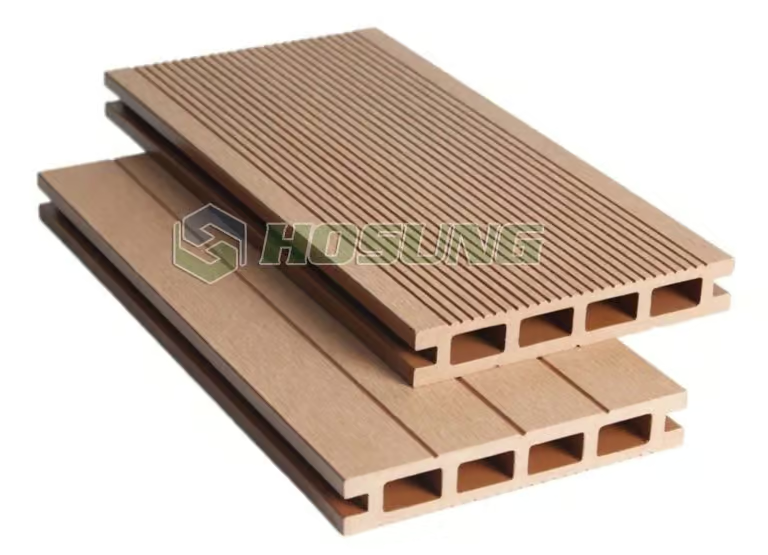
2. Solid vs Hollow Decking Boards
Composite decking boards are generally available in two structural forms:
Solid Composite Decking
Solid boards are dense and heavy, similar to natural hardwood. They offer excellent strength and are ideal for areas with high traffic, such as:
Public parks
Commercial walkways
Restaurants and hotels
Poolside decks
Advantages include:
Strong load-bearing capacity
Higher durability
Better sound insulation
Hollow Composite Decking
Hollow boards contain internal chambers that reduce weight and material cost.
Advantages include:
Lower price
Easier transportation
Faster installation
However, hollow boards may require end caps and are typically recommended for residential use rather than heavy commercial environments.
Understanding your project requirements is essential when deciding how to choose the right composite decking structure.
3. Capped vs Uncapped Composite Decking
Another critical factor when learning how to choose the right composite decking is understanding surface protection technology.
Uncapped Composite Decking
First-generation composite decking boards do not have a protective outer layer.
Advantages:
Lower cost
Natural wood-like appearance
Disadvantages:
More susceptible to staining
Potential fading over time
Capped Composite Decking
Capped boards feature a polymer shell surrounding the composite core.
Benefits include:
Superior stain resistance
Improved UV protection
Better resistance to mold and mildew
Longer lifespan
For most modern projects, capped composite decking is the preferred choice.
4. Slip Resistance and Safety
Safety is a crucial factor in outdoor environments. Deck surfaces can become slippery due to rain, humidity, or algae growth.
When considering how to choose the right composite decking, check for slip-resistant surface textures such as:
Embossed wood grain
Brushed finish
Grooved anti-slip patterns
High-quality decking should meet recognized slip-resistance standards, making it suitable for:
Poolside decks
Garden walkways
Coastal areas
Rainy climates
5. Weather Resistance
Outdoor decks are constantly exposed to environmental conditions such as sunlight, rain, snow, and temperature fluctuations.
A good composite decking board should provide strong resistance to:
UV fading
Moisture absorption
Thermal expansion
Mold and mildew
If you live in areas with strong sunlight or heavy rainfall, selecting UV-resistant capped decking will significantly extend the life of your deck.
6. Color and Design Options
Aesthetics play an important role when choosing decking materials.
Composite decking is available in a wide variety of colors, including:
Natural teak
Walnut brown
Charcoal grey
Redwood
Sand beige
Modern manufacturing technology allows boards to feature realistic wood grain textures that closely resemble natural timber.
When deciding how to choose the right composite decking, consider how the deck color will complement your home’s architecture, garden landscaping, and outdoor furniture.
7. Maintenance Requirements
One of the biggest advantages of composite decking is its low maintenance.
Unlike traditional wood decking, composite boards do not require:
Painting
Sealing
Annual staining
Routine maintenance usually involves only:
Occasional washing with water
Mild soap cleaning for stains
Choosing high-quality composite decking ensures your outdoor space remains beautiful without time-consuming upkeep.
8. Environmental Sustainability
Sustainability is becoming increasingly important in construction and landscaping.
Composite decking is considered environmentally friendly because it often uses:
Recycled plastic materials
Reclaimed wood fibers
This helps reduce deforestation and plastic waste.
When evaluating how to choose the right composite decking, look for manufacturers that prioritize sustainable production and recyclable materials.
9. Installation System
A well-designed installation system can greatly simplify deck construction.
Most modern composite decking systems use hidden fasteners, which provide several advantages:
Clean, screw-free surface appearance
Faster installation
Consistent spacing between boards
Reduced risk of board damage
Hidden clip systems also allow boards to expand and contract naturally with temperature changes.
10. Warranty and Manufacturer Reputation
When investing in decking materials, it is important to consider the manufacturer’s reputation and warranty policy.
Reliable manufacturers typically offer warranties ranging from 10 to 25 years, covering issues such as:
Structural integrity
Color fading
Staining resistance
A strong warranty indicates confidence in product quality and manufacturing standards.
Comparing Composite Decking with Traditional Wood
To better understand how to choose the right composite decking, it is helpful to compare it with traditional timber decking.
| Feature | Composite Decking | Natural Wood |
|---|---|---|
| Maintenance | Very Low | High |
| Lifespan | 20–30 years | 10–15 years |
| Rot Resistance | Excellent | Poor |
| Insect Resistance | Excellent | Vulnerable |
| Environmental Impact | Uses recycled materials | Requires timber harvesting |
Although composite decking has a higher initial cost, it often provides better long-term value.
Common Mistakes When Choosing Composite Decking
When selecting decking materials, many buyers make avoidable mistakes.
Choosing Based Only on Price
The cheapest option may lack UV protection or structural strength.
Ignoring Climate Conditions
Weather resistance is crucial for long-term durability.
Overlooking Installation Requirements
Some decking systems require specialized accessories.
Not Checking Surface Texture
Smooth boards may become slippery in wet conditions.
Avoiding these mistakes will help ensure you successfully select the right decking solution.
Why Many Global Buyers Choose Hosung WPC
For distributors, contractors, and builders seeking reliable composite decking products, working with an experienced manufacturer is essential.
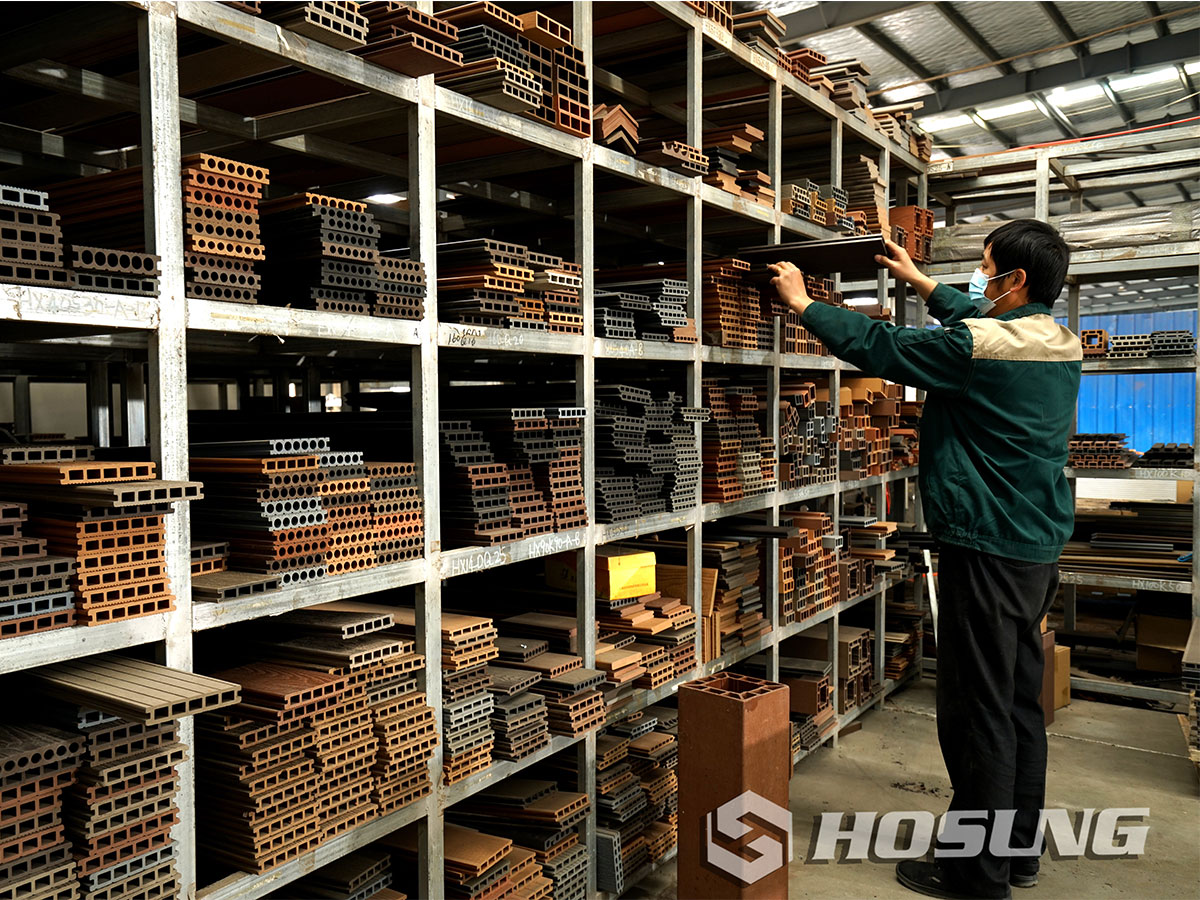
Hosung WPC is a professional wood-plastic composite manufacturer in China specializing in high-performance outdoor decking materials. With advanced production technology and strict quality control systems, the company provides durable, environmentally friendly composite decking solutions for global markets.
Key advantages include:
High-strength WPC formulations
UV-resistant capped decking options
Multiple colors and surface textures
Customizable sizes and profiles
Stable product quality for international distribution
These capabilities allow partners and clients to confidently source composite decking products for residential and commercial projects.
Final Thoughts
Understanding how to choose the right composite decking requires evaluating several important factors, including material composition, board structure, surface protection, slip resistance, weather durability, aesthetics, and installation systems.
A well-chosen composite decking product will not only enhance the beauty of your outdoor space but also provide decades of reliable performance with minimal maintenance.
By carefully considering these factors and working with a reputable manufacturer, homeowners, contractors, and distributors can ensure they select a decking solution that delivers both long-term value and exceptional outdoor living experiences.
As outdoor living spaces continue to grow in popularity worldwide, composite decking will remain one of the most p