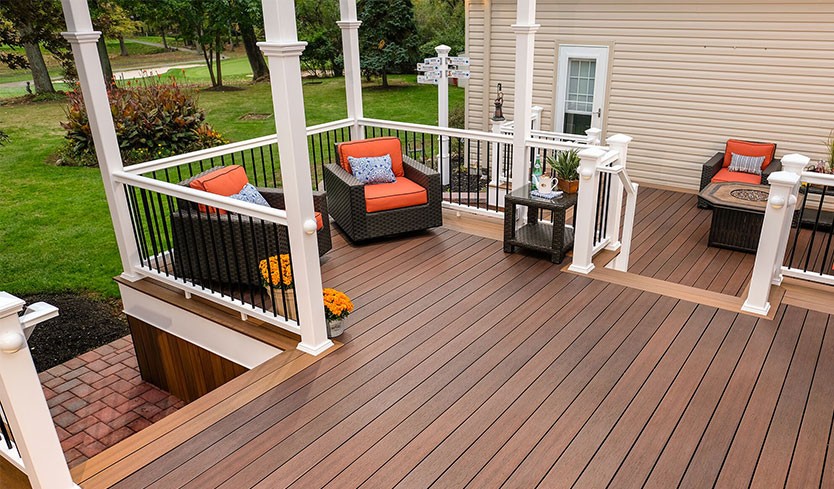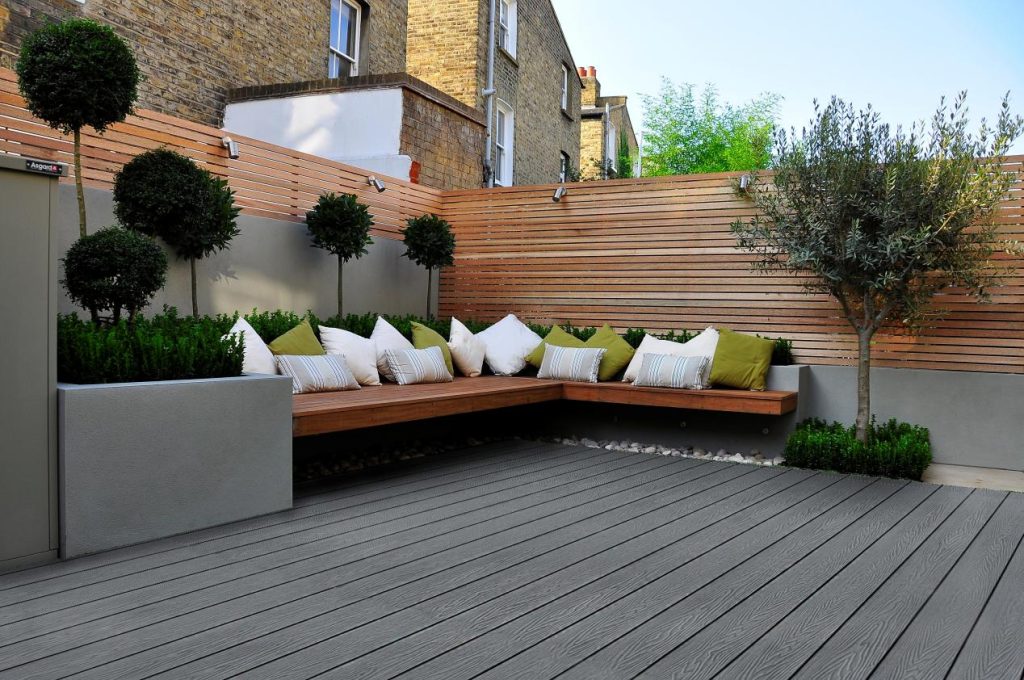
When it comes to designing a pool area, one of the most important decisions homeowners face is choosing the right decking material. A pool deck is not just a decorative addition; it plays a crucial role in safety, comfort, and the overall longevity of the outdoor space. Traditional wood has long been a popular choice, but composite decking has been gaining traction due to its durability, low maintenance, and aesthetic appeal. So, is composite decking good around pools? Let’s dive deep into the features, benefits, and considerations that make composite decking an excellent—or sometimes challenging—choice for pool areas.

Table of Contents
What Is Composite Decking?
Composite decking is a man-made building material typically made from a mixture of wood fibers, plastic, and binding agents. The combination results in a durable, water-resistant, and low-maintenance alternative to natural wood. Unlike traditional wooden decking, composite boards are engineered to resist warping, splitting, and insect damage, which are common issues in outdoor settings, especially around pools.
There are two primary types of composite decking:
Traditional Composite Decking: Made by blending wood fibers and recycled plastics. This type offers a more natural wood look but may require occasional maintenance, such as cleaning and sealing, depending on the brand and climate.
Capped Composite Decking: Features a protective shell that surrounds the wood-plastic core, enhancing resistance to fading, staining, and moisture absorption. This type is particularly ideal for high-moisture areas like pool decks.
Both types come in various colors, textures, and finishes, providing homeowners flexibility in design while ensuring durability.
Why Consider Composite Decking for Pool Areas?
The area surrounding a pool is subjected to a unique set of challenges. These include constant exposure to water, chemical splashes from pool cleaners or chlorine, high foot traffic, and extreme sunlight. Here are some reasons why composite decking is considered a suitable choice for pool areas:
1. Water Resistance
Unlike traditional wood, composite decking does not absorb water as easily. Water exposure around pools can lead to wood rot, mold growth, and warping. Composite boards are engineered to repel water, which minimizes the risk of damage and prolongs the life of the decking.
2. Slip Resistance
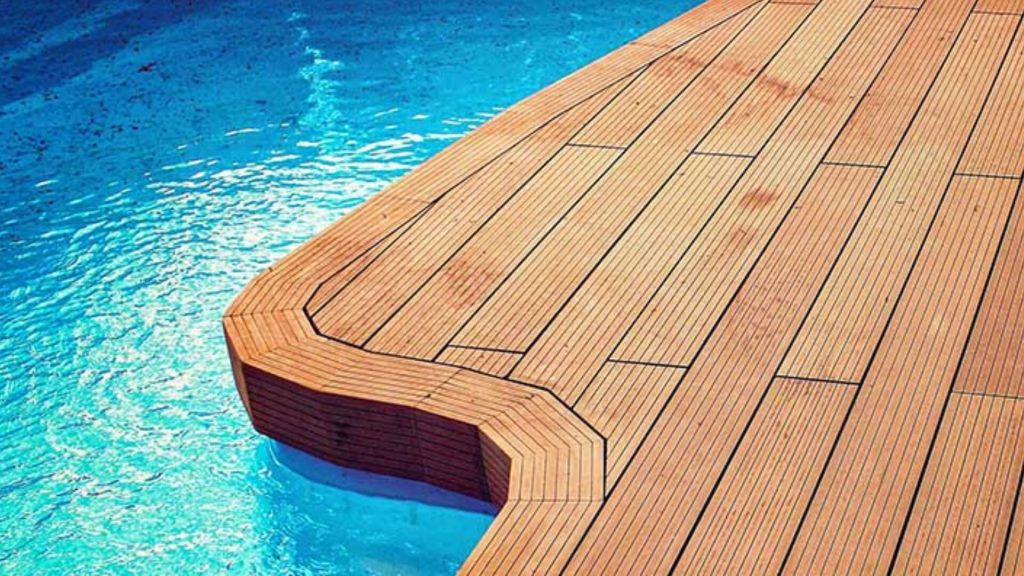
Pool areas are naturally wet, which makes slip resistance a critical factor. Many composite decking brands feature textured surfaces or anti-slip coatings to enhance traction, reducing the risk of accidents. While wood can become extremely slippery when wet, especially if not properly treated, composite boards maintain better grip in moist conditions.
3. Heat Management
The sun-baked surface of a pool deck can become uncomfortably hot, causing discomfort to bare feet. Many modern composite decking materials are designed with heat-resistant properties. Lighter colors and capped composites are especially effective at staying cooler under direct sunlight, making poolside lounging more comfortable.
4. Low Maintenance
Traditional wood decking requires sanding, sealing, and periodic staining to maintain its appearance and prevent deterioration. In contrast, composite decking only needs regular cleaning with soap and water to remove dirt, debris, and pool chemicals. This low-maintenance characteristic is particularly attractive for pool owners who want a hassle-free outdoor space.
5. Durability and Longevity
Composite decking is engineered to withstand harsh outdoor conditions. It is resistant to splitting, cracking, and insect damage, all of which are common issues with wood decks. Properly installed composite decking can last 25-30 years or more, making it a long-term investment for poolside areas.
Advantages of Composite Decking Around Pools
To answer the question, is composite decking good around pools?, it is helpful to examine its specific advantages in this context:
Aesthetic Appeal
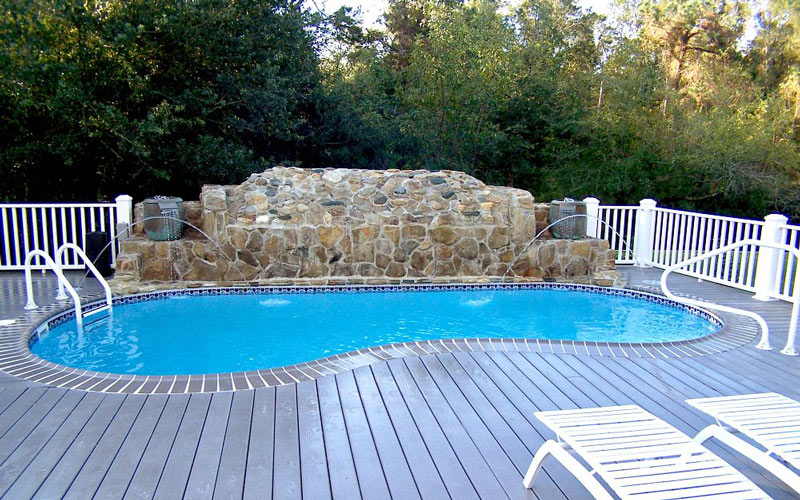
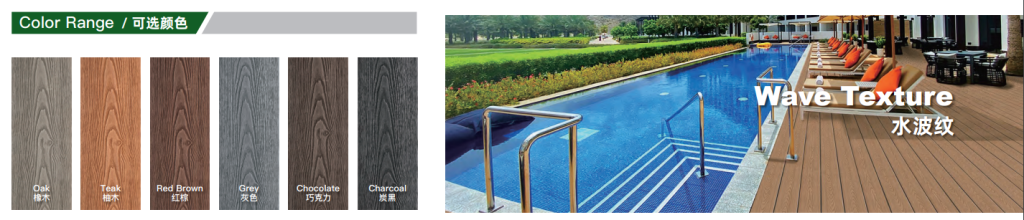
Composite decking offers a wide range of colors, textures, and finishes, allowing homeowners to match the pool area with their overall landscape design. From tropical wood tones to sleek modern grays, composite boards can provide the luxurious look of wood without the associated maintenance issues.
Resistance to Chemicals
Pool decks are constantly exposed to chlorine, salt, and other pool chemicals. Traditional wood can deteriorate under repeated chemical exposure, but high-quality composite decking is engineered to resist staining and corrosion caused by these substances.
Eco-Friendly Option
Many composite boards are made from recycled materials, such as reclaimed wood fibers and recycled plastics. This makes composite decking a sustainable alternative to traditional wood, aligning with environmentally conscious landscaping choices.
Structural Integrity
Composite decking boards are designed to be uniform in size and shape, which helps in creating a stable, flat, and safe walking surface. Unlike wood, which can warp over time, composites maintain their shape and structural integrity even with frequent exposure to water and sun.
Ease of Installation
Composite decking is often designed with interlocking systems, hidden fasteners, or pre-drilled holes that simplify installation. For poolside projects, this can reduce labor costs and installation time compared to traditional wood decking.
Potential Drawbacks to Consider
While composite decking offers numerous advantages for pool areas, there are also some considerations to keep in mind:
Initial Cost
Composite decking tends to be more expensive upfront than traditional wood. However, this cost is often offset over time due to lower maintenance and longer lifespan.
Heat Retention
Some composite boards, especially darker colors, can absorb and retain heat, making them uncomfortable to walk on during peak sun hours. Choosing lighter-colored boards or heat-resistant composites can mitigate this issue.
Surface Scratches
Although durable, composite boards can still be scratched or dented by heavy furniture, sharp objects, or pet claws. High-quality capped composites are more resistant to surface damage than basic WPC boards.
Expansion and Contraction
Composite decking can expand and contract with temperature changes. Proper installation with adequate spacing is necessary to prevent buckling or warping.
Comparing Composite Decking to Traditional Wood Around Pools
To determine whether composite decking is good around pools, it helps to compare it directly with wood:
| Feature | Composite Decking | Traditional Wood |
|---|---|---|
| Water Resistance | Excellent | Moderate; prone to rot |
| Maintenance | Low; occasional washing | High; sanding, staining, sealing |
| Durability | High; 25–30+ years | Moderate; 10–15 years |
| Slip Resistance | Textured surface available | Can be slippery when wet |
| Heat Retention | Can be heat-resistant | Natural wood cooler but can splinter |
| Chemical Resistance | High | Low; sensitive to chlorine and salt |
| Eco-Friendliness | Often made from recycled materials | Requires tree harvesting |
The comparison clearly shows that composite decking is often superior for poolside environments, particularly in terms of water resistance, durability, and maintenance.
Design Tips for Pool Areas with Composite Decking
Even the best materials require thoughtful design to ensure safety, comfort, and aesthetics. Here are some tips for using composite decking around pools:
Choose Lighter Colors: Light-colored composite boards reflect sunlight and stay cooler, improving comfort for bare feet.
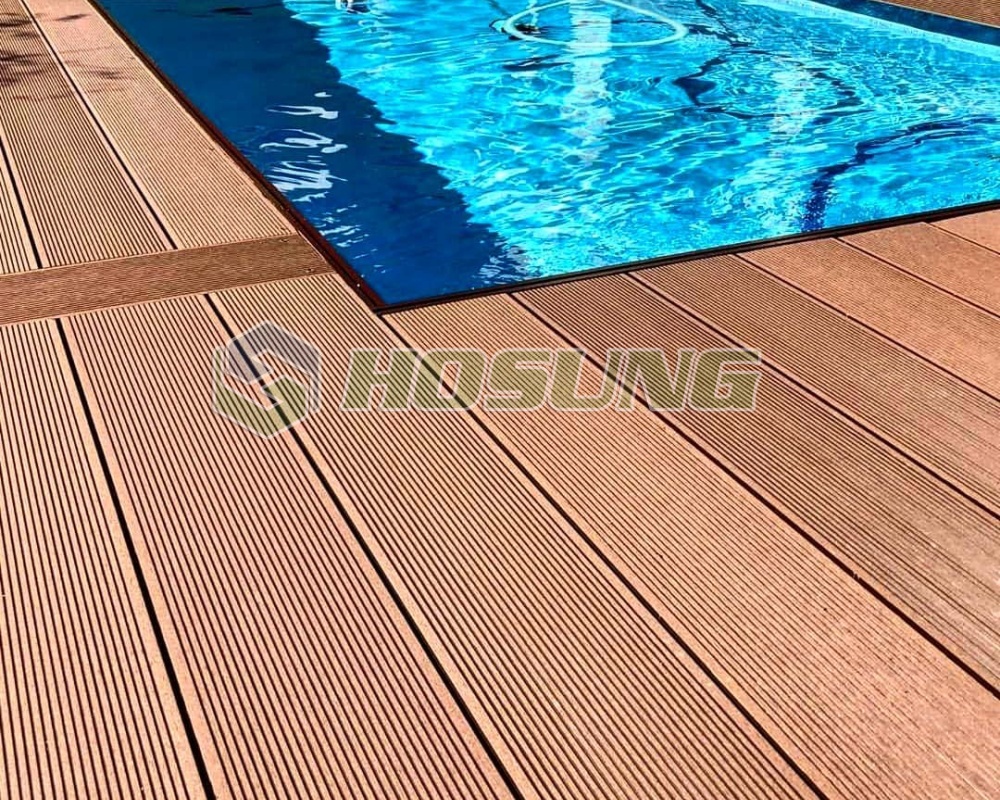
Use Textured Boards: Anti-slip surfaces reduce the risk of slipping when the deck is wet.
Incorporate Drainage: Proper slope and spacing between boards allow water to drain efficiently, preventing pooling and mold growth.
Blend with Landscaping: Composite decking can be combined with pavers, stone, or tile to create a seamless outdoor space.
Install Proper Fasteners: Hidden or corrosion-resistant fasteners maintain a sleek look and prevent tripping hazards.
Add Shade Structures: Pergolas or umbrellas not only enhance aesthetics but also reduce heat buildup on the deck surface.
Maintenance Tips for Composite Pool Decking
Composite decking is low maintenance but still requires basic care to keep it looking its best:
Regular Cleaning: Wash the deck with a mild soap and water solution every few months.
Remove Debris: Leaves, dirt, and other debris can cause staining if left on the surface.
Prevent Stains: Quickly wipe off spills, especially oil, sunscreen, or food.
Inspect Boards: Check for scratches, loose fasteners, or any signs of damage.
Avoid Harsh Chemicals: Strong solvents or bleach can damage the surface; use cleaning products designed for composite materials.
Choosing the Right Composite Decking for Pool Areas
When selecting composite decking for a pool, the key is to focus on materials designed specifically for outdoor, water-exposed environments. The ideal pool decking should combine water resistance, durability, and slip-resistant surfaces. Look for decking boards that feature a protective outer layer, which helps prevent staining, fading, and chemical damage from pool treatments.
Heat management is another important factor; some composites are engineered to stay cooler under direct sunlight, making barefoot walking more comfortable. Textured surfaces or grooves can provide extra traction, reducing the risk of slips and falls.
Additionally, eco-friendly composite boards made from recycled materials are becoming increasingly popular, offering sustainability without compromising performance. By comparing factors such as water absorption rate, slip resistance, UV protection, and long-term durability, you can choose the best composite decking to create a safe, comfortable, and long-lasting poolside environment.
Frequently Asked Questions
Q1: Can composite decking get slippery when wet?
A1: While composite boards are generally more slip-resistant than wood, wet surfaces can still be slippery. Choosing textured or grooved boards reduces the risk.
Q2: How long does composite decking last around pools?
A2: High-quality composite decking can last 25–30 years or longer with proper care, significantly outlasting untreated wood in wet environments.
Q3: Is it expensive to install composite decking around pools?
A3: The upfront cost is higher than wood, but low maintenance and long lifespan often make it more cost-effective in the long run.
Q4: Can I place pool furniture on composite decking?
A4: Yes, but it’s recommended to use protective pads under furniture legs to prevent scratches or dents, especially on standard composite boards.
Q5: Is composite decking eco-friendly?
A5: Many composites are made from recycled plastics and wood fibers, making them a sustainable alternative to traditional timber.
Conclusion
So, is composite decking good around pools? The answer is a resounding yes. Composite decking offers unmatched durability, water resistance, and low maintenance, making it a superior choice compared to traditional wood. Its variety of colors, textures, and finishes also allows homeowners to design visually appealing poolside spaces that remain safe and functional for years.
However, it’s important to select the right type of composite decking—capped composites with anti-slip surfaces are ideal for pool areas—and follow proper installation guidelines. With thoughtful design, regular maintenance, and the right material choice, composite decking can transform a pool area into a beautiful, comfortable, and long-lasting outdoor retreat.
Investing in composite decking from Hosung is not just a matter of aesthetics—it’s a practical decision that improves safety, longevity, and enjoyment of your pool space. Whether you’re renovating an existing deck or building a new pool area, composite decking is a reliable solution that stands up to water, sun, and heavy use while keeping maintenance to a minimum.