Menu Close
Close

Low Cost Composite Decking: The Affordable Solution for Your Outdoor Space

When it comes to enhancing your outdoor space, decking is one of the most popular and stylish choices for homeowners. It provides a functional area for relaxation, entertaining guests, and enjoying the natural surroundings. However, traditional wood decking can be expensive, labor-intensive, and high-maintenance. Fortunately, composite decking offers an excellent alternative, and if you’re looking to install a deck without breaking the bank, low cost composite decking could be the perfect solution. In this blog post, we’ll explore everything you need to know about low-cost composite decking, from its benefits and construction to installation tips and maintenance. By the end, you’ll understand why composite decking is an affordable yet durable option for transforming your outdoor space.

Wood Effect Composite Decking

Table of Contents

What Is Low Cost Composite Decking?

Low cost composite decking is a modern alternative to traditional wood decking made from a blend of wood fibers and plastic. This combination of materials results in a deck that is both strong and durable, requiring less maintenance than wood while maintaining a similar aesthetic appeal.

Composite decking has become increasingly popular in recent years due to its ability to withstand the elements, its long lifespan, and its minimal upkeep. Low-cost composite decking, in particular, focuses on affordability while still maintaining high quality, making it a great option for homeowners on a budget.

composite decking prices in australia

Benefits of Low Cost Composite Decking

1. Affordability

The most obvious advantage of low cost composite decking is its affordability. While composite decking materials tend to cost more than wood in terms of the initial investment, they are far cheaper in the long run due to their durability and low-maintenance nature. With low-cost composite decking options, you can enjoy the benefits of this technology without the hefty price tag.

2. Low Maintenance

One of the primary reasons why homeowners choose composite decking is its minimal maintenance requirements. Unlike wood, which needs to be sealed, stained, or treated regularly to prevent weathering, composite decking is designed to be virtually maintenance-free. All you need to do is clean it periodically with soap and water to keep it looking as good as new.

3. Durability and Longevity

Low-cost composite decking is highly resistant to weathering, rotting, warping, and insect damage. The material is engineered to stand up to the harshest outdoor elements, including heavy rain, extreme temperatures, and UV exposure. This makes it an ideal choice for areas with unpredictable or extreme weather conditions.

4. Eco-Friendly Option

For environmentally conscious homeowners, composite decking is a great choice. Many composite decking products are made from recycled materials, such as reclaimed wood fibers and plastic bottles, helping to reduce waste. By choosing composite decking, you’re contributing to a more sustainable future while still enjoying a beautiful outdoor space.

5. Variety of Styles and Colors

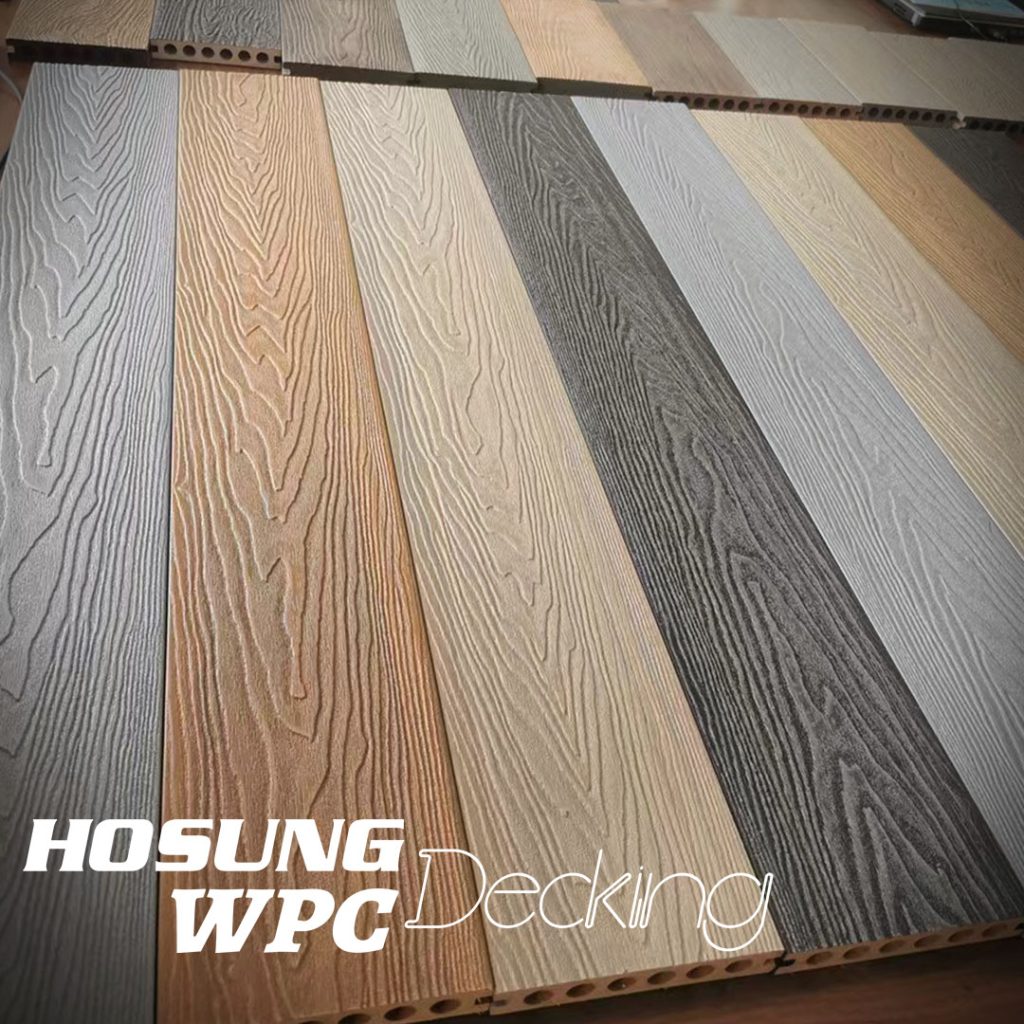
Low cost composite decking doesn’t mean compromising on aesthetics. In fact, composite decking comes in a wide variety of colors, textures, and finishes, allowing you to find the perfect match for your home’s exterior design. Whether you prefer the look of traditional wood or a more contemporary, modern finish, there’s a composite decking style to suit every taste.

6. Slip-Resistant Surface

Another important benefit of composite decking is its slip-resistant surface. Many low-cost composite decking options come with textured surfaces designed to provide better grip, reducing the risk of slips and falls—especially in wet or damp conditions. This feature is particularly valuable for homes with young children or elderly family members.

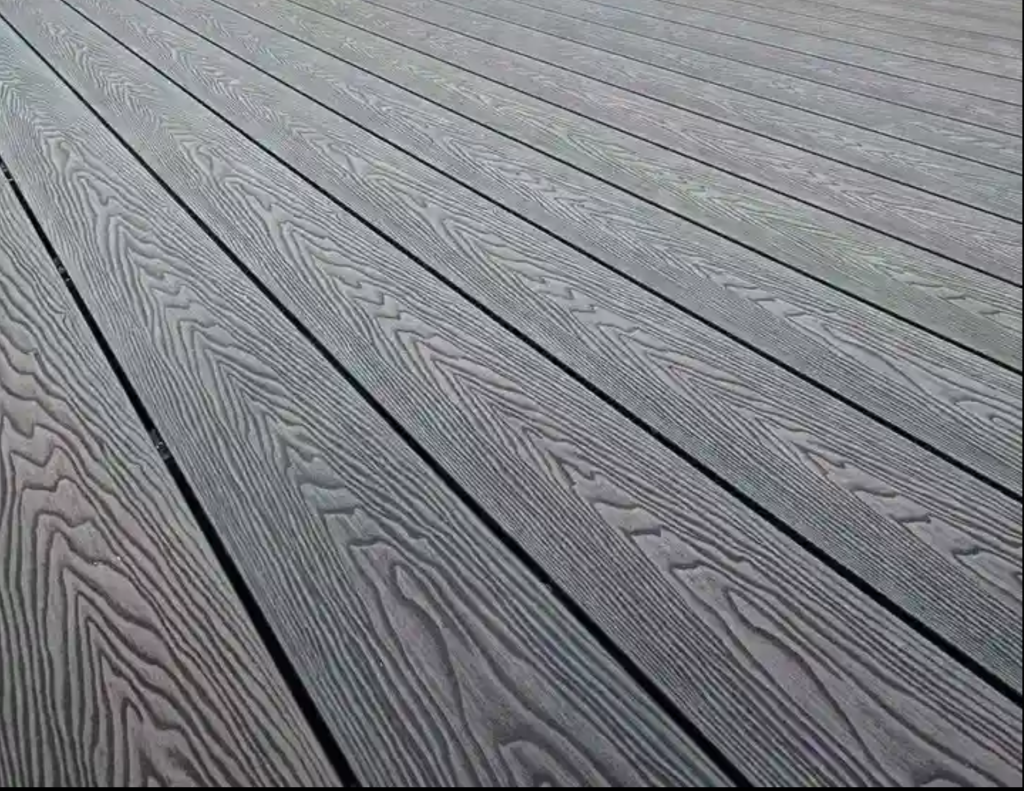
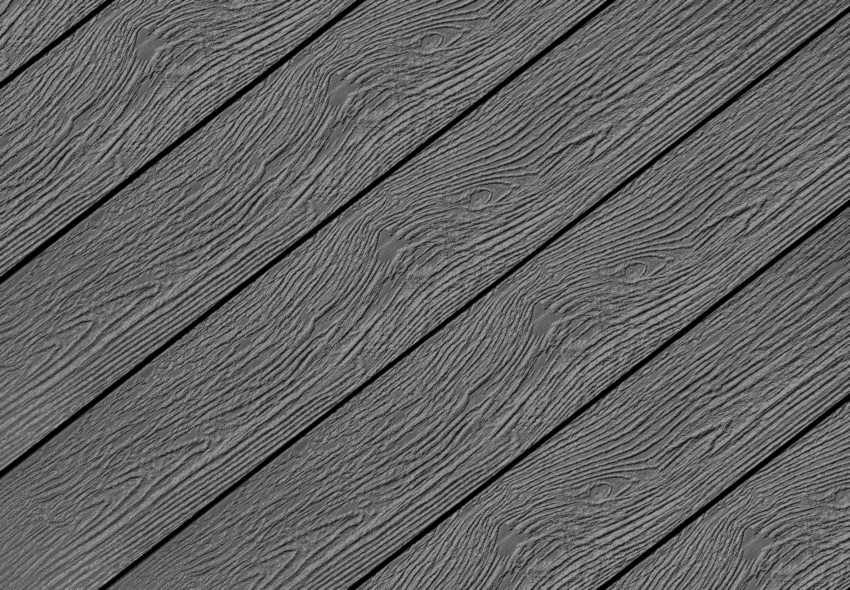
grey composite decking boards

How Low Cost Composite Decking Works

Low cost composite decking is manufactured by combining wood fibers (typically sawdust or other wood-based materials) with plastic resins. This creates a composite material that has the appearance of wood but with the benefits of plastic. The process usually involves two key components:

  1. Wood Fibers: These are sourced from recycled wood or other sustainable sources. They provide the natural texture and look of wood decking.
  2. Plastic Resin: This material adds durability and resistance to moisture, pests, and weather conditions. It also helps bind the wood fibers together to form a strong, solid structure.

The combination of these materials results in a decking board that is resistant to decay, fading, and scratches, while maintaining the rich appearance of natural wood.

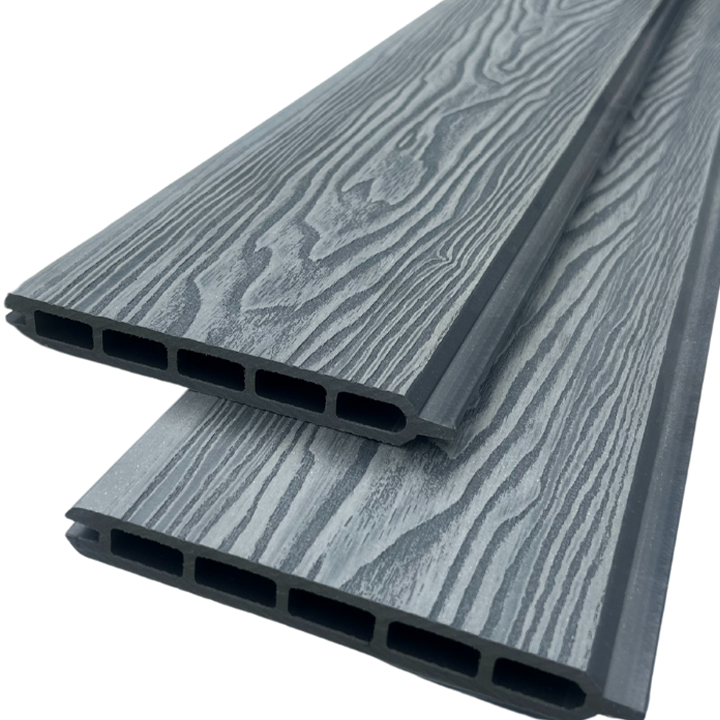
Tongue and Groove Composite Fence Boards

Different Types of Composite Decking

When shopping for low cost composite decking, you’ll find several options available, each with its own advantages. Understanding the different types of composite decking can help you choose the best product for your needs.

1. Solid Core Composite Decking

Solid core composite decking is made entirely from a mixture of wood fibers and plastic. It is generally more durable and robust than hollow-core composite decking but may come at a slightly higher price point. Solid core decking is often considered the most long-lasting option due to its structural integrity.

2. Hollow Core Composite Decking

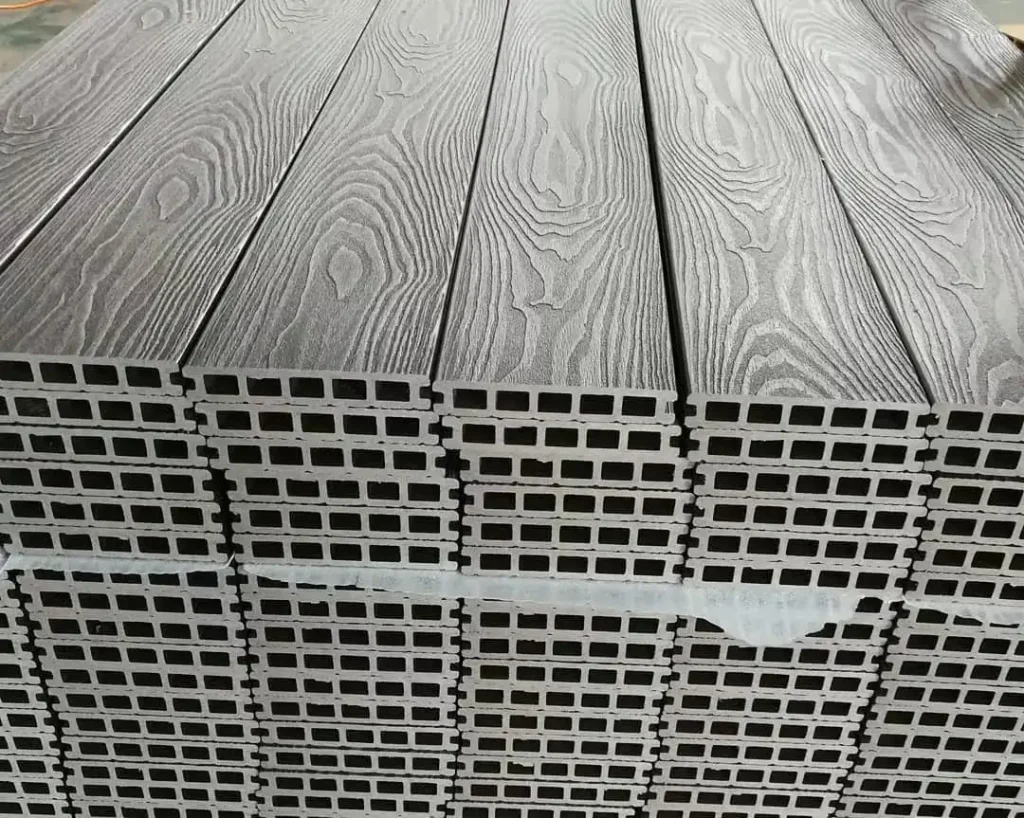
Hollow core composite decking is a more lightweight option that features a hollow center. This design helps reduce the material cost while still providing the benefits of composite decking, such as durability and resistance to the elements. Hollow-core composite decking may be more affordable, but it is not as strong as solid core decking.

3. Capped Composite Decking

Capped composite decking is a type of composite material that has a plastic coating around the wood core. This plastic coating adds additional protection against moisture, staining, and fading. Capped composite decking is highly resistant to wear and tear, making it a great option for areas that see a lot of foot traffic.

4. Uncapped Composite Decking

Uncapped composite decking has no protective plastic coating, which makes it more affordable. However, it is more vulnerable to stains and weathering. If you’re on a budget and don’t mind a little more maintenance, uncapped composite decking could be a viable option for your outdoor space.

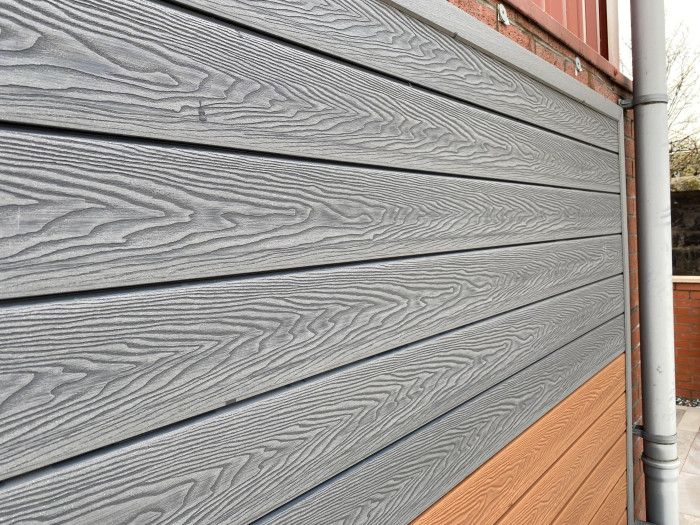
Wood Plastic Composite Exterior Wall Cladding

Cost of Low Cost Composite Decking

While the price of composite decking can vary widely based on brand, material, and installation costs, low-cost composite decking typically ranges from $2 to $4 per linear foot for the material itself. When you factor in installation costs, the total price can range from $10 to $20 per square foot, depending on your location and the complexity of the installation.

It’s important to note that while low-cost composite decking might require a higher initial investment compared to traditional wood decking, it will save you money over time by eliminating the need for regular maintenance, repairs, and replacements.

Installing Low Cost Composite Decking

Installing low-cost composite decking is relatively simple, but it’s important to follow the manufacturer’s guidelines to ensure proper installation. Here are the key steps for installing composite decking:

1. Prepare the Ground

Before installing your composite decking, you need to prepare the area. This involves clearing any debris, leveling the ground, and possibly installing a subframe or foundation to provide support for the decking.

2. Install the Joists

Next, you’ll need to install the joists, which are the supporting beams that hold the decking boards in place. Make sure to space the joists evenly and securely fasten them to the ground.

3. Lay the Decking Boards

Once the joists are in place, you can begin laying the decking boards. Start from one end of the deck and work your way across, securing each board with screws or clips. Be sure to leave gaps between the boards to allow for expansion and drainage.

4. Finishing Touches

After the boards are in place, you can add finishing touches such as trim, railings, and stairs. Be sure to follow the manufacturer’s instructions for these elements to ensure a professional-looking finish.

Composite Decking Cost

Maintaining Your Low Cost Composite Decking

One of the biggest advantages of composite decking is its low maintenance. However, a little bit of care can go a long way in preserving its appearance and durability. Here are some simple maintenance tips:

  • Clean Regularly: Use a broom, leaf blower, or garden hose to remove debris. If necessary, wash the surface with a mild soap solution to remove dirt and stains.
  • Avoid Harsh Chemicals: Harsh cleaning chemicals can damage the surface of your composite decking. Stick to mild, non-abrasive cleaners.
  • Inspect for Damage: Periodically check your decking for any signs of damage, such as loose boards or gaps. Repair or replace any damaged sections as needed.
  • Prevent Stains: Wipe up spills immediately to avoid staining. Be especially cautious with oil-based substances like BBQ grease, which can be difficult to remove.

Conclusion

Low-cost composite decking offers an affordable and durable solution for enhancing your outdoor space. With its low-maintenance, long-lasting, and eco-friendly properties, composite decking is quickly becoming a top choice for homeowners looking to create a stylish and functional deck without the high costs associated with traditional wood decking.

By choosing low-cost composite decking from Hosung, you can enjoy the beauty and benefits of a high-quality deck while staying within your budget. Whether you choose solid core, hollow core, capped, or uncapped options, there’s a composite decking solution that fits your needs and preferences. So, if you’re planning to install a new deck, consider low-cost composite decking as a smart, cost-effective choice that will provide lasting value for years to come.

Scroll to Top