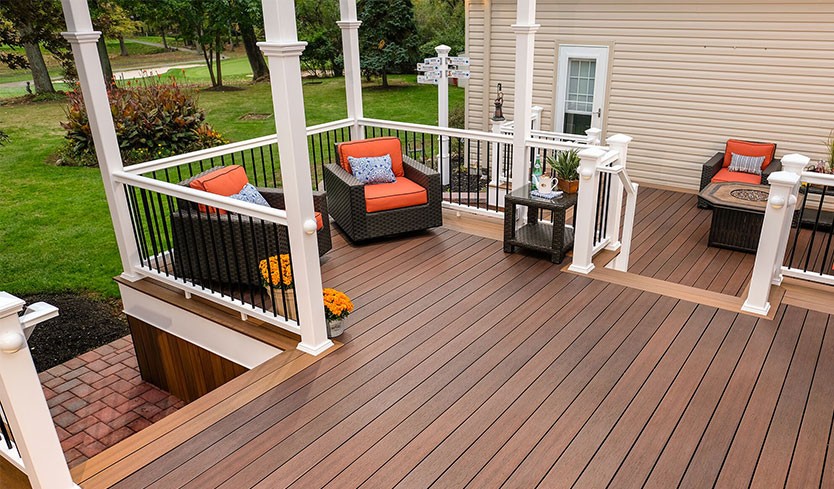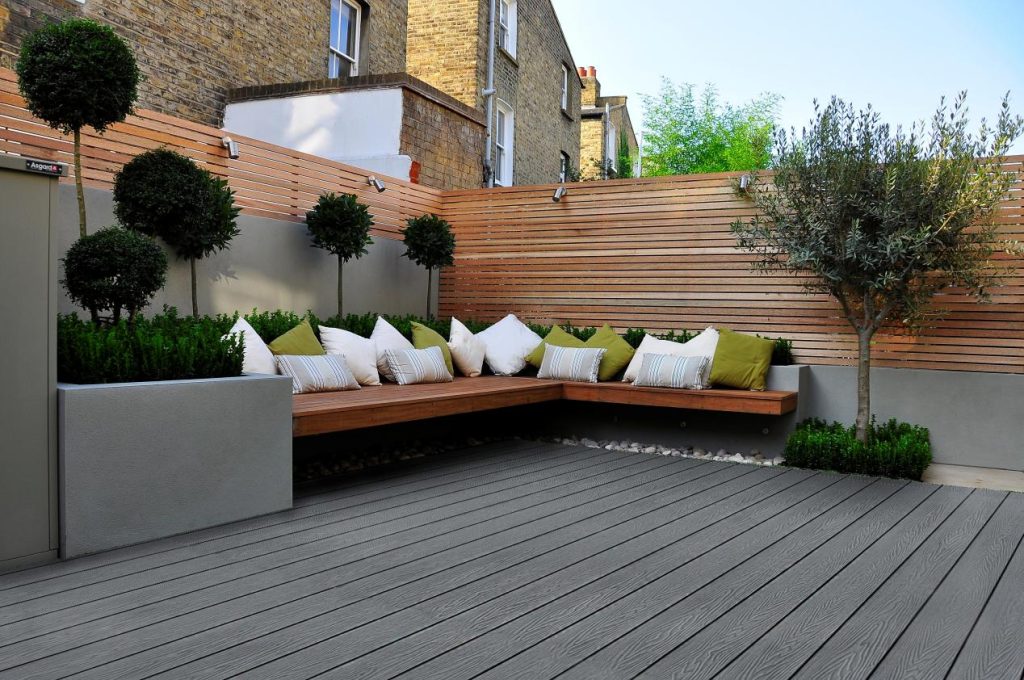
When it comes to designing a durable, elegant, and low-maintenance outdoor space, composite decking is one of the most popular choices among homeowners and commercial contractors. Among the top brands in the market, Millboard composite decking is known for its premium look and craftsmanship, while Hosung composite decking stands out as a cost-effective yet high-quality alternative. In this detailed comparison, we’ll explore the similarities and differences between Millboard and Hosung composite decking in terms of materials, performance, price, and design flexibility, helping you decide which brand suits your needs best.
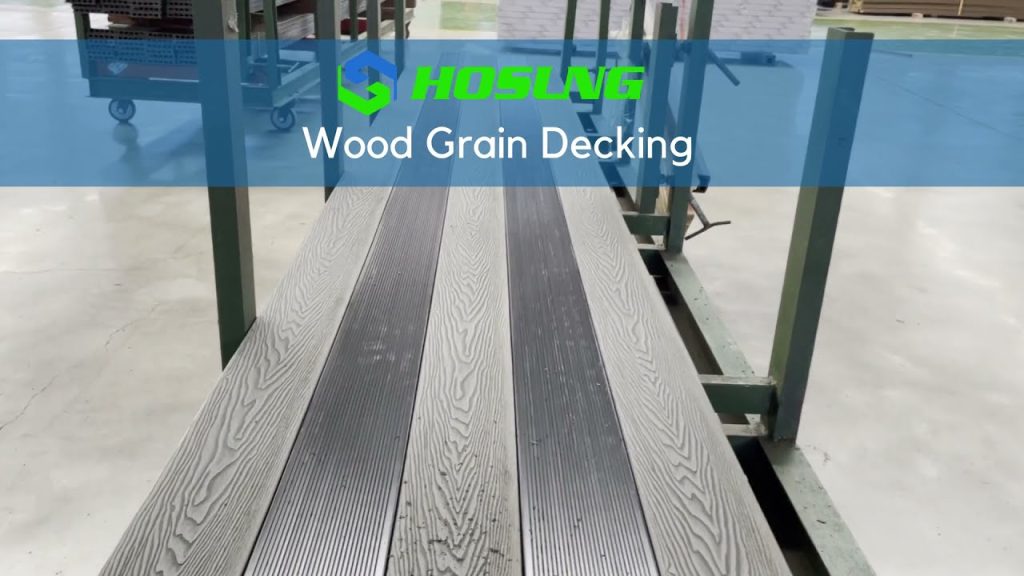
Table of Contents
Millboard Composite Decking Overview
1.1 Brand Background
Millboard is a UK-based composite decking manufacturer widely recognized for its luxury decking boards that closely mimic the natural beauty of real timber. The brand focuses on producing hand-molded boards using actual wood grains to achieve a unique and realistic surface texture.
Since its establishment, Millboard has positioned itself as a high-end decking brand targeting premium residential and commercial projects. Its products are known for their outstanding aesthetics, durability, and weather resistance—ideal for customers seeking luxury outdoor spaces without the need for frequent maintenance.
1.2 Product Positioning
Millboard composite decking is primarily marketed as a premium, non-wood composite material that looks and feels like real timber but offers superior longevity. Unlike many composite decking brands that use traditional wood-plastic composites (WPC), Millboard uses a polyurethane resin base reinforced with mineral fibers, creating a solid and dense core.
The surface layer is coated with a Lastane® elastomer that provides a slip-resistant and stain-resistant finish. This makes Millboard ideal for high-traffic areas, pool surrounds, patios, and terraces where both safety and appearance matter.
1.3 Key Product Features
Hand-molded wood grain texture
Polyurethane resin core with mineral reinforcement
Non-porous surface that resists stains and algae
UV and weather resistant, suitable for harsh climates
Slip-resistant surface, even when wet
Premium pricing, reflecting craftsmanship and brand value
While Millboard offers superior visual appeal, the main drawback for many customers remains its high cost and limited design flexibility due to its proprietary material formula and color range.
Hosung Composite Decking Overview
2.1 About Hosung
Hosung is a global composite decking manufacturer with over 20 years of experience in producing wood plastic composite (WPC) products. The company focuses on combining eco-friendly materials, advanced extrusion technology, and modern aesthetics to deliver decking solutions for residential and commercial applications worldwide.
Unlike Millboard, which primarily targets the luxury market, Hosung composite decking provides a perfect balance between affordability, quality, and customization. The brand has established strong export markets across Europe, Australia, and North America, gaining recognition for consistent quality and reliable OEM/ODM services.
2.2 Product Range
Hosung offers a wide range of decking types and finishes, including:
Solid WPC decking – for heavy-duty, long-lasting applications
Hollow WPC decking – lightweight, cost-effective choice
Co-extrusion decking (Capped composite decking) – enhanced surface protection
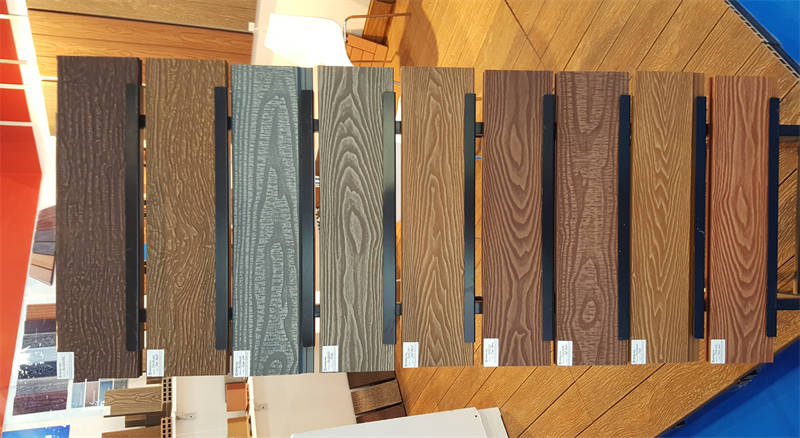
3D wood grain & brushed surfaces – realistic textures for aesthetic appeal
Multiple color options – from light oak to dark walnut
Customizable lengths and profiles
This variety allows Hosung to meet different project needs—from backyard patios to large-scale commercial boardwalks—offering far more design flexibility than Millboard’s fixed catalog.
2.3 Key Product Features
Recycled wood and HDPE-based WPC material
Co-extruded surface for improved durability
Resistant to moisture, rot, and termites
UV and fade resistance for long-term color stability
Slip-resistant surface texture
Customizable colors, profiles, and surface finishes
Factory-direct pricing for global buyers
In short, Hosung composite decking provides high performance at a significantly lower price point, making it a practical and attractive alternative to Millboard composite decking.

Detailed Comparison: Millboard vs Hosung Composite Decking
Below is a side-by-side comparison between the two brands to help you better understand their core differences.
| Feature | Millboard Composite Decking | Hosung Composite Decking |
|---|---|---|
| Material Composition | Polyurethane resin + mineral fibers | Wood-plastic composite (WPC): wood fiber + HDPE |
| Surface Finish | Hand-molded, Lastane® elastomer coating | Co-extruded 3D wood grain or brushed finish |
| Slip Resistance | Excellent, R11–R12 rating | Excellent, R11 rating |
| Weather Resistance | High, UV and frost resistant | High, UV and moisture resistant |
| Maintenance | Minimal (non-porous surface) | Low (regular cleaning only) |
| Customization | Limited colors & profiles | Customizable color, length, and design |
| Environmental Impact | Non-recycled materials | 95% recycled materials |
| Average Lifespan | 25–30 years | 20–25 years |
| Price Range | $$$$ (Premium tier) | $$ (Mid-range, factory-direct) |
| Ideal Use | Luxury residential or commercial projects | Residential, public, and large-scale projects |
As seen above, while both brands deliver durability and aesthetics, Hosung offers far greater customization and cost efficiency, whereas Millboard focuses more on craftsmanship and exclusivity.
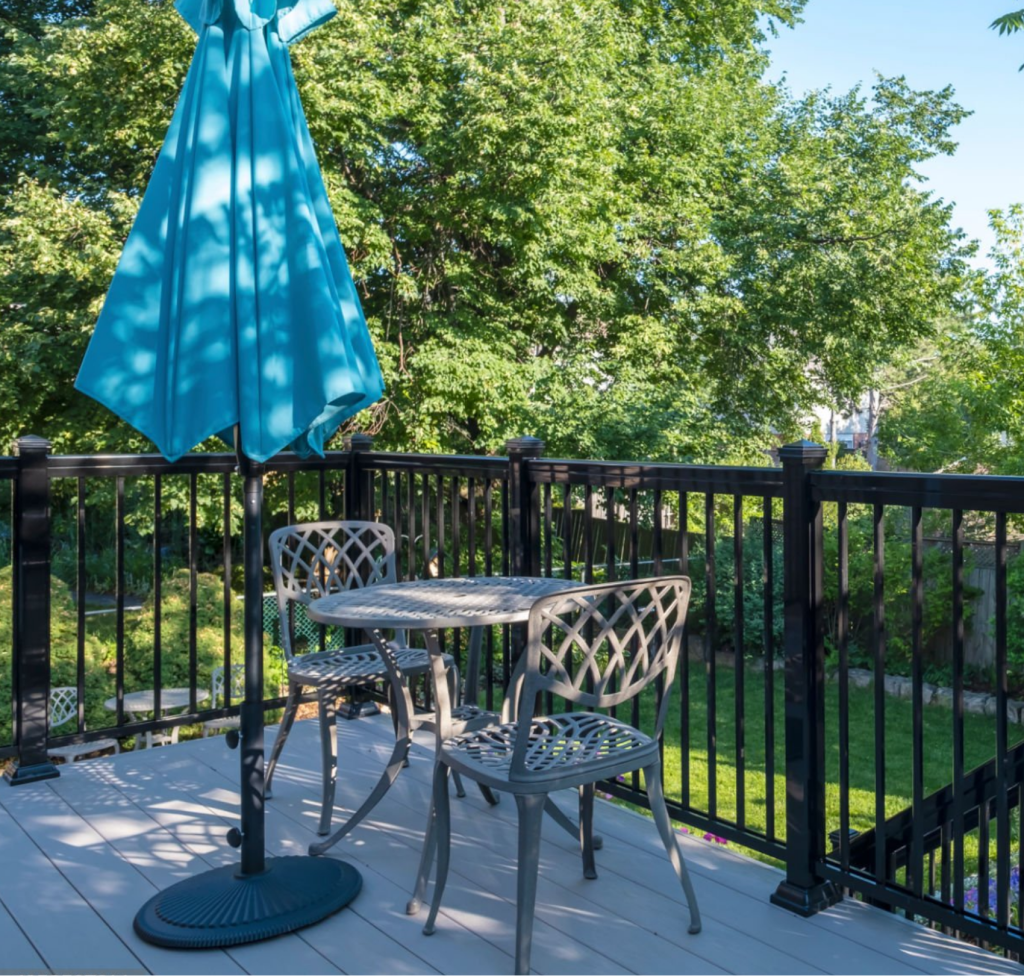
Performance Comparison
4.1 Durability
Both brands are built to last in outdoor environments. Millboard’s polyurethane base resists rot and water absorption completely, while Hosung’s co-extruded WPC boards combine a waterproof shell and solid structure to ensure durability even in humid or coastal climates.
4.2 Slip Resistance
Safety is essential for decking, especially around pools or patios. Millboard’s Lastane surface delivers an R11–R12 slip rating, while Hosung composite decking also meets international standards for slip resistance, providing secure footing even in wet conditions.
4.3 UV and Color Stability
Millboard’s UV-resistant coating prevents fading over time. Hosung’s co-extruded capped layer performs equally well, maintaining color stability under long-term sunlight exposure. The advantage for Hosung is that it offers a broader range of UV-tested colors at a more affordable cost.
4.4 Maintenance Requirements
Neither decking type requires painting, oiling, or sealing. Millboard’s non-porous surface repels dirt and stains, while Hosung’s capped surface resists scratches, mold, and algae growth. Regular cleaning with soap and water is sufficient for both.
4.5 Sustainability
Hosung takes the lead in sustainability. Its decking boards are made from recycled wood fibers and plastics, reducing environmental impact. Millboard uses virgin materials, which provide high performance but less eco-benefit.
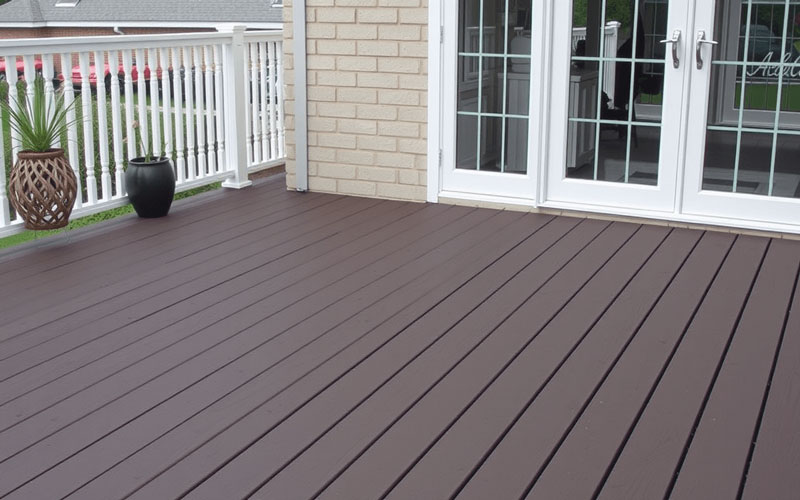
Price and Value Comparison
Price is one of the most significant differences between the two brands.
Millboard composite decking typically costs between £120 – £160 per square meter, depending on the model and region.
Hosung composite decking, on the other hand, is priced at around £45 – £80 per square meter, depending on profile type (solid or hollow) and surface finish.
For customers managing large decking projects or seeking high-quality results without the premium brand markup, Hosung provides excellent value. Its factory-direct supply chain further lowers costs by eliminating distributor margins.
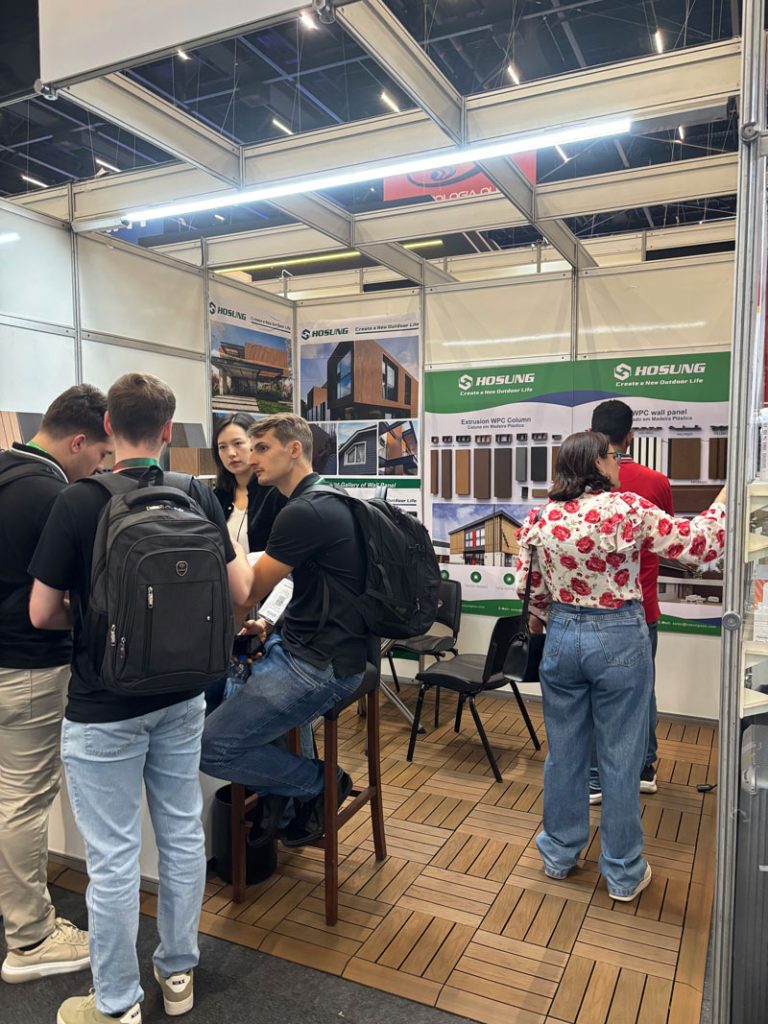
Why Hosung Could Be a Great Alternative to Millboard
If you admire the aesthetic and performance of Millboard but are searching for a more budget-friendly, customizable, and eco-conscious alternative, Hosung composite decking is a perfect choice. Here’s why:
6.1 Cost-Effective Without Compromise
Hosung offers comparable performance and visual appeal at nearly half the price of Millboard decking. Customers can achieve a similar natural wood look while staying within their project budgets.
6.2 Design Flexibility
While Millboard limits buyers to a few colors and profiles, Hosung provides dozens of customizable colors, grain patterns, and lengths. You can even match specific design themes for residential, garden, or public installations.
6.3 Strong Export Capability and Certifications
Hosung decking products are tested according to EN, ASTM, and ISO standards, ensuring quality consistency for global buyers. The company’s strong export logistics and OEM experience make it a reliable supplier for international distributors.
6.4 Sustainable Manufacturing
With a production process based on recycled materials, Hosung helps reduce deforestation and plastic waste, aligning with green building trends and environmental regulations in Europe and North America.
6.5 Factory-Direct Supply Chain
Hosung’s direct manufacturing model allows customers to enjoy shorter lead times and better pricing transparency. Whether for wholesale, retail, or project supply, buyers receive direct support from the factory.
Customer Use Cases and Applications
Hosung composite decking has been widely used in:
Residential patios and balconies
Hotel and resort pool decks
Commercial boardwalks and public walkways
Garden landscaping projects
Balcony flooring for high-rise apartments
These installations showcase real-world performance similar to Millboard decking, proving that high quality doesn’t always have to come with a high price tag.
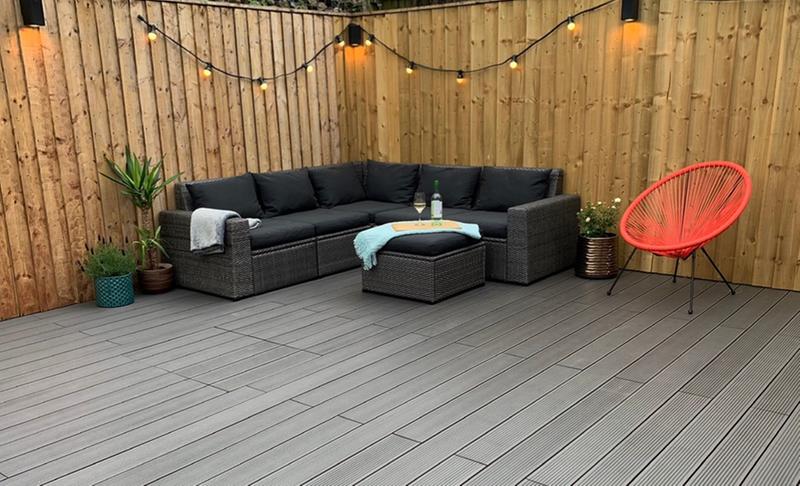
Conclusion: Finding the Best Composite Decking for Your Project
Both Millboard and Hosung composite decking represent top-quality options in the decking market.
If you prioritize brand prestige, artisan craftsmanship, and premium appearance, Millboard remains an excellent choice.
However, if you’re seeking a more affordable, customizable, and eco-friendly decking solution without sacrificing durability or aesthetics, Hosung composite decking is your ideal alternative.
With its wide product range, reliable performance, and direct factory pricing, Hosung continues to gain recognition as one of the best Millboard composite decking alternatives available today.
Whether you’re designing a luxury patio, a commercial boardwalk, or a garden deck, Hosung offers the flexibility and value to bring your vision to life.
Know More About Hosung composite decking today—discover how you can achieve the same elegance and performance as Millboard at a fraction of the cost.
Visit [hosungdeck.com] or contact us for samples and a personalized quotation.