When it comes to decking, homeowners have a variety of material choices that can impact both aesthetics and budget. Composite decking, known for its durability, low maintenance, and eco-friendly qualities, has become a popular choice. However, many still wonder about the costs involved and how they can choose the most affordable composite decking without compromising on quality. This article will explore various types and materials of composite decking, offering guidance on choosing the most affordable options that best meet your needs. From understanding the different components that make up composite decking to identifying cost-effective brands, we’ll provide you with everything you need to make an informed decision.
Table of Contents
Understanding Composite Decking
Composite decking is made from a blend of wood fibers and plastic materials, offering the best of both worlds. It’s designed to mimic the appearance of wood while being more durable and weather-resistant. The general components of composite decking are:
- Wood fibers: Recycled sawdust or wood fibers, contributing to the “wood-like” appearance and strength.
- Plastic: Often recycled, the plastic portion helps provide moisture resistance and durability against the elements.
- Additives: To improve color retention, UV stability, and resistance to stains.
1.1. Key Benefits of Composite Decking
- Low maintenance: No need for staining or sealing.
- Durability: Resistant to mold, mildew, and insects.
- Eco-friendly: Made from recycled materials, making it a sustainable choice.
- Aesthetically pleasing: Many options closely resemble natural wood.
Types of Composite Decking
There are different kinds of composite decking materials available. These are categorized based on their construction, which affects both their appearance and price.
2.1. Capped Composite Decking
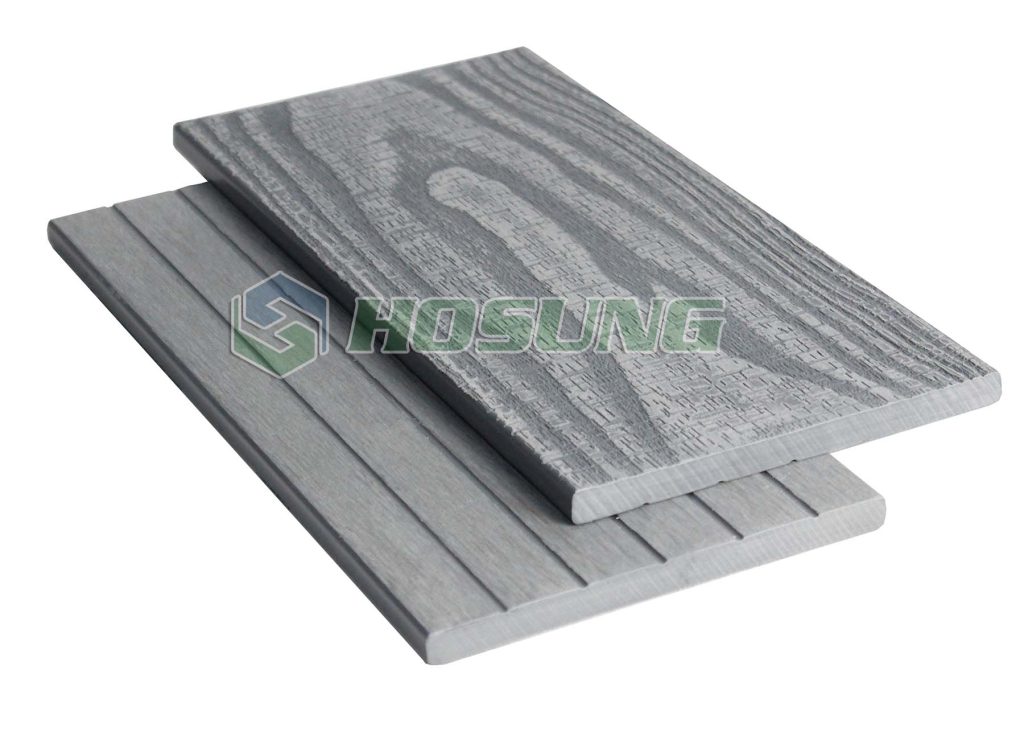
Capped composite decking is the most common type and has a protective shell around the core of the board. This shell is usually made of PVC or other synthetic materials. The core often contains wood fibers mixed with plastic. The cap provides added durability, improving resistance to stains, scratches, and fading.
Pros:
- Better resistance to stains and fading due to the cap.
- More affordable than fully synthetic decking.
Cons:
- The cost is slightly higher compared to uncapped composite decking.
2.2. Uncapped Composite Decking
Uncapped composite decking does not have the protective outer layer, which makes it more prone to fading and staining over time. However, this also makes it more affordable.
Pros:
- Budget-friendly.
- Offers a more natural, unfinished wood look.
Cons:
- Requires more maintenance compared to capped composite decking.
- Less resistant to stains and fading.
2.3. Fully Synthetic (PVC) Decking
PVC decking is made entirely from plastic and does not contain any wood fibers. It’s a completely synthetic product, offering excellent resistance to weather conditions and staining. While PVC decking is highly durable, it is often the most expensive option.
Pros:
- Highly durable and weather-resistant.
- Low maintenance with no risk of mold or mildew.
Cons:
- The cost is generally higher than composite decking with wood fibers.
- Not as “natural” in appearance as wood-based composites.
Materials Used in Composite Decking
Composite decking materials can vary significantly in both quality and pricing. The core difference often comes down to the type and proportion of plastic and wood used in the decking composition. Each material offers distinct advantages and drawbacks, and understanding them can help you choose the best option for your needs and budget.
3.1. Wood-Plastic Composite (WPC)
Wood-plastic composite (WPC) decking is the most popular form of composite decking available today. It is made by combining recycled wood fibers, such as sawdust or wood chips, with plastic materials like recycled plastic bottles or high-density polyethylene (HDPE). This mixture results in a deck that retains the natural look of wood while benefiting from the durability and low maintenance of plastic.
Pros:
- Affordable: Compared to fully synthetic PVC decking, WPC is more affordable and still offers a good balance of durability and aesthetics.
- Durable and Low Maintenance: WPC decking resists damage from insects, mold, and mildew. It does not rot like natural wood and requires far less maintenance, such as sealing or staining, making it an appealing option for budget-conscious homeowners.
- Eco-Friendly: Made from recycled materials, WPC decking helps reduce the need for virgin wood and plastic, contributing to a more sustainable construction material.
- Variety of Styles: Many WPC options are designed to mimic the look of natural wood, offering various colors and finishes.
Cons:
- Expansion and Contraction: WPC decking can expand and contract with temperature changes, which may cause gaps or buckling if not installed properly. This is a concern in regions with extreme temperature fluctuations.
- Less Resistant to Scratching and Fading: While WPC decking is durable, it may not have the same level of scratch and UV resistance as fully synthetic options. Over time, exposure to sunlight can cause the decking to fade.
- Maintenance: While it’s low-maintenance compared to wood, WPC decking still requires occasional cleaning and periodic sealing to maintain its appearance.
3.2. High-Density Polyethylene (HDPE)
High-Density Polyethylene (HDPE) is a type of plastic used to manufacture composite decking that contains little or no wood fibers. HDPE decking is made entirely from recycled plastic materials, which makes it an eco-friendly choice. This material is often found in higher-end composite decking products due to its superior durability and strength.
Pros:
- Eco-Friendly: HDPE decking is considered more environmentally friendly compared to wood-based composites. It uses less wood and repurposes recycled plastic materials, helping to reduce landfill waste.
- Durability: HDPE decking offers excellent resistance to the elements, including moisture, mold, mildew, and UV rays. Its solid plastic construction makes it highly resistant to rot, warping, and insect infestation.
- Low Maintenance: Like other plastic decking materials, HDPE requires minimal upkeep. It doesn’t need to be stained, sealed, or treated like traditional wood, and it is easy to clean with just soap and water.
- Aesthetic Appeal: HDPE decking often has a smoother finish compared to wood-based composites, and it comes in various colors and textures, making it a highly versatile option for modern designs.
Cons:
- Higher Cost: The primary disadvantage of HDPE decking is its price. It is often more expensive than wood-plastic composite decking due to the manufacturing process and the high cost of recycled plastic materials.
- Less Natural Look: While HDPE decking can be designed to resemble wood, it often lacks the authentic texture and feel of wood-based composites. Some homeowners may prefer the natural appearance of wood fibers, which is less prevalent in HDPE decks.
3.3. Fiberglass Composite Decking
Fiberglass composite decking is a premium choice that incorporates fiberglass strands into the composite mixture. This construction gives the decking board enhanced strength and performance. Fiberglass composite boards are typically more expensive than other types of composite decking, but they provide the highest level of durability.
Pros:
- High Strength and Durability: Fiberglass composite decking is exceptionally strong and resistant to various environmental factors, including water, mold, mildew, and UV rays. The fiberglass reinforcement makes it one of the most durable decking materials available, capable of withstanding harsh weather conditions.
- Moisture Resistance: Unlike wood-based composites that can absorb moisture, fiberglass decking is highly water-resistant. This makes it ideal for areas with high humidity, such as coastal regions, or places that experience frequent rain or snowfall.
- Low Maintenance: Fiberglass decks require minimal maintenance, as they do not warp, rot, or degrade like wood. Cleaning involves little more than a simple wash with mild soap and water.
- Long Lifespan: Given its resistance to the elements, fiberglass composite decking has an incredibly long lifespan. It can last much longer than wood and other composite materials, making it a great investment in the long term.
Cons:
- Cost: Fiberglass composite decking is one of the most expensive options on the market, often surpassing wood-plastic composite and HDPE in price. The manufacturing process and the use of fiberglass contribute to this higher cost.
- Limited Style Options: While fiberglass decking is strong and durable, it may not offer as many design or color options as wood-plastic composite decking. Some homeowners may find the aesthetic less customizable compared to other types of composite decking.
How to Choose the Most Affordable Composite Decking
Selecting the most affordable composite decking depends on various factors. Here’s how you can make a budget-friendly decision without sacrificing quality:
4.1. Compare Brands and Products
Different composite decking brands offer various price points. Look for lesser-known brands that offer great value for money without compromising on quality. Often, these brands use the same materials as premium brands but at a more affordable price.
4.2. Consider the Warranty and Durability
Cheaper composite decking might come with a shorter warranty. While you might save money upfront, you could end up spending more on repairs or replacements in the long run. Choose products that offer a good balance of affordability and a reliable warranty.
4.3. Select Uncapped Composite Decking for Budget-Friendly Options
If you’re on a tight budget, uncapped composite decking can be a great option. While it requires more maintenance, it’s less expensive upfront and can still provide long-lasting value when properly cared for.
4.4. Installation Costs
Don’t forget to factor in installation costs. Some decking products may appear cheaper, but they can be more challenging to install, which could increase labor costs. Opting for easy-to-install products can help lower your overall costs.
4.5. Look for Bulk or Overstock Deals
Many suppliers offer discounts on bulk orders or overstock items. If you have a large decking project, purchasing in bulk could help reduce the per-square-foot cost. Additionally, some suppliers offer sales or promotions at different times of the year, so keep an eye out for discounts.
Popular Affordable Composite Decking Brands
Here are some brands known for providing affordable composite decking options:
- Trex Select: Known for high-quality, budget-friendly options that are capped for better durability.
- TimberTech Edge: Offers solid and affordable composite decking materials.
- Fiberon Horizons: A more affordable brand, with various options that fit within different price ranges.
- Evergrain: Offers reliable and affordable composite decking that is easy to maintain.
Maintenance Tips for Composite Decking
While composite decking is designed to require minimal upkeep, it’s still important to maintain it properly to extend its lifespan. Here are some simple tips:
- Clean regularly: Sweep away leaves and debris to prevent buildup.
- Wash periodically: Use a mild detergent and water to wash your deck and remove stains.
- Inspect for damage: Check for any signs of damage, especially after extreme weather.
Conclusion
Composite decking in our factory offers an excellent balance of affordability and durability. By understanding the different types of composite decking, the materials used, and what to look for in terms of price, you can make an informed decision that suits both your budget and your aesthetic preferences. Whether you choose capped composite, uncapped, or fully synthetic decking, the most affordable option might not always be the cheapest upfront but the one that offers the best long-term value. Be sure to shop around, compare options, and consider factors like warranty, maintenance, and installation costs to get the most value for your money.