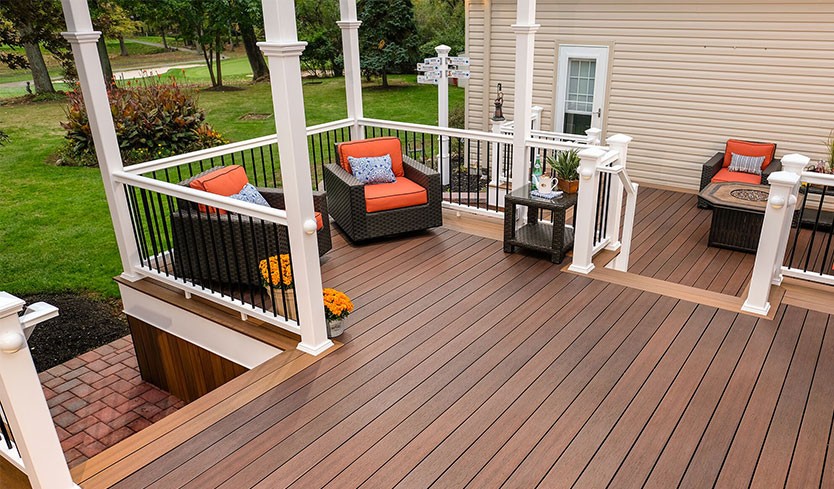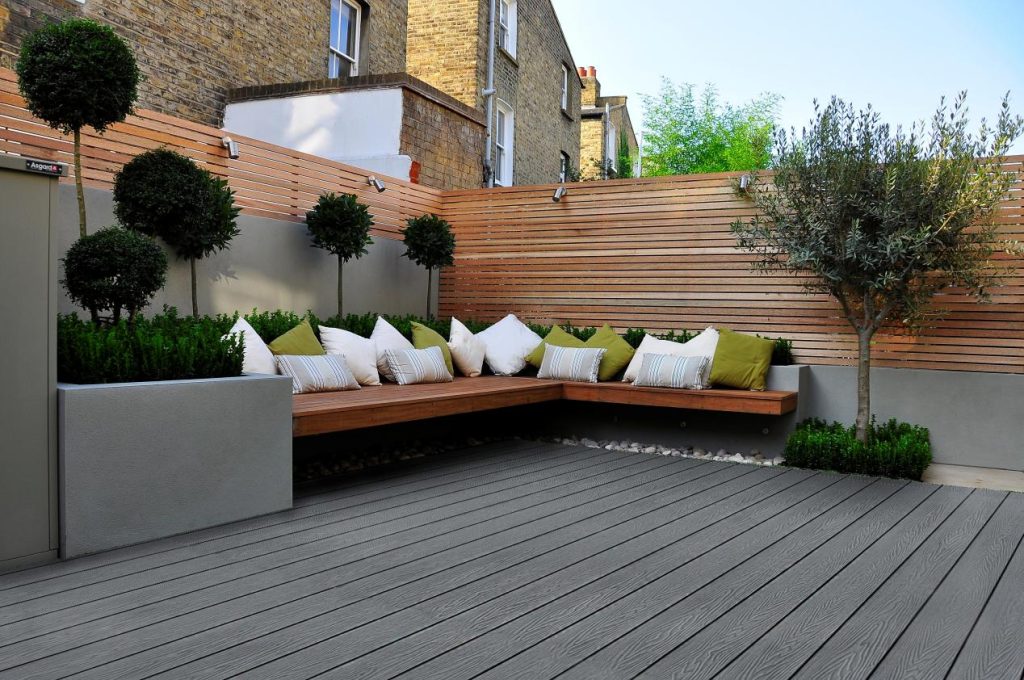
Composite decking has become an increasingly popular choice for homeowners who seek a low-maintenance, durable, and aesthetically pleasing decking solution. The primary allure of composite decking is its ability to mimic the look and feel of traditional wood while offering superior performance and longevity. When it comes to decking materials, the “most realistic composite decking” is often the top priority for those who want a natural look without the challenges associated with real wood. In this blog post, Hosung will explore what makes composite decking realistic, the types available, and how to select the best option for your outdoor space.
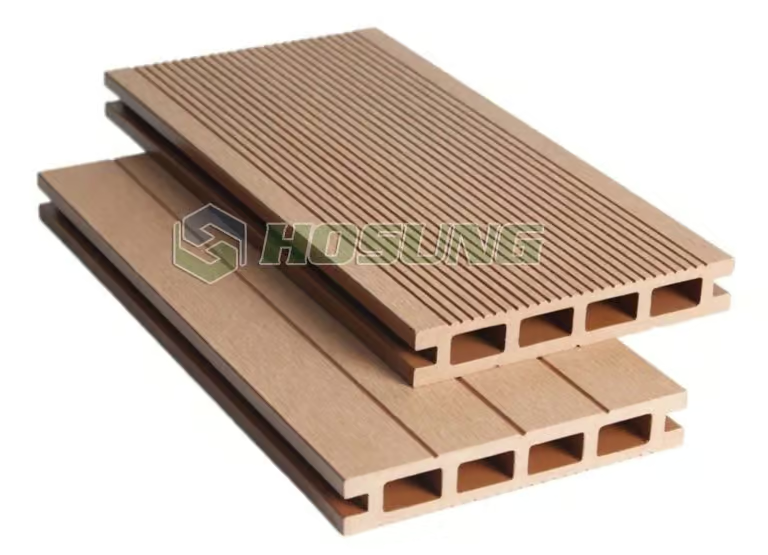
Table of Contents
Know More About Composite Decking
Composite decking is a material made from a blend of wood fibers and plastic. This combination results in a durable, low-maintenance surface that can closely resemble the appearance of natural wood. Composite boards are engineered to withstand the elements, including UV rays, moisture, and temperature fluctuations, without the warping, splintering, or rotting that can plague traditional wood decking. This is why it is a popular choice for outdoor spaces exposed to harsh weather conditions.
The key advantage of composite decking is its ability to be manufactured in a variety of textures, colors, and designs. With advancements in technology, manufacturers can now produce composite decking that mimics the grain, texture, and color variations of real wood so closely that the difference is nearly indistinguishable. This is what makes it the “most realistic composite decking” option on the market.
Types of Composite Decking
There are several different types of composite decking on the market, each with its unique features. While all composite decking boards provide the advantages of durability and low maintenance, some are designed to offer more realistic wood-like appearances. The following are the most common types:
1. Capped Composite Decking
Capped composite decking is one of the most popular and realistic types of composite boards. It consists of a core made from wood fibers and recycled plastic, which is then capped with a protective layer made of a durable, UV-resistant polymer. This cap helps to protect the decking from moisture, stains, and fading, which is why it is often chosen for areas exposed to the elements.
The cap also helps enhance the aesthetics of the deck, providing a more natural look with wood grain textures and colors. Capped composite decking can mimic the appearance of exotic hardwoods like teak or ipe, giving your outdoor space a sophisticated, realistic finish.
2. Uncapped Composite Decking
Uncapped composite decking lacks the protective polymer layer that capped composite boards have. While it is still made of the same materials (wood fibers and plastic), uncapped composite decking is more susceptible to moisture absorption and staining over time. Despite this, some uncapped composite boards are engineered to have an incredibly natural appearance, especially when stained or treated to resemble the texture of real wood.
For those seeking a more affordable option without sacrificing realism, uncapped composite decking may be a viable choice. However, it’s important to consider its slightly higher maintenance requirements compared to capped composite decking.
3. Co-Extruded Composite Decking
Co-extruded composite decking is a newer technology in the decking industry. It features a multi-layer extrusion process, where the deck’s core is encapsulated by multiple layers of protective coatings. This advanced manufacturing process enhances the realism of the deck, particularly in terms of texture and color variations.
The outer layer often mimics the look of real wood grains, offering the most realistic composite decking appearance available. Co-extruded composite decking also boasts enhanced durability, as the layers of protection prevent fading, staining, and scratches.
4. Plastic-wood Composite Decking
This type of composite decking, often referred to as “plastic-wood composite,” is made primarily from recycled plastics and wood fibers. The key difference is the ratio of plastic to wood in the formula, which can affect both the realism and performance of the deck. Higher-quality plastic-wood composites typically offer more natural wood-like textures and colors, as well as a longer lifespan.
These boards often have visible wood-like patterns on their surfaces, contributing to their authentic aesthetic. Plastic-wood composite decking is a great option if you’re looking for the most realistic composite decking that also offers outstanding performance.
5. PVC Decking
While PVC (Polyvinyl Chloride) decking is technically a type of plastic decking, it’s worth mentioning here due to its realistic appearance. Unlike composite decking made primarily from wood fibers, PVC decking is made entirely from plastic, offering excellent resistance to stains, fading, and moisture.
Modern PVC decking often incorporates advanced textures and color patterns that mimic wood grain. This can make it an excellent option for homeowners looking for a wood-like appearance without the downsides of real wood, such as maintenance and susceptibility to pests.
Factors to Consider When Choosing the Most Realistic Composite Decking
While all composite decking materials share some common benefits, choosing the best option for your home depends on several factors. Here are the key points to consider when selecting the most realistic composite decking for your outdoor space:
1. Texture and Color
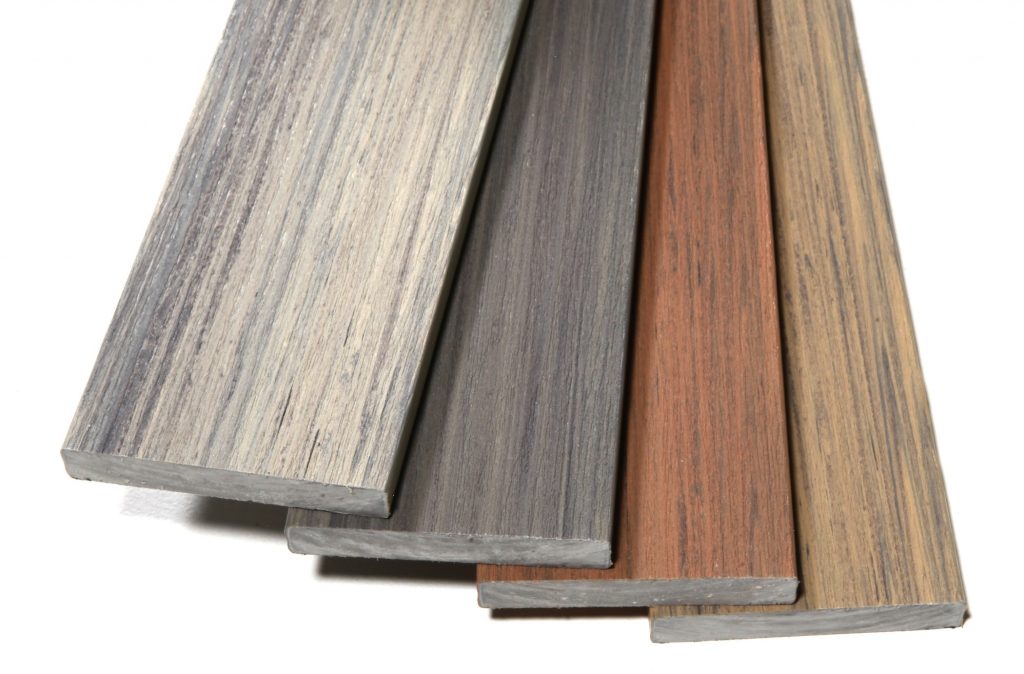
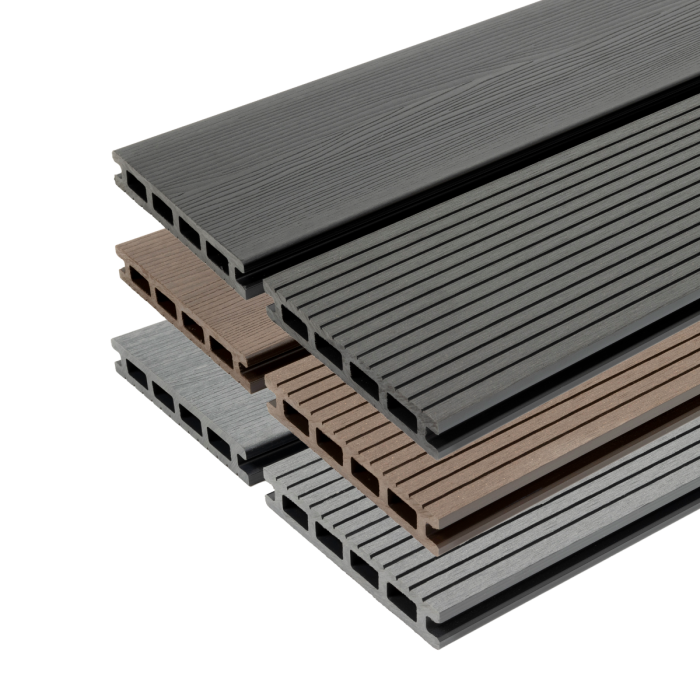
The most important factor in achieving a realistic look with composite decking is texture. Composite decking comes in a range of surface textures, from smooth to wood-grain finishes. The most realistic composite decking options typically feature embossed wood grain patterns that replicate the natural variations found in hardwood decking.
Additionally, color plays a significant role in realism. Look for colors that mimic the shades and tones of natural wood. Many composite decking brands offer a wide selection of hues, from rich browns to grays, to match the wood types you admire, such as cedar, oak, or walnut.
2. Durability
Composite decking is designed for durability, but some materials are more resistant to damage than others. Capped composite decking, for example, is often the most durable, as the protective layer helps shield the board from stains, fading, and moisture damage. This makes it ideal for areas exposed to harsh weather conditions.
If you’re after decking that can handle high foot traffic, heavy furniture, or pets, durability should be a high priority when selecting the most realistic composite decking.
3. Maintenance
Although composite decking requires less maintenance than traditional wood, some materials still require periodic cleaning, especially uncapped or plastic-wood composites. Opt for capped or co-extruded boards if you’re looking for the most realistic composite decking with minimal upkeep.
4. Environmental Impact
Most composite decking materials are made from recycled content, making them an environmentally friendly option compared to wood decking. Look for decking made from sustainably sourced or recycled materials to ensure your decking choice has a minimal environmental footprint.
5. Cost
The most realistic composite decking often comes at a higher price point due to the advanced manufacturing processes and added features such as UV protection and textured finishes. While the initial investment may be higher, the durability and low maintenance costs of composite decking can make it a cost-effective choice in the long run.
Color Selection: How to Choose the Most Realistic Composite Decking Color?
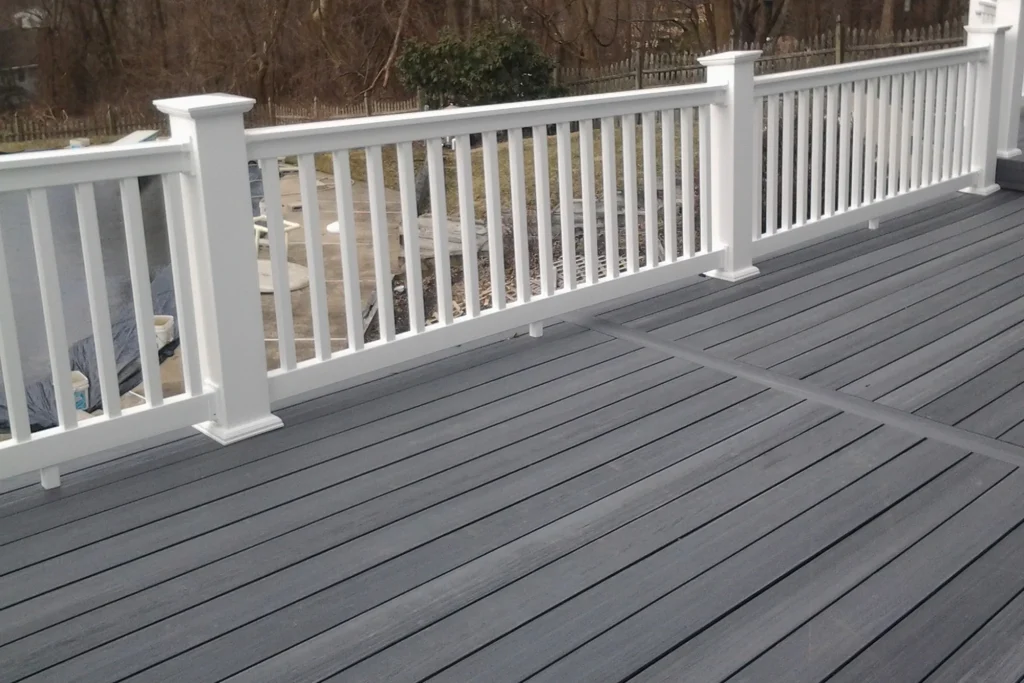
Choosing the right color for your composite decking is a crucial decision because it not only affects the visual appeal but also influences the overall atmosphere and aesthetic of your outdoor space. The most realistic composite decking is often designed to replicate the natural tones and hues of real wood, creating a look that’s almost indistinguishable from authentic wood decking. When selecting the perfect color, several factors should be considered to ensure that you get the best-looking, most durable deck for your home.
1. Mimicking Natural Wood Tones
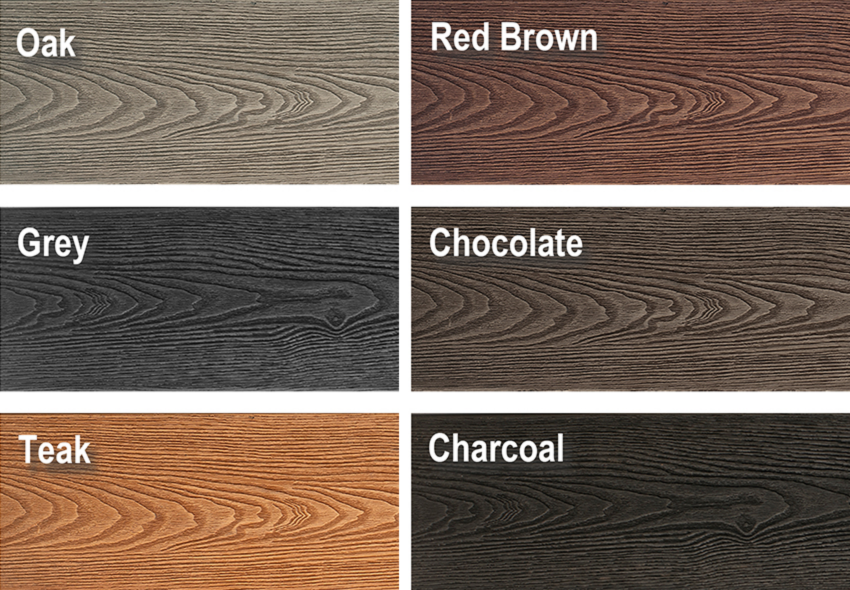
The most realistic composite decking typically emulates the natural colors of wood, such as walnut, cherry, teak, oak, and more. These natural wood tones have unique variations that can enhance the appearance of your deck, giving it a warm and inviting feel.
- Dark Wood Tones: Dark woods like walnut and mahogany evoke an elegant, luxurious feel. These tones can create a strong contrast with lighter landscaping elements and are ideal for more modern, classic, or traditional outdoor styles. If your deck is located in a cooler, shaded area, dark composite decking also absorbs more heat from the sun, creating a cozy, warm atmosphere.
- Medium Wood Tones: Woods like oak and cherry offer a balanced, natural look that suits most outdoor spaces. These mid-tone colors blend seamlessly with a variety of landscape designs and can evoke a welcoming, comfortable ambiance. Medium wood tones also work well in most climates, making them a versatile choice for different outdoor settings.
- Light Wood Tones: Lighter woods like maple or pine are perfect for creating a bright, airy vibe. These tones reflect light, making your outdoor space appear larger and more open. Lighter colors are also an excellent option for hot climates, as they help keep the deck cooler by reflecting heat rather than absorbing it.
2. Consider the Surrounding Environment
When choosing the most realistic composite decking color, it’s essential to think about the overall design and color scheme of your home and garden. A well-chosen deck color can enhance the harmony between your deck, house exterior, and surrounding landscaping.
- Matching with Architectural Style: If you have a modern or contemporary home, dark or neutral-colored decking might complement the sleek, clean lines of your design. For traditional or rustic-style homes, a warmer wood tone can create a more natural and rustic feel. Choosing the right color ensures that your decking will enhance the architectural features of your home.
- Blending with Landscaping: Think about how your decking will interact with the colors of your garden plants, trees, and flowers. Greenery often pairs well with warm wood tones like oak or cherry, while modern garden designs might favor dark or gray tones for a more minimalist look.
3. Durability and Maintenance of Color
While color plays a significant role in the aesthetic appeal of your deck, it also influences how well the deck will perform over time. Some decking colors, especially dark hues, may show signs of wear, stains, or scratches more easily. It’s important to consider the durability and maintenance needs of the chosen color.
- Dark Decking: Although dark-colored composite decking, visually striking, may fade faster when exposed to prolonged sunlight and UV rays. To maintain the color’s vibrancy, choose decking that features UV-resistant protective coatings to prevent the rapid fading that typically affects darker shades.
- Light Decking: Lighter tones tend to hold up well against fading, but they might show dirt, leaves, or debris more easily. If your deck is situated in an area with frequent weather changes or a lot of leaf litter, light-colored decking might require more frequent cleaning and upkeep to maintain its appearance.
4. Special Color Effects and Trends
With advances in composite decking technology, manufacturers now offer decking with unique color effects and finishes that can give your deck a distinctive appearance. Some of these options are designed to replicate the look of aged wood, weathered stone, or even rusted metal, giving your outdoor space a more artistic, individualized look.
Currently popular color trends for composite decking include:
- Gray and Silver Tones: These modern colors offer a clean, minimalist look that complements a wide range of styles, from contemporary to coastal. Gray and silver tones are not only trendy but also highly durable, requiring less maintenance compared to other hues.
- Sandy and Beige Tones: These soft, neutral tones are perfect for creating a relaxing, beach-inspired vibe. Sandy shades blend well with natural surroundings, making them an excellent choice for properties near the coast or in warmer climates.
- Bronze and Caramel Tones: These warm, earthy tones add a touch of rustic charm to your deck, making it feel cozy and inviting. Bronze and caramel-colored decking is especially suitable for autumn-themed designs or outdoor spaces in cooler climates.
5. Customization for a Unique Look
If you want to create a truly unique outdoor space, many composite decking manufacturers now offer customizable color options. Whether you want a specific hue to match your home’s exterior or an unusual combination of colors to suit your design, customizing your composite decking color allows you to achieve the perfect aesthetic for your backyard.
Custom colors give you the flexibility to create a one-of-a-kind deck that reflects your personal style. Some brands offer a wide range of stain finishes, including aged wood looks and weathered gray tones, enabling you to achieve a vintage or reclaimed wood appearance that’s unique to your outdoor area.
Conclusion
Choosing the most realistic composite decking from Hosung Company for your home is an important decision that requires careful consideration of texture, color, durability, and maintenance. Whether you opt for capped, co-extruded, or plastic-wood composite boards, there are plenty of options available to achieve the natural wood look you desire without the upkeep of traditional wood decking.
By keeping in mind the factors discussed in this guide, you can find the ideal composite decking that suits both your aesthetic preferences and functional needs. With the right choice, you can enjoy a beautiful, long-lasting outdoor space that requires minimal maintenance while offering the elegance and charm of natural wood.