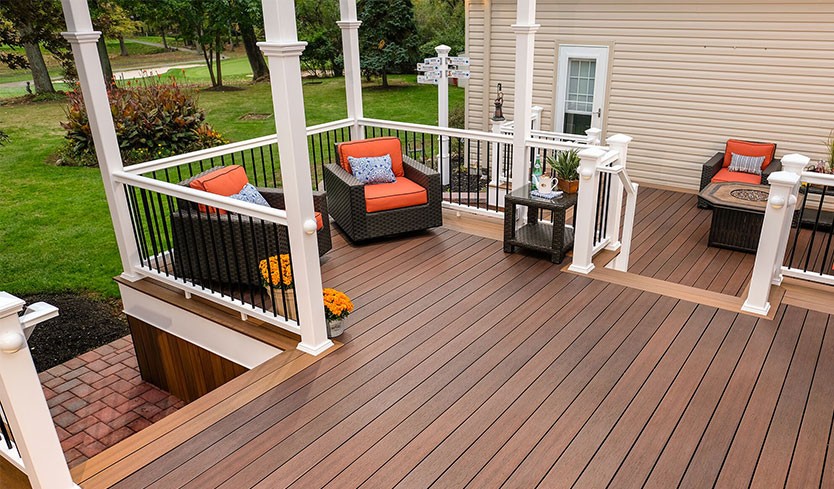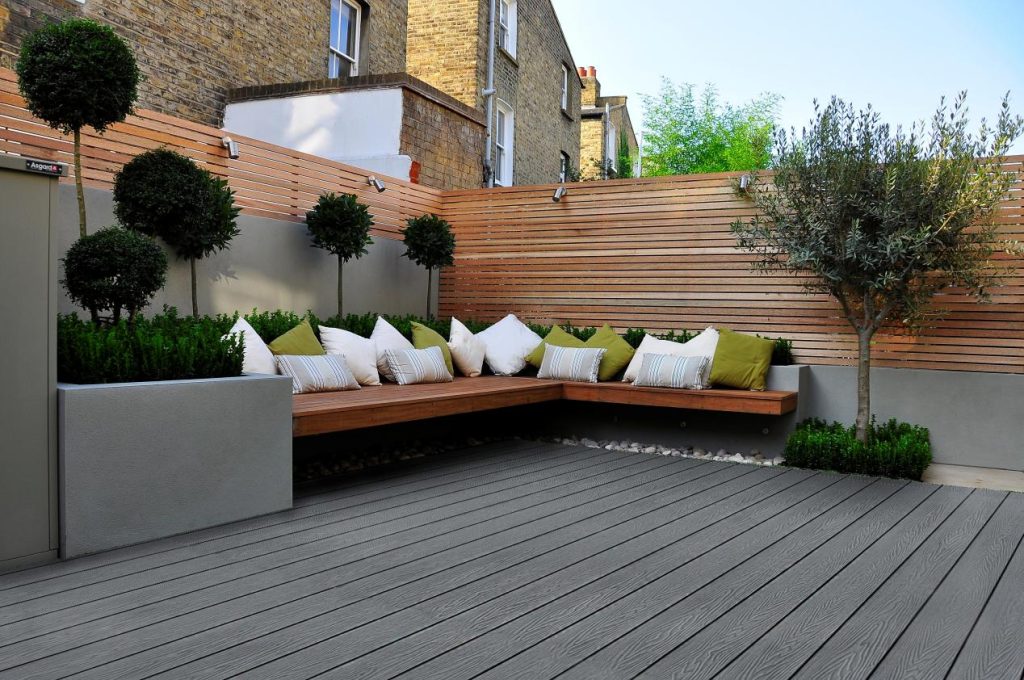
When it comes to building or renovating a deck, homeowners face an array of material choices that impact aesthetics, longevity, and maintenance. Among these, PVC vs composite decking has become one of the most frequently debated topics. Both materials offer modern solutions to traditional wood decking problems, such as rot, mold, and the constant need for maintenance. However, the differences between PVC and composite decking are significant and understanding them can help you make a better investment in your outdoor living space. In this article, we will explore the benefits, limitations, and differences between PVC and composite decking.
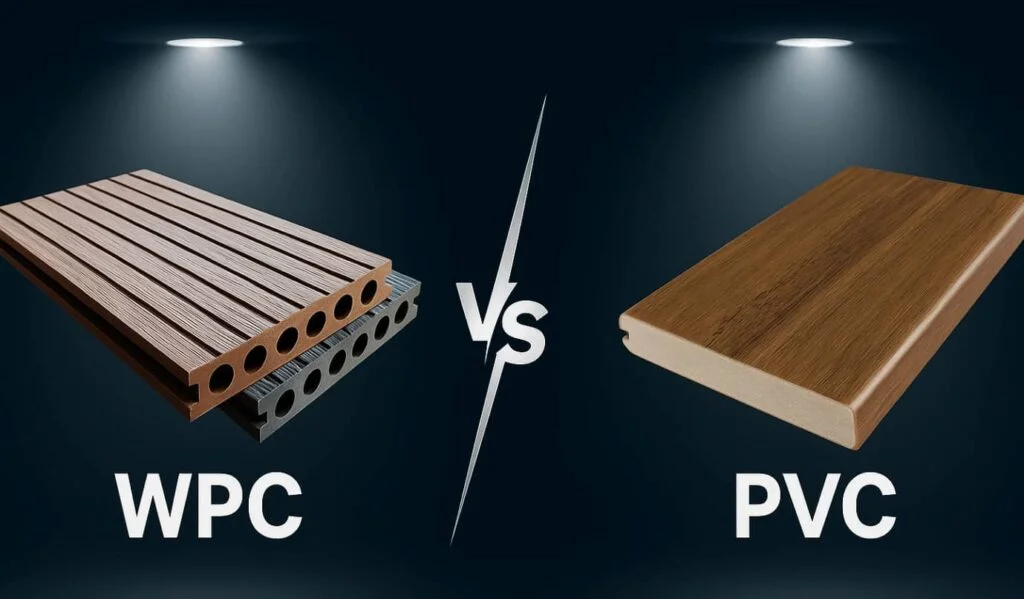
Table of Contents
Understanding PVC Decking
PVC decking, also known as polyvinyl chloride decking, is a fully synthetic material designed to mimic the appearance of wood while eliminating many of its weaknesses. Unlike composite decking, PVC contains no organic fibers or wood components. This makes it highly resistant to moisture, rot, and mold.
Advantages of PVC Decking
Water and Moisture Resistance
PVC decking is entirely waterproof, making it an ideal choice for decks near pools, lakes, or other bodies of water. Unlike wood or uncapped composites, PVC boards do not absorb water, preventing warping, swelling, or rotting over time.Low Maintenance
One of the most appealing aspects of PVC decking is how low maintenance it is. There’s no need for staining, sealing, or sanding. Occasional cleaning with soap and water is typically sufficient to keep the boards looking new.Durability and Longevity
PVC decking can last 50 years or more, far surpassing traditional wood and even most composite options. It is resistant to cracking, splitting, and insect damage.Variety of Colors and Textures
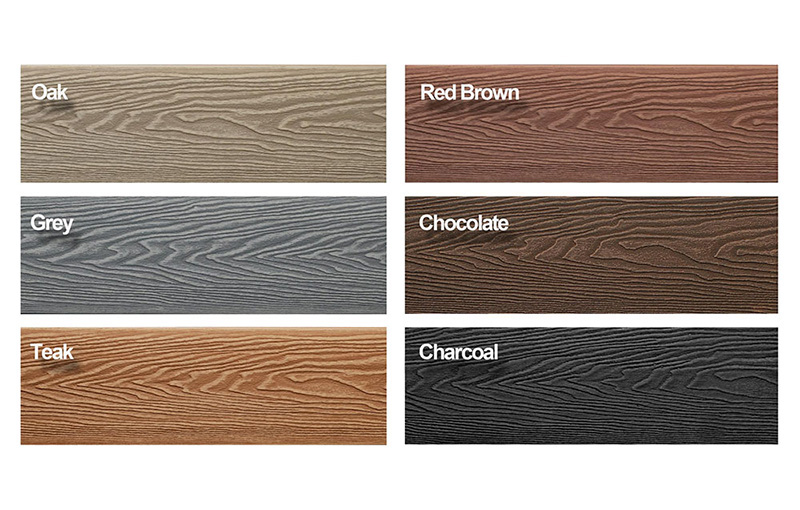
Modern PVC decking manufacturers have developed products with hyper-realistic wood grains and a wide range of color options. Unlike early PVC products that often looked plasticky, today’s PVC decking offers aesthetically pleasing options that rival natural wood.Fire Resistance
Because it is synthetic, PVC decking is less combustible than wood, making it suitable for areas prone to wildfires.
Considerations and Limitations
Heat Retention: One factor homeowners often consider is PVC vs composite decking heat retention. PVC boards can absorb heat more than some capped composite boards, especially in dark colors, which may make walking barefoot uncomfortable during hot summer days. Choosing lighter colors can mitigate this effect.
Upfront Cost: PVC decking tends to be more expensive than composite decking upfront. However, its longevity and low maintenance requirements often offset this initial cost over the life of the deck.
Quality Variations: Not all PVC decking is created equal. Older or lower-quality products may appear less natural and be prone to fading or becoming slippery when wet.
Understanding Composite Decking
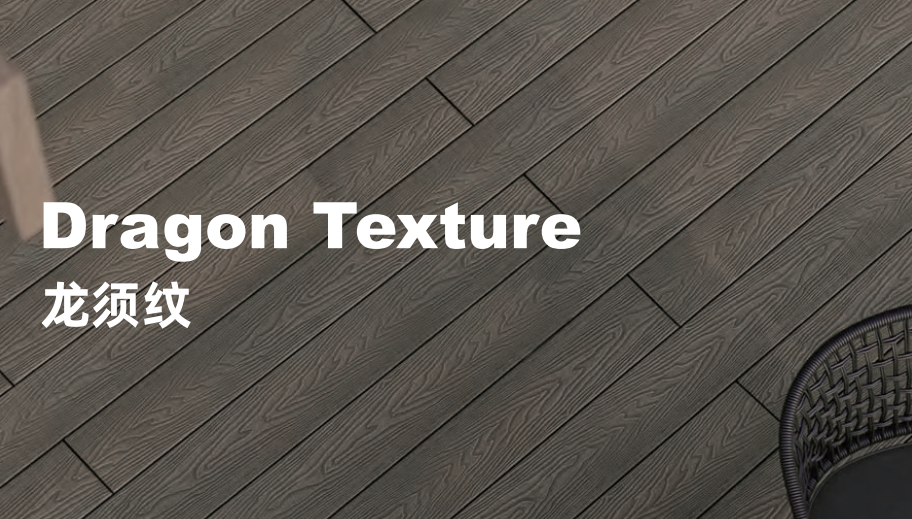
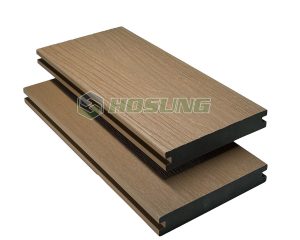
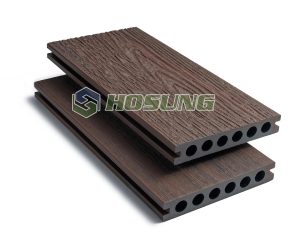
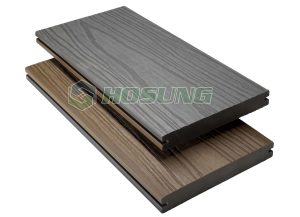
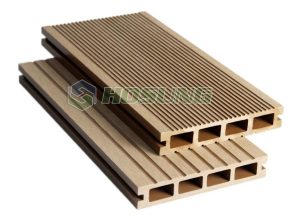
Composite decking is a hybrid material made from a blend of wood fibers and plastic polymers. It was developed to provide the visual appeal of wood while offering superior durability and resistance to rot and decay. Composite boards often feature a polymer cap, either on three or four sides, to enhance water resistance and durability.
Advantages of Composite Decking
Real Wood Look and Feel
Composite decking captures the warmth and texture of real wood without the challenges associated with traditional lumber. High-quality composites can have deep, realistic grain patterns and a range of color options.Moderate Water Resistance
While composite decking is not fully waterproof, capped composite boards are highly resistant to water penetration. Four-sided polymer capping offers protection from the top, sides, and bottom, minimizing the risk of mold, mildew, and rot.Low Maintenance
Composite decks require less maintenance than wood. There’s no need for annual sealing or staining. Cleaning is typically limited to soap and water, making it easier to maintain a clean, polished look.Slip and UV Resistance
Many composite boards are designed to be slip-resistant, which is ideal for poolside or wet areas. Additionally, the capping protects against UV degradation, reducing fading and prolonging the deck’s appearance.Budget-Friendly
For homeowners focused on initial costs, PVC decking vs composite price is an important consideration. Composite decking generally costs less upfront than PVC, making it an attractive option for those on a tighter budget.
Considerations and Limitations
Longevity: While composites last longer than wood, they typically have a shorter lifespan than PVC, averaging 25–30 years.
Flexibility: Composite boards are slightly more flexible than PVC or wood. This can require careful installation and a proper substructure to avoid sagging or warping.
Water Penetration: Boards without proper capping can absorb water, potentially leading to mold or structural issues over time.
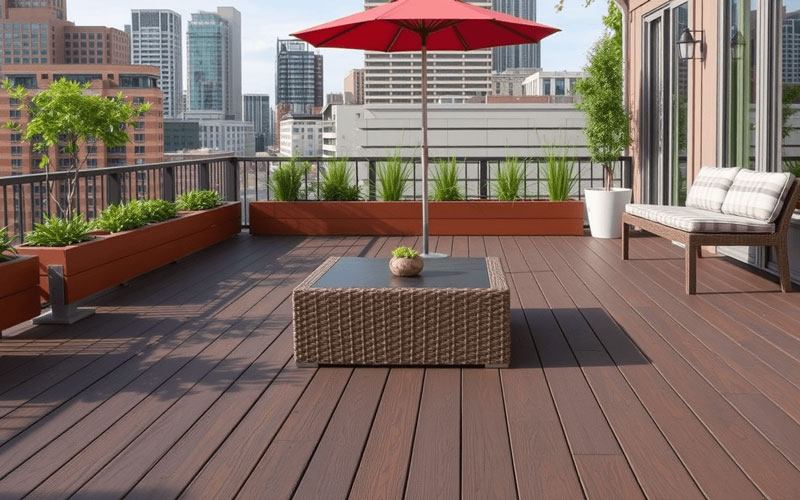
Capped Composite Decking vs PVC Decking
A critical comparison for homeowners involves capped composite decking vs PVC decking. Understanding the differences can help you decide which material is best for your deck.
Capped Composite Decking
Capped composite decking has a protective polymer layer that shields the wood-plastic core from moisture, mold, and UV rays. This capping enhances the board’s lifespan and maintains its appearance over time. Key features include:
Protection from moisture on all sides (four-sided capping is ideal)
Reduced risk of mold and mildew growth
Lower maintenance compared to uncapped boards
Enhanced durability against fading and scratches
PVC Decking
PVC decking, being fully synthetic, inherently offers the benefits that capping provides to composites. Its water resistance, UV stability, and mold resistance are built into the material rather than applied as a separate layer. Key points include:
Fully waterproof core
No risk of rot or mold
Lightweight and easy to handle
Longer lifespan than composite decking
In essence, PVC can be seen as a superior option to capped composites in terms of durability and water resistance. However, composite decking often has a slight edge in cost and can provide a more natural wood feel.
Comparing Key Factors: PVC vs Composite Decking
To make an informed decision, it’s essential to compare PVC and composite decking across multiple criteria.
| Feature | PVC Decking | Composite Decking |
|---|---|---|
| Appearance | Realistic wood looks available | Excellent wood-like aesthetics |
| Water Resistance | Excellent | Moderate to high (with capping) |
| Heat Retention | Can get hot, especially dark colors | Generally lower heat retention |
| Maintenance | Very low | Low |
| Lifespan | 50+ years | 25–30 years |
| Durability | High, resistant to rot and mold | High, but core may absorb water if uncapped |
| Slip Resistance | Good | Very good, especially textured boards |
| Upfront Cost | Higher | Lower |
| Ease of Installation | Lightweight, easy | Slightly heavier, may require reinforced substructure |
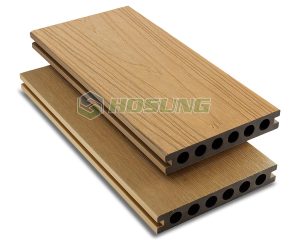
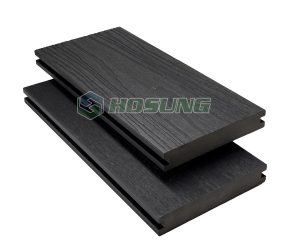
Installation Considerations
Both PVC and composite decking installations are similar, but there are some nuances:
PVC Decking: Lightweight boards make DIY installations easier. Less substructure reinforcement is needed. Proper spacing for thermal expansion is important to prevent warping in extreme temperatures.
Composite Decking: Slightly heavier boards require careful planning. Boards should be installed with attention to expansion and contraction. Capped boards are easier to maintain but still need secure fastening to avoid flexing.
Proper installation is essential for both types to ensure longevity and performance.
PVC vs Composite Decking Heat Resistance
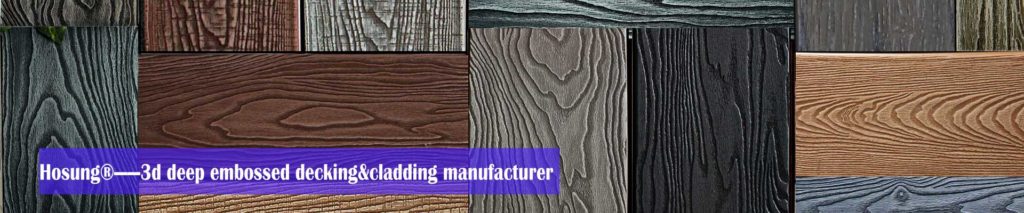
For homeowners in sunny or hot climates, heat resistance is a crucial factor when comparing PVC vs composite decking. Here’s a detailed breakdown:
Surface Temperature: Dark-colored PVC boards tend to absorb more heat from sunlight, making the deck surface hot to walk on barefoot. This is particularly important for poolside decks or areas that receive direct sunlight for most of the day.
Material Expansion: Heat can cause PVC boards to expand slightly, so proper installation with adequate spacing is necessary to avoid warping or buckling over time.
Composite Advantages: Composite boards, especially those in lighter colors or with textured finishes, generally stay cooler under the sun. Many high-quality composites feature UV-resistant coatings that reduce heat buildup while maintaining a natural wood-like look.
Comfort and Safety: Cooler surfaces improve comfort and reduce the risk of burns or discomfort, making composite decking slightly more user-friendly in extremely hot conditions unless PVC boards with heat-reflective technology are selected.
Decision Tip: Homeowners should consider local climate, sun exposure, and deck usage. Choosing the right color, texture, and installation technique can help maximize comfort regardless of material.
PVC Decking vs Composite Price
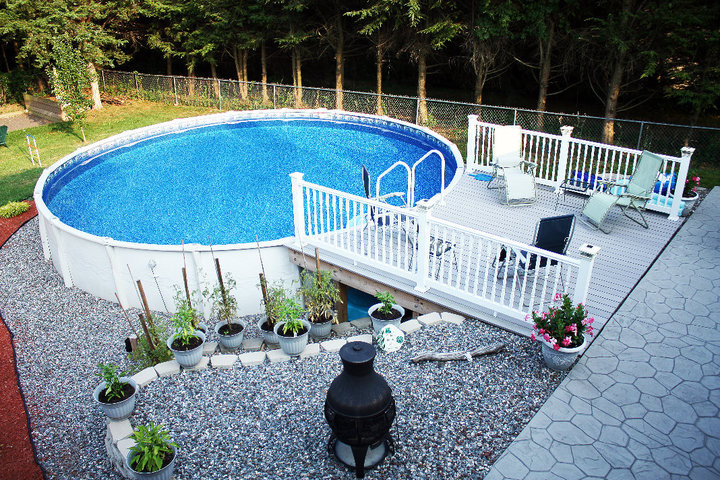
When deciding between PVC decking vs composite price, it’s important to evaluate both upfront costs and long-term value. Consider the following:
Upfront Costs: PVC decking is generally more expensive due to its fully synthetic composition and superior durability. The initial investment reflects advanced manufacturing that provides water resistance, mold resistance, and long lifespan (50+ years).
Maintenance Savings: PVC’s low-maintenance nature reduces ongoing costs, such as staining, sealing, or repairs, over decades. This can offset the higher initial price.
Composite Affordability: Composite decking offers a lower upfront cost while still lasting 25–30 years. It provides a balance between durability, aesthetics, and budget, making it a strong choice for homeowners seeking immediate savings.
Long-Term Value: When calculating total cost of ownership, consider maintenance, repairs, and replacement frequency. While PVC has higher upfront costs, its longevity and minimal upkeep can make it more cost-effective over time.
Decision Tip: Budget-conscious homeowners may prefer composites for initial savings, while those seeking long-term durability and minimal maintenance might find PVC a better investment.
Environmental Considerations
Both PVC and composite decking can be eco-friendly choices, depending on the manufacturer:
Recycled Content: Many composite boards are made from recycled wood fibers and plastics, reducing environmental impact.
PVC Recycling: Some manufacturers produce PVC decking using recycled plastics, but the recycling process is more complex.
Longevity and Waste: The long lifespan of PVC decking reduces the frequency of replacement, lowering overall material waste over decades.
Choosing high-quality, certified products ensures environmental responsibility while enjoying modern deck performance.
Which Decking Is Right for You?
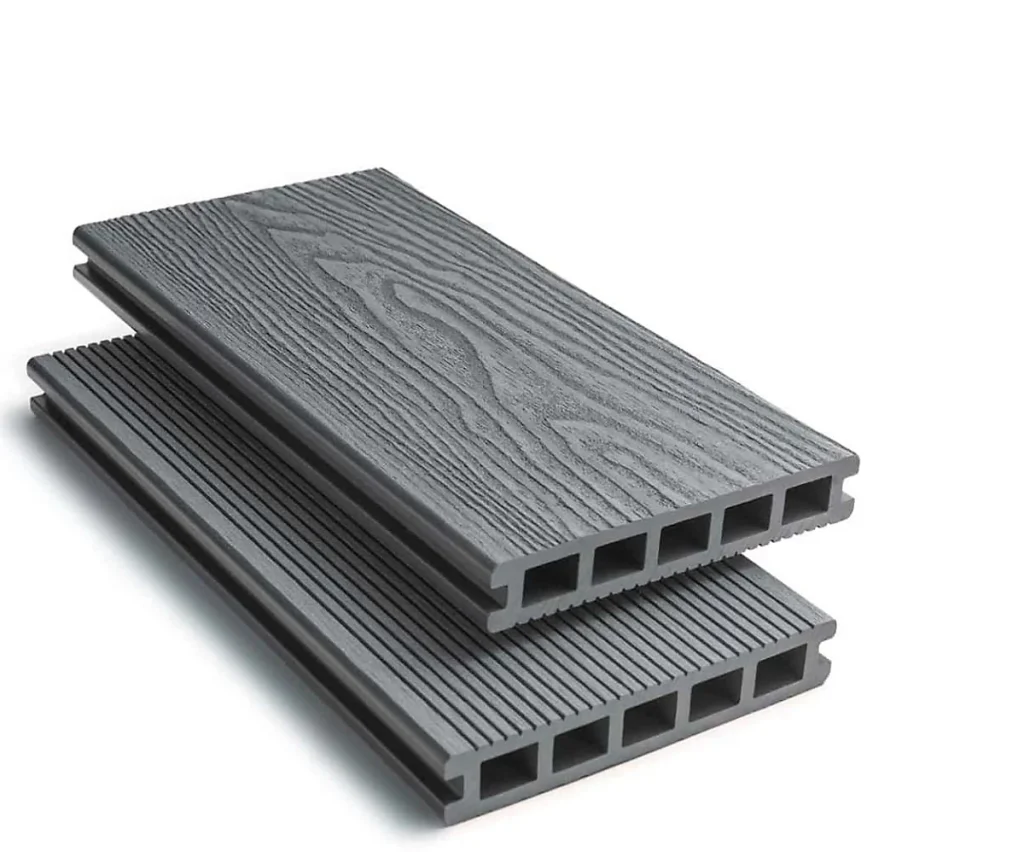
Choosing between PVC and composite decking ultimately depends on your priorities, lifestyle, and budget. Both materials are excellent alternatives to traditional wood, offering enhanced durability, reduced maintenance, and attractive aesthetics. However, their performance differs in key areas such as lifespan, water resistance, heat management, cost, and installation. Understanding these differences can help you select the most suitable decking material for your home.
| Feature | PVC Decking | Composite Decking | Notes |
|---|---|---|---|
| Longest Lifespan | ⭐ 50+ years | ⭐ 25–30 years | PVC’s fully synthetic construction ensures superior longevity and resistance to rot, mold, and weathering. |
| Water Resistance | ⭐ Excellent | ⭐ Moderate to High | PVC is fully waterproof, making it ideal for poolside decks and coastal properties. Capped composites perform well but may absorb water if uncapped. |
| Budget-Friendly Option | 💲💲💲 | 💲💲 | Composite decking generally has a lower upfront cost, making it more accessible for homeowners on a budget. |
| Ease of Installation | ⭐ Lightweight, easy | ⭐ Slightly heavier, flexible | PVC boards are easier to handle and ideal for DIY installation. Composite boards may require a reinforced substructure due to flexibility. |
| Heat Comfort | ⭐ Can get hot | ⭐ Generally cooler | Composite decking, especially in lighter colors or textured finishes, tends to stay cooler under direct sunlight. |
| Aesthetic Preference | ⭐ Realistic wood looks | ⭐ Realistic wood looks | Both options offer natural wood-like textures and color variations. Personal taste and color selection are key. |
| Maintenance | ⭐ Very low | ⭐ Low | PVC requires minimal cleaning, while composite decking also needs occasional washing to maintain appearance. |
Key Takeaways
PVC Decking is best for homeowners prioritizing long lifespan, superior water resistance, and ease of maintenance. It is ideal for wet environments or properties in coastal regions.
Composite Decking is ideal for those who want a budget-friendly option, slightly cooler underfoot in hot climates, and a natural wood appearance without the high upfront cost of PVC.
Both materials outperform traditional wood in terms of durability, low maintenance, and aesthetics, making either choice a significant upgrade for your outdoor living space.
By carefully evaluating your climate, deck location, budget, and aesthetic preferences, you can confidently choose the decking material that will best suit your home for decades to come.
Conclusion
When comparing PVC vs composite decking, both materials offer advantages that make them excellent choices for modern outdoor living spaces. PVC provides unmatched durability, water resistance, and low maintenance, making it a long-term investment ideal for wet or high-traffic areas. Composite decking offers a natural wood-like appearance, moderate water resistance, and a more budget-friendly upfront cost.
Understanding factors like PVC vs composite decking heat, PVC decking vs composite price, and capped composite decking vs PVC decking will help you choose the right material for your home. Ultimately, the best decking material aligns with your lifestyle, budget, and aesthetic preferences.
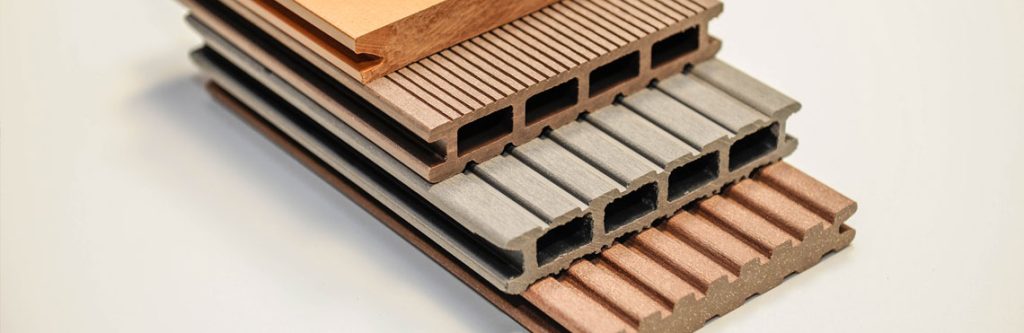
If you’re still undecided, ordering free samples is a practical way to compare color, texture, and heat retention. Feel, see, and experience the difference of high-quality PVC and composite decking before making your final choice.