When planning an outdoor deck project, one of the most important questions homeowners face is: “What material should I choose?” Decking materials vary widely in appearance, durability, maintenance needs, and—perhaps most importantly—cost. Now Hosung will provide a comprehensive comparison of PVC decking cost vs composite decking cost vs wood decking cost, including both upfront and long‑term expenses, helping you make an informed decision that fits your budget and lifestyle.
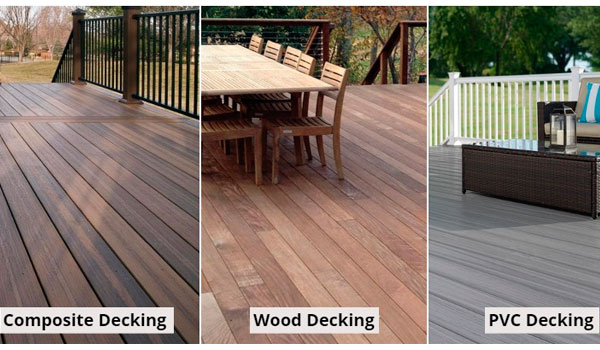
Table of Contents
Introduction to Decking Materials
Before diving into costs, it’s helpful to understand what each material is:
PVC Decking:
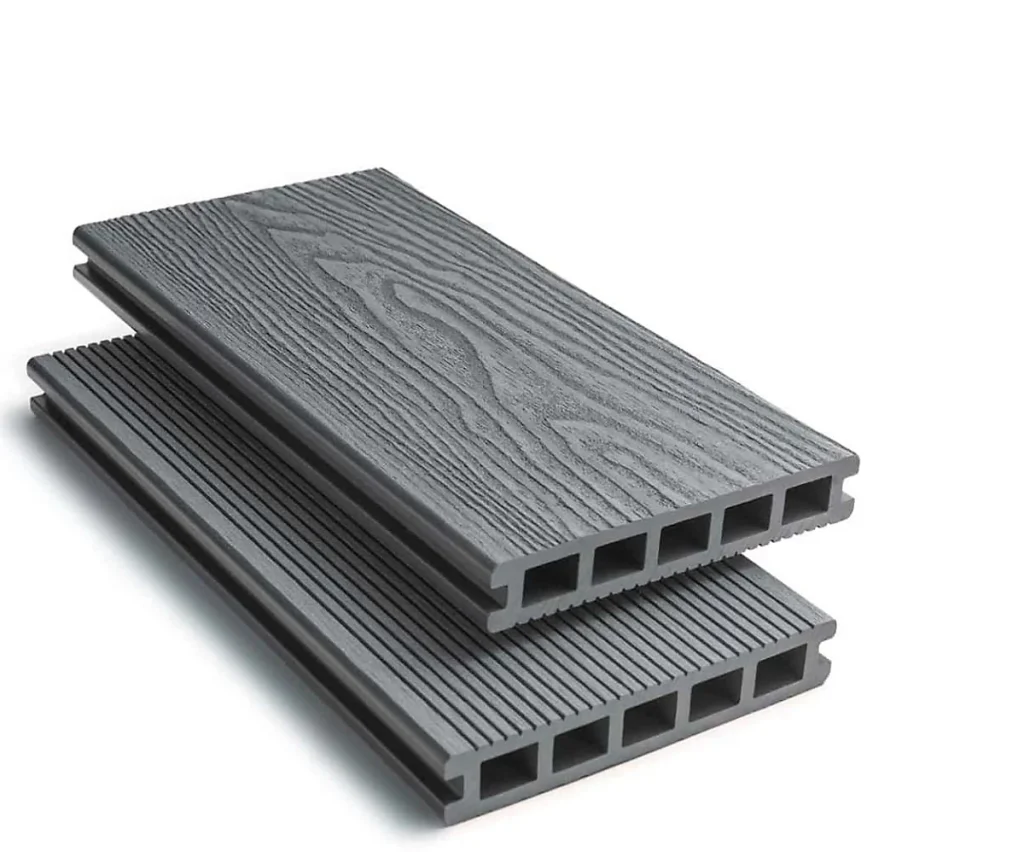
PVC (polyvinyl chloride) decking is made entirely from plastic, with no wood content. High‑end PVC decking boards are designed to mimic wood grain but are fully synthetic.
Composite Decking:
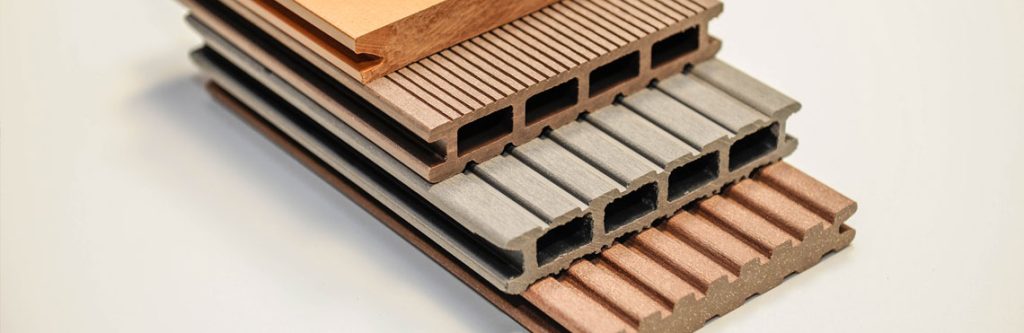
Composite decking combines wood fibers with plastic polymers (typically recycled), creating a board that offers the look of wood with enhanced durability.
Wood Decking:
Traditional decking boards made from natural lumber. Common options include pressure‑treated pine, cedar, and exotic hardwoods like ipe.
Each material has unique characteristics that influence its installation cost, lifecycle cost, and value over time.
Upfront Material Costs
2.1 PVC Decking Cost
PVC decking is generally one of the most expensive decking materials upfront. Because it contains no wood and is engineered for durability and low maintenance, the raw material and manufacturing cost tends to be higher.
Typical material cost ranges (per square foot):
PVC Decking Boards: $6–$12+ per sq ft
(Premium fascia and hidden fasteners may add more)
PVC boards often come in premium manufacturers like AZEK, Deckorators, and certain offerings from Trex.
2.2 Composite Decking Cost
Composite decking is typically mid‑range to high in cost. It’s usually cheaper than premium PVC but more expensive than basic wood.
Typical material cost ranges (per square foot):
Composite Decking Boards: $4–$10 per sq ft
Cost varies depending on brand, technology (capped vs uncapped), and aesthetic features.
2.3 Wood Decking Cost
Wood decking is traditionally the lowest upfront cost option:
Typical material cost ranges (per square foot):
Pressure‑Treated Pine: $2–$4 per sq ft
Cedar or Redwood: $3–$7 per sq ft
Exotic Hardwoods (Ipe, Cumaru): $8–$14 per sq ft
Note: Exotic hardwoods can rival or exceed composite materials in price.
Installation Costs
Material cost is only part of the budget. Labor or installation cost significantly affects the total project cost.
3.1 PVC Decking Installation Cost
PVC decking is generally easier to work with than composites because it doesn’t require pre‑drilling and isn’t prone to splintering. However, it often uses specialized hidden fasteners, which can increase labor costs.
Estimated installation cost:
$8–$15 per sq ft (materials + labor)
Factors that increase cost:
Complex deck shape
Railings and stairs
Lighting and accessories
3.2 Composite Decking Installation Cost
Composite boards are heavier and sometimes require cutting with carbide‑tipped blades. Labor costs tend to be similar to or slightly higher than PVC, depending on contractor familiarity.
Estimated installation cost:
$10–$18 per sq ft (materials + labor)
High‑end composite boards may require unique fasteners or clips, slightly increasing labor time.
3.3 Wood Decking Installation Cost
Wood decking is typically the easiest to install, especially pressure‑treated lumber. Most contractors are experienced with wood, which can reduce labor costs.
Estimated installation cost:
$8–$15 per sq ft (materials + labor)
Exotic hardwoods may require additional labor time due to hardness and cutting complexity.
Long‑Term Lifecycle Cost
Upfront costs are only part of the picture. Long‑term cost includes maintenance, repairs, and replacement.
4.1 PVC Decking Long‑Term Cost
PVC decking is widely recognized for minimal maintenance:
No sealing, staining, or painting
Resists mold, mildew, and moisture damage
Won’t warp, crack, or rot
Typically carries 25‑ to 50‑year warranties
Estimated long‑term cost over 25 years:
$8–$12 per sq ft per year of expected service (amortized)
Maintenance cost is low—mostly just periodic cleaning with soap and water.
4.2 Composite Decking Long‑Term Cost
Composite decking also offers excellent durability, though maintenance needs vary:
Some boards are capped for stain resistance
May require occasional cleaning with a deck wash
Less prone to fading and staining than wood
However, composite boards may still collect surface mold in shaded areas, and lower‑end brands are more susceptible.
Estimated long‑term cost over 25 years:
$6–$10 per sq ft per year
Still cheaper than wood over time due to fewer replacements and refinishing.
4.3 Wood Decking Long‑Term Cost
Wood decking carries significant maintenance requirements:
Annual staining or sealing
Periodic sanding
Board replacements due to rot, splintering, or insect damage
Potential warping or cupping
Estimated long‑term cost over 25 years:
$10–$14+ per sq ft per year
For pressure‑treated wood, maintenance costs alone can exceed material costs over time.
Maintenance and Repair Costs Explained
5.1 PVC Maintenance
PVC deck boards require minimal upkeep:
Sweep regularly
Hose down or power wash occasionally
Clean spills promptly
Estimated annual maintenance cost: $0.20–$0.50 per sq ft
5.2 Composite Maintenance
Composite decking needs:
Regular sweeping
Dedicated deck cleaner once or twice a year
Occasional spot cleaning
Estimated annual maintenance cost: $0.50–$1.00 per sq ft
5.3 Wood Maintenance
Wood decking needs:
Annual staining/sealing ($1–$2 per sq ft)
Sanding and sealing every few years
Fastener tightening, board replacement
Estimated annual maintenance cost: $1–$2+ per sq ft
In rainy or humid climates, wood deterioration accelerates.
Cost Comparison Summary
| Category | PVC Decking | Composite Decking | Wood Decking |
|---|---|---|---|
| Material Cost ($/sq ft) | $6–$12 | $4–$10 | $2–$14 |
| Installation ($/sq ft) | $8–$15 | $10–$18 | $8–$15 |
| Maintenance Cost | Very Low | Low | High |
| Lifespan | 25–50+ years | 20–30+ years | 10–25 years |
| Long‑Term Cost Efficiency | Excellent | Good | Poor |
Regional Cost Variations
Decking costs vary by location. Here’s how:
7.1 Labor Rates
In high‑cost areas (California, Northeast U.S.), labor may be:
10–30% higher than national average
In rural or low‑cost regions, labor may be cheaper.
7.2 Material Availability
PVC and premium composites may carry shipping premiums in areas without local suppliers.
Wood species like cedar or hardwoods may also vary in price based on local forestry resources.
Cost Factors You Should Consider
8.1 Deck Size and Shape
Larger decks reduce cost per square foot due to economies of scale, while irregular shapes increase labor and materials waste.
8.2 Substructure Condition
If the deck frame needs replacement, costs rise regardless of decking material.
8.3 Accessories
Railings, lighting, stairs, built‑in seating, and pergolas add to cost:
Railings: $30–$80+ per linear foot
Lighting: $50–$200 per fixture
Built‑in benches: $200–$800
These elements may cost more with premium PVC or composite than simple wood.
Environmental Impact and Cost
Many homeowners consider environmental cost alongside financial cost.
9.1 PVC Decking
Made from 100% plastic (not biodegradable)
Long life reduces waste
Some brands use recycled content
9.2 Composite Decking
Often made from recycled wood and plastics
Reduces landfill impact
Still non‑biodegradable after use
9.3 Wood Decking
Renewable resource
Biodegradable
May require chemical treatments for durability
Environmental preference can influence perceived value and long‑term cost justification.
Aesthetic and Resale Value Considerations
10.1 Wood Decking
Pros:
Natural beauty and warmth, creating a classic and inviting outdoor space
Can be stained or painted to match home exteriors or landscaping themes
Offers a traditional, authentic wood feel that many homeowners and guests appreciate
Feels cooler underfoot compared to some synthetic materials during hot summer days
Can be easily modified, cut, or customized for unique deck shapes or built-in features
Cons:
Fades unevenly over time due to exposure to sunlight and weather, requiring touch-ups
Requires regular refinishing, staining, or sealing to maintain durability and appearance
Susceptible to warping, splitting, and splintering, especially in humid or rainy climates
Vulnerable to insect damage, particularly termites, if not properly treated
Maintenance costs can accumulate over the years, sometimes exceeding the initial investment
10.2 Composite Decking
Pros:
Consistent color and texture across the entire deck, reducing the risk of uneven fading
Many wood‑like options with realistic grain patterns, including exotic hardwood appearances
Low maintenance compared to natural wood: no need for annual sealing or staining
Resistant to mold, rot, and insect damage, providing long-term durability
Often available with warranties ranging from 20 to 30 years, offering peace of mind
Cons:
Can look synthetic up close, which may not appeal to purists who prefer natural wood
Heavier than wood, which can increase labor costs during installation
Surface can become hot under direct sunlight, sometimes limiting barefoot comfort
Lower-end composite boards may be prone to scratching or fading over time
Some composites may require specialized fasteners or clips, slightly increasing installation complexity
10.3 PVC Decking
Pros:
Best fade resistance among decking materials, maintaining appearance for decades
Clean, uniform look with minimal surface imperfections
Extremely low maintenance: no staining, sealing, or sanding required
Resistant to mold, mildew, rot, and insect damage, ideal for humid or coastal areas
Lightweight and easy to handle during installation while maintaining structural strength
Often recyclable, providing some environmental benefits depending on the brand
Cons:
Some homeowners prefer natural wood look less, as PVC can appear too artificial
May feel less warm or natural underfoot compared to wood or composite boards
Limited color options in some brands, though higher-end ranges have improved variety
Can be more expensive upfront compared to composite or wood decking
Real estate professionals often report that low-maintenance decking, such as composite and PVC, adds resale appeal, potentially increasing home value due to reduced upkeep concerns. Additionally, buyers may favor decks that stay attractive year-round without the need for annual refinishing or chemical treatments, making synthetic materials an investment in both aesthetics and long-term convenience.
Real‑World Cost Scenarios
Scenario 1: 300 sq ft Deck
| Material | Total Cost (Est.) |
|---|---|
| PVC | $3,600–$8,100+ |
| Composite | $3,600–$8,400+ |
| Pressure‑Treated Wood | $2,400–$5,400+ |
Over 10 years, wood may add $1,000–$3,000+ in maintenance.
Scenario 2: 500 sq ft Deck with Railings
| Material | Total Cost (Est.) |
|---|---|
| PVC | $7,500–$14,000+ |
| Composite | $7,500–$15,000+ |
| Cedar Wood | $6,000–$12,000+ |
Add cleaning, staining, and repairs for wood over time.
How to Choose the Best Option for Your Budget
12.1 If Upfront Cost Is Your Priority:
Go with pressure‑treated wood.
12.2 If Low Maintenance Is Your Priority:
PVC or high‑end composite decking is worth the investment.
12.3 If You Want Balance Between Cost and Durability:
Mid‑range composite decking is a popular choice.
12.4 If You Care About Natural Aesthetics:
Wood offers authentic grain and texture, though with higher lifecycle cost.
Conclusion: PVC vs Composite Decking Cost vs Wood Decking Cost
Choosing the right decking material is more than just comparing dollar numbers. While wood decking may have the lowest upfront cost, its long‑term maintenance can make it more expensive over the life of the deck. Composite decking offers a strong middle ground with good durability and moderate cost, while PVC decking typically has the highest upfront price but the lowest long‑term maintenance cost.
Understanding both initial investment and cost over time will help you make the best decision for your outdoor living space. Whether you prioritize budget, aesthetics, or low maintenance, this guide gives you the insights you need to weigh PVC vs composite decking cost vs wood decking cost effectively.