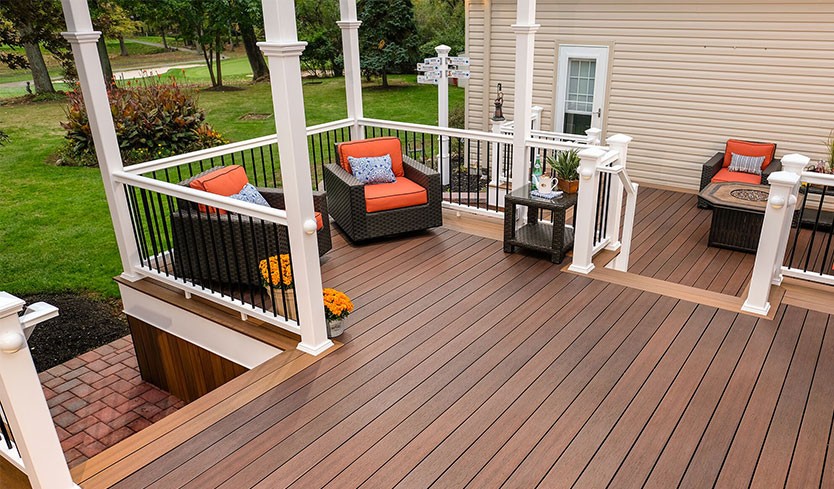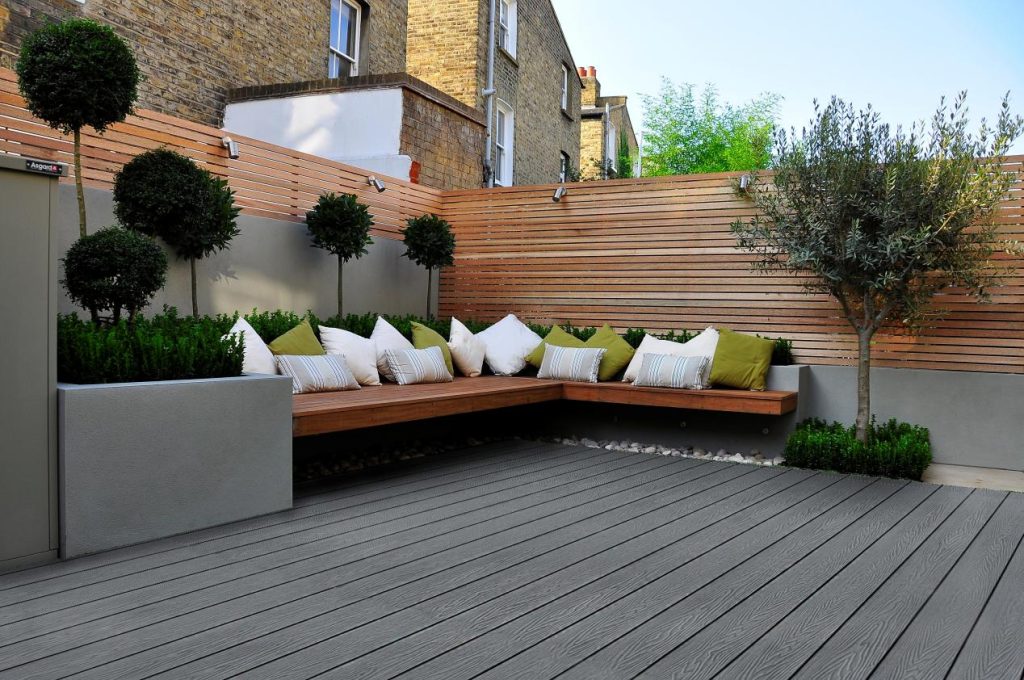
Silver grey composite decking has become an increasingly popular choice for residential, commercial, and landscaping projects due to its modern appearance, excellent durability, and low maintenance requirements. Combining the natural beauty of wood with advanced composite technology, this decking solution provides a long-lasting outdoor flooring option that performs well in different weather conditions while maintaining an elegant and contemporary look.
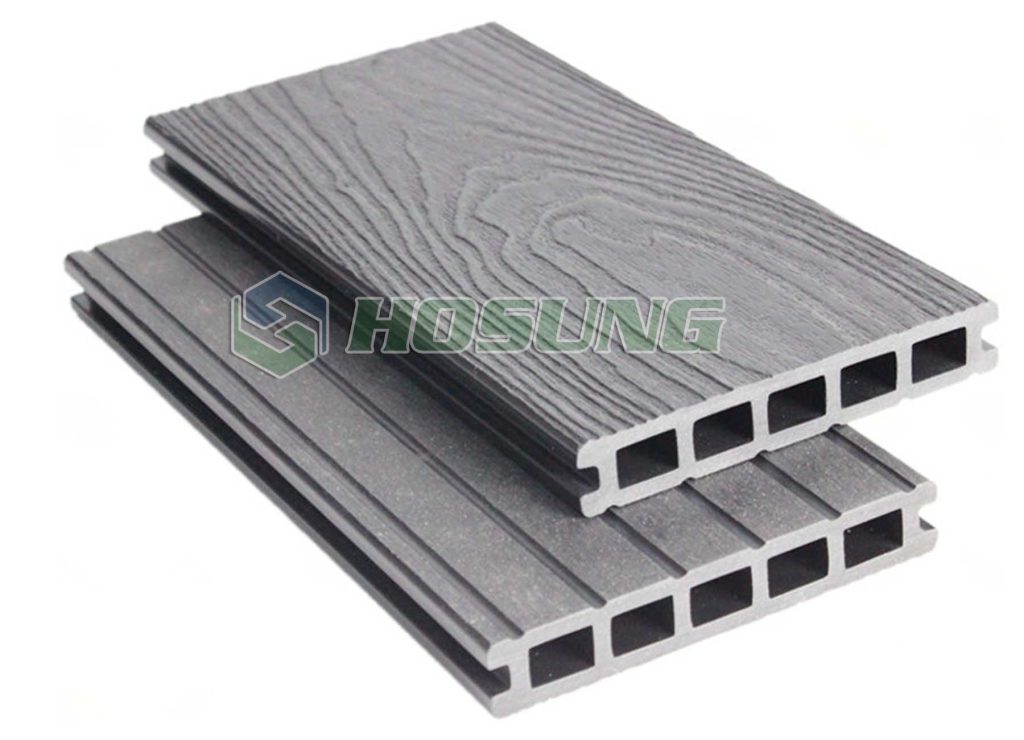
Table of Contents
What Is Silver Grey Composite Decking?
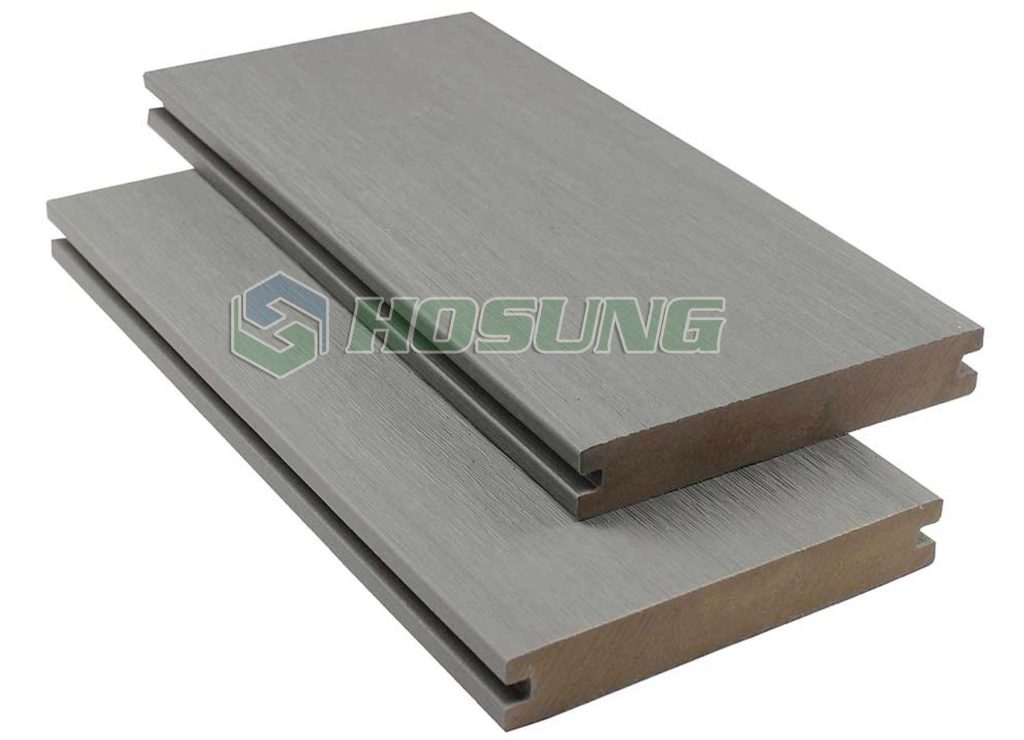
Silver grey composite decking is an outdoor decking material made from a combination of wood fibers, recycled polymers, and specialized additives. The unique manufacturing process creates boards that replicate the texture and appearance of natural timber while offering improved resistance against moisture, insects, fading, and daily wear.
Unlike traditional timber decking, composite boards do not require frequent painting, staining, or sealing. This makes them an attractive option for homeowners, architects, contractors, and commercial developers who want to reduce long-term maintenance costs while achieving a premium outdoor aesthetic.
The silver grey color is one of the most sought-after finishes in modern exterior design. Its neutral tone creates a clean and sophisticated atmosphere, making it suitable for contemporary gardens, balconies, terraces, pool areas, restaurants, hotels, and public outdoor spaces.
Why Choose Silver Grey Composite Decking for Outdoor Projects?
Modern Appearance and Versatile Design
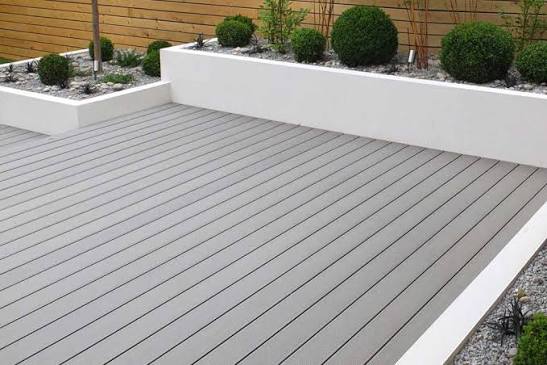
One of the biggest advantages of silver grey composite decking is its stylish appearance. The soft grey tone provides a balanced visual effect that works well with various architectural styles, from minimalist modern buildings to traditional outdoor landscapes.
Grey decking can easily complement different materials, including:
- Natural stone
- Concrete surfaces
- Glass structures
- Metal railings
- Outdoor furniture
- Green landscaping elements
The neutral color allows designers to create flexible outdoor environments without worrying about color conflicts. Whether used for a private garden or a large commercial project, grey composite decking offers a premium and timeless appearance.
Excellent Weather Resistance
Outdoor flooring materials are constantly exposed to sunlight, rain, temperature changes, and humidity. Traditional wood may absorb water, crack, warp, or develop mold over time. Composite decking is engineered to overcome these problems.
High-quality composite boards provide excellent resistance against:
- Heavy rain and moisture
- UV radiation
- Temperature fluctuations
- Rot and decay
- Termite damage
- Fungal growth
This makes them suitable for outdoor applications in different climates, including areas with high humidity, strong sunlight, or seasonal weather changes.
Low Maintenance Requirements
Maintenance is an important consideration when selecting decking materials. Natural wood often requires regular treatments to preserve its appearance and structural performance.
In contrast, composite decking requires much less maintenance. Routine cleaning with water and mild soap is usually enough to keep the surface looking attractive. There is no need for regular staining, painting, or chemical protection treatments.
For property owners and commercial operators, this means reduced maintenance expenses and less time spent on outdoor surface care.
Key Features of High-Quality Composite Decking Boards
Durable Composite Structure
The performance of composite decking depends largely on its material composition and manufacturing technology. A well-designed composite board typically contains wood fibers and polymer materials that work together to provide strength and stability.
The wood component creates a natural texture and appearance, while the polymer component improves moisture resistance and durability. This combination results in decking boards that maintain their performance for many years.
Slip Resistance and Safety
Safety is a major concern for outdoor flooring applications, especially around swimming pools, public areas, and commercial spaces.
Many composite decking boards feature textured surfaces that improve grip and reduce slipping risks when the surface becomes wet. This makes them suitable for:
- Poolside decks
- Outdoor walkways
- Garden paths
- Hotel terraces
- Recreational areas
A safe and comfortable outdoor surface can significantly improve user experience and project value.
Color Stability
A common issue with traditional outdoor materials is color fading caused by long-term exposure to sunlight. Advanced composite decking uses protective additives and surface technologies to improve resistance against UV damage.
Although all outdoor materials may experience some natural aging over time, quality composite decking maintains its original appearance much longer compared with untreated wood.
Applications of Silver Grey Composite Decking
Residential Outdoor Spaces
For residential projects, composite decking is widely used to create comfortable and attractive outdoor living areas.
Common applications include:
- Backyard decks
- Garden platforms
- Balcony flooring
- Patio areas
- Outdoor dining spaces
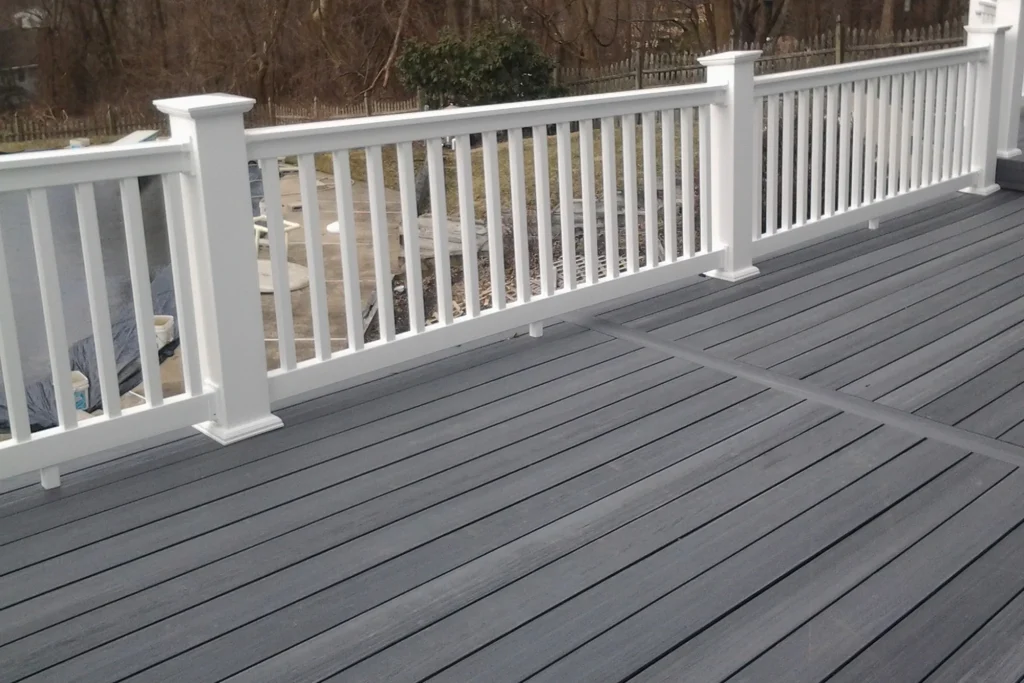
The modern grey finish creates a relaxing environment that matches contemporary home designs. It also provides a practical solution for families who want beautiful outdoor areas without demanding maintenance work.
Commercial and Hospitality Projects
Hotels, restaurants, resorts, and commercial buildings often require outdoor materials that combine aesthetics, durability, and easy maintenance.
Composite decking is commonly selected for:
- Rooftop terraces
- Restaurant outdoor seating areas
- Resort pathways
- Public leisure spaces
- Exhibition areas
The elegant appearance helps improve the overall design quality of commercial properties, while the durable structure reduces replacement and repair costs.
Landscape and Public Projects
Landscape designers and contractors often choose composite decking for large outdoor developments because it provides consistent appearance and reliable performance.
Applications include:
- Parks
- Community spaces
- Walking platforms
- Outdoor recreational facilities
- Urban landscape projects
Its resistance to environmental factors makes it suitable for long-term public use.
How to Select the Right Composite Decking for Your Project?
Consider Material Quality
Not all composite decking products provide the same performance. When selecting decking boards, buyers should consider:
- Material ratio
- Manufacturing process
- Density and strength
- Surface treatment
- Weather resistance
- Expected service life
High-quality materials provide better stability and reduce the risk of problems such as cracking, deformation, or surface damage.
Choose the Appropriate Board Design
Composite decking is available in different profiles and structures, including:
- Solid boards
- Hollow boards
- Grooved surfaces
- Embossed wood grain designs
Solid boards generally provide higher strength and are suitable for heavy-use applications. Hollow boards are lighter and can be a cost-effective choice for certain projects.
The selection should depend on installation conditions, expected load, and project requirements.
Match the Color With the Overall Design
Although grey is a highly versatile option, different projects may require different tones and textures.
When choosing decking colors, consider:
- Building exterior colors
- Landscape elements
- Furniture styles
- Lighting conditions
- Overall design concept
A well-matched decking color can enhance the visual appeal of the entire outdoor environment.
Installation Considerations for Composite Decking
Proper installation plays an important role in maximizing the performance and lifespan of composite decking.
Prepare a Stable Foundation
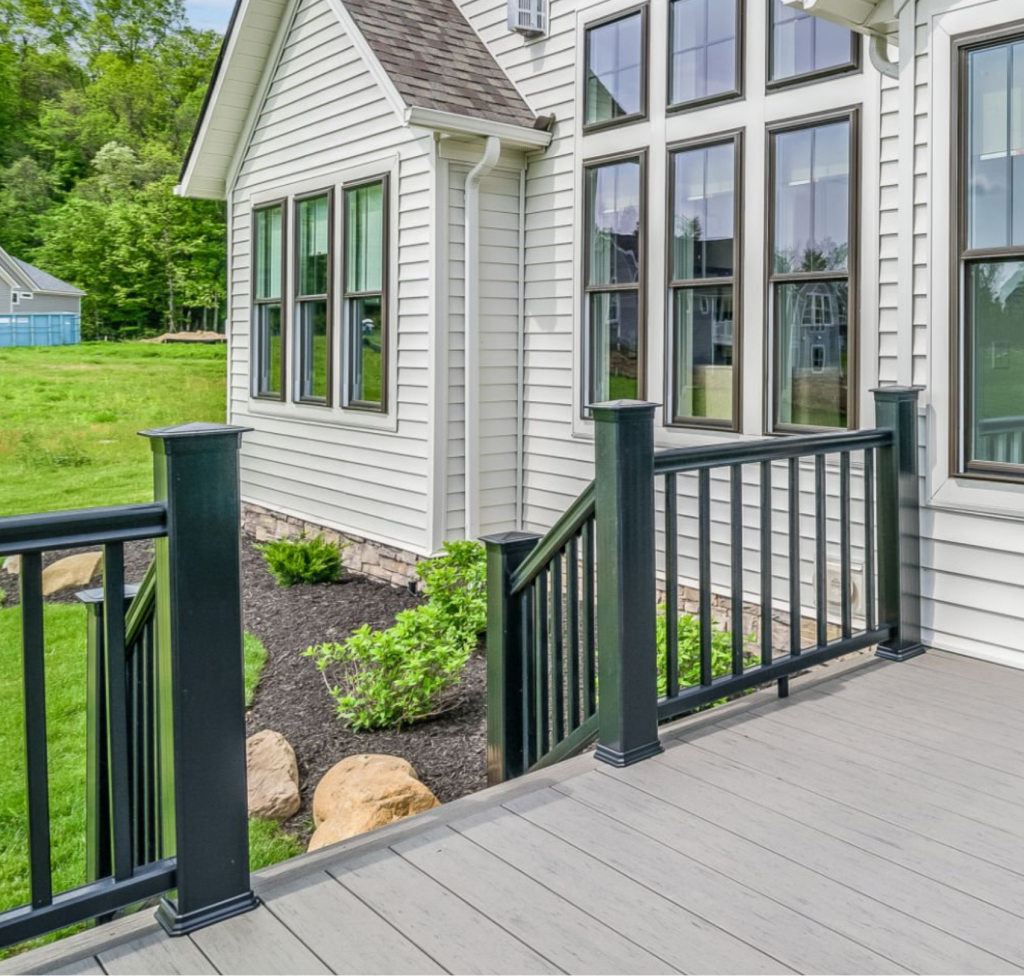
Before installation, the supporting structure should be properly prepared. A stable and level foundation helps prevent movement, uneven surfaces, and long-term structural issues.
Depending on the project, installers may use:
- Aluminum joists
- Composite support systems
- Treated structural frames
Allow Proper Expansion Space
Composite materials naturally expand and contract with temperature changes. Proper spacing between boards is necessary to accommodate movement and maintain structural stability.
Professional installation guidelines should always be followed to ensure long-term performance.
Ensure Proper Drainage
Water drainage is another important factor. Standing water can affect outdoor flooring performance, especially in areas exposed to frequent rainfall.
A suitable installation design should allow water to flow away efficiently and keep the area underneath the decking ventilated.
Environmental Benefits of Composite Decking
Sustainability has become an important consideration in modern construction. Composite decking offers several environmental advantages compared with traditional timber alternatives.
Many composite products use recycled materials, including reclaimed wood fibers and recycled plastics, helping reduce waste and improve resource efficiency.
Additional environmental benefits include:
- Reduced demand for natural wood resources
- Longer service life
- Less chemical treatment requirements
- Lower maintenance consumption
For green building projects and environmentally responsible developments, composite decking can be a practical flooring solution.
Comparing Composite Decking With Traditional Wood Decking
Durability
Traditional wood can provide a natural appearance, but it is more vulnerable to moisture, insects, and weather damage. Composite decking offers improved resistance and generally requires fewer repairs.
Maintenance
Wood decking often requires regular sanding, staining, and sealing. Composite decking requires simple cleaning, making it more convenient for long-term use.
Appearance
Modern manufacturing technology allows composite decking to achieve realistic wood grain textures while providing more stable colors and finishes.
Cost Performance
Although composite decking may have a higher initial investment compared with some types of wood, its lower maintenance requirements and longer lifespan often provide better overall value.
Future Trends in Outdoor Decking Materials
The demand for advanced outdoor materials continues to grow as architects and property owners focus on durability, sustainability, and design flexibility.
Future decking trends are expected to include:
- More realistic wood textures
- Improved environmental performance
- Enhanced surface protection
- Wider color selections
- Smart manufacturing technologies
Grey tones, including silver-inspired finishes, are likely to remain popular because they align with modern architectural trends and provide excellent design flexibility.
Choose Reliable Composite Decking Solutions
For businesses looking for professional composite decking solutions, working with an experienced manufacturer can help ensure consistent product quality, technical support, and reliable supply capacity.
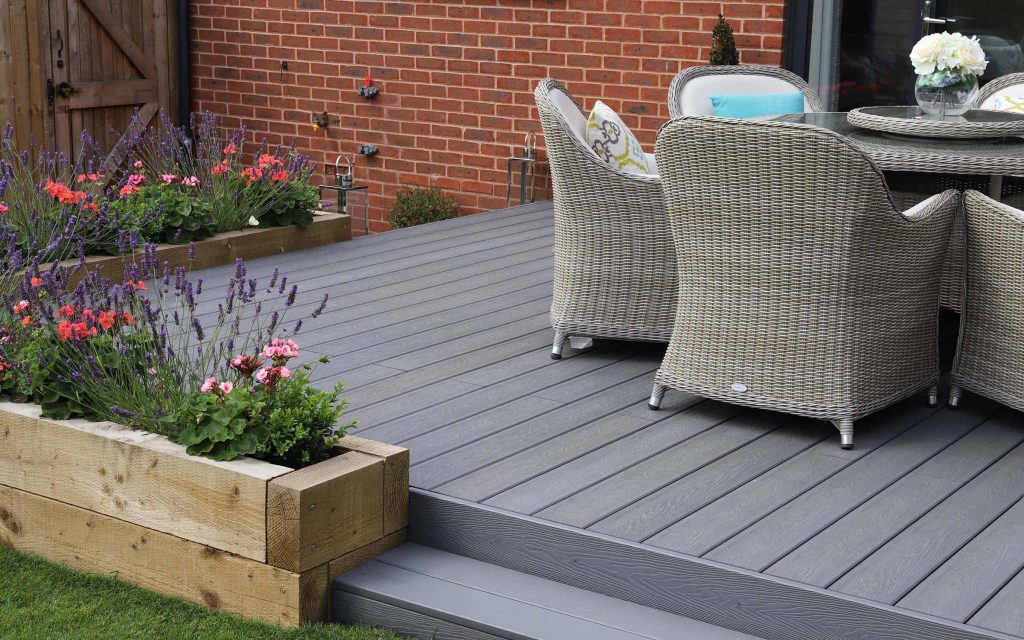
Hosung WPC provides composite decking solutions designed for different outdoor applications, supporting global customers with durable materials and customized options to meet project requirements.
Whether for residential landscaping, commercial developments, or large-scale construction projects, selecting the right composite decking material is essential for achieving long-lasting performance and attractive outdoor spaces. Silver grey composite decking offers a practical combination of modern design, durability, and easy maintenance, making it a valuable choice for today’s outdoor environments.