When it comes to choosing decking material for your outdoor space, composite decking has become a top choice for homeowners and contractors alike. Its durability, low maintenance, and aesthetic appeal make it a practical solution for many types of outdoor projects. However, when selecting composite decking, you are often faced with the decision of choosing between thin composite decking and thick composite decking. Both options come with their own set of advantages and drawbacks, making it essential to understand which one is best suited for your specific needs. In this article, we’ll explore the differences between thin composite decking and thick composite decking, highlighting the key aspects of each option, such as durability, cost, installation, aesthetics, and maintenance. By the end of this guide, you’ll have a clearer understanding of which decking type will be the perfect fit for your project.
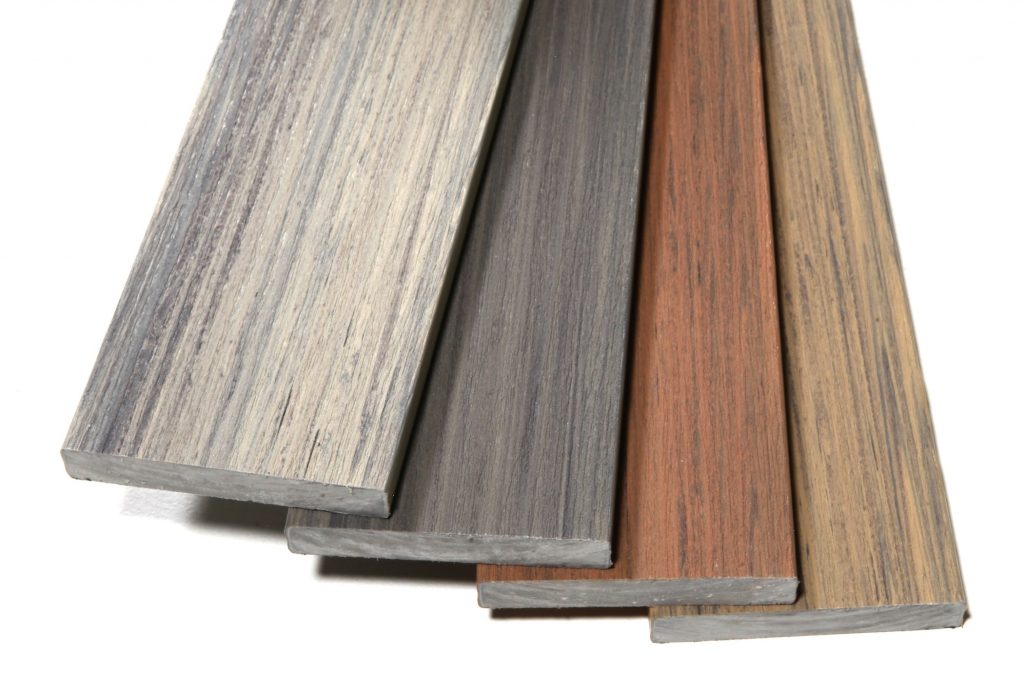
Table of Contents
What is Composite Decking?
Before diving into the comparison between thin and thick composite decking, it’s important to first understand what composite decking is and why it’s such a popular choice for outdoor spaces.
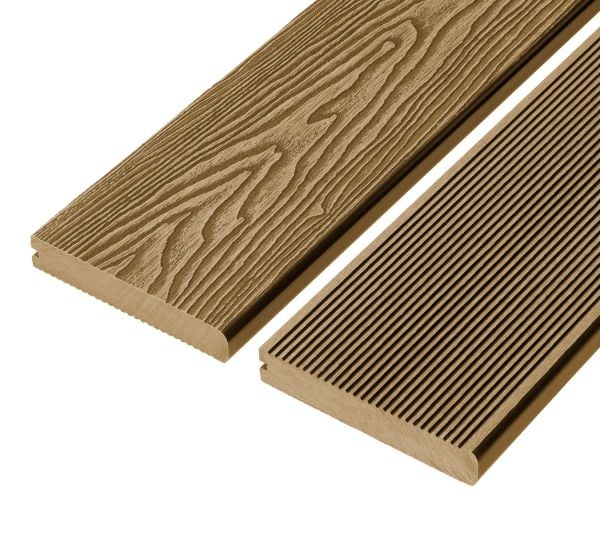
Composite decking is a type of decking material made from a mixture of wood fibers and plastic (usually polyethylene or PVC). This combination results in a durable and low-maintenance material that mimics the look of traditional wood without the associated problems, such as warping, splintering, and rotting.
Some of the main benefits of composite decking include:
Durability: Resistant to moisture, insects, and UV rays, making it last longer than traditional wood.
Low Maintenance: No need for sanding, staining, or sealing as with wood decks.
Eco-Friendly: Many composite decking products are made from recycled materials.
Variety of Styles: Available in a wide range of colors, textures, and finishes, allowing for great customization.
Composite decking comes in different profiles and thicknesses, with thin and thick being two of the most common options available. Let’s take a closer look at what sets them apart.
The Basics of Thin Composite Decking
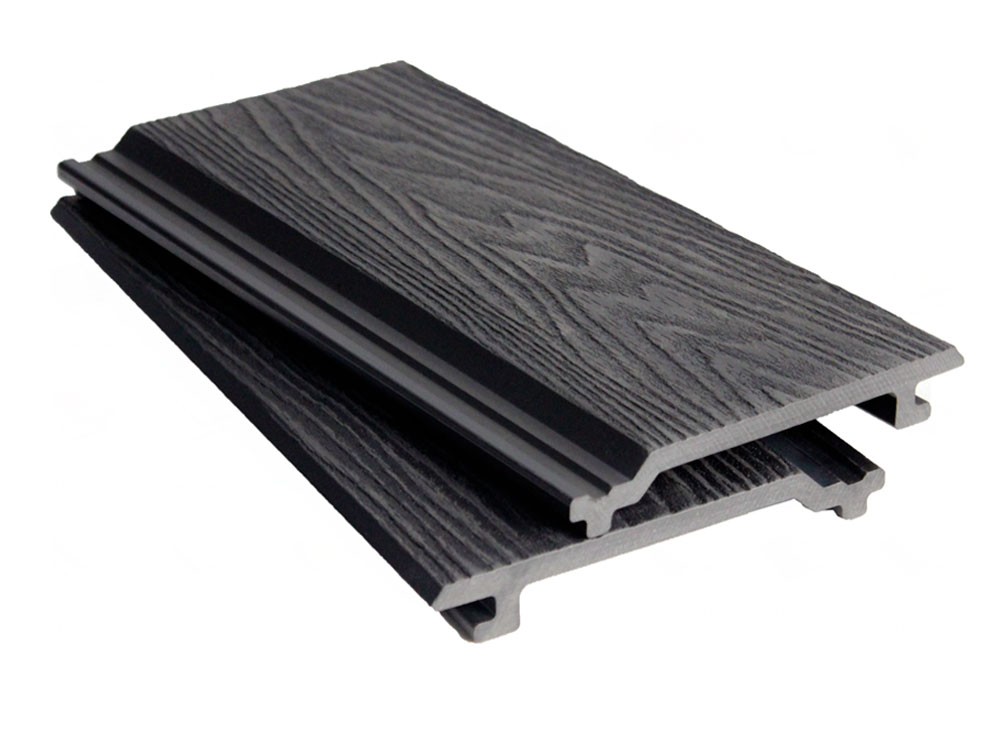
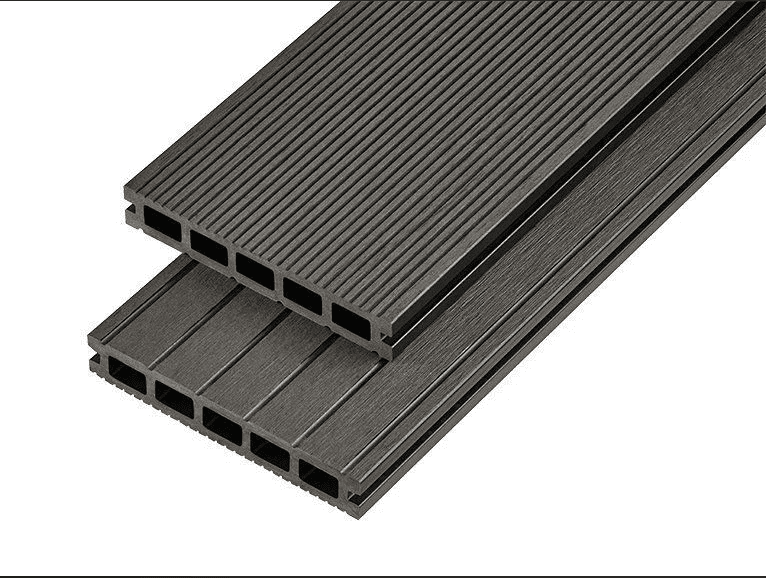
Thin composite decking typically refers to decking boards that are less than 1 inch thick. These boards are generally lighter and more flexible compared to their thicker counterparts, making them easier to handle and install. The thinner construction often results in a more budget-friendly option, but it also comes with some considerations that might affect performance and longevity.
Materials and Construction of Thin Composite Decking
Thin composite decking is made from the same basic materials as thicker boards: wood fibers and plastic. The difference lies in the ratio of materials used and the board’s profile. Thinner boards often have a hollow or ribbed core structure to reduce weight while maintaining some level of strength. Some options are solid, but the general trend is to make them lighter and more flexible.
Benefits of Thin Composite Decking
Lightweight and Easy to Handle: Because thin composite decking is lighter than thick decking, it’s easier to handle and install, especially for DIYers or smaller projects.
Cost-Effective: Thin boards are often less expensive than their thicker counterparts, making them a great option for those on a budget.
Suitable for Smaller Projects: Thin composite decking is ideal for small patios, balconies, or renovations, where weight restrictions or space constraints are a concern.
Flexibility: The reduced thickness allows for more flexibility, which can be beneficial in areas with frequent movement or seismic activity.
Drawbacks of Thin Composite Decking
Less Durability: Thin composite decking may not be as durable as thicker options, especially in high-traffic areas or under heavy furniture. It may also be more prone to warping or cracking over time if not properly maintained.
Limited Design Options: While there are some aesthetic choices available, thin composite decking often comes with fewer texture and design options compared to thicker boards.
Not Ideal for Heavy Loads: Thin composite decking may not be suitable for areas that will bear a lot of weight, such as around hot tubs, pools, or commercial spaces.
The Basics of Thick Composite Decking
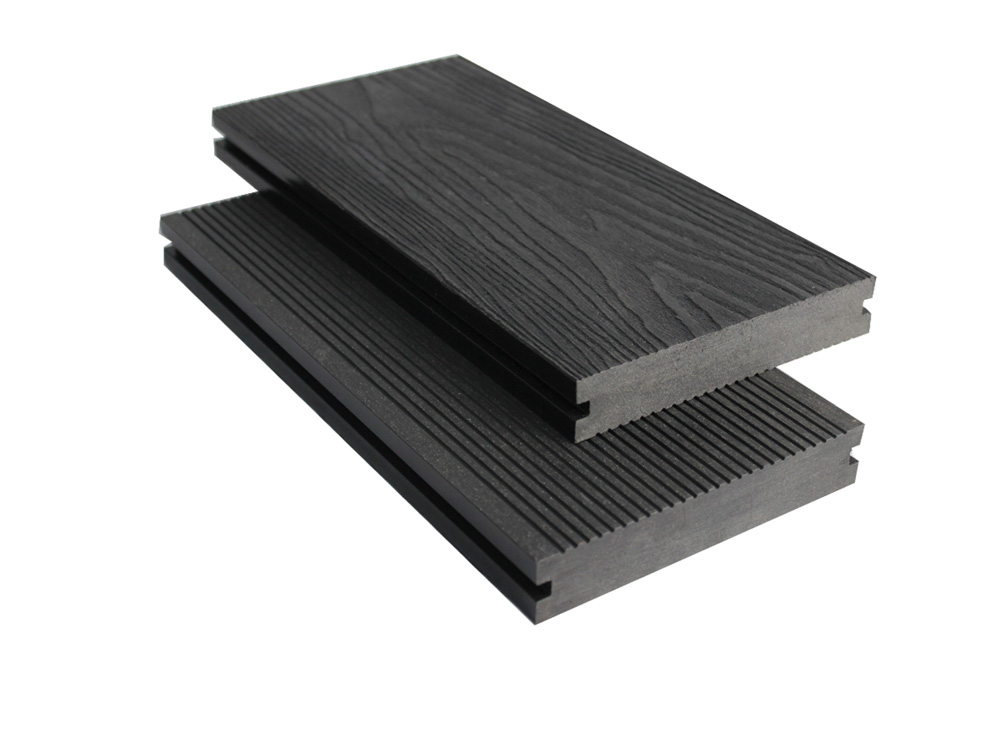
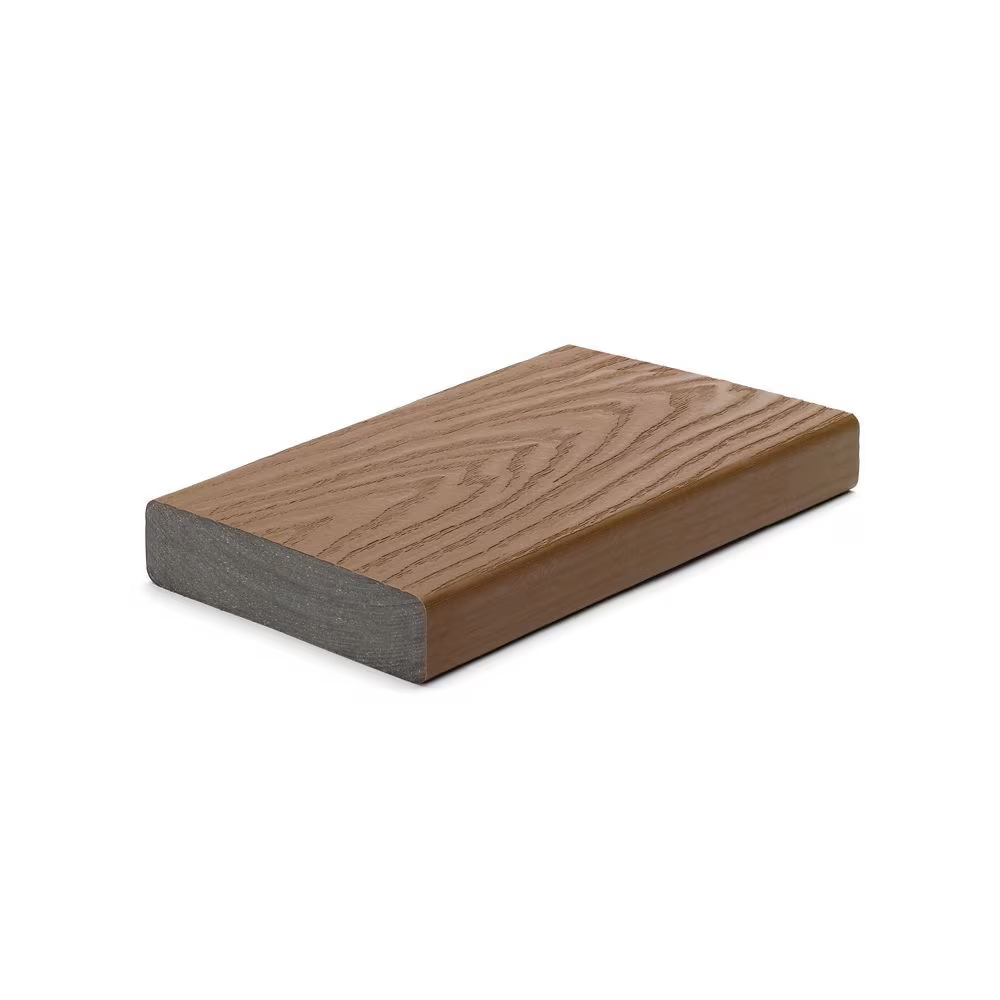
In contrast to thin composite decking, thick composite decking typically features boards that are over 1 inch thick. These boards are more robust and offer greater structural integrity, making them better suited for high-traffic areas and more demanding outdoor applications.
Materials and Construction of Thick Composite Decking
Thick composite decking is made from a similar combination of wood fibers and plastic, but the construction is denser and more substantial. The boards may have a solid core or a thicker outer layer, offering enhanced strength and durability. Some high-end options include multiple layers, such as a protective cap layer for UV resistance and stain protection.
Benefits of Thick Composite Decking
Durability and Strength: Thick composite decking is built to withstand heavy foot traffic, extreme weather conditions, and high-impact forces, making it an excellent choice for large decks or commercial spaces.
Aesthetic Appeal: Thicker boards often have more detailed textures and finishes that enhance their appearance. They are also less likely to warp, crack, or fade over time.
Better for Large Spaces: Thick boards are ideal for expansive decks, providing a sense of stability and strength that is crucial in larger installations.
Longer Lifespan: The added thickness generally leads to better longevity, with less wear and tear over time.
Drawbacks of Thick Composite Decking
Higher Cost: Due to their greater durability and more complex construction, thick composite decking is usually more expensive than thin boards.
Heavier and Harder to Install: The increased weight of thick composite decking can make handling and installation more challenging, requiring professional help or additional structural support.
Less Flexibility: Unlike thin boards, which can bend and adjust more easily, thick composite decking is less flexible and may require more effort to install on uneven surfaces.
Thin Composite Decking vs. Thick Composite Decking: A Comparison
Now that we have a clear understanding of both types of decking, let’s compare thin and thick composite decking based on several key factors.
1. Durability
Thin Composite Decking: While it offers adequate strength for lighter usage, thin composite decking is generally less durable under heavy foot traffic or extreme weather. It may wear out faster and can be more prone to damage.
Thick Composite Decking: The increased thickness provides superior strength, allowing it to withstand higher levels of foot traffic, heavy furniture, and adverse weather conditions. It is more resistant to warping, cracking, and fading over time.
2. Cost
Thin Composite Decking: Thin composite decking is typically more affordable than thick decking, making it a great choice for budget-conscious consumers or smaller projects.
Thick Composite Decking: Due to its enhanced durability and complex construction, thick composite decking tends to be more expensive. However, the long-term value may justify the upfront cost, especially for large or high-traffic spaces.
3. Installation
Thin Composite Decking: Thin boards are easier to handle and install, especially for DIY projects. Their lightweight nature means less labor is required, and they can be installed faster.
Thick Composite Decking: The increased weight and need for stronger structural support make thick composite decking more difficult to install. It may require professional help, which adds to the overall cost of the project.
4. Aesthetic Appeal
Thin Composite Decking: Thin boards generally have a simpler design with fewer options for textures and finishes. They are often best for smaller spaces and basic designs.
Thick Composite Decking: Thicker boards offer more intricate textures and finishes, making them ideal for larger, more luxurious outdoor spaces. They often provide a richer, more refined appearance.
5. Maintenance
Thin Composite Decking: Thin composite decking is easier to maintain because it’s lighter and easier to clean. However, due to its less durable nature, it may require more frequent repairs or replacement.
Thick Composite Decking: Thick composite decking typically requires less maintenance, thanks to its durability and resistance to wear and tear. It is also less prone to fading and staining, requiring only occasional cleaning to keep it looking fresh.
When to Choose Thin Composite Decking
Thin composite decking is an excellent choice for various projects where cost-effectiveness, flexibility, and ease of installation are top priorities. Here’s why you should consider thin composite decking for your next project:
You are working on a small patio, balcony, or renovation project.
Thin composite decking is ideal for smaller spaces where a lighter, more affordable solution is required. Whether you’re looking to upgrade your balcony or transform a cozy patio into a relaxing outdoor space, thin composite decking allows you to make the most of limited square footage. It provides a durable and stylish surface without overwhelming the space, making it perfect for compact areas.You’re on a budget and need a cost-effective solution.
Thin composite decking offers significant cost savings compared to its thicker counterparts. If you’re working with a tight budget or need to find an affordable decking solution, thin composite boards are the way to go. The reduced material cost and easy installation can help keep your project within budget without sacrificing quality. You can still enjoy the benefits of composite decking, such as durability and low maintenance, without the high price tag.You’re a DIYer who wants an easy-to-install option.
Thin composite decking is lightweight and flexible, making it easier to handle and install, especially for DIY enthusiasts. Its lightweight nature means less strain on the installer, and the boards are typically easier to cut and work with than thicker decking options. If you’re looking for a project that you can complete over the weekend without professional help, thin composite decking is an ideal choice. It’s perfect for those who want to take on the challenge of building their own deck with minimal hassle.You need a lightweight option for easy handling.
Thin composite decking is far lighter than thick composite decking, which makes it easier to transport, maneuver, and cut. If you have limited storage space or need to transport the boards over long distances, the reduced weight will make the process much simpler. Additionally, it’s easier to work with in tight spaces or when dealing with structural limitations, as its lightweight nature puts less stress on the supporting framework.You have a temporary or seasonal project.
If your outdoor decking project is meant for a short-term or seasonal setup (such as a temporary deck for a garden party or event), thin composite decking is a great solution. It’s easy to install and remove, which means you can quickly set up and disassemble your decking without committing to a permanent structure. This flexibility allows for more dynamic uses of outdoor spaces.You want to avoid heavy structural requirements.
Thin composite decking doesn’t require as strong a structural framework as thicker decking options. Because the boards are lighter, you can often use existing structures or less reinforced support systems. This can save time, effort, and additional material costs in the construction process. It’s a good option for renovations or upgrades where the support structure is already in place.
When to Choose Thick Composite Decking
Thick composite decking is designed to provide maximum durability, strength, and aesthetic appeal. It is well-suited for more demanding projects where quality and longevity are top priorities. Here’s why you should choose thick composite decking for your next outdoor project:
You have a large deck or commercial project.
If you’re working on a large-scale deck or a commercial outdoor space, thick composite decking is the superior choice. These projects require decking that can withstand higher levels of traffic and use. Thick composite boards offer enhanced strength, stability, and longevity, making them ideal for large decks, rooftop patios, pool areas, or outdoor restaurants. Thick boards provide better load-bearing capacity, ensuring the decking remains intact and functional for years.You need decking that can withstand heavy foot traffic or extreme weather.
For areas with high foot traffic, such as poolside decks, walkways, or commercial spaces, thick composite decking offers the durability needed to handle constant use. It is also better equipped to deal with extreme weather conditions, whether it’s heavy rain, strong sunlight, or snow. Thicker boards are designed to resist warping, cracking, and fading, making them ideal for environments where weather and wear and tear are constant challenges.You want a luxurious, high-end finish that will last for many years.
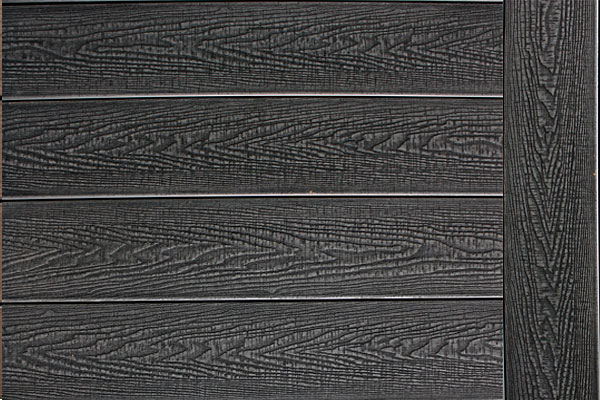
Thick composite decking is available in a wider range of textures, finishes, and designs, often mimicking the look of high-end hardwoods. If you’re seeking a sophisticated and polished aesthetic for your outdoor space, thick composite decking can offer a premium appearance. The added thickness allows for better detailing and a richer finish, making it perfect for luxury homes, upscale commercial spaces, and decks that need to impress. With the long-lasting quality of thick boards, you’ll get both beauty and functionality in one package.You are willing to invest in a more durable, long-term solution.
Thick composite decking is an investment that provides long-term value. Though it may come at a higher initial cost, it offers superior durability, longevity, and minimal maintenance over the years. If you’re planning to install a deck that will remain in place for decades, thick composite decking is the more reliable option. It can handle the rigors of outdoor environments better than thin decking, making it a worthwhile investment for homeowners or businesses looking to avoid frequent repairs or replacements.You’re looking for a more robust and secure surface.
For areas that will support heavy furniture, grilling stations, hot tubs, or other large installations, thick composite decking provides the necessary stability and load-bearing capacity. The added thickness ensures that your deck will remain firm and secure, even when subjected to significant weight. This makes it an excellent choice for spaces that require both function and style.You want low maintenance with fewer concerns about wear.
Due to the enhanced structural integrity of thick composite decking, you’ll experience fewer issues related to damage and wear over time. The thicker boards are better at hiding minor scratches and imperfections, and their superior resistance to stains, moisture, and fading means you’ll spend less time cleaning and maintaining the deck. This makes thick composite decking an excellent choice for those who want to enjoy a beautiful outdoor space without frequent upkeep.You’re building a deck that will be exposed to the elements year-round.
In areas with harsh seasonal changes, such as heavy snow or prolonged sun exposure, thick composite decking can withstand the temperature fluctuations better than thinner boards. The denser composition of thick decking ensures it doesn’t warp, crack, or degrade under harsh weather conditions. If you’re building a deck that will be exposed to the elements year-round, thick composite decking is the more reliable option.
Conclusion
Choosing between thin composite decking and thick composite decking ultimately comes down to the specific needs of your project. Thin composite decking offers affordability, flexibility, and ease of installation, making it ideal for smaller spaces or DIY projects. Meanwhile, thick composite decking provides superior durability, strength, and aesthetic appeal, making it the best option for large, high-traffic spaces or long-term investments.
By considering factors such as cost, installation, durability, and the specific requirements of your outdoor space, you can make an
informed decision on which type of composite decking will best suit your needs. If you’re working with a limited budget or handling a smaller space, thin composite decking offers an excellent, cost-effective solution that’s easy to install and maintain. However, for larger areas, high-traffic zones, or spaces where long-lasting durability and premium aesthetics are a priority, thick composite decking is the clear winner.
Each type has its distinct advantages and trade-offs, so it’s important to carefully evaluate the scale of your project, your budget, and the level of maintenance you’re willing to commit to. Whether you’re renovating a small backyard deck or building a grand outdoor entertainment space, understanding the key differences will ensure you choose the perfect decking solution that delivers both function and beauty for years to come.
No matter which option you choose, composite decking offers a low-maintenance, high-performance alternative to traditional wood that will enhance the value and enjoyment of your outdoor living space. Explore the different types and invest in the best decking material for your needs!