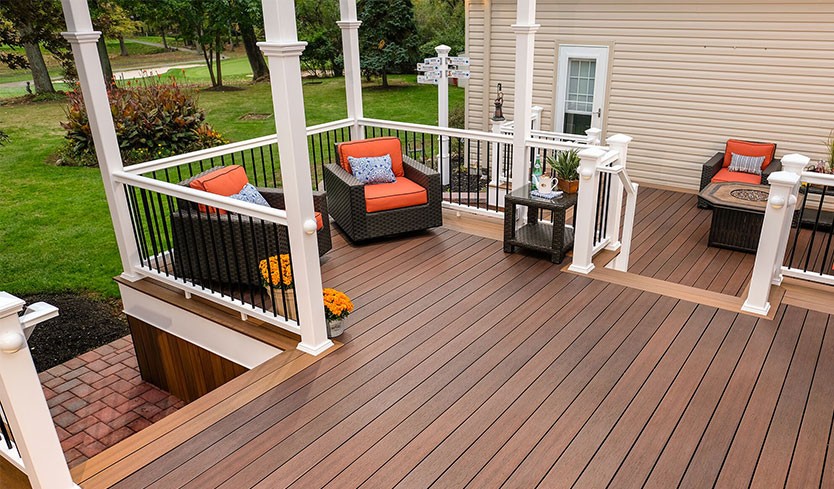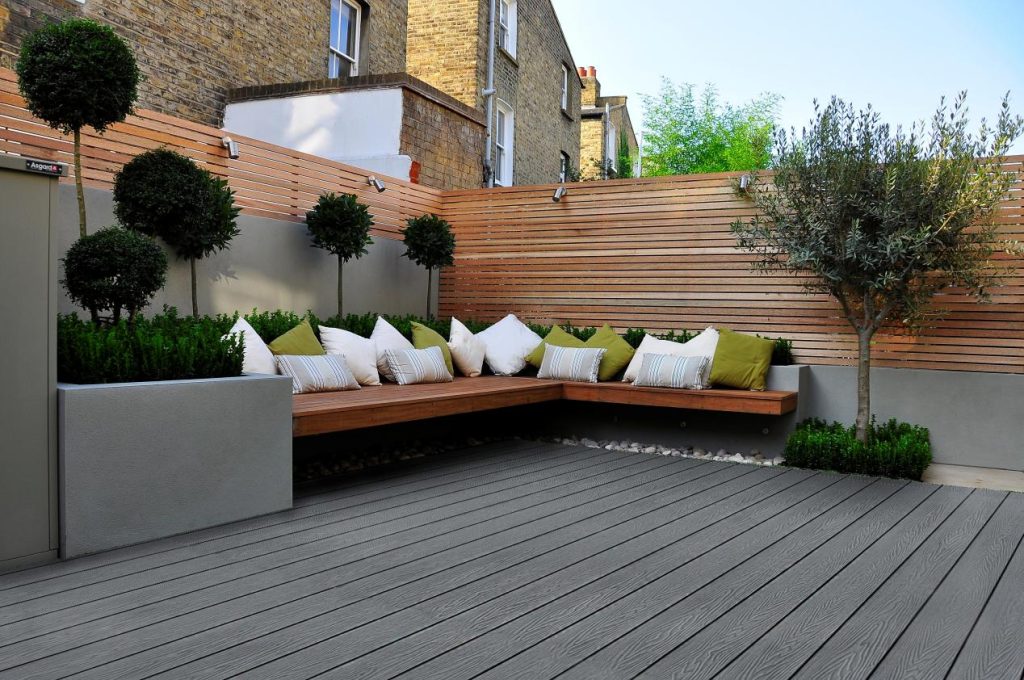
When it comes to designing your outdoor space, choosing the right decking material can make all the difference. Among the most popular options are Trex Composite Decking and Hosung Composite Decking. Both offer excellent durability, aesthetic appeal, and low-maintenance characteristics, but how do you decide which is the best fit for your specific needs? In this blog post, we’ll take an in-depth look at both Trex Composite Decking and Hosung Composite Decking. We’ll explore their features, benefits, design options, and environmental considerations to help you make an informed decision.
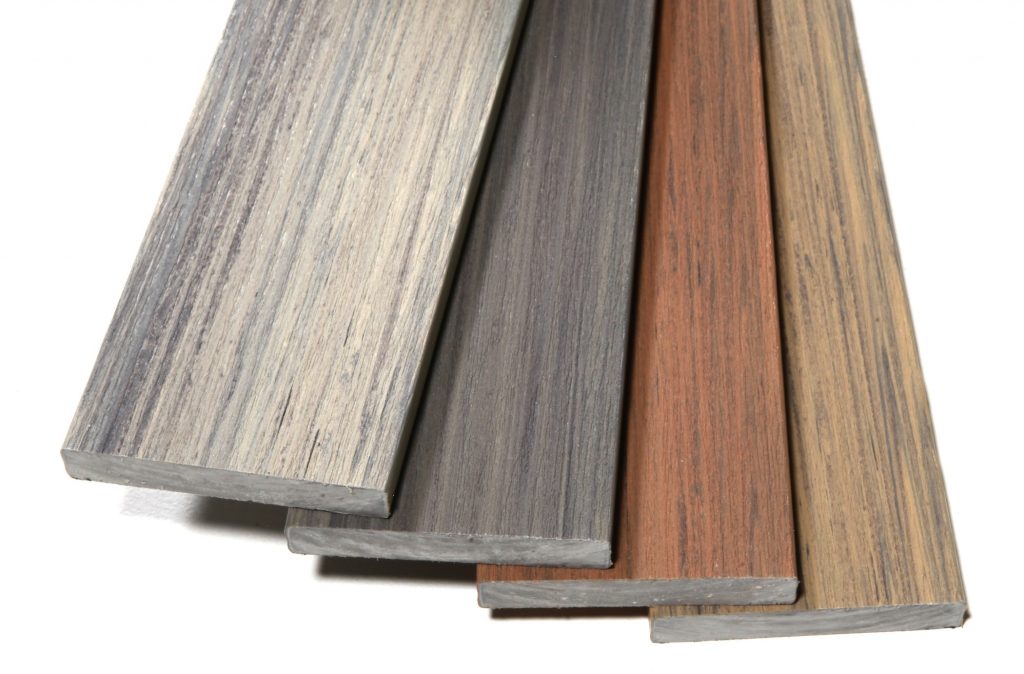
Table of Contents
Understanding Composite Decking: What It Is and Why It Matters
Before diving into the specifics of Trex Composite Decking and Hosung Composite Decking, it’s important to understand what composite decking is and why it has become a popular choice for homeowners.
Composite decking is made from a blend of wood fibers and plastic materials, which gives it the appearance of natural wood but with enhanced durability and low maintenance. Unlike traditional wood decking, composite materials are resistant to rot, fading, and the wear and tear that comes with outdoor exposure.
Trex Composite Decking Overview
Trex has been a major player in the composite decking industry since 1996. With a focus on eco-friendly products, innovation, and quality, Trex has built a solid reputation in the decking market. Trex is widely known for its premium composite decking products that combine high-performance materials with beautiful designs.
Key Features of Trex Composite Decking:
Eco-Friendly: Trex prides itself on using 95% recycled materials in its decking products. This includes reclaimed wood fibers and recycled plastic, which help reduce environmental impact.
Durability: Trex decking is highly resistant to fading, staining, and scratching. It’s designed to withstand extreme weather conditions, making it a great choice for a wide range of climates.
Color Options: Trex offers a variety of colors and textures that replicate the look of natural wood. From rich, traditional browns to modern greys and even multi-tonal finishes, there’s something for every style.
Low Maintenance: One of Trex’s biggest selling points is its low-maintenance requirement. Unlike traditional wood decking, Trex doesn’t need staining, sealing, or frequent cleaning. Just an occasional rinse with water is enough to keep it looking fresh.
Trex Collections:
Trex Transcend: Trex’s premium collection, designed for high-end projects. Transcend offers superior durability, advanced protection, and beautiful aesthetic finishes.
Trex Enhance: A more affordable range that still offers excellent durability and style.
Trex Select: A budget-friendly option that still maintains the quality and performance Trex is known for.
Hosung Composite Decking Overview
Hosung Composite Decking, though a relatively new name in the market, has quickly established itself as a competitor in the industry. Offering an impressive range of decking products, Hosung focuses on providing quality, durability, and sustainable solutions for residential and commercial projects alike.
Key Features of Hosung Composite Decking:
Durability: Hosung composite decking is built to last. Resistant to cracking, fading, and warping, it’s perfect for areas that experience heavy foot traffic or exposure to the elements.
Eco-Friendly: Just like Trex, Hosung uses recycled materials in its production process, contributing to sustainability. Hosung ensures that its decking products meet eco-friendly standards while still offering superior performance.
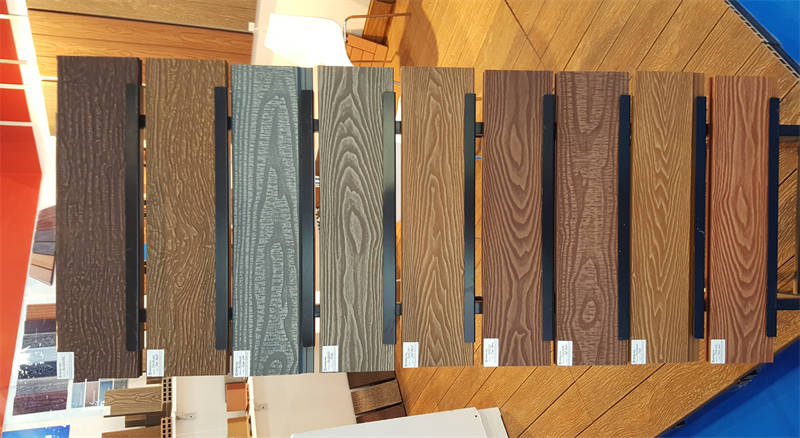
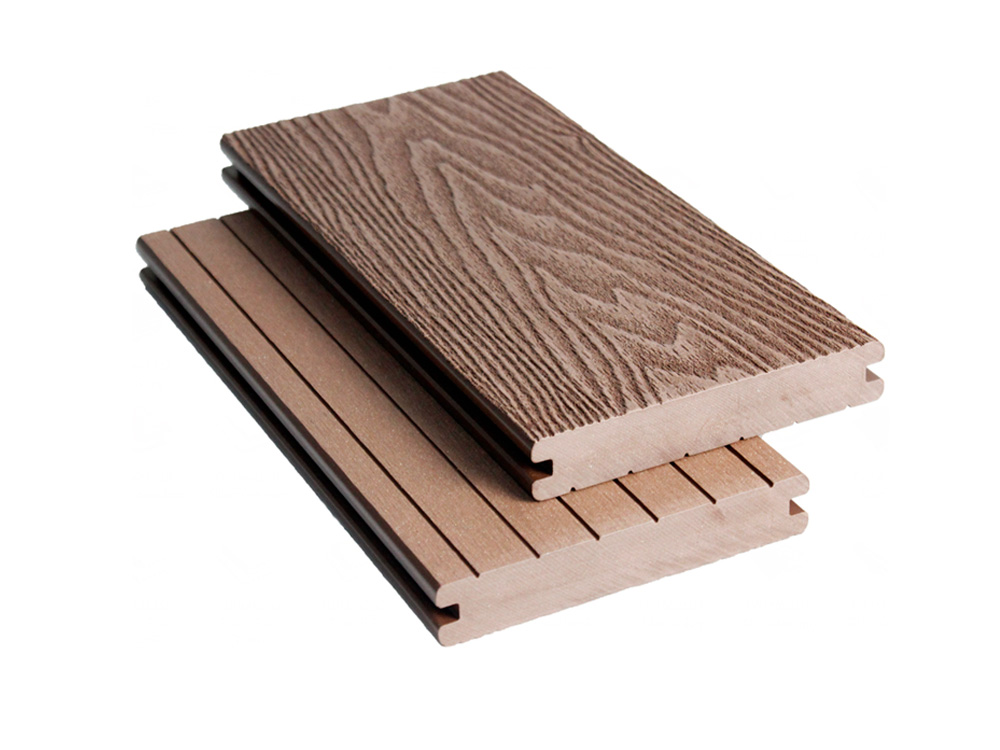
Design Variety: Hosung offers a wide array of colors and textures, giving homeowners and builders plenty of options to customize their outdoor spaces. Their deep wood-grain textures are perfect for those who prefer a more natural look.
Low Maintenance: Hosung composite decking is designed for easy upkeep. It doesn’t require regular sealing, staining, or painting, making it a hassle-free choice for homeowners.
Hosung Collections:
Hosung WPC Decking: Hosung’s flagship product line, designed for both residential and commercial use. This range offers various color options and textures, providing a rich aesthetic for any outdoor space.
Hosung Decking Tiles: Ideal for DIY projects, these interlocking tiles make it easy for homeowners to create beautiful decking without the need for professional installation.
Trex Composite Decking vs Hosung Composite Decking: Key Differences
Now that we’ve looked at each brand’s offerings, let’s compare Trex Composite Decking and Hosung Composite Decking based on a few key factors.
1. Material Composition and Construction
Both Trex Composite Decking and Hosung Composite Decking are made from wood-plastic composite materials, which means they both combine wood fibers and plastic to create a durable, low-maintenance product. However, the exact composition and manufacturing processes differ slightly.
Trex uses 95% recycled content, including wood fibers and recycled plastic. This makes Trex a leader in eco-friendly products, with an emphasis on sustainability.
Hosung, while also using recycled materials, may offer slight variations in its composite formula. Hosung decking is known for its high strength and durability, with a focus on providing natural-looking finishes.
2. Price
Price is a significant factor when choosing a composite decking brand.
Trex Composite Decking tends to be on the higher end of the price spectrum, especially for premium collections like Transcend. However, the price reflects the high-quality materials and the long-lasting performance that Trex offers.
Hosung Composite Decking, on the other hand, provides a more affordable option without compromising on quality. For those on a budget, Hosung offers excellent value for money, especially with their WPC Decking and Decking Tiles options.
3. Aesthetic Appeal
Both brands offer a variety of colors and textures, but their design philosophies are slightly different.
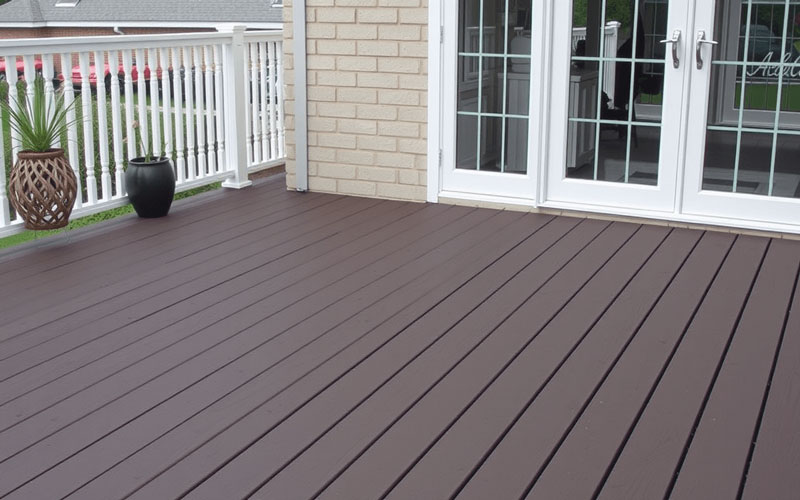
Trex Composite Decking is known for its sleek, modern finish and smooth textures. Whether you choose the Transcend or Enhance collections, you’ll find a range of colors designed to mimic the look of natural wood, but with a more contemporary twist.
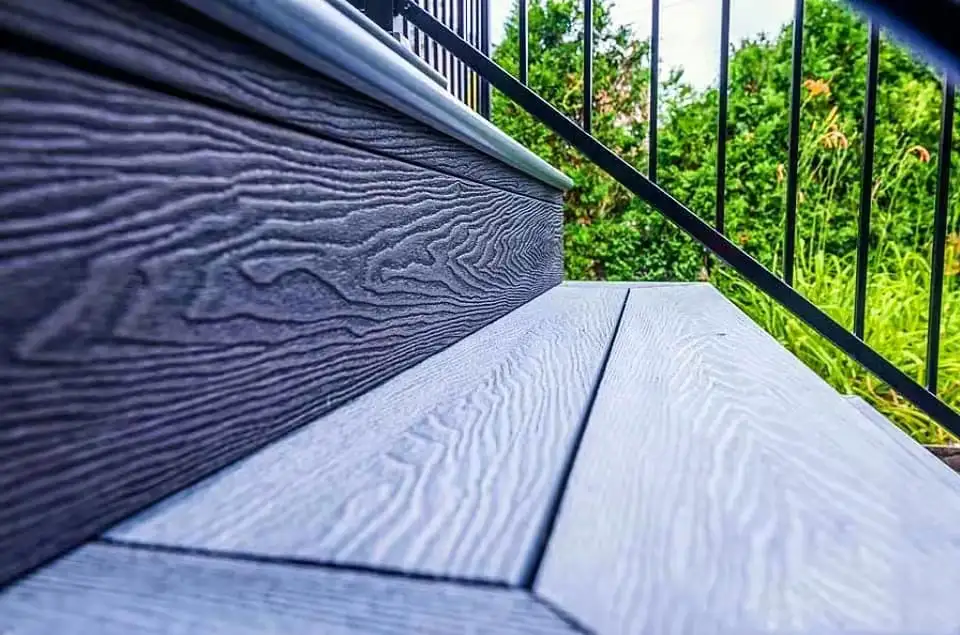
Hosung Composite Decking offers deep wood-grain textures that are perfect for homeowners looking for a more rustic, traditional aesthetic. With a variety of colors available, Hosung’s decking gives the impression of real hardwood, providing a warm, inviting look for any outdoor space.
4. Durability
Both Trex and Hosung are known for their durability, but there are subtle differences in their resilience:
Trex offers a more weather-resistant product that is designed to withstand extreme conditions. It’s particularly well-suited for areas with harsh climates, including hot summers or cold winters.
Hosung decking, while equally durable, is designed for heavy-duty use. Its resistance to fading, cracking, and warping makes it ideal for areas with moderate to heavy foot traffic.
5. Maintenance
Both Trex Composite Decking and Hosung Composite Decking are designed for low maintenance. However, Trex’s Transcend and Enhance collections are particularly notable for their minimal upkeep requirements. Hosung’s products also require very little maintenance, with the occasional cleaning sufficient to keep them looking pristine.
6. Installation
Both brands offer easy installation processes, but the methods differ slightly:
Trex Composite Decking uses a hidden fastener system for a clean, screw-free look. This installation method is designed to provide a more polished finish while making it easier to install the boards securely.
Hosung Composite Decking offers DIY-friendly installation options, especially with their Decking Tiles. These tiles interlock easily, making them perfect for those who want a hassle-free installation process.
Which One Should You Choose?
The decision between Trex Composite Decking and Hosung Composite Decking ultimately depends on your personal preferences, project requirements, and budget.
If you’re looking for a premium product with a wide range of color options, long-lasting durability, and superior weather resistance, Trex Composite Decking may be the right choice.
If you’re working with a moderate budget and want a durable, eco-friendly option that offers excellent performance and aesthetics, Hosung Composite Decking provides a more affordable yet high-quality alternative.
Both brands offer exceptional decking solutions that will enhance your outdoor space. Ultimately, the best choice for you will depend on your specific needs, including your style preferences, climate considerations, and budget.
Price Comparison: Trex Composite Decking vs Hosung Composite Decking
When deciding between Trex Composite Decking and Hosung Composite Decking, price is often one of the most significant factors to consider. Both brands offer excellent products, but their pricing structures can vary based on factors like quality, design, and product range. Let’s break down the pricing differences to help you understand which option provides the best value for your project.
Trex Composite Decking Price Range
Trex Composite Decking is well-known for its high-end, premium-quality products, and this is reflected in its pricing. While the cost can vary depending on the specific collection you choose, Trex products are generally positioned at the higher end of the market.
Trex Transcend: This is Trex’s top-tier collection, offering unmatched durability and aesthetic appeal. Prices for Trex Transcend typically range between $4 to $8 per linear foot, depending on the color and finish selected. The Transcend line’s advanced features, such as its high-performance shell and premium finish, make it one of the most expensive composite decking options available.
Trex Enhance: Slightly more affordable than Transcend, Trex Enhance offers a balance between price and performance. The pricing for Trex Enhance typically falls between $2.50 and $5 per linear foot. This makes it a solid mid-range option, offering good value for those who want the Trex brand but don’t need the top-tier features of Transcend.
Trex Select: Trex’s most budget-friendly line, Trex Select, is priced around $2 to $3 per linear foot. Though more affordable, Trex Select still delivers the quality and low-maintenance benefits that Trex is known for. This collection is a great choice for those looking to save on their decking budget while still enjoying the benefits of composite materials.
Hosung Composite Decking Price Range
On the other hand, Hosung Composite Decking provides a more affordable range of decking products without compromising on quality. Hosung has focused on offering value-for-money options, making it an attractive choice for customers who want a high-quality composite deck but are working with a more limited budget.
Hosung WPC Decking: Hosung’s flagship product, WPC Decking, is generally priced between $1.50 and $3 per linear foot. This makes Hosung WPC Decking significantly more affordable than Trex’s premium collections while still offering exceptional durability, low-maintenance, and a natural wood-like appearance.
Hosung Decking Tiles: For customers who are looking for a more DIY-friendly option, Hosung Decking Tiles are a popular choice. These interlocking tiles typically range from $2 to $3 per square foot. The ease of installation makes it a great choice for smaller projects or those who want to install their deck without professional help.
Which Option is More Budget-Friendly?
As we can see, Trex Composite Decking generally falls on the higher end of the price spectrum, especially for the premium Transcend line. However, Trex Enhance and Trex Select offer more budget-conscious options that make Trex accessible for a wider range of budgets.
On the other hand, Hosung Composite Decking is a more affordable alternative across the board. Even their high-quality WPC Decking options are priced significantly lower than Trex’s top-tier collections, providing excellent value for those who are looking for a quality deck at a more affordable price point. For DIY projects, Hosung Decking Tiles offer a quick, easy-to-install solution that further reduces labor costs.
Additional Costs to Consider
While the initial price of the decking material is a significant factor, there are other costs to keep in mind when building a composite deck, regardless of whether you choose Trex or Hosung.
Installation Costs: Trex Composite Decking often requires professional installation due to its specific installation guidelines and the use of hidden fasteners, especially with higher-end collections like Transcend. Installation costs typically range from $3 to $5 per square foot, depending on the complexity of the project and the contractor. Hosung Composite Decking is often easier to install, particularly their Decking Tiles, which may reduce the overall installation cost for DIY enthusiasts.
Additional Materials: Regardless of the brand, you’ll also need to account for additional materials such as fasteners, screws, or hidden clips. For Trex, these materials are often proprietary and may come at an additional cost, especially when using their hidden fastener system. Hosung, on the other hand, provides more flexibility in terms of fasteners and installation methods, which can sometimes be more cost-effective.
Conclusion
Both Trex Composite Decking and Hosung Composite Decking are fantastic options for any decking project. With their blend of performance, sustainability, and aesthetic appeal, either brand will enhance your outdoor living space.
As you continue to plan your decking project, consider the factors we’ve discussed and choose the brand that best fits your needs. Whether you choose Trex for its premium features or Hosung for its cost-effectiveness and style, both brands promise years of enjoyment with minimal maintenance.