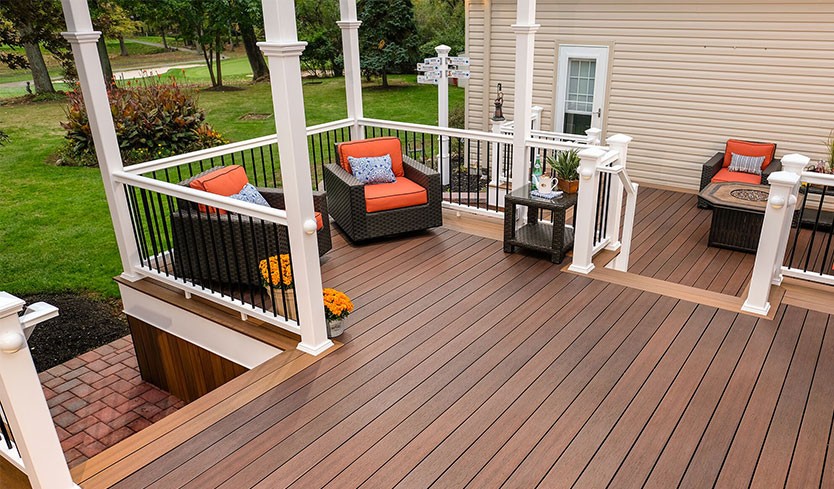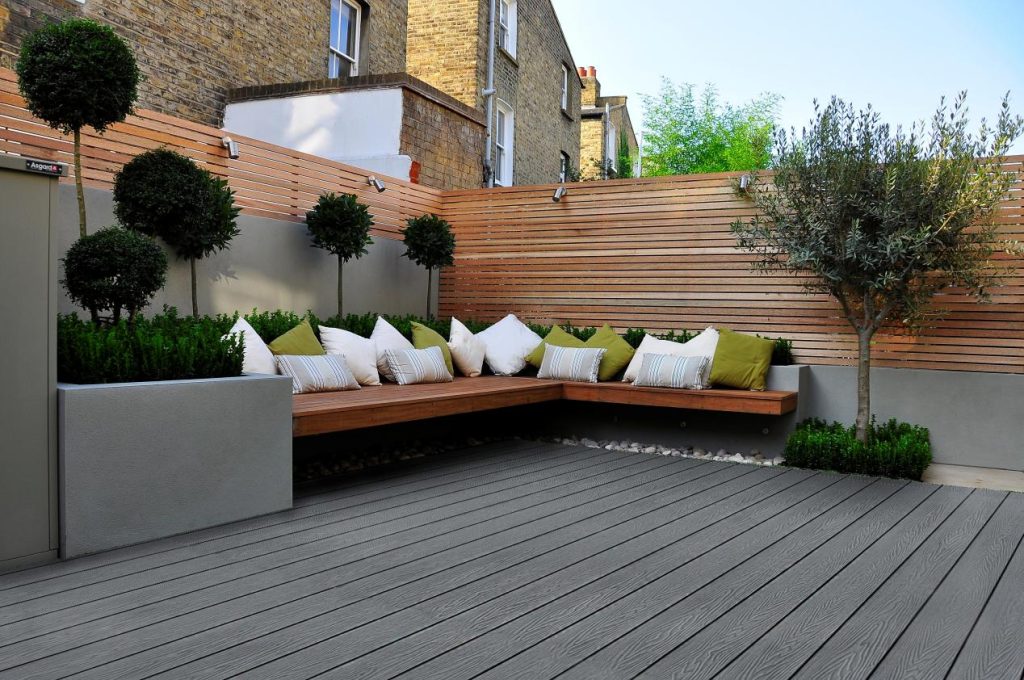
When planning an outdoor decking project, Trex decking prices inevitably become one of the first questions homeowners ask. But Trex is just one of many composite decking brands on the market. Another rising choice—especially among cost-conscious buyers—is Hosung Decking. In this comprehensive guide, we’ll compare Trex decking prices vs. Hosung decking across 10 important factors that affect cost, performance, appearance, and long-term value. Whether you’re planning a backyard rebuild or a commercial patio installation, understanding how Trex decking prices stack up against Hosung can help you balance your budget with performance expectations.
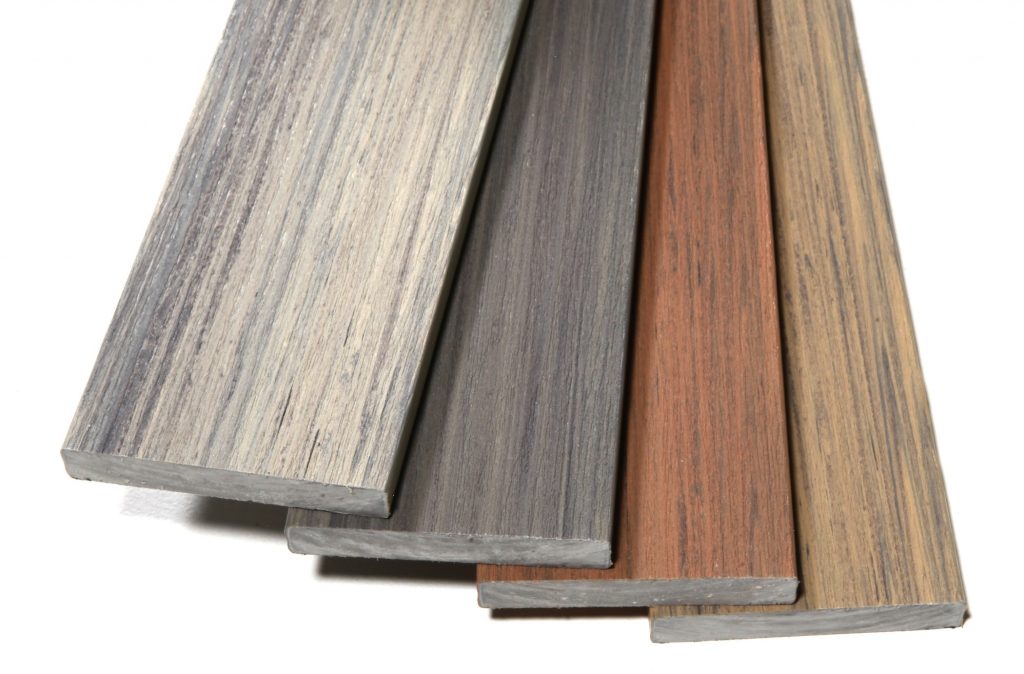
Table of Contents
Raw Material and Manufacturing Differences
The composition of composite decking affects both cost and durability. Trex decking is a wood-plastic composite (WPC) made from recycled wood fibers and plastic. Trex has also developed advanced capped composite formulas that include protective polymer shells. These caps improve resistance against water, stains, and fading—but they also increase production costs.
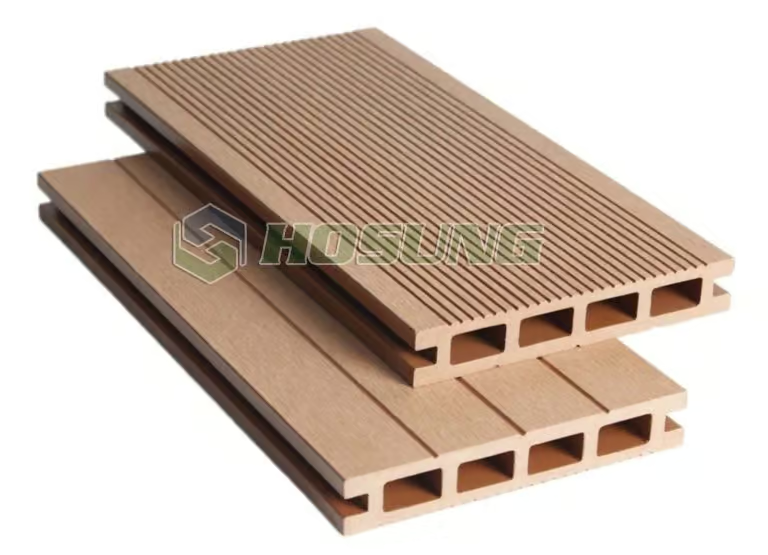
Hosung decking, on the other hand, uses a balanced combination of PVC and wood powder (for PVC/WPC mix products). Some Hosung lines emphasize more wood content to reduce material costs but still achieve acceptable performance.
Impact on Trex Decking Prices
Trex’s higher levels of recycled content and proprietary capping technologies raise manufacturing costs—and this reflects in retail Trex decking prices. In contrast, Hosung’s simpler composition often results in more competitive pricing.
Trex Decking Prices vs Hosung: Price per Linear Foot
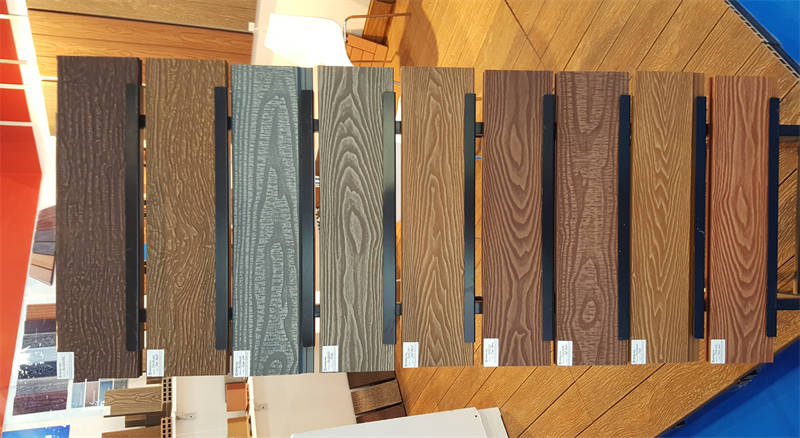
When budgeting for decking, material cost per square foot or per linear foot is one of the most critical factors. A structured comparison helps homeowners clearly understand how Trex decking prices differ from Hosung and what those differences really mean in a full project budget.
1. Product Tier Structure and Pricing Levels
One major reason Trex decking prices are typically higher lies in its tiered product system. Trex Company, Inc. offers multiple collections ranging from entry-level to premium capped composite lines.
Entry-level collections: These are the most affordable Trex options but still include brand premium pricing.
Mid-tier collections: Offer enhanced grain patterns and improved fade resistance.
Premium collections: Feature high-performance polymer caps, deeper embossing, and longer warranties.
As you move up the tiers, the price per linear foot increases significantly due to improved durability and aesthetics.
Hosung, by contrast, positions most of its products within the value-to-mid-range segment. While it also provides capped composite boards, many of its best-selling lines are engineered to balance performance with cost efficiency. This narrower tier spread helps maintain competitive pricing across its range.
2. Average Price Gap per Linear Foot
In most markets, Trex decking prices are commonly 20%–40% higher than comparable Hosung boards of similar size and thickness. The exact difference depends on:
Board width and thickness
Capped vs. uncapped design
Retail vs. wholesale purchasing
Geographic region
Even a small price difference per linear foot can significantly affect total cost. For example:
On a 300–400 sq. ft. residential deck
A $1–$2 difference per linear foot
Can result in hundreds or even thousands of dollars in total material variance
This is why price-per-foot comparison is essential rather than looking only at brand reputation.
3. Distribution and Supply Chain Impact
Another factor influencing Trex decking prices is its retail distribution network. Trex products are widely available in large home improvement chains and authorized dealer systems. These channels include:
Marketing and brand positioning costs
Warehousing and logistics expenses
Retail margins
Hosung often operates through direct export channels, project-based supply agreements, or bulk container shipments. This leaner distribution model allows more flexible pricing, particularly for large-volume orders.
4. Hidden Cost Considerations
When comparing price per linear foot, it’s important to calculate the full system cost, not just board pricing. Consider:
Starter boards and fascia boards
Hidden fasteners and clips
Waste factor (usually 5–10%)
Shipping and handling
Because Trex decking prices are higher at the board level, associated accessories may also be priced at a premium. Hosung systems often provide more budget-friendly accessory options.
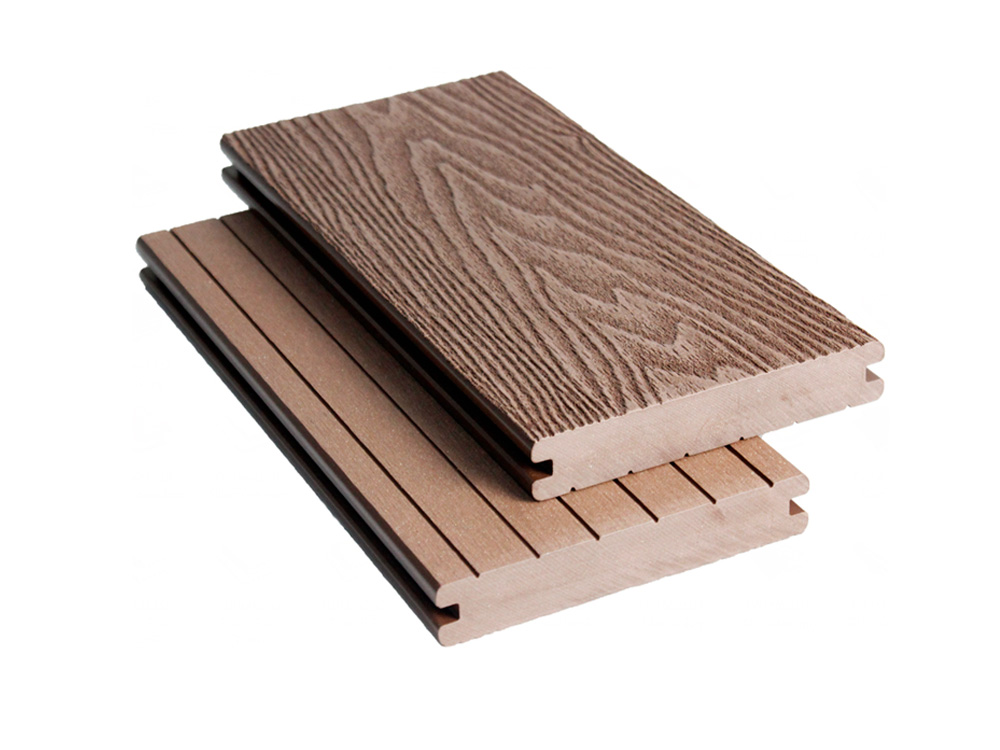
Long-Term Cost: Warranty and Lifecycle
Investing in decking isn’t just about the upfront cost. You also need to consider long-term durability and the warranty backing.
Trex Warranty
Trex is known for industry-leading warranties, including fade and stain coverage of up to 25 years on certain capped products. These extended warranties provide peace of mind—especially in areas with harsh sun or heavy rainfall.
Hosung Warranty
Hosung also offers warranties, but they tend to be shorter (often 10–15 years) depending on product line and seller agreements. That’s still competitive, but not as strong as Trex’s top-end protections.
Effect on Long-Term Value
While the initial Trex decking prices may be higher, the extended guarantee against fading, staining, and structural issues can deliver better long-term ROI—especially for homeowners planning to stay in their homes for a decade or more.
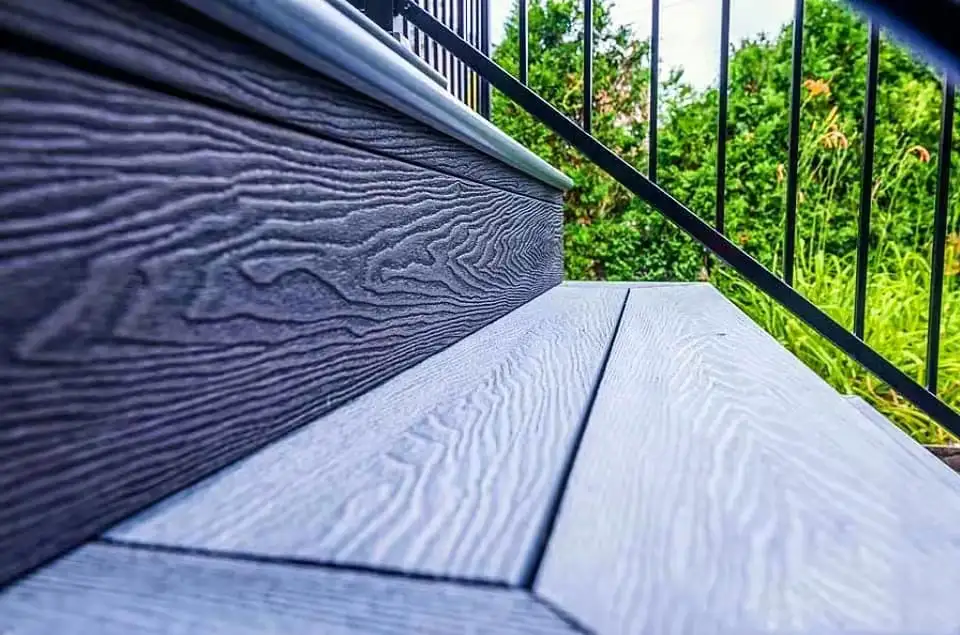
Appearance and Aesthetic Options
Composite decking aesthetics vary widely between brands.
Trex Appearance
Trex decking offers a wide range of colors and finishes, including embossed woodgrain looks that mimic tropical hardwoods. The color palette is often richer and more varied than many others on the market.
Hosung Appearance
Hosung decking also offers multiple colors and woodgrain options, but the variety tends to be narrower and may not have the same premium look as Trex’s top-tier boards.
Influence on Trex Decking Prices
The broader range of high-end finishes often contributes to higher Trex decking prices. Buyers who prioritize look and design options may find the premium justified.
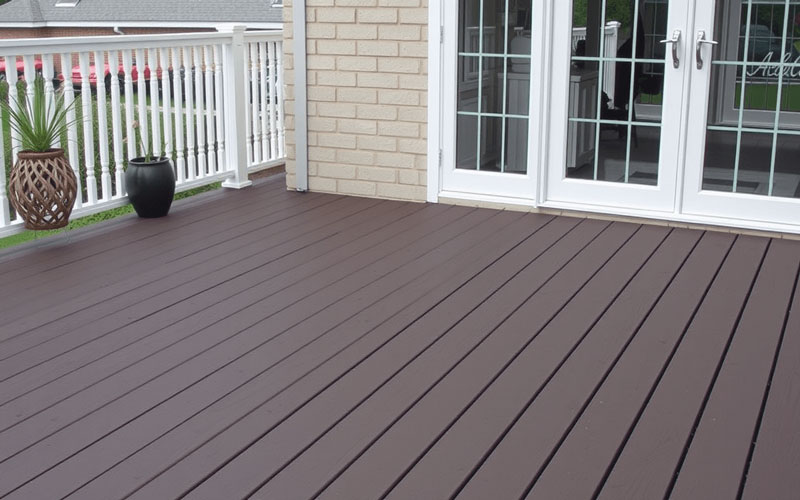
Structural Strength and Load Performance
Deck boards must withstand foot traffic, outdoor furniture, and sometimes heavy equipment.
Trex decking boards are engineered for strength and resistance to sagging. The capped board structure helps maintain performance over time.
Hosung decking boards perform solidly for residential applications, but some competitive tests show that boards with lower density or minimal capping can flex more under load.
While both are adequate for most outdoor decks, Trex’s engineering advantage contributes to higher Trex decking prices, especially in premium lines designed for high-traffic uses.
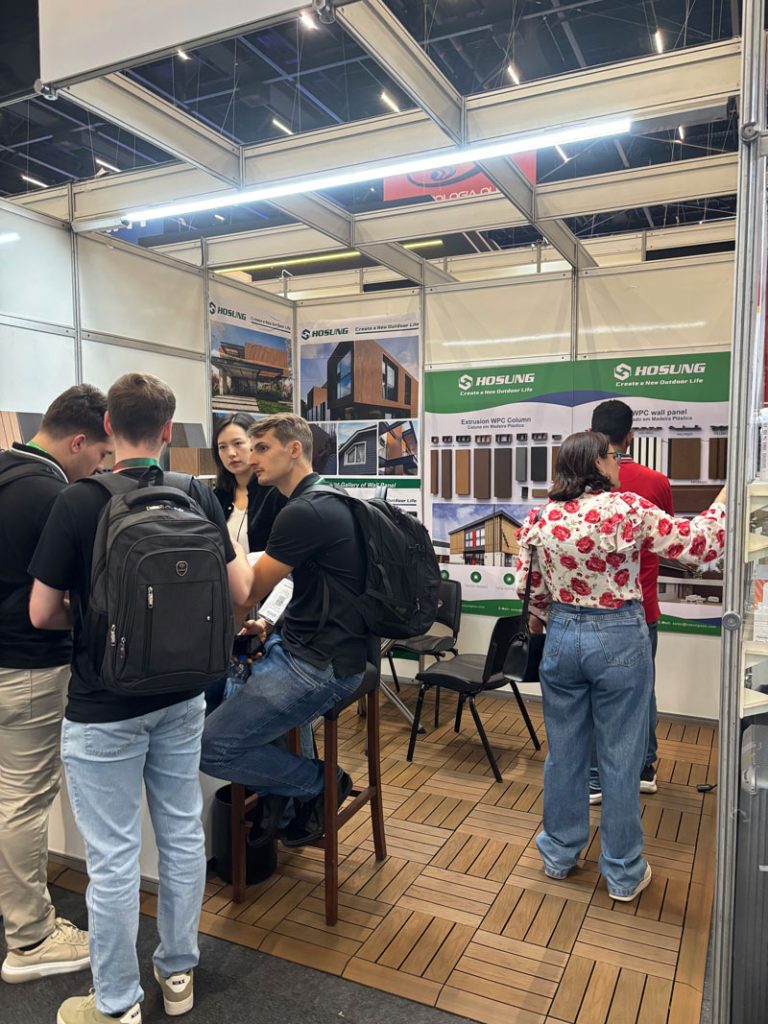
Weather Resistance and Climate Suitability
One of the biggest differentiators between composite decking brands is how well they resist weather issues like UV fading, mold, moisture, and freeze-thaw cycles.
Trex decking prices reflect advanced materials that resist UV damage and moisture penetration.
Hosung decking also offers weather-resistant products, but may require more careful installation and maintenance in extreme climates to avoid cupping or mold growth.
For climates with intense sun or heavy rain, the additional cost incorporated into Trex decking prices can be a worthwhile investment.
Maintenance Requirements Over Time
Composite decking is known for being low-maintenance. However, maintenance still varies:
Trex decking usually requires only occasional soap and water washing.
Hosung decking also washes clean, but some boards may show stains or discoloration more readily if not washed regularly.
Because homeowners often choose composite decking to minimize upkeep, the difference in how easily the boards maintain their appearance can factor into overall satisfaction—and indirectly affects perceptions of Trex decking prices vs. Hosung value.
Installation Complexity and Labor Costs
Board design affects not just materials cost, but also installation time and labor cost.
Trex boards are compatible with many hidden fastener systems and have well-documented installation guides, which may reduce labor error and installation time. That said, Trex’s thicker boards and premium clips sometimes add to labor effort.
Hosung boards generally install using similar hidden fasteners or conventional screws. Because the boards can be slightly lighter and simpler, some contractors may charge less labor for installation.
Net Effect on Budget
When evaluating Trex decking prices vs. Hosung, remember to factor in installation fees—which can sometimes offset a portion of the material cost difference.
Sustainability and Environmental Impact
Eco-friendly consumers often ask about recycled content and sustainability.
Trex was one of the first brands to emphasize recycled materials in composite decking. Many boards are made from reclaimed wood and recycled plastic film.
Hosung also uses recycled content in many of its products, though the specific percentages can vary by line.
While both brands offer environmentally conscious products, Trex’s long-standing sustainability marketing and certifications contribute to its higher Trex decking prices among green-minded buyers.
Trex Decking Prices: Summary and When Each Makes Sense
To help you make a quick decision, here’s a brief summary of what we’ve covered:
When Trex Makes Sense
You want industry-leading warranties and fade/stain resistance.
Appearance and color variety are priorities.
Your climate is extreme (sun, rain, freeze).
Long-term resale value matters.
You’re okay paying a premium for brand reputation and low maintenance.
When Hosung Might Be a Smart Choice
Budget is the top concern.
You’re building a larger deck and want to minimize material costs.
You still want composite performance but are okay with fewer color options.
You’re working with a contractor who prefers easier-to-install boards.
Final Take: Trex Decking Prices vs Hosung — What You Should Know
Ultimately, the choice between Trex and Hosung comes down to your priorities. If you want a premium, low-maintenance deck with strong warranties and a wide range of finishes, then Trex decking prices reflect that value—especially for long-term performance and resale appeal. For homeowners more focused on budget-friendly composite decking with solid performance for everyday use, Hosung decking offers a compelling alternative.
Remember: when comparing decking options, don’t look only at upfront costs. Factor in installation, warranty protections, climate resilience, appearance, and resale value. The right decision for your home may save you money and stress for decades to come.