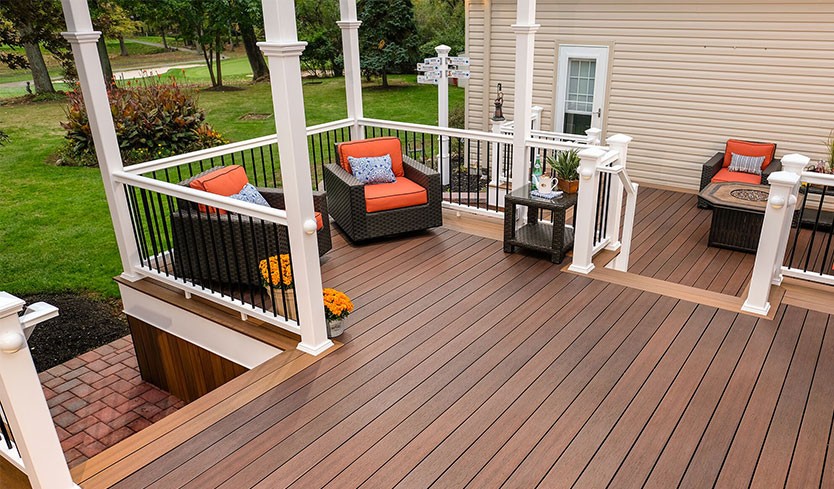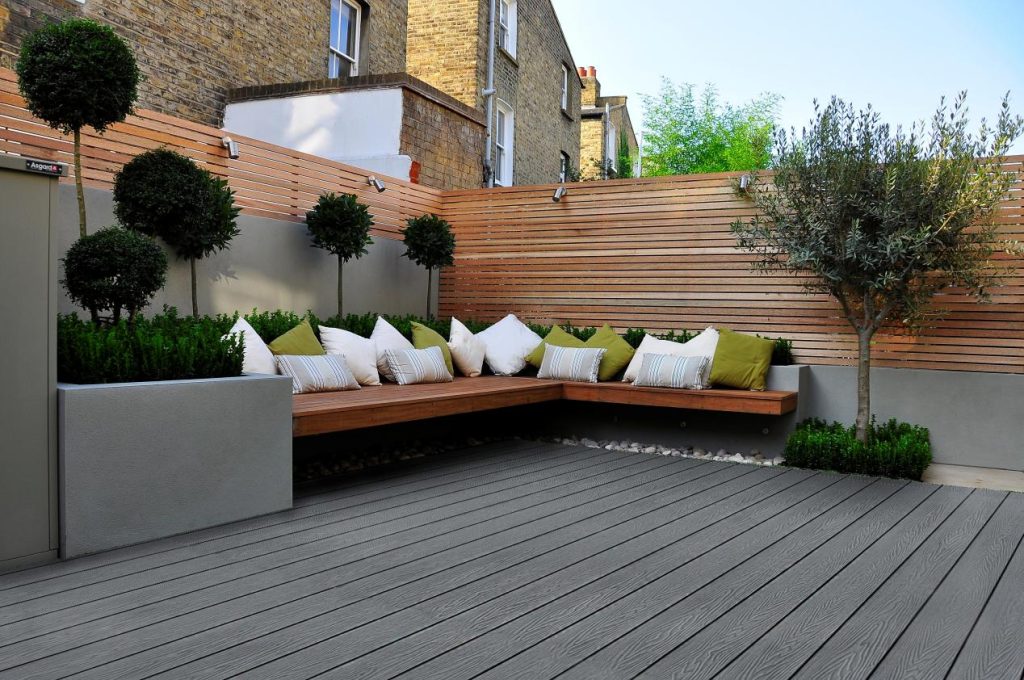
When planning an outdoor project, choosing the right decking material is one of the most important decisions you’ll make. Among the many options available today, composite decking stands out for its durability, low maintenance, and wide variety of styles. But not all composite boards are the same. With the growing demand for sustainable and stylish outdoor living, manufacturers now offer different types of composite decking boards to suit various needs, budgets, and aesthetics. In this guide, we’ll explore the different types of decking boards, break down their unique features, and help you decide which composite deck board types are best for your project.
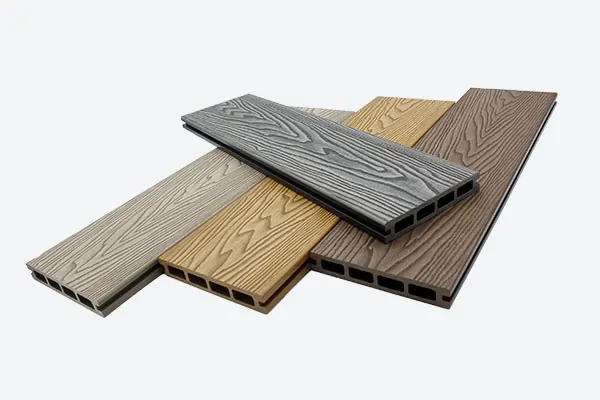
Table of Contents
What Is Composite Decking?
Composite decking is a man-made product created by blending wood fibers, recycled plastics, and binding agents. Unlike traditional wood decking, composite boards are resistant to rot, warping, splintering, and insect damage. They also come in a wide range of colors, finishes, and surface textures, making them a versatile alternative to natural wood.
Over the years, decking technology has evolved dramatically. Early types of decking boards in the composite category were basic, but today’s options include advanced co-extruded boards, realistic 3D embossed finishes, and easy-to-install DIY tiles. This evolution gives homeowners and contractors plenty of choices depending on budget, design preferences, and performance expectations.
Main Types of Composite Decking Boards
Superior Series: Co-Extrusion Decking
Co-extrusion decking represents the latest generation of composite boards. It is made by covering the inner core of wood-plastic composite with a protective outer shell. This “cap layer” provides additional resistance against scratches, fading, staining, and moisture, ensuring long-lasting performance even in harsh climates and busy outdoor spaces.
Features:
High durability with a strong protective cap
Resistant to UV fading and surface scratches
Richer and more natural-looking finishes
Longer lifespan compared to uncapped boards
Best for: Homeowners seeking premium, long-lasting, and low-maintenance decking solutions that maintain their beauty and structural strength over many years.
A sub-category of co-extrusion decking, bi-color boards offer unique shading variations for a more natural, wood-like look. These boards mimic the grain patterns of exotic hardwoods, making them ideal for high-end outdoor spaces where aesthetics and authenticity are equally important. Their dual-tone finish creates a luxurious feel that enhances overall outdoor living designs.
Features:
Dual-tone surface finish for a natural wood appearance
Excellent color retention due to advanced capping
Scratch and stain resistance
Stylish for modern or luxury outdoor projects
Best for: Design-conscious homeowners who want their deck to look as close to real wood as possible without the upkeep and constant refinishing required by natural timber.
Classic Series: 3D Embossed Decking
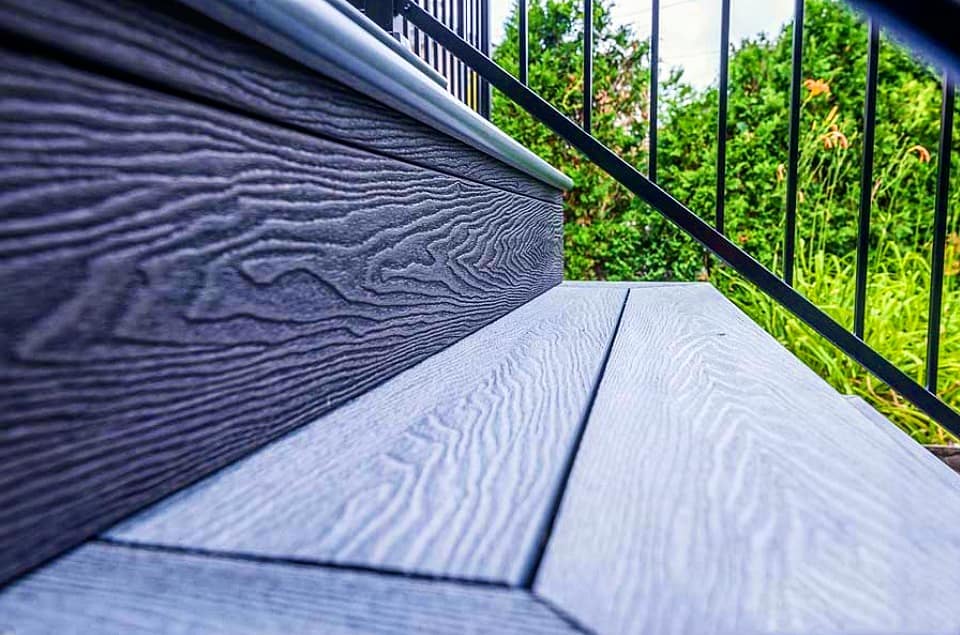
3D embossed decking takes surface texture to the next level. Instead of flat or brushed finishes, these boards are deeply textured to replicate the authentic grain of natural wood. The enhanced embossing not only improves appearance but also adds practical benefits like slip resistance and increased traction, making it safer for families and pets.
Features:
Realistic wood grain surface
Enhanced slip resistance due to deep embossing
Available in multiple colors and patterns
Balanced between affordability and style
Best for: Homeowners who want their deck to have the feel of real timber with added safety benefits, without sacrificing cost-effectiveness or long-term durability.
3D Embossed Step Board
Designed specifically for stairs, these boards combine the durability of composite decking with extra grip and safety features. The embossed grain also enhances visual appeal, making outdoor steps blend seamlessly with the main deck while ensuring comfort and stability for frequent use. They are especially useful in wet areas where slips are a concern.
Features:
Slip-resistant texture
Extra durability for high-traffic stair use
Stylish integration with main deck designs
Best for: Outdoor staircases and steps where safety and aesthetics are equally important, especially in poolside areas or public access decks that require reliable traction.
Standard Series: 1st Generation WPC Decking
The first generation of composite decking, often referred to as “uncapped” boards, lacks the protective outer shell of co-extrusion boards. While they may fade faster over time, they remain a cost-effective option. These boards continue to be widely used in entry-level projects and provide a solid balance of strength and price value.
Features:
More affordable than capped boards
Made from a mix of recycled wood and plastic
Basic surface finishes, less natural appearance
Requires occasional cleaning and maintenance
Best for: Budget-friendly projects where cost savings are a top priority, particularly in temporary outdoor installations or small residential decks.
For homeowners who prefer easy installation, DIY decking tiles are an excellent choice. These are small square or rectangular pieces of composite decking pre-mounted on an interlocking base. They can be quickly assembled without tools and are ideal for quick transformations of outdoor spaces. Their versatility makes them suitable for renters who may relocate.
Features:
Quick installation without tools or screws
Perfect for balconies, patios, and small outdoor spaces
Removable and reusable
Variety of colors and styles
Best for: Renters, DIY enthusiasts, and anyone wanting a fast deck upgrade without professional help, making them a flexible and stylish outdoor flooring option.
1st Generation WPC Step Board
Similar to first-generation decking, these step boards are made for stair applications. While less advanced than capped step boards, they remain practical for budget-conscious installations. Their simple finish makes them easy to match with other entry-level decking, offering a consistent look across stairs and the main deck surface.
Features:
Affordable stair solution
Same durability as standard 1st generation boards
Simple appearance, easy to match with basic decking
Best for: Entry-level stair projects where function matters more than premium looks, particularly in small-scale decks or low-traffic outdoor areas.
Additional Composite Deck Board Types
Beyond the main categories listed above, the market continues to innovate, offering more types of composite decking boards to suit different preferences.
Hollow vs. Solid Composite Decking
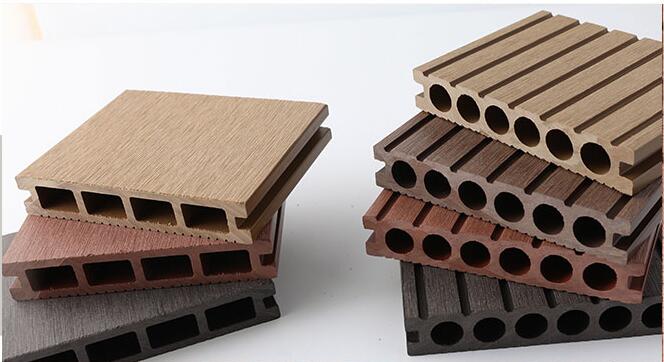
Hollow Boards: Lightweight, easier to handle, and often more affordable. However, they may require end caps for a finished look, and they offer slightly less strength under heavy loads compared to solid boards.
Solid Boards: Heavier, sturdier, and better at withstanding heavy loads. Typically used for high-traffic areas, they deliver a more traditional deck feel and stronger stability overall.
Best for:
Hollow: Budget projects or DIY installations where lightweight materials are helpful.
Solid: Commercial projects, heavy-use decks, or areas with lots of furniture and frequent gatherings.
Grooved vs. Ungrooved Boards
Grooved Boards: Designed to work with hidden fasteners for a clean, screw-free finish. This style provides a modern, seamless appearance that many homeowners prefer in premium projects.
Ungrooved Boards: Require face screws but can be easier for certain types of installations. These are often more straightforward to install for contractors unfamiliar with hidden fastener systems.
Best for: Homeowners who prioritize either aesthetics (grooved for a sleek finish) or practicality (ungrooved for faster, simpler installations).
Fire-Resistant Composite Decking
Some manufacturers produce boards that meet strict fire-safety standards. These are particularly important in wildfire-prone regions or commercial projects with fire codes. Their specialized composition helps reduce flame spread and offers added peace of mind in areas where fire hazards are a concern.
Best for: Decking in areas with fire-safety regulations or outdoor projects requiring compliance with strict building codes for fire performance.
Eco-Friendly Composite Boards
Made with higher ratios of recycled materials, these boards are designed for environmentally conscious homeowners. Many companies now highlight sustainability as a key feature, offering decking solutions that reduce waste while still providing beauty and strength. These eco-options are often favored in green building certifications.
Best for: Green building projects or homeowners aiming to reduce their carbon footprint without sacrificing performance, aesthetics, or the long-term value of their deck.
Factors to Consider When Choosing Composite Deck Board Types
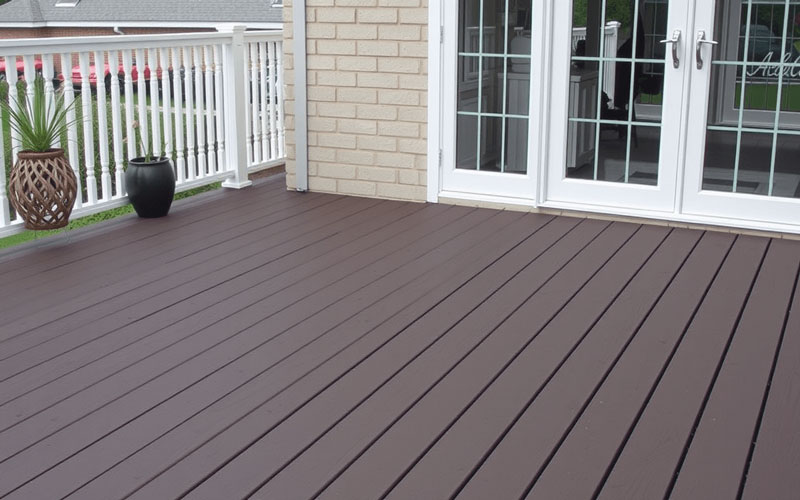
When comparing different types of decking boards, here are some key factors to think about:
Budget: First-generation boards are cheaper, while co-extrusion and bi-color boards cost more but offer better performance.
Appearance: Do you want a natural wood look, bold modern colors, or a balance of both?
Durability: Will your deck face heavy foot traffic, pets, or furniture? Solid boards may be best.
Installation Method: DIY tiles and grooved boards with hidden fasteners are great for easy installation.
Maintenance Level: Higher-end boards require minimal care, while entry-level options may fade or stain more easily.
Safety: For stairs and poolside decks, choose slip-resistant options like 3D embossed or step boards.
Benefits of Composite Decking vs. Wood
Choosing composite decking over traditional timber provides several advantages:
Longevity: Composite boards can last 25–30 years, compared to 10–15 years for wood.
Low Maintenance: No sanding, staining, or sealing required.
Weather Resistance: Withstands moisture, UV rays, and temperature changes.
Eco-Friendly: Often made from recycled materials.
Safety: No splinters, reduced warping, and slip-resistant textures available.
Conclusion
With so many types of composite decking boards available today, homeowners have more flexibility than ever to design outdoor spaces that are stylish, durable, and functional. Whether you prefer the affordability of 1st generation boards, the elegance of co-extrusion bi-color decking, or the convenience of DIY tiles, there’s a perfect solution for every project.
By understanding the different types of decking boards and how they compare, you can make a confident choice that balances budget, aesthetics, and long-term performance.
If you’re ready to start your project, take time to explore the various composite deck board types available in Hosung WPC and match them to your lifestyle needs. The right choice will ensure your deck remains a beautiful, safe, and enjoyable space for years to come.