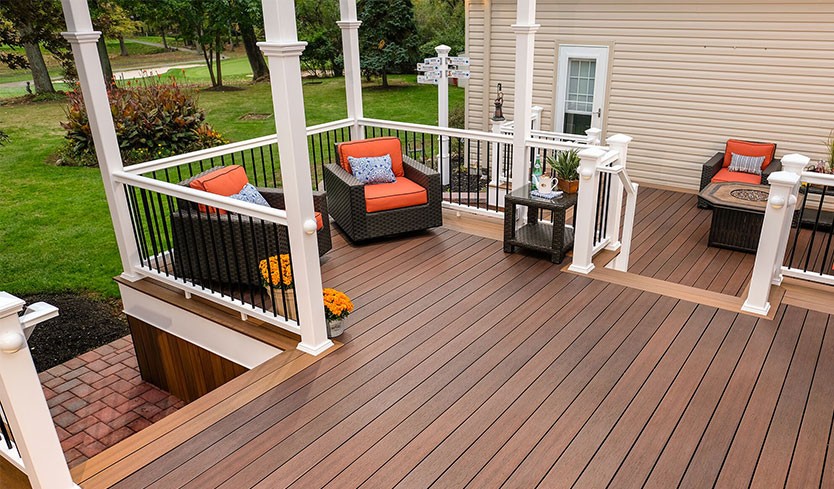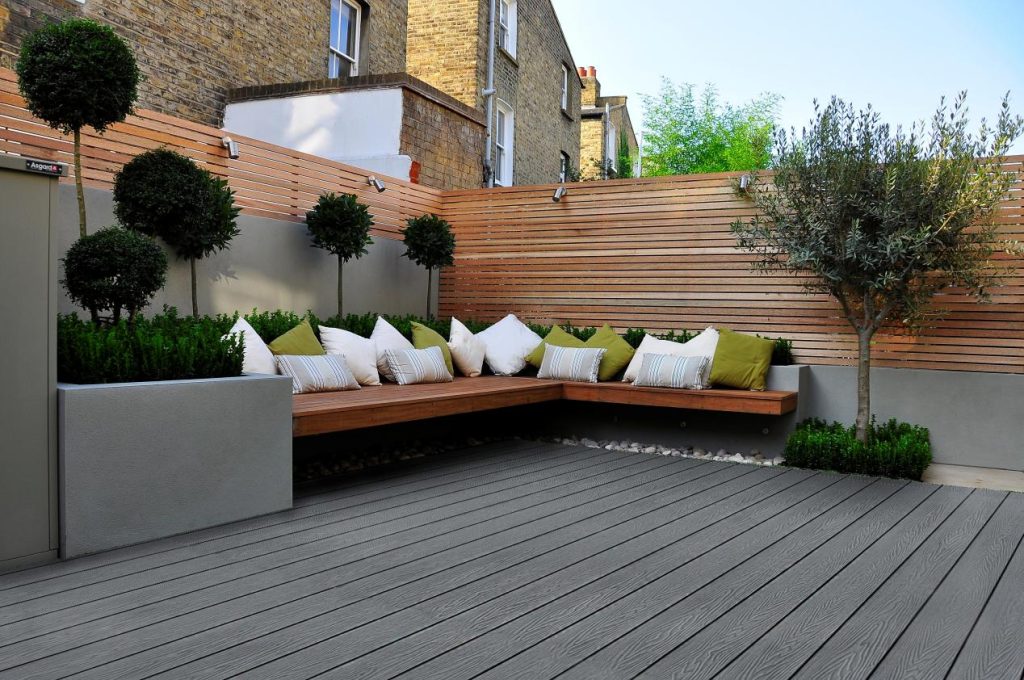
Composite decking has gained immense popularity in outdoor landscaping and home improvement projects due to its durability, low maintenance, and aesthetic appeal. However, when it comes to building a long-lasting composite deck, one of the most critical components often overlooked is the composite decking joists. These joists provide the essential structural support for your deck, ensuring stability, safety, and longevity. In this article, we will explore what composite decking joists are, why they are important, their main types, and practical considerations for choosing the right joists for your decking project.
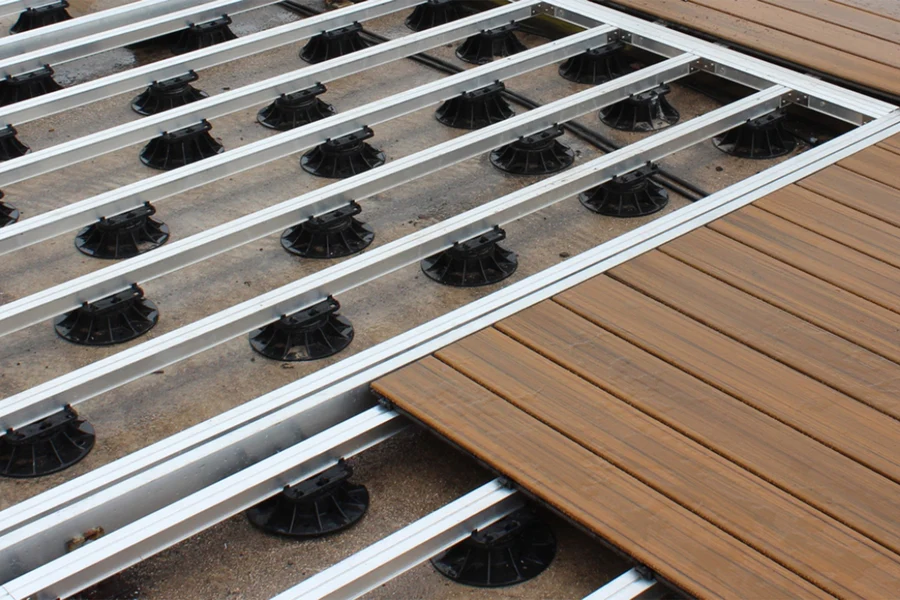
Table of Contents
Understanding Composite Decking Joists
What Are Composite Decking Joists?
Composite decking joists are the structural beams that lie underneath the surface of your composite deck boards. They serve as the framework that supports the decking boards, transferring weight to the deck’s foundation or support posts. Unlike traditional wood joists, which are often made from pressure-treated lumber, composite decking joists are made from engineered materials such as wood-plastic composites (WPC), PVC, or other synthetic blends.
The primary function of composite decking joists is to provide:
Structural Support: Joists carry the weight of the deck, furniture, and foot traffic.
Durability: Composite joists are designed to resist warping, splitting, and rotting over time.
Ease of Installation: Many composite joists are designed to interlock or be compatible with composite deck boards for straightforward installation.
Aesthetic Integration: These joists often complement the decking boards aesthetically, especially when using hidden fasteners or a flush-mount system.
By using composite joists for decking, homeowners can enjoy a more stable and long-lasting deck with minimal maintenance compared to traditional wood joists.
Benefits of Composite Decking Joists
Choosing composite decking joists over traditional wood joists offers several significant benefits:
Resistance to Rot and Decay
Unlike wood, composite materials do not absorb water easily. This resistance to moisture helps prevent rotting and extends the lifespan of the deck structure, especially in humid or rainy climates.Pest and Insect Resistance
Composite joists are not a food source for termites, carpenter ants, or other wood-boring insects, making them a superior choice for long-term durability.Stability in Extreme Weather
Composite materials are engineered to resist expansion and contraction caused by temperature fluctuations. This means your deck will remain level and stable, even in areas with hot summers or freezing winters.Low Maintenance
Unlike wood joists that may require periodic staining, sealing, or painting, composite joists are virtually maintenance-free. A simple cleaning with soap and water is often sufficient.Eco-Friendly Options
Many composite joists are made from recycled plastics and wood fibers, making them a sustainable choice for environmentally conscious homeowners.
Main Types of Composite Decking Joists
Composite decking joists come in various types depending on material composition, design, and installation method. Understanding these types can help you select the most suitable joists for your deck project.
1. Wood-Plastic Composite (WPC) Joists
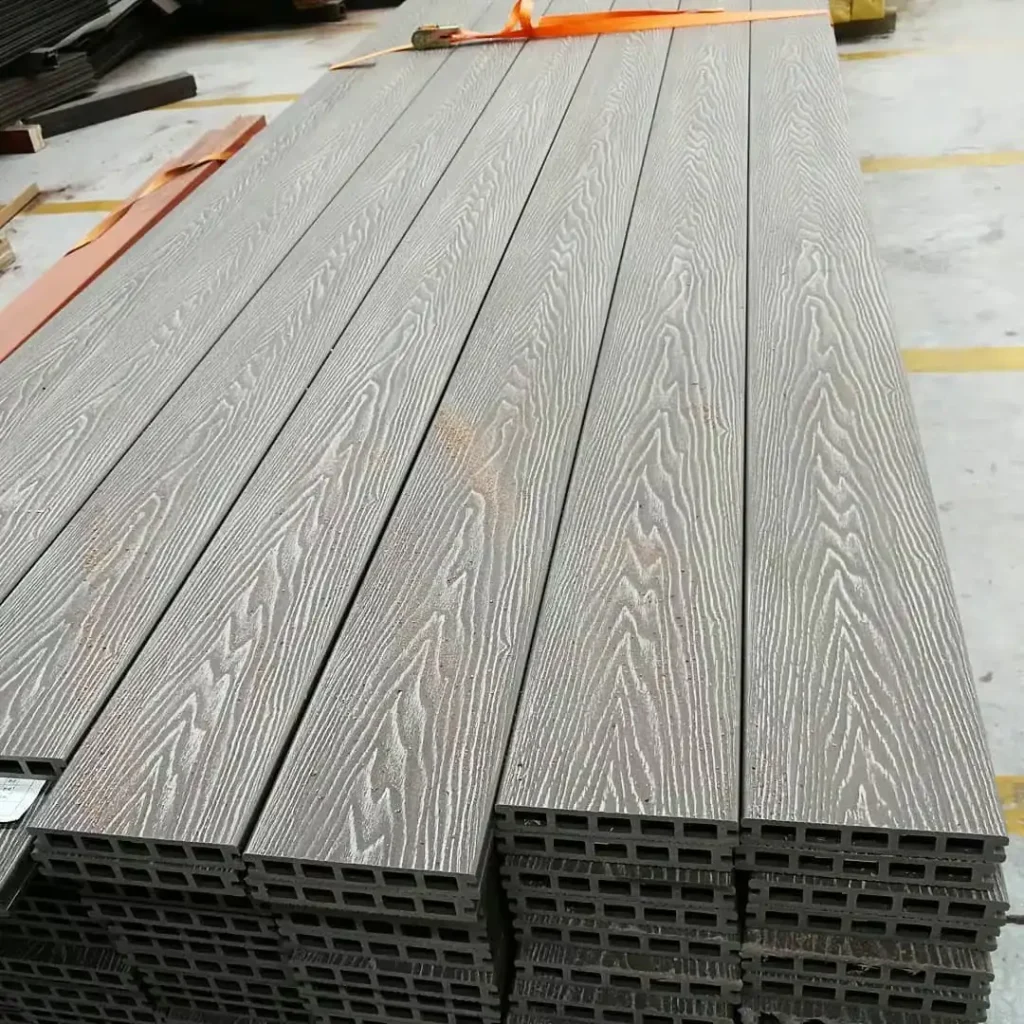
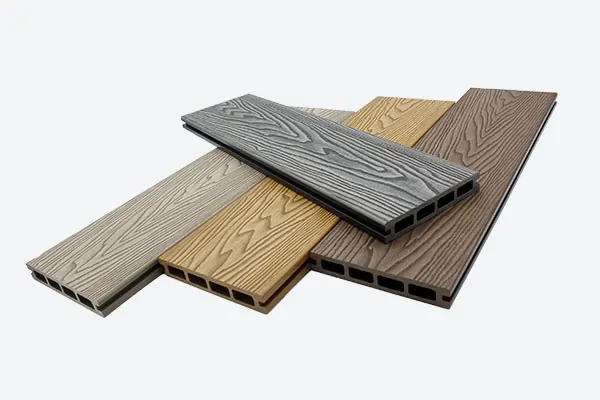
Wood-plastic composite (WPC) joists are the most common type of composite joists available on the market. They are made by combining wood fibers or sawdust with recycled plastic, resulting in a material that retains the aesthetic appeal of wood while offering enhanced durability.
Key Features of WPC Joists:
High resistance to moisture and rot
Reduced risk of splintering compared to traditional wood
Available in various sizes and lengths
Compatible with most composite decking boards
Advantages:
Aesthetic similarity to natural wood
Excellent structural strength for medium to large decks
Minimal maintenance required
Disadvantages:
May be slightly more expensive than traditional wood
Can expand or contract slightly in extreme temperature changes, although less than natural wood
2. PVC Decking Joists
PVC decking joists are made entirely from polyvinyl chloride (PVC), a type of plastic. They do not contain wood fibers and are completely synthetic, offering superior resistance to rot, mold, and pests.
Key Features of PVC Joists:
Lightweight and easy to handle
100% moisture-resistant
Low thermal expansion compared to some WPC joists
Available in hollow or solid profiles
Advantages:
Extremely durable and long-lasting
Highly resistant to moisture, mold, and insects
Ideal for wet environments, such as around pools or coastal areas
Disadvantages:
Can be more expensive than WPC joists
May lack the natural wood look and feel
3. Aluminum Composite Joists
Aluminum composite joists are made from aluminum or aluminum-reinforced composite materials. These joists offer the highest level of structural strength and longevity, making them ideal for commercial or heavy-duty residential decking.
Key Features of Aluminum Joists:
Extremely strong and lightweight
Fully resistant to moisture, rot, and insect damage
Can span longer distances without sagging
Often used with hidden fastening systems
Advantages:
Exceptional durability and long lifespan
Minimal maintenance required
Can handle heavy loads, making them suitable for rooftop decks or public spaces
Disadvantages:
Higher upfront cost
Requires specialized tools and knowledge for installation
Not as visually similar to wood, unless covered with a composite board
4. Hybrid Joists
Hybrid joists combine materials to take advantage of the strengths of each component. For example, some hybrid joists feature a composite wood-plastic exterior with a metal or PVC core. This design maximizes strength, moisture resistance, and stability.
Key Features of Hybrid Joists:
Composite exterior for aesthetic appeal
Reinforced core for added strength
Resistant to warping, rot, and pests
Advantages:
Combines the best qualities of different materials
Often more stable and durable than WPC or PVC alone
Suitable for large or high-traffic decks
Disadvantages:
May be more costly than single-material joists
Availability can be limited compared to standard WPC or PVC options

How to Choose the Right Composite Decking Joists
Selecting the right composite joists for decking requires considering several factors, including the type of deck, environmental conditions, budget, and aesthetic preferences.
1. Deck Size and Load Requirements
The size of your deck and the expected load will determine the spacing and material strength needed for your joists. For larger decks or those intended to support heavy furniture and equipment, stronger joists like aluminum or hybrid options may be necessary.
2. Climate and Environmental Conditions
If your deck is located in a humid, rainy, or coastal area, moisture-resistant materials like PVC or WPC are ideal. Aluminum joists are particularly suitable for areas prone to extreme weather conditions.
3. Installation Considerations
Some joist types, like PVC and WPC, can be cut and installed using standard woodworking tools, while aluminum or hybrid joists may require specialized equipment and fasteners. Ensure your installation team has experience with the chosen material.
4. Aesthetic Preferences
For homeowners seeking a natural wood appearance, WPC joists often provide the closest look. PVC and aluminum joists may require coverings or integration with decking boards to achieve a more traditional deck appearance.
5. Budget and Maintenance
While composite joists may have a higher upfront cost than traditional wood, their low maintenance and long lifespan often make them more cost-effective over time. Consider the long-term value when comparing materials.
Installation Tips for Composite Decking Joists
Proper installation of composite decking joists is critical for a safe, stable, and long-lasting deck. Here are some key tips:
Proper Spacing
Follow manufacturer recommendations for joist spacing. Typically, spacing ranges from 12 to 24 inches on center, depending on the material and deck board type.Use Compatible Fasteners
Composite materials require corrosion-resistant screws or hidden fastening systems to prevent staining and ensure durability.Allow for Expansion
Composite materials expand and contract slightly with temperature changes. Leave a small gap at ends and connections to accommodate movement.Support and Leveling
Ensure all joists are level and properly supported to prevent sagging and uneven deck surfaces.Check Local Building Codes
Compliance with local building regulations is essential for safety and insurance purposes.
Common Mistakes to Avoid
When working with composite joists, avoid these common mistakes:
Using traditional wood screws: They can cause splitting or corrosion on composite joists. Always use compatible fasteners.
Incorrect spacing: Over-spaced joists can lead to sagging or damage under load.
Ignoring manufacturer guidelines: Composite materials have specific installation requirements; deviations can reduce performance and warranty coverage.
Failing to provide drainage: Water accumulation beneath joists can still cause issues; proper drainage and ventilation are essential.
Conclusion
Composite decking joists are the backbone of any durable and aesthetically pleasing deck. Whether you choose WPC, PVC, aluminum, or hybrid joists, understanding their characteristics, benefits, and installation requirements is essential for a successful decking project. By selecting the right type of composite joist and following proper installation practices, homeowners can enjoy a low-maintenance, long-lasting deck that enhances their outdoor living space for years to come.
Investing in high-quality composite joists not only ensures the safety and longevity of your deck but also adds value and visual appeal to your property. As composite materials continue to evolve, the options for joists will expand, offering even more durability, sustainability, and design flexibility for modern outdoor living.