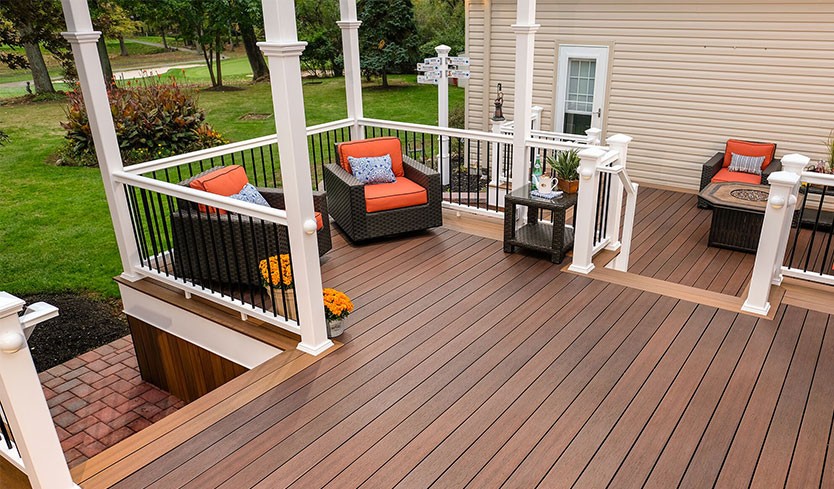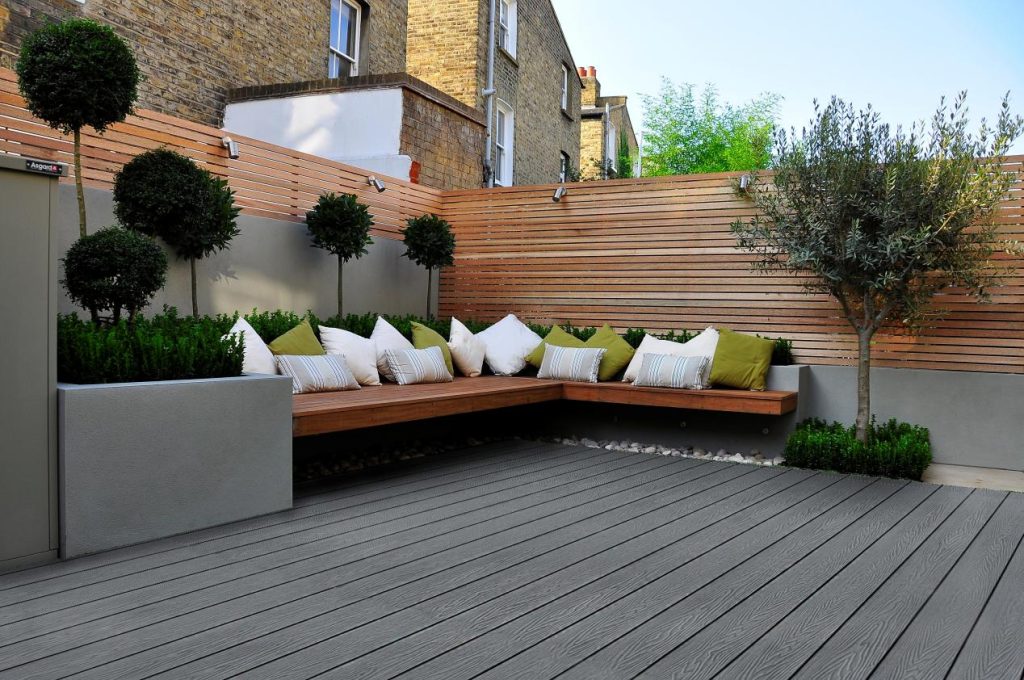
Curved composite decking is a unique innovation in the decking industry, offering an elegant, sleek, and functional alternative to traditional decking materials. As the demand for stylish yet durable outdoor spaces increases, curved composite decking is becoming a sought-after option for homeowners and contractors alike. Whether used in residential backyards, commercial spaces, or public areas, this versatile decking material delivers both beauty and resilience. In this article, we will explore what curved composite decking is, its applications, the benefits it offers, and why it is becoming a preferred choice among homeowners and builders.
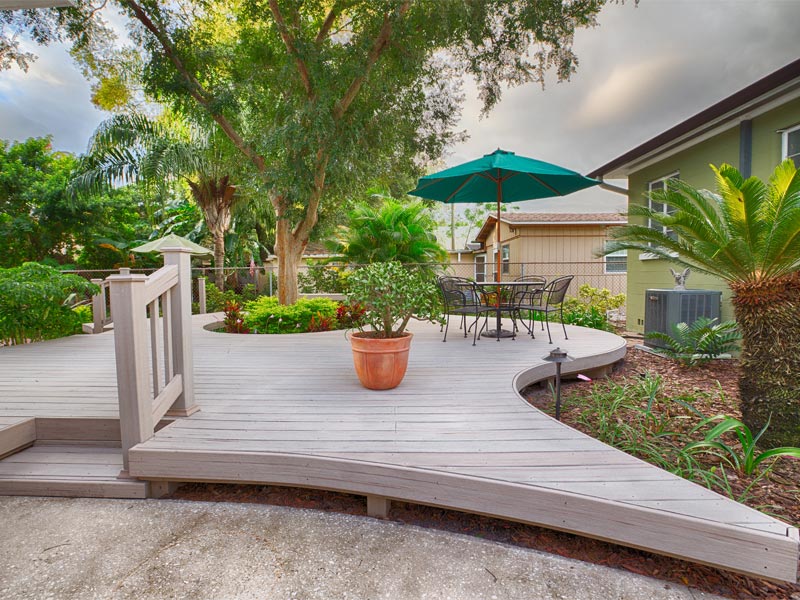
Table of Contents
What is Curved Composite Decking?
Curved composite decking is a type of decking material made from a combination of wood fibers and plastic. This mixture creates a composite material that is engineered to be more durable, resistant to weathering, and easier to maintain compared to traditional wood decking. Curved composite decking takes this material one step further by being specially designed to bend or curve in specific patterns, creating flowing, fluid lines that can transform the look of any outdoor space.
The primary components of curved composite decking include:
Wood fibers: These provide a natural aesthetic, often sourced from sawdust or recycled wood products.
Plastic: Usually polyethylene, polypropylene, or PVC, plastic ensures durability, water resistance, and low maintenance.
Additives: Chemicals are included to prevent fading, staining, and to improve the material’s overall resistance to mold, mildew, and UV rays.
The ability to curve composite decking is a result of advanced manufacturing techniques that allow the boards to be heated and bent without losing structural integrity. This is a significant advancement over traditional composite decking, which is typically rigid and can only be installed in straight lines.
How Is Curved Composite Decking Manufactured?
Manufacturing curved composite decking requires specialized equipment that allows for controlled heating and shaping of the material. The boards are first heated to a specific temperature, making them pliable, then bent to the desired curvature. Once the boards cool, they retain their curved shape.
This unique process ensures that the composite material does not lose its durability or strength after being bent, which was a common issue with older forms of flexible decking. As a result, manufacturers can produce custom designs that suit the unique needs of various projects, whether it’s a curved railing, a circular deck, or a flowing curve along the edge of a pool.
Applications of Curved Composite Decking
Curved composite decking is extremely versatile and can be used in a wide range of applications, both residential and commercial. Here are some of the most common uses:
1. Residential Decks
Homeowners looking to add a touch of sophistication to their outdoor living space often choose curved composite decking. The fluid curves provide a more organic and natural feel, blending seamlessly with the surrounding landscape. It’s especially popular for:
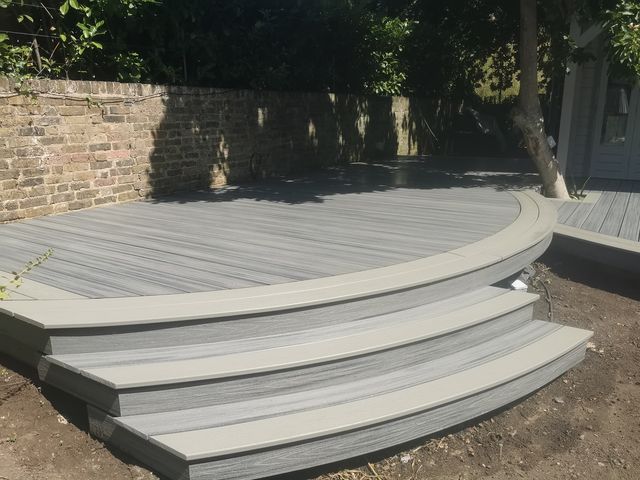
Circular or semi-circular decks: Curved composite decking allows homeowners to create circular or semi-circular decks, ideal for patios, balconies, or terraces. This shape works well in gardens or spaces where traditional rectangular decks would feel too rigid or unnatural.
Pool decks: Curved composite decking is also commonly used around swimming pools. The ability to create sweeping curves helps with designing a deck that matches the natural contours of the pool and provides a luxurious feel.
Pathways and staircases: Whether winding through a garden or wrapping around a hill, curved composite decking is perfect for creating graceful pathways and steps that enhance the landscape.
2. Commercial Spaces
Curved composite decking is also gaining popularity in commercial spaces, where aesthetics and durability are equally important. For businesses, it offers a high-end look that can elevate the design of any building or public space. Applications in commercial settings include:
Outdoor dining areas: Restaurants and cafes can use curved composite decking to create inviting outdoor seating areas that flow with the space. Curved boards allow designers to craft unique layouts for tables, benches, and other outdoor furniture.
Public parks and recreational areas: Curved composite decking can be used in public spaces like parks, promenades, and boardwalks. Its resilience to weather, along with the ability to bend to any design, makes it an excellent choice for high-traffic areas.
Retail environments: Some retailers use curved composite decking to create attractive outdoor displays or pathways that guide customers into stores, enhancing the customer experience.
3. Architectural Features
Curved composite decking isn’t just for decks—it’s also ideal for use in architectural features like:
Railing systems: Curved composite decking can be used to create custom railings that curve along stairways, balconies, or terraces, adding a touch of elegance.
Pergolas and gazebos: Builders can use the material to craft curving roofs or walls for pergolas and gazebos, providing a distinctive and inviting outdoor shelter.
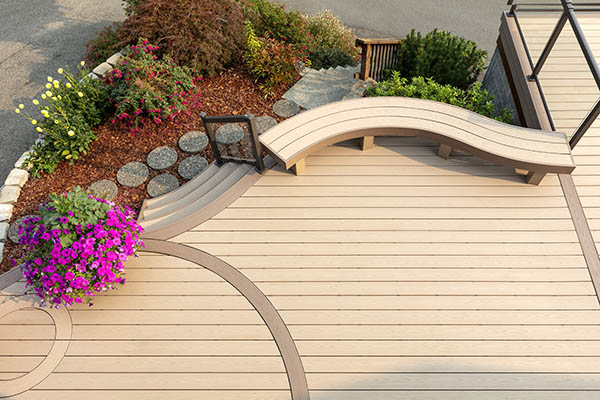
Sculptural or artistic installations: Architects and designers are increasingly experimenting with the flexibility of curved composite decking to create sculptural pieces, such as curved benches or abstract forms, that blend function with artistry.
4. Landscaping Features
Curved composite decking isn’t just for large decks or patios—it’s also ideal for integrating into landscaping designs. The material’s flexibility allows for smooth transitions between different levels of a garden, creating dynamic visual effects. Some common landscaping applications include:
Terracing and raised garden beds: Curved composite decking can be used to create seamless transitions between various levels in the landscape, such as terraced areas or raised flower beds. The material’s ability to bend and adapt to the natural landscape allows for smooth curves that blend with the surrounding flora.
Garden borders and edging: Curved composite decking can also be used to create elegant garden borders or edging that frame flower beds, lawns, or water features. Its flexibility helps achieve organic, flowing lines that mimic the natural curves found in outdoor spaces.
Water features and ponds: When integrated around ponds or water fountains, curved composite decking creates a smooth, continuous surface that mimics the natural flow of water. The durable, water-resistant nature of the material ensures that it can withstand exposure to moisture without deteriorating.
5. Bridges and Walkways
Curved composite decking can be employed in the creation of pedestrian bridges and walkways, both in residential and commercial settings. Its ability to bend into smooth curves makes it ideal for these structures, adding both function and style:
Pedestrian bridges: Curved composite decking can be used to build pedestrian bridges that connect different areas of a park, garden, or commercial landscape. The smooth curves allow these bridges to blend with the natural surroundings while offering a solid, non-slip walking surface.
Boardwalks: In coastal areas or wetland environments, composite decking is commonly used to construct boardwalks. Curved composite decking is particularly well-suited for boardwalks that wind through natural landscapes like beaches or nature reserves. The material’s resistance to moisture, as well as its aesthetic appeal, makes it a popular choice for these installations.
6. Themed Spaces and Events
Curved composite decking is increasingly being used to create unique, themed outdoor spaces or temporary event structures. Its design flexibility allows it to be shaped into intricate forms that enhance the ambiance of specific themes:
Amusement parks and entertainment venues: Curved composite decking is often employed to design themed walkways, stages, or seating areas within amusement parks, providing an immersive experience for visitors. Its adaptability allows it to fit the imaginative designs required by these venues.
Event venues and outdoor festivals: For temporary event spaces or festivals, curved composite decking is an excellent option for creating visually striking stages, walkways, or seating arrangements. The durability and ease of installation make it an ideal choice for outdoor events that need quick setup and teardown.
Art installations and temporary displays: Due to its ability to be molded into various shapes, curved composite decking is also used for creating unique art installations or themed displays. These installations often combine form and function, using the decking as both a structural element and an aesthetic feature.
Benefits of Curved Composite Decking
The advantages of curved composite decking go beyond aesthetics. Let’s take a look at some of the key benefits:
1. Enhanced Durability
Composite decking is known for its durability and longevity. Unlike wood decking, which can splinter, crack, or rot over time, composite decking is resistant to these issues. Curved composite decking maintains these benefits while offering the added advantage of flexibility, which makes it suitable for more complex designs.
The material is also resistant to the elements—rain, sun, and snow—which ensures that your curved deck will last for years without needing extensive maintenance.
2. Low Maintenance
Composite decking requires far less maintenance than wood decking. There’s no need for sanding, staining, or sealing. The surface is resistant to staining and fading, and it can be cleaned with just a mild soap solution and a brush. Since curved composite decking retains its shape over time, there’s no risk of warping or shrinking, ensuring long-term performance.
3. Eco-Friendly
Curved composite decking is an eco-friendly option since it’s typically made from recycled wood fibers and plastics. This helps reduce the demand for new timber, contributing to the preservation of forests. By choosing composite decking, you’re making a more sustainable choice for your outdoor space.
4. Aesthetic Appeal
The most obvious benefit of curved composite decking is the aesthetic value it brings to outdoor spaces. Whether used in a backyard or a commercial project, the fluid curves and smooth lines of this decking material elevate the design of any area. Its ability to mimic the look of real wood while offering superior performance makes it a highly desirable choice.
5. Versatility in Design
One of the most significant benefits of curved composite decking is its flexibility in design. Whether you need to create a straight or curved deck, this material can be molded to fit almost any shape or size. This opens up creative possibilities for architects, designers, and homeowners who want a customized, unique outdoor space.
Choosing the Right Curved Composite Decking Manufacturer and Supplier
When selecting a curved composite decking manufacturer or supplier, it’s essential to choose a reputable company that can provide high-quality products and reliable customer service. Here are some key factors to consider:
Material quality: Ensure that the supplier uses high-quality wood fibers and plastic to ensure the durability and longevity of the decking.
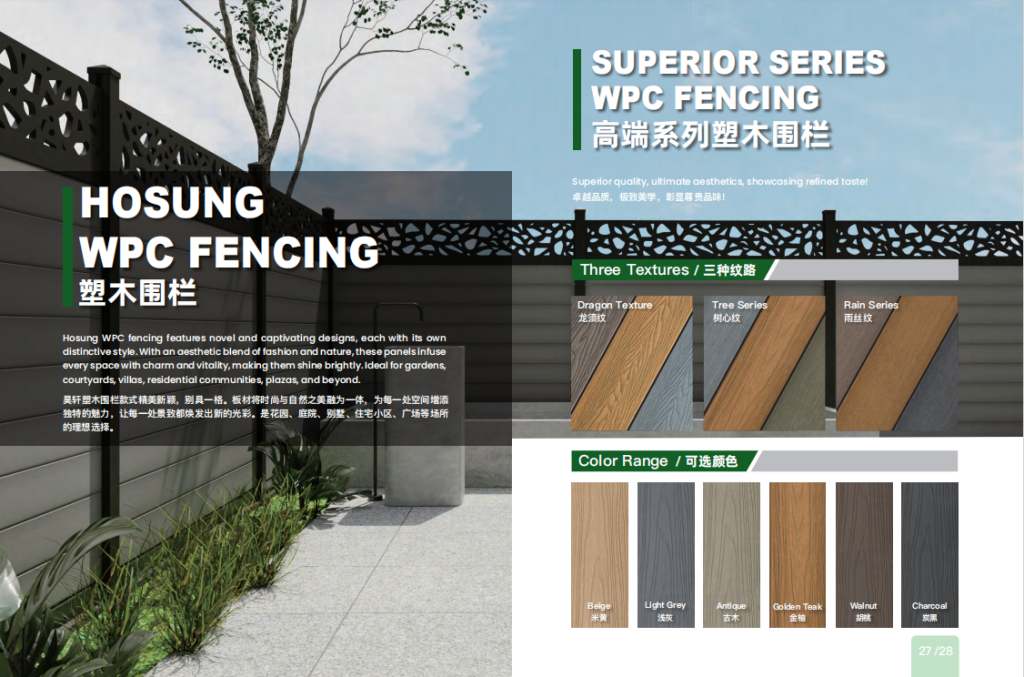
Customization options: Check if the manufacturer offers customization options to meet your specific design needs, including different colors, finishes, and bending capabilities.
Warranty: A good warranty ensures that you’re investing in a durable product. Look for manufacturers who offer long-term warranties on their curved composite decking.
Delivery and support: Make sure the supplier can deliver the product in a timely manner and provide excellent customer support in case of any issues or concerns.
Conclusion
Curved composite decking is transforming the way we design outdoor spaces. Its combination of durability, aesthetic appeal, and versatility makes it the perfect material for creating beautiful, custom outdoor areas. Whether you’re building a residential deck, designing a commercial space, or adding a unique architectural feature, curved composite decking can elevate your project to the next level. By choosing a reputable manufacturer and supplier, you can ensure that you’re getting a high-quality product that will last for years to come.
As the popularity of composite decking continues to rise, the ability to bend and shape these materials to fit unique designs opens up a world of possibilities for both residential and commercial applications. If you’re looking to add elegance, style, and functionality to your outdoor area, consider using curved composite decking as your material of choice.