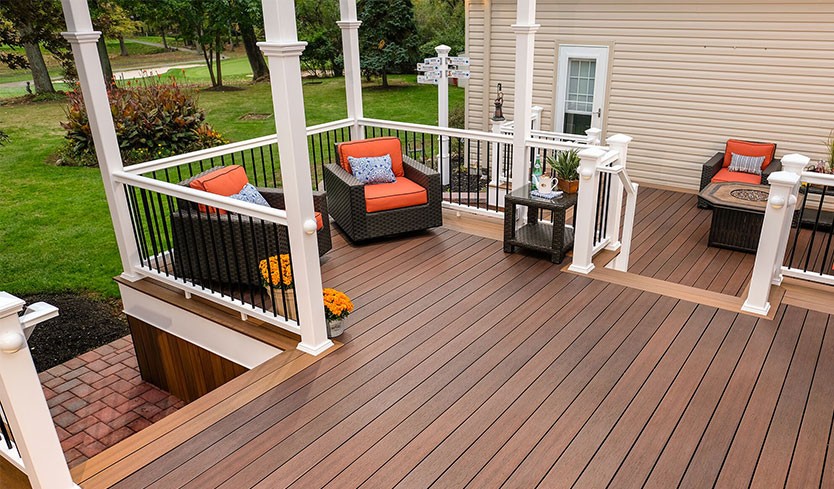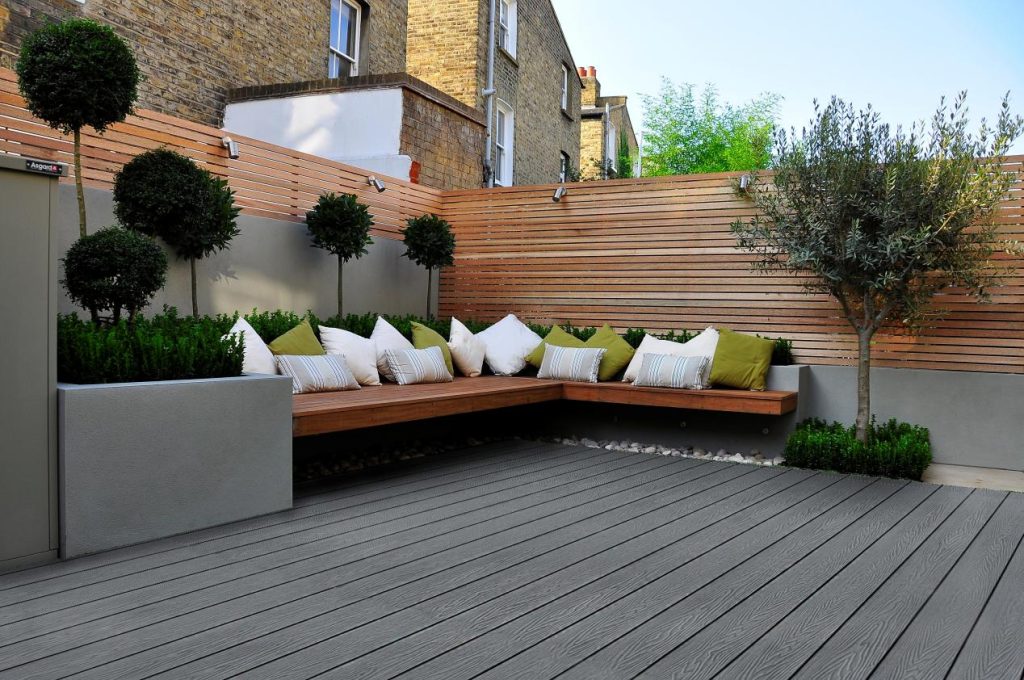
When it comes to outdoor decking, homeowners and builders increasingly turn to plastic decking for its durability, low maintenance, and aesthetic appeal. While much attention is given to the decking boards themselves, the plastic decking subframe plays an equally important role in ensuring the stability, safety, and longevity of a deck. Understanding what a plastic decking subframe is, how it works, and why it matters can help you make informed decisions when planning your outdoor space.
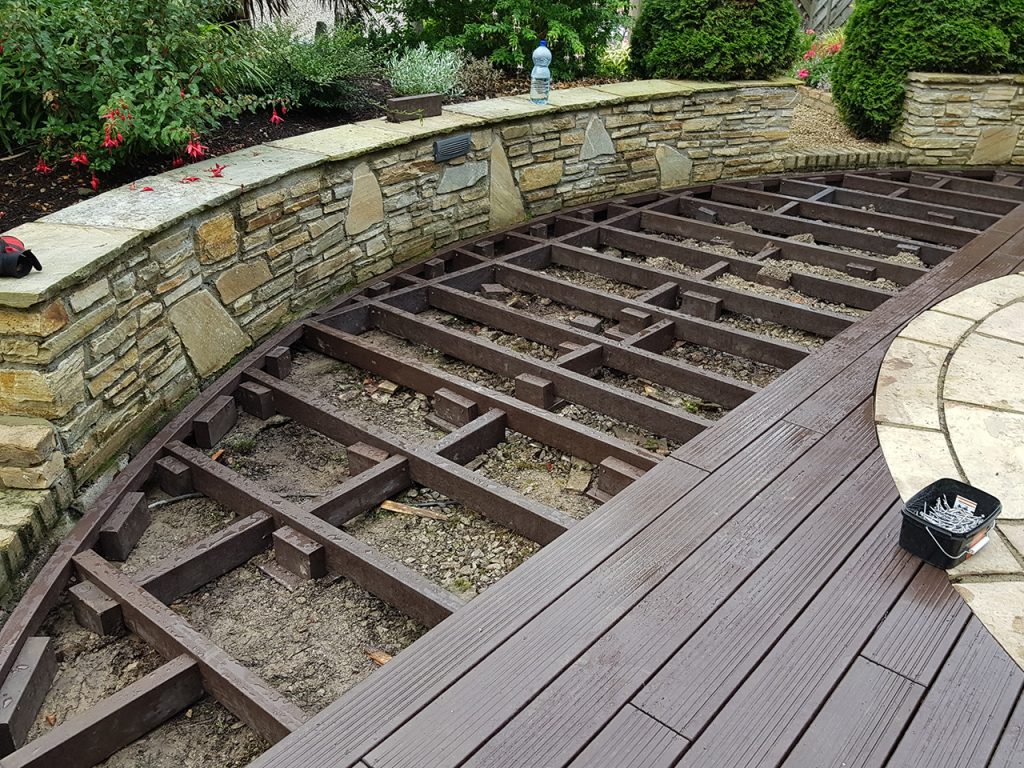
Table of Contents
Definition of Plastic Decking Subframe
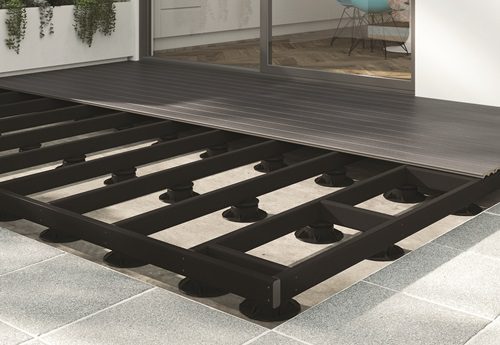
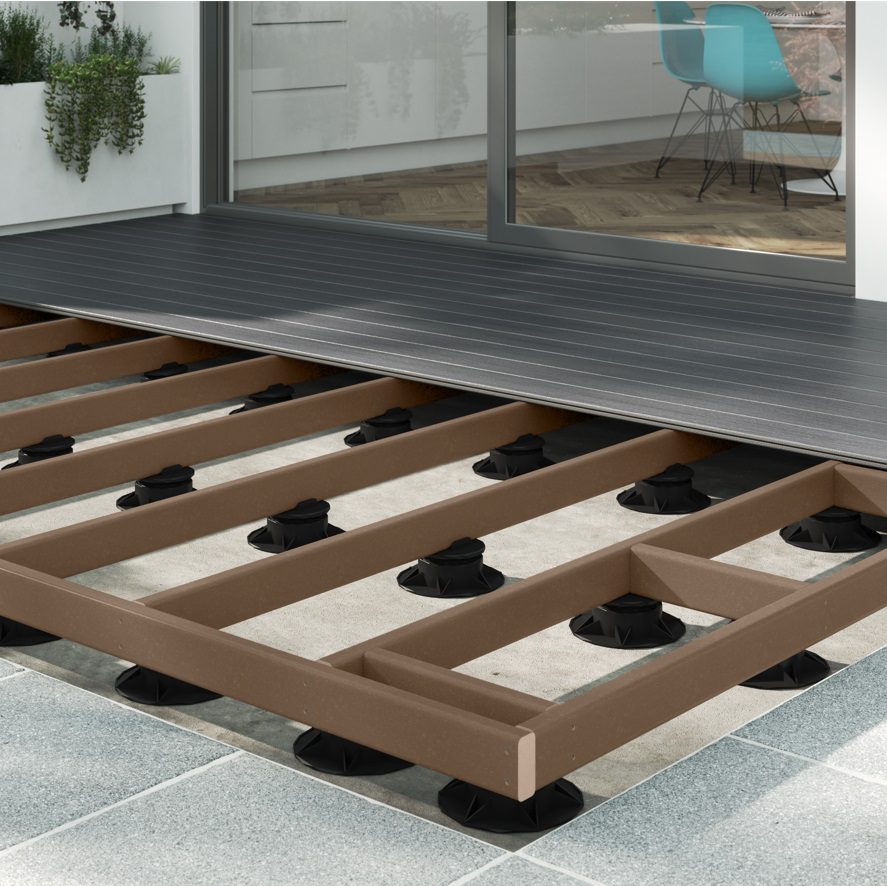
A plastic decking subframe is the structural framework that supports the decking boards. It serves as the foundation on which the visible surface of a deck rests, providing strength and stability. Unlike traditional wooden subframes, plastic subframes are typically made from high-density polyethylene (HDPE), polypropylene (PP), or composite materials reinforced with fiberglass. These materials are resistant to moisture, insects, and rot, making them ideal for outdoor environments where wood can deteriorate over time.
The subframe ensures that the decking boards from Hosung WPC remain evenly spaced, aligned, and securely fastened. Its design allows for proper drainage, ventilation, and load distribution, preventing sagging or structural failure under heavy weight.
Components of a Plastic Decking Subframe
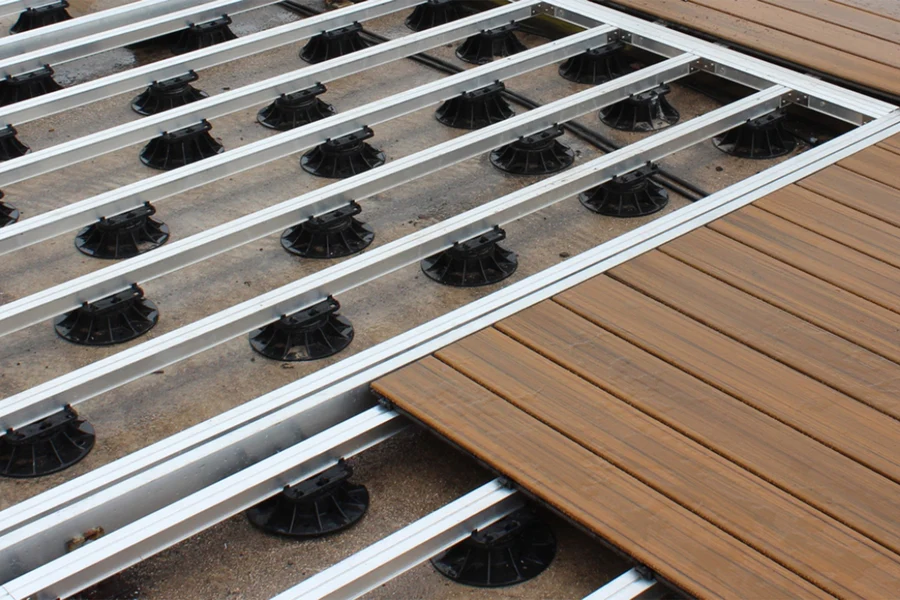
A plastic decking subframe consists of several key components, each serving a specific purpose:
Joists:
Joists are the horizontal beams that run beneath the decking boards. They provide primary structural support and transfer loads to the main frame or supporting posts. In plastic subframes, joists are often hollow or solid profiles designed to resist bending and deformation.Bearers/Beams:
Bearers, sometimes referred to as main beams, support the joists. They are typically laid perpendicular to the joists and provide a strong backbone for the entire decking structure.Posts/Supports:
Posts anchor the subframe to the ground, deck foundation, or concrete footings. Plastic subframe posts may be made entirely of plastic, composite material, or a combination of plastic with metal inserts for enhanced strength.Fasteners and Connectors:
Specialized clips, screws, and brackets secure the subframe components together and attach the decking boards to the joists. Using the correct fasteners designed for plastic subframes is crucial to prevent loosening or corrosion over time.

Advantages of Plastic Decking Subframes
Plastic decking subframes offer a range of advantages over traditional timber or metal subframes, which is why they have become increasingly popular in modern decking projects.
1. Durability
Plastic subframes are highly resistant to moisture, rot, mold, and insect damage. Unlike timber subframes, they do not warp, crack, or splinter, which reduces long-term maintenance and replacement costs.
2. Lightweight
Plastic materials are generally lighter than timber or metal. This makes handling, transport, and installation easier, especially for large decks or elevated structures.
3. Environmental Resistance
Plastic decking subframes can withstand extreme weather conditions, including heavy rain, snow, and high humidity. They do not corrode like metal subframes or suffer from decay like untreated wood, making them ideal for coastal areas and outdoor environments.
4. Low Maintenance
Unlike wooden subframes that require periodic sealing, staining, or painting, plastic subframes are virtually maintenance-free. A simple cleaning with soap and water is often sufficient to keep them in good condition.
5. Design Flexibility
Plastic subframes can be manufactured in various sizes, shapes, and configurations to accommodate different deck designs. Some profiles allow for adjustable heights or easy integration with composite or plastic decking boards.
Materials Used in Plastic Decking Subframes
Choosing the right material for a plastic decking subframe is essential for performance and longevity. Common materials include:
High-Density Polyethylene (HDPE):
HDPE is a popular choice due to its strength, durability, and resistance to UV degradation. It is suitable for heavy-duty applications and can support substantial loads.Polypropylene (PP):
Polypropylene offers excellent chemical resistance and is often used in environments where exposure to harsh cleaning agents or saltwater is expected.Composite Plastic:
Some subframes combine plastic with reinforcing fibers such as fiberglass. This increases structural strength, reduces flexing, and enhances long-term durability.Recycled Plastic:
Using recycled plastic for subframes is an environmentally friendly option. Many manufacturers produce subframe profiles from recycled HDPE or PP, which reduces waste while maintaining performance standards.
Design Considerations
When planning a plastic decking subframe, several design factors must be considered:
1. Load Capacity
The subframe must be able to support the weight of the decking boards, furniture, and foot traffic. The choice of joist spacing, profile dimensions, and material strength all affect load capacity.
2. Deck Height
Plastic subframes allow for flexible deck heights. Adjustable supports can be used to level the deck on uneven terrain or accommodate slope variations.
3. Spacing and Ventilation
Proper spacing between joists and decking boards is essential for ventilation and drainage. A well-ventilated subframe prevents water accumulation, which can otherwise compromise the decking material and subframe over time.
4. Compatibility with Decking Boards
The subframe must be compatible with the decking board type—whether composite, PVC, or other materials. Manufacturers often provide guidelines for joist spacing, screw types, and clip systems to ensure proper installation.
5. Anchoring and Support
The subframe must be securely anchored to prevent shifting or movement. Depending on the deck location, this may involve fixing posts into concrete footings, using ground screws, or securing to existing structures.
Installation Process of Plastic Decking Subframes
Installing a plastic decking subframe involves several steps:
Site Preparation:
Clear the area of debris, level the ground, and prepare footings or foundations.Post Installation:
Place posts at predetermined intervals according to design specifications. Ensure posts are level and secure.Beam and Joist Assembly:
Attach main beams (bearers) to the posts, followed by the installation of joists perpendicular to the beams. Use appropriate clips, brackets, or connectors designed for plastic subframes.Decking Board Placement:
Once the subframe is complete, lay the decking boards on top, ensuring proper spacing for ventilation and drainage. Fasten boards securely using manufacturer-recommended fasteners.Final Inspection:
Check for level alignment, secure connections, and any areas of potential movement. Adjust as necessary before allowing full load on the deck.
Common Applications of Plastic Decking Subframes
Plastic decking subframes are versatile and can be used in various settings:
Residential Decks: Ideal for backyard patios, poolside decks, and balcony extensions.
Commercial Spaces: Outdoor seating areas, rooftop terraces, and walkways benefit from durable plastic subframes.
Coastal and Marine Environments: Plastic subframes resist saltwater corrosion, making them suitable for piers, boardwalks, and marina decks.
Public Spaces: Parks, community centers, and playgrounds often utilize plastic subframes for long-lasting and low-maintenance decking solutions.
Advantages Over Traditional Subframes
One of the strengths of WPC decking joists is their compatibility with a wide range of decking boards. Whether using traditional WPC boards, composite boards, or even tropical hardwood alternatives, these joists provide consistent support and help maintain the structural alignment of the deck. This adaptability allows homeowners to choose their preferred decking style without compromising on durability or safety.
Moreover, WPC joists can be integrated with hidden fastener systems, which provide a clean, modern finish without visible screws or nails. This not only improves aesthetics but also reduces potential trip hazards and simplifies the cleaning process.
Real-World Applications
While timber and metal subframes have been the norm, plastic subframes offer distinct advantages:
Timber Subframes: Susceptible to rot, warping, and insect damage. Require regular maintenance and are affected by moisture.
Metal Subframes: Strong but can corrode over time, especially in coastal areas. Installation can be more complex and costly.
Plastic Subframes: Combine durability, low maintenance, and ease of installation, offering a modern alternative to traditional materials.
Maintenance Tips for Plastic Decking Subframes
Although plastic subframes are low-maintenance, proper care ensures long-term performance:
Regular Cleaning:
Remove debris, leaves, and dirt using a broom or hose. For stubborn stains, use mild soap and water.Inspect Fasteners:
Check screws, clips, and brackets periodically to ensure they remain tight and secure.Prevent Standing Water:
Ensure proper drainage around the subframe to avoid water accumulation and potential mold growth on decking boards.Avoid Excessive Load:
While plastic subframes are strong, avoid placing extreme weight on the deck beyond design specifications.
Cost Considerations
The cost of a plastic decking subframe can vary depending on material type, profile dimensions, and project size. While the initial investment may be slightly higher than untreated timber, the long-term savings in maintenance and replacement costs often make plastic subframes more cost-effective.
Future Trends
As environmental awareness increases, recycled plastic subframes are becoming more popular. Manufacturers are also exploring hybrid designs that combine plastic with metal or fiberglass reinforcement for enhanced strength and sustainability. Advances in extrusion and molding technology allow for more precise and customizable profiles, expanding design possibilities for architects and homeowners alike.
Conclusion
A plastic decking subframe is more than just a supporting structure; it is the backbone of a durable, stable, and long-lasting deck. By understanding the materials, design principles, installation process, and maintenance requirements, homeowners and builders can make informed decisions that ensure both aesthetic appeal and structural integrity. With the advantages of durability, low maintenance, environmental resistance, and design flexibility, plastic decking subframes are poised to become a standard choice for modern outdoor decking projects. Whether you are building a residential patio, a commercial terrace, or a coastal boardwalk, investing in a quality plastic subframe is key to achieving a safe, attractive, and long-lasting deck.