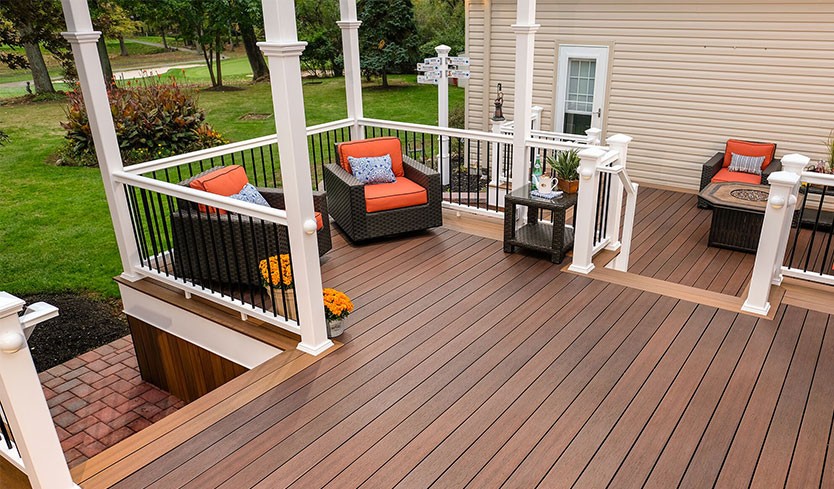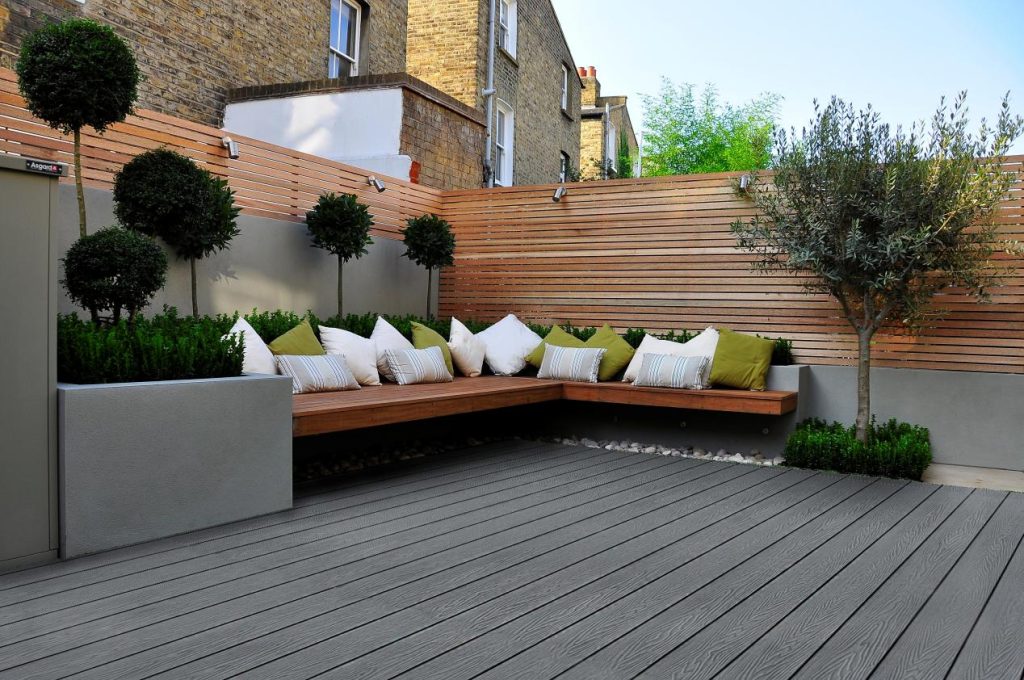
When it comes to creating a safe, long-lasting outdoor deck, non-slip composite decking is quickly becoming the top choice for homeowners and contractors alike. Whether you’re designing a deck by the pool, patio, or balcony, ensuring a safe and non-slippery surface is paramount, especially in wet or humid conditions. Non-slip composite decking offers the perfect balance of durability, aesthetic appeal, and slip resistance—providing an optimal solution for high-traffic areas and environments exposed to moisture.
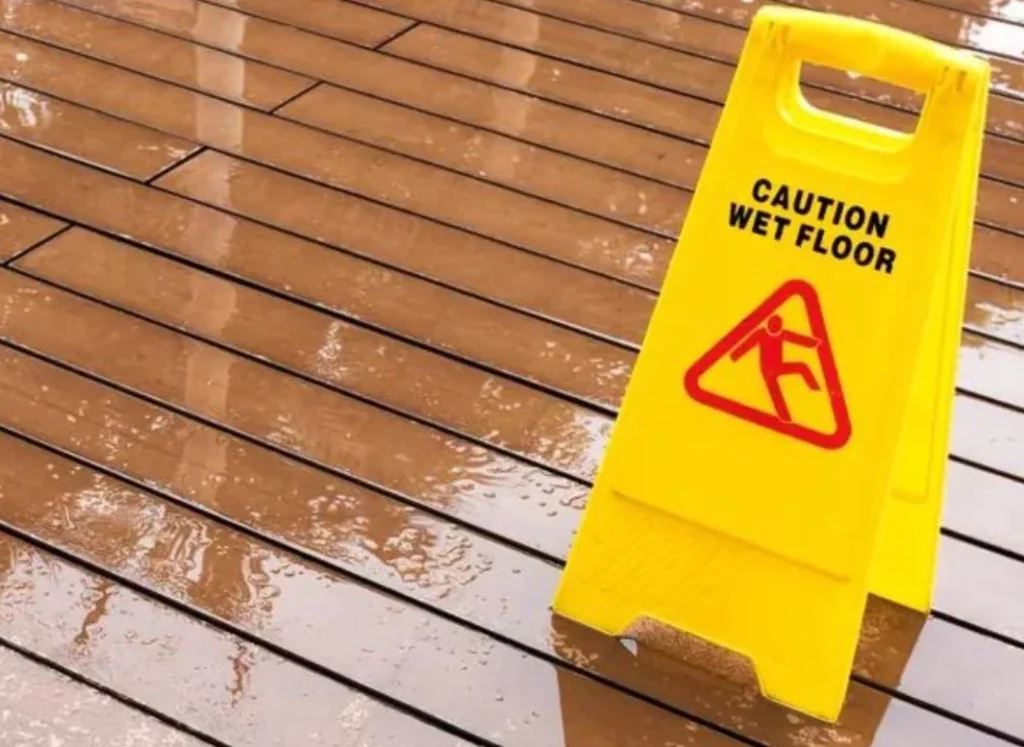
Table of Contents
This article will explore everything you need to know about non-slip composite decking: why it’s the best choice for outdoor spaces, the factors to consider when selecting it, how to maintain it, and much more. Let’s dive in and explore why non-slip composite decking stands out as one of the best decking materials for your outdoor needs.
What Is Non-Slip Composite Decking?
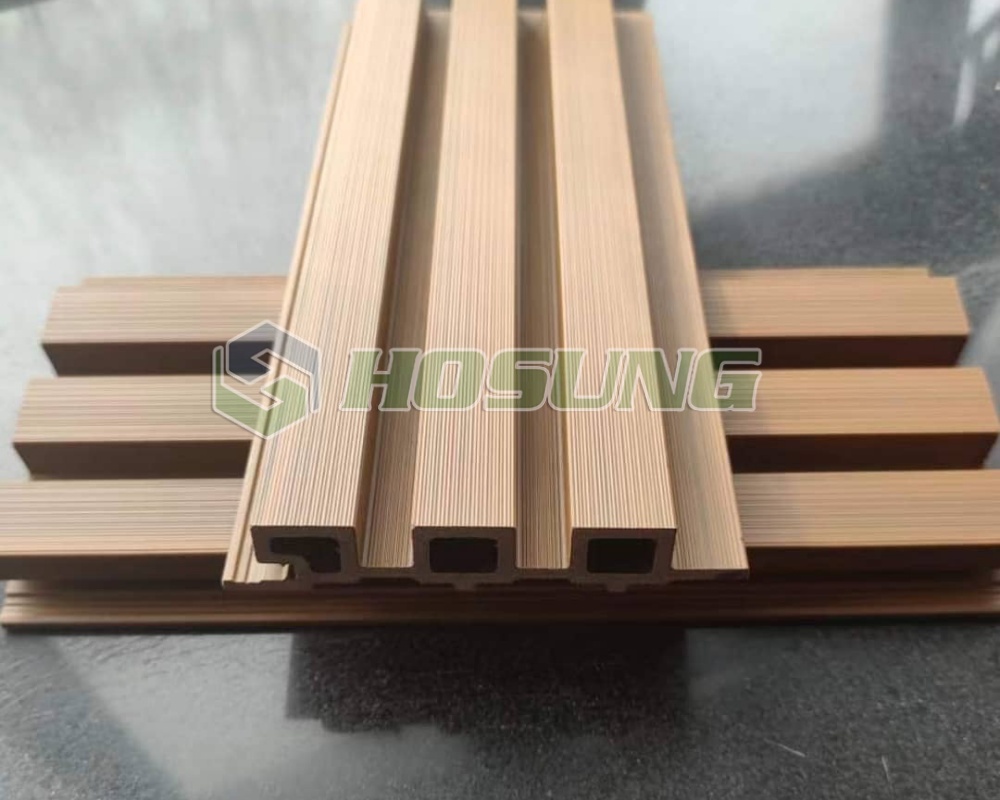
Composite decking is made from a blend of wood fibers and plastic materials, which combine to create a durable, low-maintenance decking solution that mimics the natural look of wood while offering superior performance. Non-slip composite decking takes this a step further by incorporating special design features, textures, or surface treatments that prevent slipping—even when wet.
The design of non-slip composite decking usually includes a textured surface or grooves that help improve traction underfoot. The added benefit of this kind of decking is that it doesn’t require frequent sanding or sealing like traditional wooden decks, and it resists damage from the elements. As a result, non-slip composite decking has become a popular option for areas with high moisture exposure such as pool decks, patios, docks, and balconies.
Why Choose Non-Slip Composite Decking?
Choosing non-slip composite decking over traditional wood or other decking materials offers a range of benefits. Here are the main reasons why homeowners are opting for this innovative solution for their outdoor spaces:
1. Safety
The primary reason for choosing non-slip composite decking is safety. Wet surfaces can be hazardous, especially around swimming pools or in areas that experience frequent rain. A non-slip surface significantly reduces the risk of accidents caused by slipping, ensuring that you and your loved ones can enjoy your outdoor spaces safely.
The textured surface of non-slip composite decking provides grip, making it ideal for areas exposed to moisture, including pools, beaches, or areas that frequently experience rainfall. In addition to safety, non-slip decking gives peace of mind, knowing that your family and pets are less likely to suffer from falls or injuries.
2. Durability and Longevity
Unlike traditional wooden decks, which are prone to splintering, warping, or fading, non-slip composite decking is highly durable. Made from a blend of plastic and wood fibers, composite decking is resistant to common problems like rotting, cracking, or splintering.
Composite decking also holds up well against harsh weather conditions such as UV rays, rain, or snow. Non-slip composite decking is designed to resist fading, ensuring your outdoor area maintains its color and appearance for many years. This long-lasting durability makes composite decking an excellent investment.
3. Low Maintenance
Traditional wood decks require a lot of care and maintenance, including staining, sealing, and regular cleaning to keep them looking their best. On the other hand, non-slip composite decking requires minimal upkeep. You don’t need to worry about sanding, sealing, or painting; a simple wash with soap and water is usually sufficient to maintain its appearance.
Additionally, composite decking resists staining, making it an ideal choice for areas with food spills, drinks, or dirt. The combination of minimal maintenance and long-lasting performance makes non-slip composite decking a more cost-effective option in the long run.
4. Eco-Friendly
Many non-slip composite decking materials are made using recycled wood fibers and plastic, which helps reduce waste and minimize the environmental impact of decking production. By choosing composite decking, you contribute to sustainability efforts and enjoy the peace of mind that comes with making an eco-friendly decision.
Factors to Consider When Choosing Non-Slip Composite Decking
Not all non-slip composite decking products are created equal. To make sure you choose the right option for your needs, there are several factors to consider:
1. Slip Resistance Rating
The most important feature of non-slip composite decking is its ability to provide traction, even when wet. Different products offer varying levels of slip resistance, so it’s essential to check the slip resistance rating, typically expressed in the Coefficient of Friction (COF). For decking to be considered slip-resistant, a COF of 0.5 or higher is ideal for outdoor spaces.
Make sure to select composite decking that offers an enhanced textured surface or special coatings that provide optimal slip resistance. This is especially critical in areas such as pool decks or walkways.
2. Surface Texture and Design
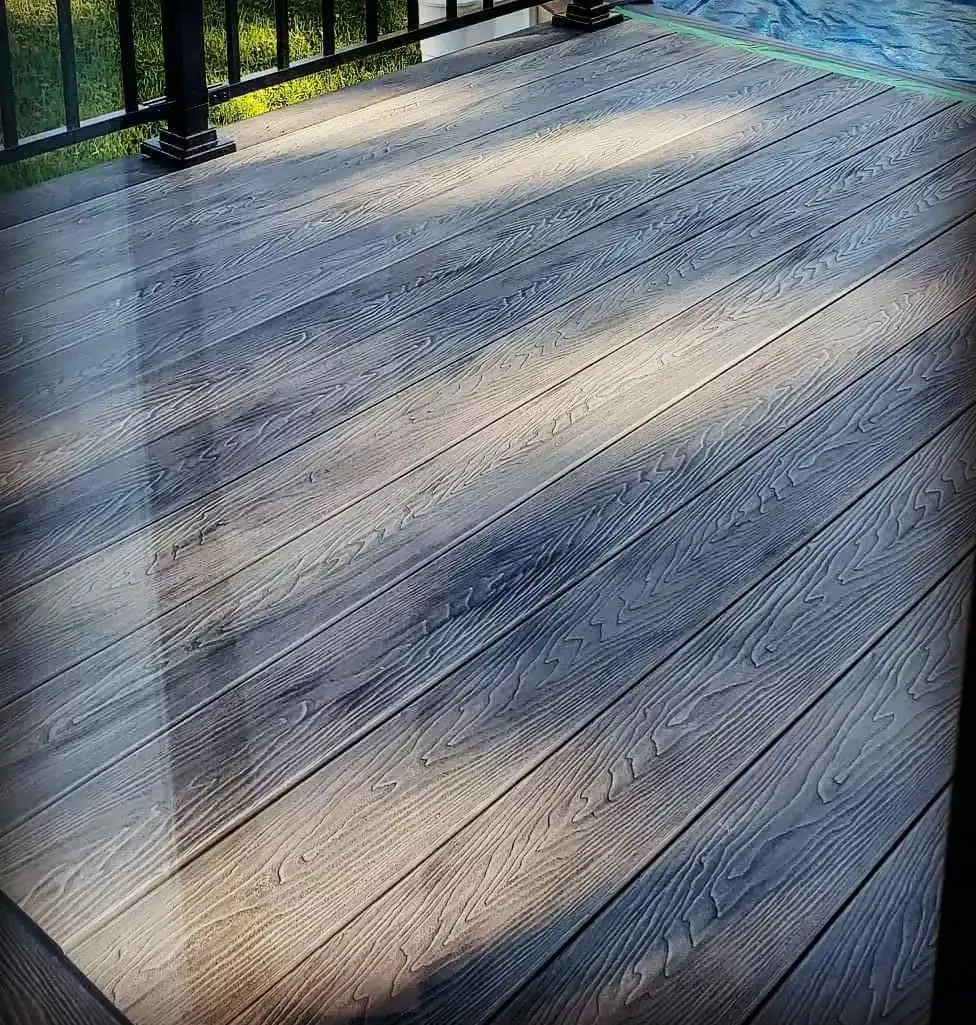
The texture of the decking plays a crucial role in its slip resistance. Some composite decks feature a rougher, more pronounced texture with grooves or embossing, which improves traction. Others may have a wood-like finish that combines aesthetic appeal with functionality.
Consider the type of finish you prefer. If you’re aiming for a sleek, modern design, some non-slip composite decking mimics natural wood tones with a smooth yet textured surface. On the other hand, you may prefer a more rugged, slip-resistant design if the deck will be exposed to high moisture or used in high-traffic areas.
3. Material Composition
The material blend of composite decking plays a big role in its overall performance. High-quality composite decking is made with a mix of wood fibers and plastic, often capped with a protective layer of PVC or other plastic coatings. This cap not only enhances the decking’s moisture resistance but also improves its durability and appearance.
Non-slip composite decking typically has a thicker protective cap to enhance slip resistance, protect against UV degradation, and increase the overall lifespan of the material. Look for decking that uses high-quality materials to ensure long-term durability and minimal maintenance.
4. Aesthetic Appeal
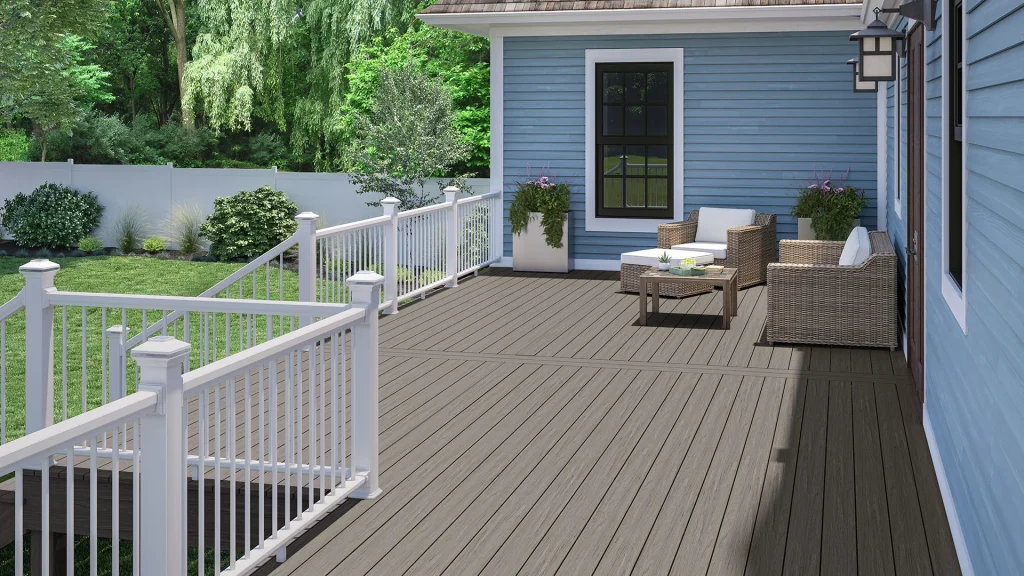
A deck is not just about functionality; it’s also an integral part of your outdoor space’s aesthetic. Fortunately, non-slip composite decking comes in various styles, colors, and textures to complement different outdoor designs.
Whether you’re after a rustic, natural wood appearance or a sleek, modern look, you can find a non-slip composite decking option that suits your style. Additionally, composite decking can be customized with different finishes, such as matte, glossy, or textured, to enhance the look and feel of your outdoor area.
5. Price
While non-slip composite decking can be more expensive than traditional wood, its durability, low-maintenance requirements, and long-lasting performance make it a worthwhile investment. When selecting composite decking, keep in mind the overall costs—not just the price of the material, but also the cost of installation and any long-term maintenance needs.
Some non-slip composite decking options are more affordable than others, so weigh your budget against your expectations for performance, aesthetics, and longevity.
How to Maintain Non-Slip Composite Decking
While non-slip composite decking requires less maintenance than traditional wood, keeping it in top condition is still important. Here are a few tips on how to care for your deck:
1. Regular Cleaning
To keep your deck looking its best, sweep away debris, dirt, and leaves regularly. A soft broom or brush works best to avoid scratching the surface. Clean the decking with mild soap and water to remove any grime that might accumulate.
2. Use a Pressure Washer (Occasionally)
While composite decking is relatively low maintenance, occasionally using a pressure washer can help remove stubborn dirt and stains. Be sure to follow the manufacturer’s recommendations to avoid damaging the deck’s surface.
3. Avoid Harsh Chemicals
Avoid using harsh chemicals or abrasive cleaners that can damage the surface of the composite decking. Stick to mild soap and water for general cleaning.
4. Inspect for Damage
Periodically check for any signs of wear, damage, or loose boards, especially in high-traffic areas. Replacing a damaged board early can prevent further issues and ensure the safety and integrity of the deck.
Conclusion: The Best Non-Slip Composite Decking for Your Outdoor Space
When choosing the best non-slip composite decking from Hosung, safety, durability, and aesthetics should be your top priorities. With its slip-resistant surfaces, low-maintenance nature, and eco-friendly composition, non-slip composite decking provides an ideal solution for creating a safe and long-lasting outdoor living area.
Whether you’re building a poolside retreat, a garden deck, or a balcony, non-slip composite decking offers all the benefits of traditional decking materials without the hassle of constant upkeep. Its ability to resist moisture, fading, and staining makes it a superior choice for wet environments, while its textured finish provides added safety for both children and adults.
By considering factors such as slip resistance ratings, surface texture, material composition, and price, you can choose the best non-slip composite decking for your home, ensuring that your deck remains safe, stylish, and functional for years to come.