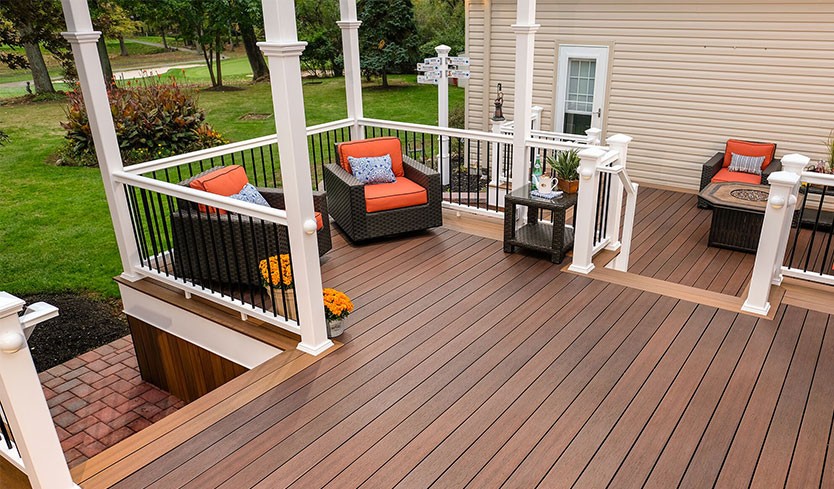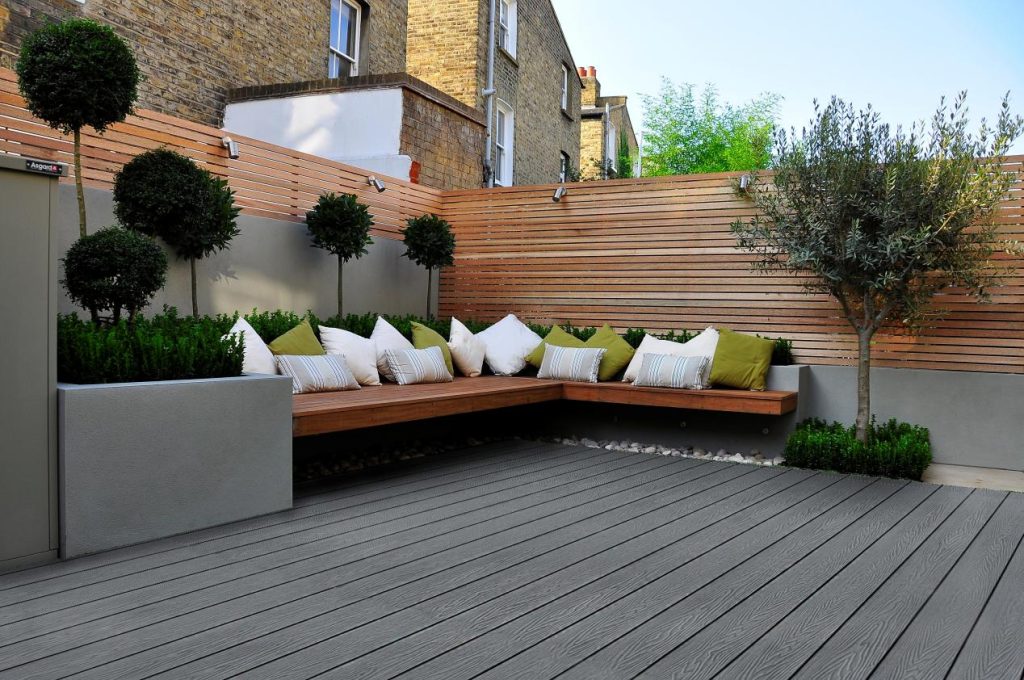
When evaluating composite decking, the term “coolest” does not refer to aesthetics or popularity but to surface heat performance under direct sunlight exposure. In practical outdoor applications, decking temperature directly affects barefoot comfort, usability in hot climates, and overall user experience in residential and commercial environments. Composite decking is engineered from a blend of wood fibers and polymers, and its thermal behavior is influenced by material composition, surface technology, color pigments, density, and structural design. Unlike traditional timber, composite boards can be engineered with advanced heat-dissipation properties, UV-resistant coatings, and reflective pigments that significantly reduce surface temperature buildup. This article provides a comprehensive technical and practical analysis of what makes composite decking cooler than others, how different formulations behave under heat stress, and what design factors contribute to optimal thermal performance.
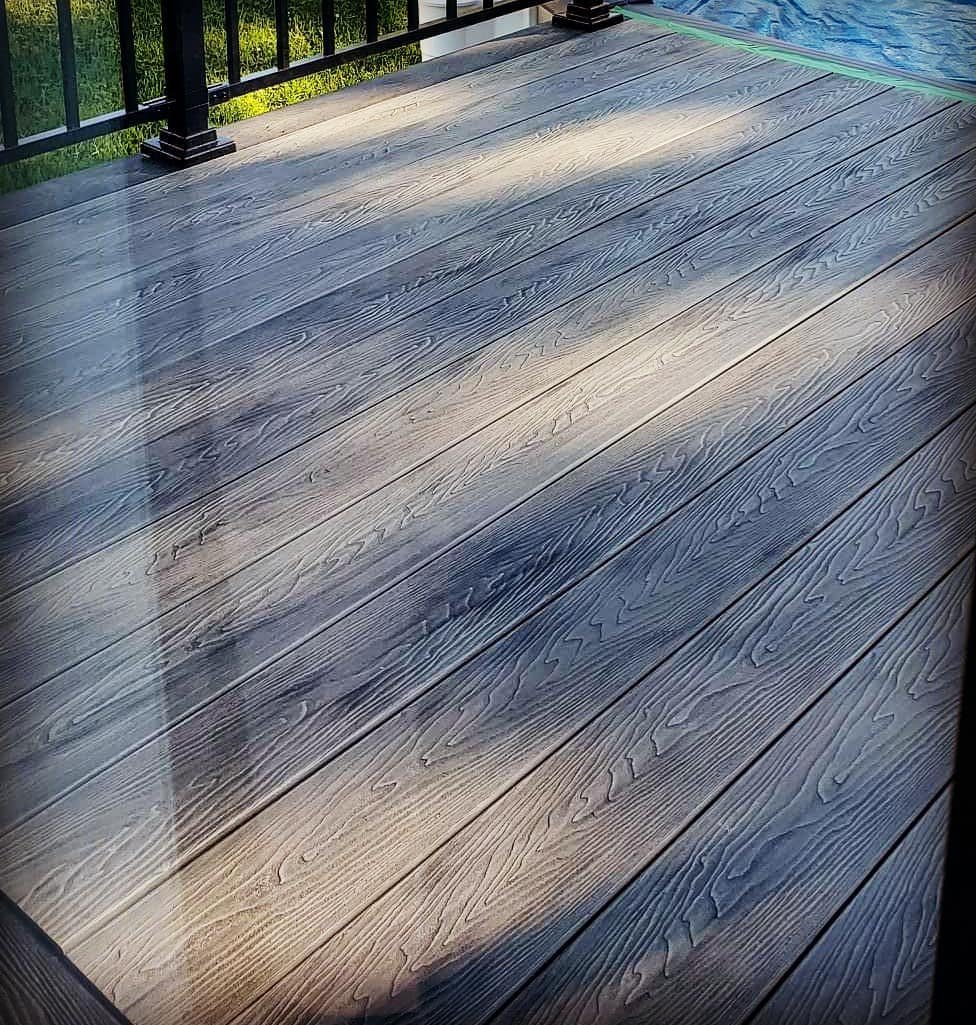
Table of Contents
Why Heat Retention Matters in Outdoor Decking Systems
Surface temperature is one of the most important performance indicators for exterior decking systems, especially in regions with high solar irradiance.
Key reasons heat retention matters:
- Barefoot comfort in residential patios, pool decks, and balconies
- Safety considerations for children and pets
- Reduced risk of thermal expansion and structural stress
- Improved long-term durability of surface coatings
- Better usability during peak summer conditions
In extreme sunlight, some decking surfaces can exceed ambient air temperature by 20–40°C, making them uncomfortable or even unsafe to touch. Therefore, selecting a decking system with low heat absorption characteristics is critical.
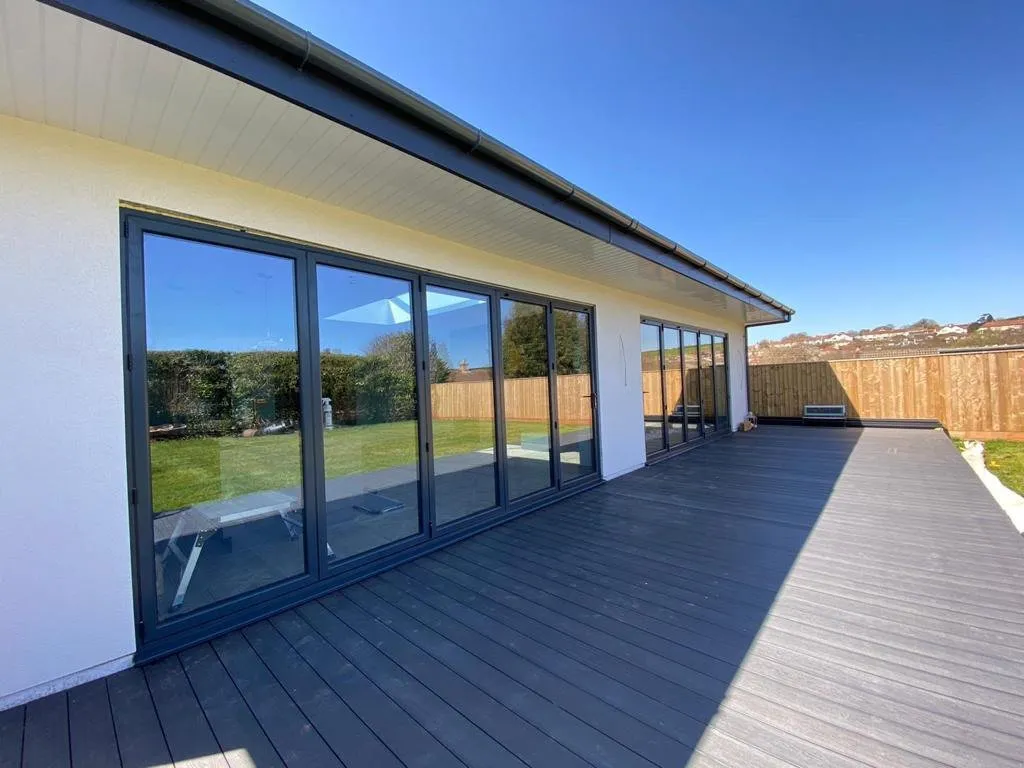
Core Factors That Influence Composite Decking Temperature
The thermal performance of composite decking depends on multiple engineered and environmental variables.
1. Material Composition Ratio
Composite decking is generally made from:
- Wood fibers or wood flour
- High-density polyethylene (HDPE), polypropylene (PP), or PVC
- Additives such as UV stabilizers, pigments, and bonding agents
Higher polymer content typically improves moisture resistance but may increase heat retention depending on polymer type. Wood fiber content, on the other hand, can either increase or reduce heat absorption depending on density and processing.
2. Surface Cap Technology
Capped composite decking includes an outer protective layer designed to:
- Reflect UV radiation
- Reduce pigment fading
- Minimize heat penetration
- Improve stain resistance
Uncapped boards generally absorb more heat and retain it longer due to direct exposure of the composite core.
3. Color and Pigmentation
Color is one of the most influential factors in surface temperature.
- Dark tones (charcoal, espresso, deep brown): higher heat absorption
- Medium tones (walnut, cedar, teak): moderate heat retention
- Light tones (sand, ash gray, ivory): lower heat absorption
Modern pigment technology can partially offset color-based heat differences through infrared-reflective additives.
4. Board Density and Internal Structure
Composite boards are manufactured in different structural configurations:
- Solid core boards: higher density, more heat retention
- Hollow core boards: improved ventilation, lower heat buildup
- Engineered multi-chamber designs: optimized thermal dispersion
Lower density and hollow profiles generally allow faster heat dissipation.
5. Surface Texture and Finish
Surface texture influences how sunlight interacts with the board:
- Smooth surfaces reflect light more uniformly
- Brushed or embossed surfaces diffuse heat more effectively
- Deep wood grain embossing may trap heat in micro-grooves
Texture design is therefore a balance between aesthetics and thermal performance.
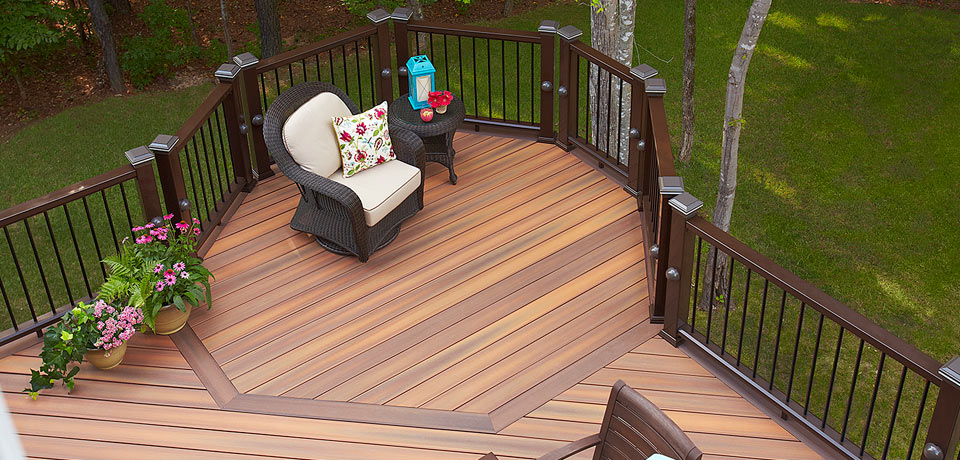
Comparative Heat Performance of Composite Decking Types
Different composite decking structures behave differently under direct sun exposure.
Solid Composite Decking
Solid boards are known for structural strength and durability.
Heat characteristics:
- Higher thermal mass
- Slower cooling after sun exposure
- Greater heat retention during peak sunlight
- More consistent temperature distribution
While durable, solid boards are typically warmer underfoot compared to hollow alternatives.
Hollow Composite Decking
Hollow-core systems are engineered with internal voids that reduce material usage and improve thermal efficiency.
Heat characteristics:
- Lower overall mass reduces heat storage
- Faster cooling after sunset
- Improved airflow within board structure
- Reduced surface temperature in shaded conditions
These properties make hollow decking more comfortable in hot climates.
Co-extruded Capped Decking
This is a high-performance category featuring a protective outer layer.
Heat characteristics:
- Enhanced UV reflection
- Reduced heat penetration into core material
- More stable surface temperature over time
- Better performance in extreme solar environments
Co-extrusion technology is widely used in modern outdoor flooring systems where thermal comfort is a priority.
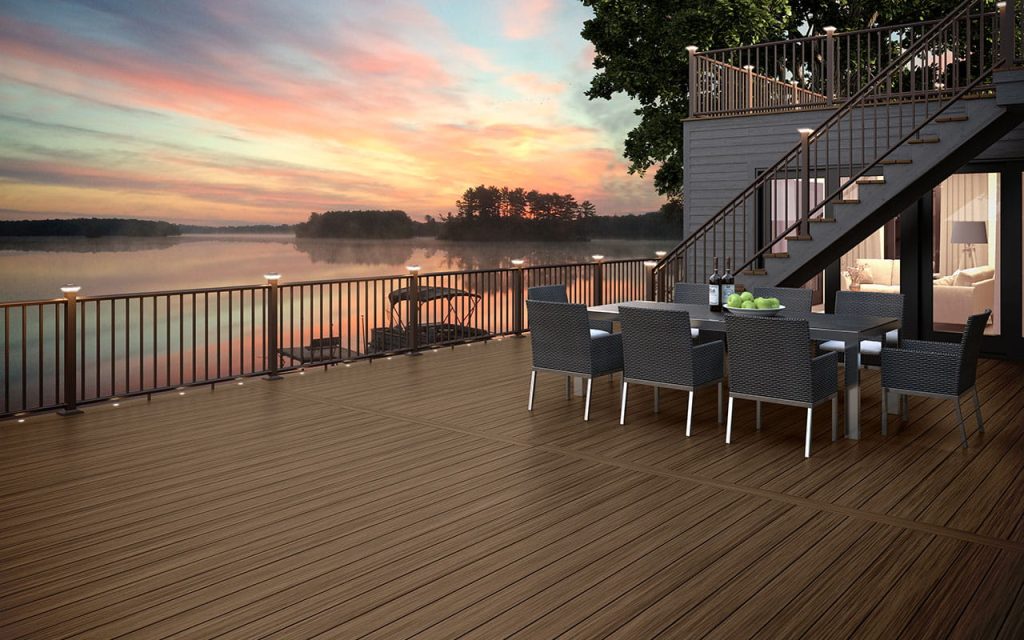
Environmental Conditions That Affect Decking Temperature
Even the most advanced decking material will respond differently depending on environmental conditions.
Sunlight Intensity
Direct UV exposure is the primary driver of surface heating. Regions closer to the equator or high-altitude areas experience stronger solar radiation.
Ambient Temperature
Higher air temperatures reduce the rate at which decking cools down after exposure, leading to sustained heat buildup.
Wind and Airflow
Wind plays a major role in heat dissipation:
- High airflow accelerates cooling
- Enclosed patios trap heat
- Elevated decks cool faster than ground-level installations
Installation Height and Substructure
The gap between decking and ground influences heat behavior:
- Elevated decks allow air circulation beneath boards
- Ground-contact installations retain more heat
- Poor ventilation increases surface temperature stability
Surrounding Materials
Nearby surfaces such as concrete, stone, or glass can reflect additional heat onto decking, increasing localized temperature.
Advanced Technologies Used to Reduce Decking Heat
Modern composite decking systems incorporate engineering solutions to improve thermal comfort.
Infrared Reflective Pigments
Special pigments are designed to reflect infrared radiation rather than absorb it. This significantly reduces surface temperature without altering color appearance dramatically.
Heat-Diffusion Additives
Certain mineral-based additives help distribute heat more evenly across the board, preventing hotspots.
Micro-Cellular Foaming Technology
Some decking systems use micro-foamed polymer structures to:
- Reduce density
- Improve insulation properties
- Accelerate heat dissipation
UV-Stabilized Polymer Matrix
UV stabilizers reduce energy absorption from sunlight, indirectly lowering heat accumulation.
Real-World Applications Where Cool Decking Matters Most
Thermal performance is especially critical in certain environments.
Residential Outdoor Living Spaces
Patios, balconies, and rooftop terraces require comfortable surface temperatures for barefoot use.
Swimming Pool Decks
Poolside environments amplify heat exposure due to water reflection. Cooler surfaces improve safety and comfort.
Commercial Hospitality Areas
Hotels, resorts, and restaurants prioritize guest comfort, making heat-resistant decking essential.
Public Walkways and Parks
High foot traffic areas benefit from reduced heat retention to ensure usability throughout the day.
Pet-Friendly Outdoor Areas
Animals are highly sensitive to surface temperature, making cooler decking a functional necessity.
Color Engineering and Its Impact on Heat Performance
Color science plays a significant role in thermal regulation.
Light-Colored Decking
Advantages:
- High solar reflectance
- Lower surface temperature
- Better comfort in hot climates
Limitations:
- More visible dirt and stains
- May require more frequent cleaning
Dark-Colored Decking
Advantages:
- Rich visual aesthetics
- Better resistance to visible fading
- Premium architectural appearance
Limitations:
- Higher heat absorption
- Reduced barefoot comfort in direct sunlight
Neutral Mid-Tone Decking
Balanced performance:
- Moderate heat absorption
- Versatile design compatibility
- Widely used in mixed-climate regions
Installation Techniques That Improve Thermal Comfort
Proper installation can significantly reduce perceived heat.
Ventilation Gaps
Spacing between boards allows heat to escape more efficiently.
Elevated Substructures
Raising the deck improves airflow and reduces heat accumulation.
Directional Layout
Installing boards parallel to prevailing wind direction enhances cooling efficiency.
Reflective Ground Layers
Light-colored substructures or reflective membranes beneath decking reduce heat transfer.
Maintenance Practices That Influence Heat Retention
Surface condition affects thermal behavior over time.
Dust and Dirt Accumulation
Dust layers can increase heat absorption by darkening the surface.
Surface Coating Degradation
UV exposure may degrade protective coatings, increasing heat retention.
Cleaning Frequency
Regular cleaning maintains optimal reflective performance.
Engineering Trade-Offs in Cool Composite Decking
Designing cooler decking involves balancing multiple performance metrics:
- Heat resistance vs structural strength
- Color aesthetics vs thermal reflectivity
- Density vs durability
- Surface texture vs heat diffusion
Manufacturers must optimize these factors to achieve a balanced product suitable for diverse climates.
Future Trends in Thermally Optimized Composite Decking
The next generation of composite decking will likely focus on:
- Nano-reflective surface coatings
- Adaptive thermal materials
- Bio-based polymers with improved insulation
- Smart surface technologies that adjust reflectivity
- Enhanced recycled material integration without thermal compromise
These innovations aim to make outdoor surfaces significantly cooler even under extreme solar exposure.
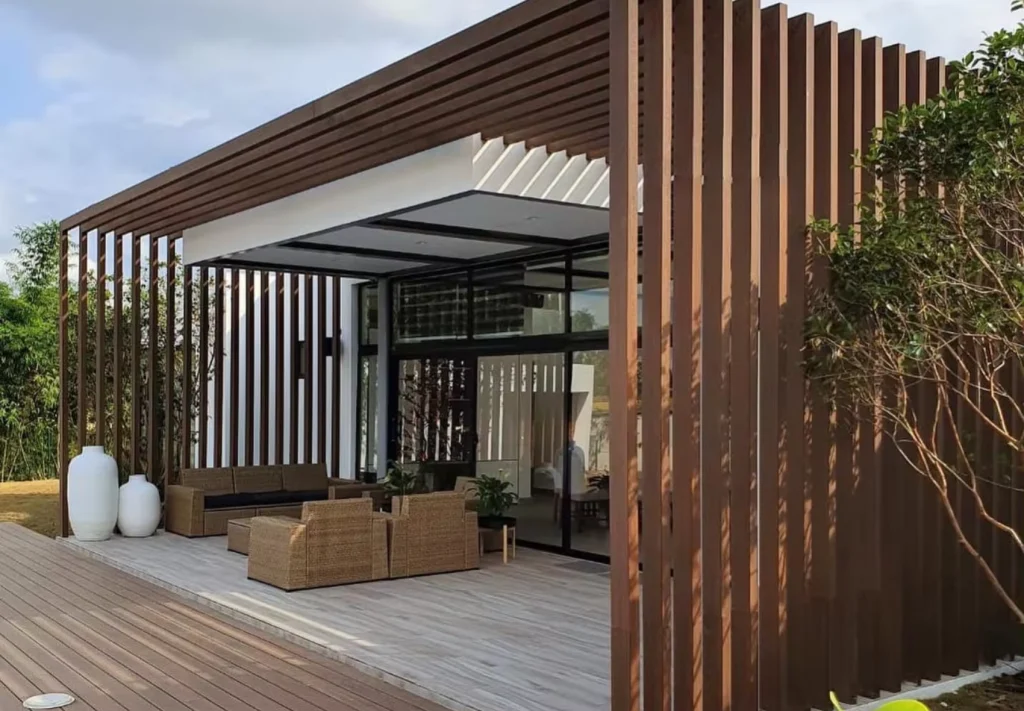
Conclusion: Selecting the Coolest Composite Decking Solution
The coolest composite decking is not defined by a single material type but by a combination of engineering factors, including color selection, structural design, surface technology, and installation methodology. Hollow structures with light pigmentation, infrared-reflective coatings, and advanced cap layers generally provide the best thermal comfort under direct sunlight.
For projects requiring a balance of durability, aesthetics, and heat performance, modern composite systems with engineered cooling properties offer a significant advantage over traditional outdoor materials.
In practical applications, Hosung WPC represents one of the solutions in the broader composite decking landscape, aligning with the evolving demand for improved thermal comfort and outdoor usability.