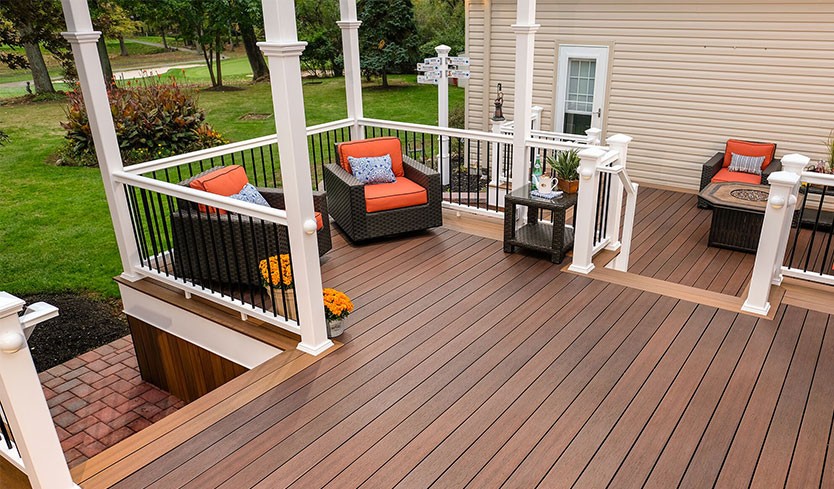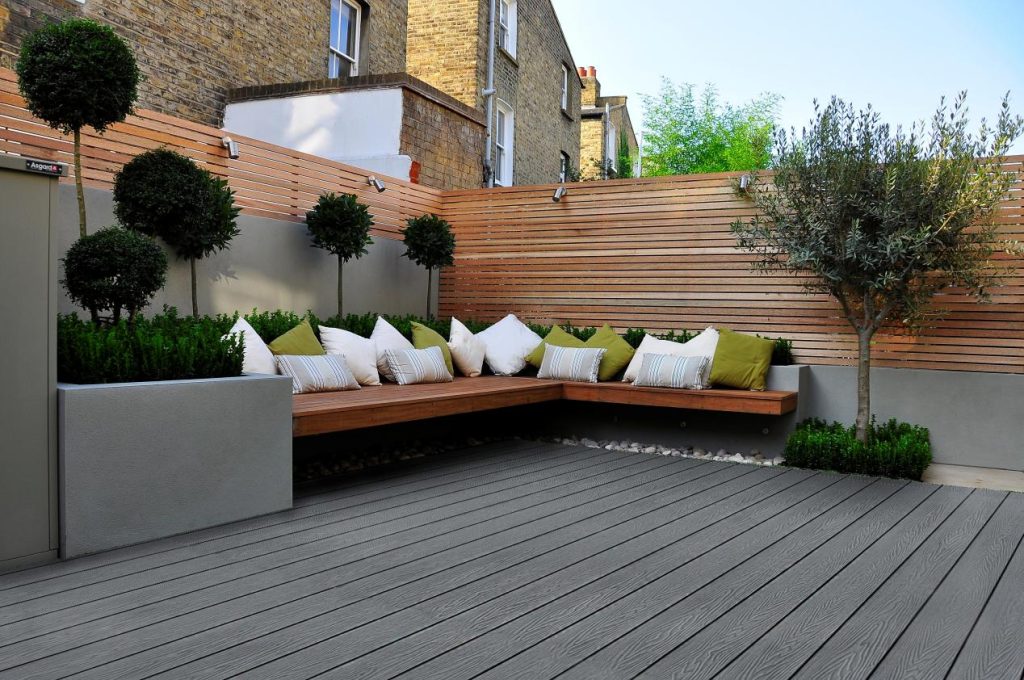
Outdoor living spaces are becoming increasingly important for homes and commercial properties. Choosing the right decking material affects durability, maintenance, appearance, and long-term value. Composite decking has gained popularity because it combines a natural look with strong resistance to moisture, weather changes, and daily wear. When considering which is the best composite decking, the ideal choice depends on factors such as installation environment, lifespan, maintenance needs, design preferences, and budget rather than simply the highest price.
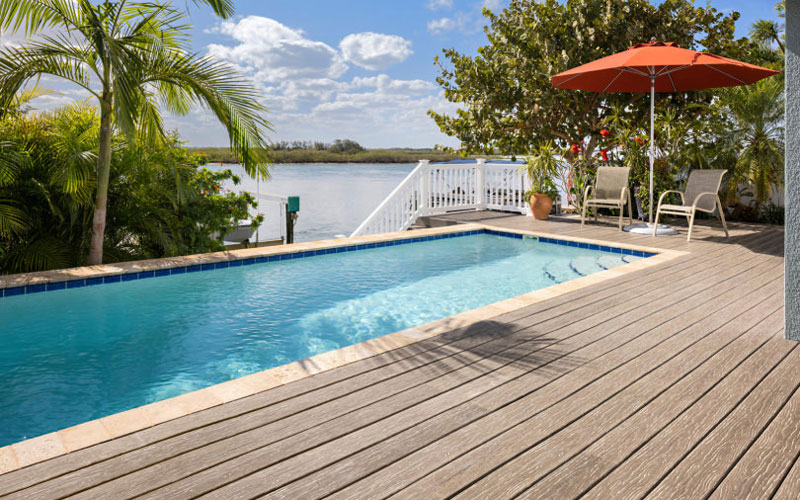
Table of Contents
Understanding the Main Features of Composite Decking
Composite decking is manufactured by combining wood fibers with polymer materials through advanced production processes. This combination creates a material that maintains some of the visual characteristics of natural wood while improving resistance to environmental challenges.
Unlike traditional timber, composite decking does not rely on regular staining, sealing, or painting to maintain its appearance. This makes it attractive for people who want a beautiful outdoor space without spending significant time on maintenance.
One of the biggest advantages of composite decking is its ability to handle different weather conditions. Outdoor flooring is exposed to sunlight, rain, temperature changes, and humidity throughout the year. A quality composite board is designed to maintain structural stability under these conditions, reducing problems such as cracking, warping, and rotting.
The surface design of composite decking has also improved significantly. Modern manufacturing techniques allow boards to feature realistic textures, multiple color options, and patterns that create a natural outdoor appearance. These improvements make composite decking suitable for various architectural styles, from traditional gardens to modern outdoor spaces.
Durability and Long-Term Performance
Durability is one of the most important factors when selecting decking materials. A deck is usually expected to remain functional and attractive for many years, so resistance to environmental damage plays a major role in the decision-making process.
Composite decking performs well in areas where moisture is a concern. Since it contains polymer components, it absorbs less water compared with many traditional wood products. Reduced moisture absorption helps minimize issues caused by swelling, decay, and structural damage.
Another important advantage is resistance to insects. Natural wood can sometimes attract insects that damage the internal structure of the material. Composite decking does not provide the same environment for insect-related problems, making it a practical choice for long-term outdoor applications.
UV resistance is also an important consideration. Continuous exposure to sunlight can cause some materials to fade or weaken over time. High-quality composite boards are designed with protective features that help maintain color stability and surface performance even after years of outdoor exposure.
For areas with changing seasons, selecting a material with strong temperature resistance is especially important. A good decking solution should remain stable during hot summers, cold winters, and frequent weather transitions.
Comparing Composite Decking with Traditional Wood
Traditional wood decking has been widely used for outdoor construction because of its natural appearance and availability. However, wood requires regular maintenance to maintain its condition.
Wood decking often needs protective treatments to prevent moisture damage, discoloration, and surface deterioration. Without proper care, wood boards may develop cracks, splinters, or uneven surfaces over time.
Composite decking provides a lower-maintenance alternative. It offers a similar visual effect while reducing the amount of ongoing maintenance required. Cleaning usually involves simple washing to remove dirt and surface debris.
The choice between wood and composite decking often depends on personal priorities. People who prefer natural materials and do not mind regular maintenance may choose wood. Those who want long-term convenience and consistent appearance often prefer composite solutions.
When evaluating which is the best composite decking, it is important to consider the total ownership experience rather than only the initial purchase cost. A material that requires less maintenance and lasts longer may provide better value over time.
Important Factors When Choosing Composite Decking
Selecting the right composite decking requires careful consideration of several important factors. Every outdoor project has different requirements, so there is no single solution suitable for every situation.
Material Quality
The quality of raw materials directly affects the performance of composite decking. Boards should have a balanced composition that provides strength, stability, and resistance to outdoor conditions.
High-quality manufacturing processes also influence product consistency. Uniform density, accurate dimensions, and reliable surface treatment help improve installation efficiency and long-term performance.
Board Structure
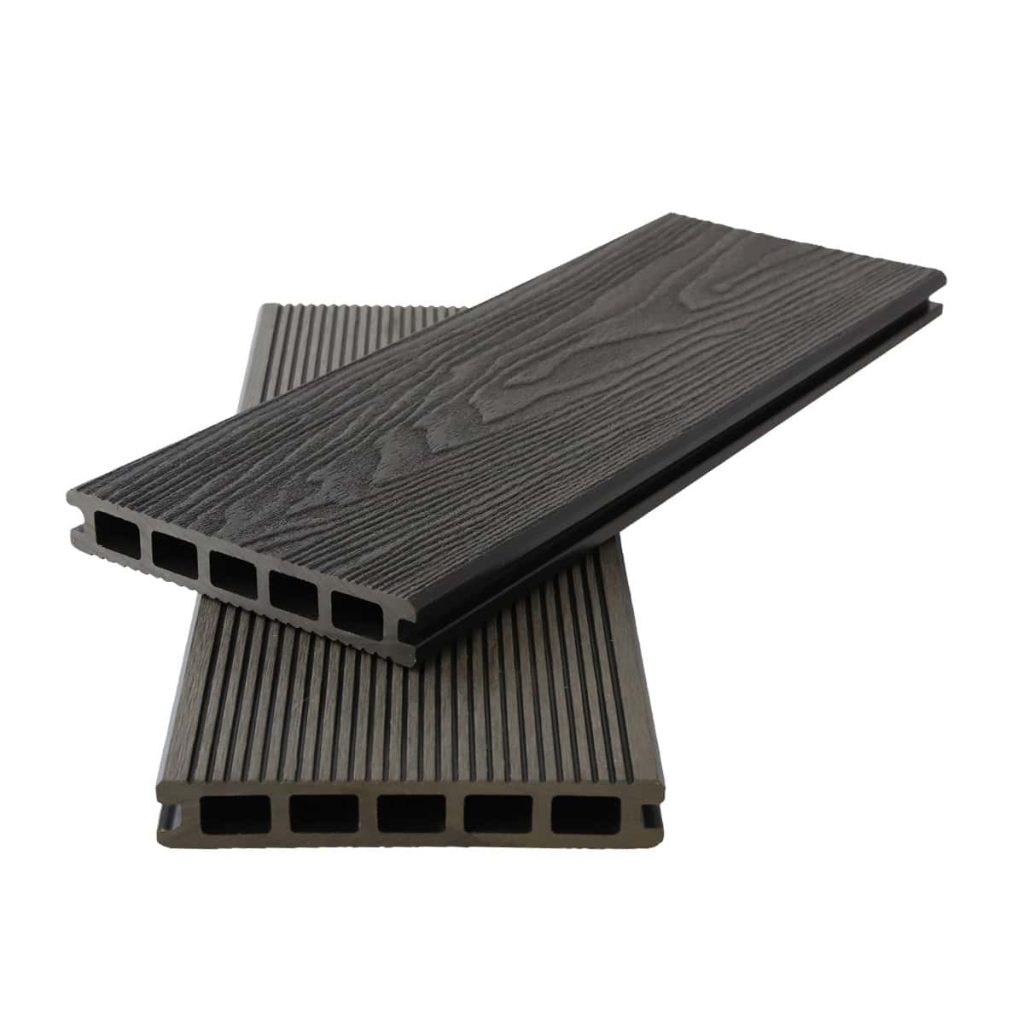
Composite decking boards are available in different structural designs. Some boards have a solid structure, while others use internal hollow designs.
Solid boards generally provide strong load-bearing performance and are suitable for areas with heavy foot traffic. Hollow boards are lighter and can be easier to handle during installation.
The choice should depend on the intended application. Residential balconies, garden paths, commercial walkways, and public outdoor spaces may require different structural characteristics.
Surface Texture
The surface finish affects both appearance and usability. Outdoor decks should provide a comfortable walking surface while maintaining good slip resistance.
Textured surfaces can improve safety, especially in areas exposed to rain or near swimming pools. At the same time, the appearance of the surface contributes significantly to the overall design style.
Color Selection
Composite decking is available in many colors and finishes. Neutral tones often create a natural outdoor atmosphere, while darker shades can provide a modern and elegant appearance.
When choosing a color, it is important to consider surrounding elements such as walls, furniture, landscaping, and outdoor lighting. A suitable color combination can significantly improve the overall visual effect of the space.
Installation Considerations for Composite Decking
Proper installation is essential for achieving the expected performance of composite decking. Even high-quality materials may not perform well if installation methods are incorrect.
Before installation, the supporting structure should be properly prepared. The substructure needs to provide sufficient strength and stability to support the decking boards over time.
Spacing between boards is another important factor. Composite materials expand and contract slightly with temperature changes, so appropriate gaps allow natural movement and help prevent installation problems.
Fastening systems should also be selected carefully. Secure installation helps maintain alignment and improves the overall appearance of the finished deck.
Professional installation can help ensure better results, especially for large or complex projects. Experienced installers understand how to manage different site conditions and optimize material usage.
Maintenance Requirements and Cleaning Methods
One of the reasons many people choose composite decking is its simple maintenance requirements. Compared with traditional outdoor materials, composite boards generally require less frequent care.
Regular cleaning helps maintain appearance and prevents the buildup of dirt, leaves, and other outdoor debris. Basic cleaning usually involves water and mild cleaning solutions.
Although composite decking is highly durable, proper care can extend its service life. Avoiding harsh chemicals and removing stains promptly can help preserve the surface condition.
For commercial applications, easy maintenance is especially valuable because it reduces operational costs and minimizes downtime for repairs.
Environmental and Sustainability Considerations
Modern construction increasingly focuses on sustainable material choices. Composite decking can contribute to environmentally responsible building practices because many products incorporate recycled materials.
Compared with some traditional wood applications, composite decking may reduce the demand for frequent replacement and decrease long-term material consumption.
However, sustainability also depends on manufacturing processes, product lifespan, and disposal methods. Buyers should consider the complete lifecycle of the material when making decisions.
A durable product that remains functional for many years can reduce waste and provide better resource efficiency.
Applications of Composite Decking
Composite decking is suitable for a wide range of outdoor applications. Residential projects often use it for patios, balconies, garden platforms, and entertainment areas.
Commercial properties also benefit from composite decking because it provides an attractive and durable surface for restaurants, hotels, parks, and public spaces.
Around swimming pools, composite decking is especially useful because of its moisture resistance and comfortable surface design. In landscape projects, it can create clear walking areas and improve outdoor organization.
The versatility of composite decking makes it suitable for both small private projects and large-scale developments.
How to Evaluate the Best Option for Your Project
Many buyers search for information about which is the best composite decking because they want confidence before making an investment. However, the best option should always match the specific conditions of the project.
For areas with heavy rainfall, moisture resistance may be the highest priority. For commercial spaces with many visitors, strength and durability may be more important. For residential gardens, appearance and easy maintenance may be the main considerations.
Budget is also an important factor. While initial costs influence purchasing decisions, long-term maintenance expenses should also be included in the evaluation.
A balanced approach is usually the most effective. Choosing a product that offers reliable performance, suitable appearance, and reasonable cost can provide better long-term satisfaction.
Common Mistakes to Avoid When Buying Composite Decking
One common mistake is focusing only on price. The lowest-cost option may not always provide the durability and performance needed for outdoor use.
Another mistake is ignoring installation requirements. Even excellent decking materials can experience problems if the supporting structure or installation method is unsuitable.
Some buyers also overlook climate conditions. Materials should be selected according to local weather patterns, including temperature range, humidity, and rainfall levels.
Finally, choosing a design without considering the surrounding environment can affect the final appearance of the project. A successful deck should complement the entire outdoor space.

Final Thoughts
Choosing the right decking material requires careful evaluation of durability, appearance, maintenance, installation requirements, and long-term value. Composite decking has become a preferred option because it provides a practical combination of attractive design and reliable outdoor performance.
The question of which is the best composite decking cannot be answered with a single product choice because every project has different requirements. The most suitable option is the one that matches the environment, usage needs, and expectations of the property owner.
For businesses looking for reliable manufacturing partners and customized solutions, Hosung WPC has experience in supplying quality products and supporting international customers with professional service. Selecting the right partner and material can help create outdoor spaces that remain functional, attractive, and durable for many years.