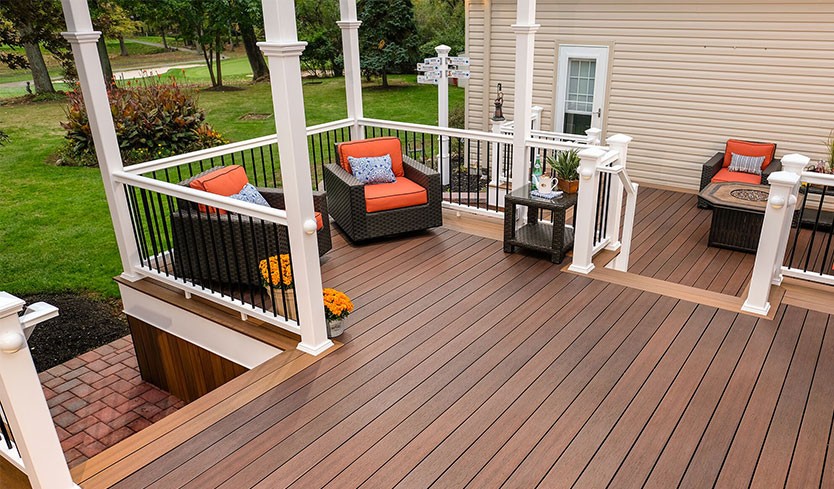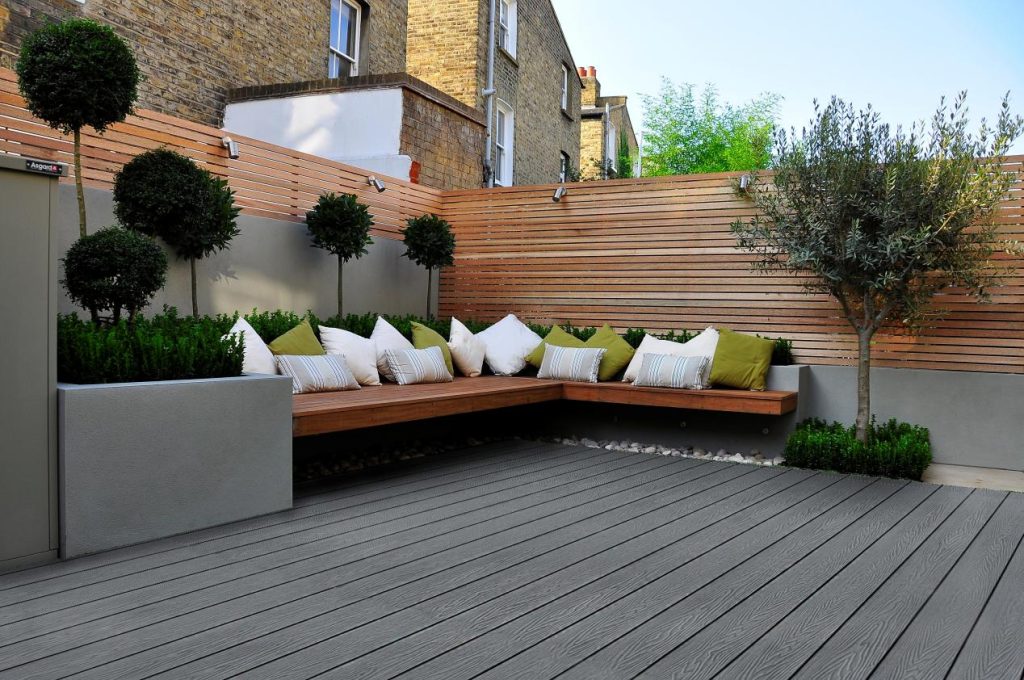
Wood Plastic Composite (WPC) decking has revolutionized the world of outdoor flooring. Combining the best features of wood and plastic, WPC decks offer a perfect blend of aesthetics, durability, and low maintenance. If you’re considering WPC decking for your home or commercial space, this comprehensive guide will walk you through the various types, colors, and factors to consider when selecting the perfect decking solution for your project.
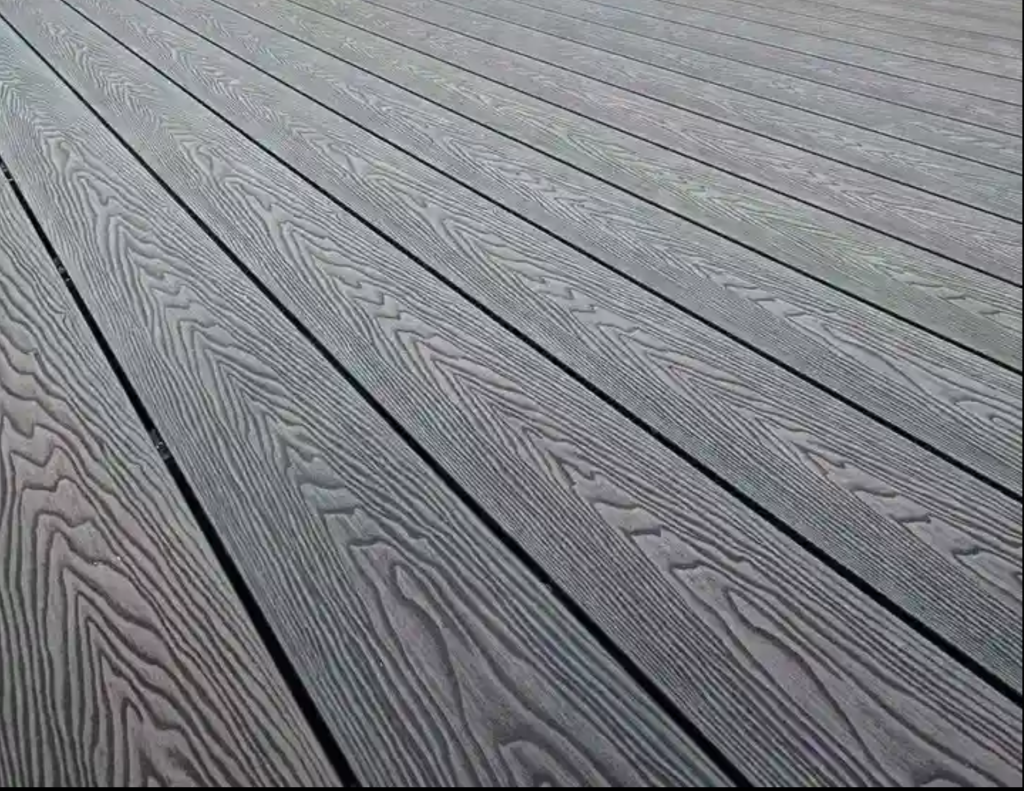
Table of Contents
What is Wood Plastic Composite Decking?
Wood Plastic Composite (WPC) decking is a modern alternative to traditional wood decking made by combining wood fibers (such as sawdust) and plastic (usually PVC or HDPE). The result is a versatile material that mimics the appearance and texture of natural wood but offers significantly enhanced durability, weather resistance, and low maintenance.
WPC decking has become incredibly popular for both residential and commercial projects because it offers a host of benefits over conventional wood decking. It’s resistant to moisture, doesn’t splinter, and requires little upkeep compared to natural wood decking, which often needs regular staining or sealing.
Types of Wood Plastic Composite Decking
Wood Plastic Composite (WPC) decking from Hosung WPC is a popular and versatile choice for homeowners looking for a durable, low-maintenance outdoor flooring option. There are a variety of WPC decking types available, each designed for specific needs and preferences. In this section, we’ll explore more than 10 different types of WPC decking, detailing their characteristics, benefits, and ideal use cases. By understanding these variations, you can make an informed decision that best suits your space, style, and environmental conditions.
1. Capped Composite Decking
Capped Composite Decking is widely considered the most popular and premium option in the world of WPC decking. As the name suggests, this type features a protective cap or layer made of durable plastic (usually PVC or HDPE) that covers the wood composite core. The cap provides superior resistance to moisture, fading, staining, mold, and mildew. This makes capped composite decking ideal for areas with high humidity, rain, or fluctuating weather.
Advantages of Capped Composite Decking:
Superior protection against the elements, including UV rays and moisture.
Long-lasting durability, often lasting 25 years or more with minimal maintenance.
Low maintenance—requires only occasional cleaning to keep it looking new.
Available in a variety of colors and textures to suit different design preferences.
Resistant to fading and stains, even in harsh weather conditions.
Best For: High-traffic areas, homes in regions with heavy rainfall, and locations where the deck will be exposed to the sun for long periods.
2. Uncapped Composite Decking
Unlike capped composite decking, Uncapped Composite Decking does not have a protective plastic layer covering the wood core. Instead, it is made of a blend of wood fibers and plastic. While it still offers better durability and moisture resistance than natural wood, it is more vulnerable to environmental factors such as mold and fading.
Advantages of Uncapped Composite Decking:
More affordable than capped composite options, making it ideal for budget-conscious projects.
Still more durable than traditional wood, with minimal splintering and warping.
Perfect for mild climates or areas that are covered or protected from heavy moisture exposure.
Best For: Covered patios, dry climates, or lower-budget outdoor projects.
3. Solid Composite Decking
Solid Composite Decking is known for its density and durability. This type of WPC decking features a solid, solid-core construction, providing strength and stability. Solid composite boards tend to be heavier and more durable, making them ideal for areas with heavy foot traffic. They also offer a more premium feel underfoot and provide a more substantial look when installed.
Advantages of Solid Composite Decking:
Stronger and more durable than hollow composite options.
Better for heavy foot traffic and high-impact activities like outdoor dining.
More seamless appearance, especially when hidden fasteners are used.
Suitable for structural applications like railing supports or stairs.
Best For: Commercial spaces, decks with heavy use, and areas that require additional strength.
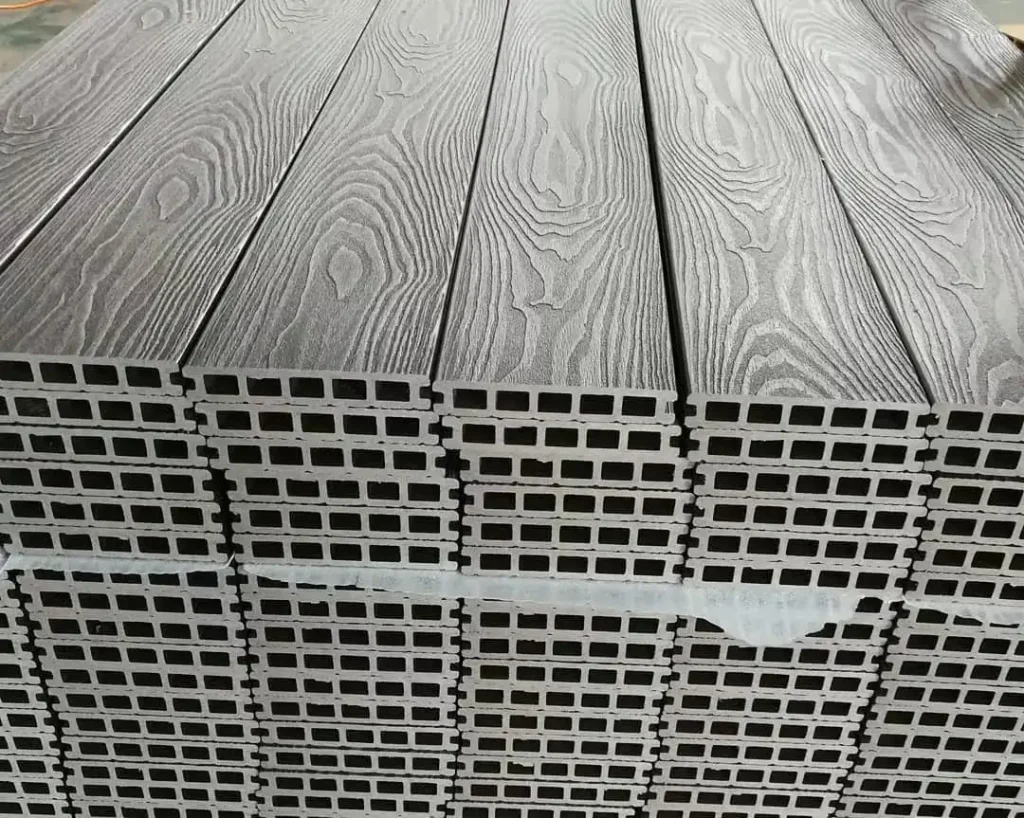
4. Hollow Composite Decking
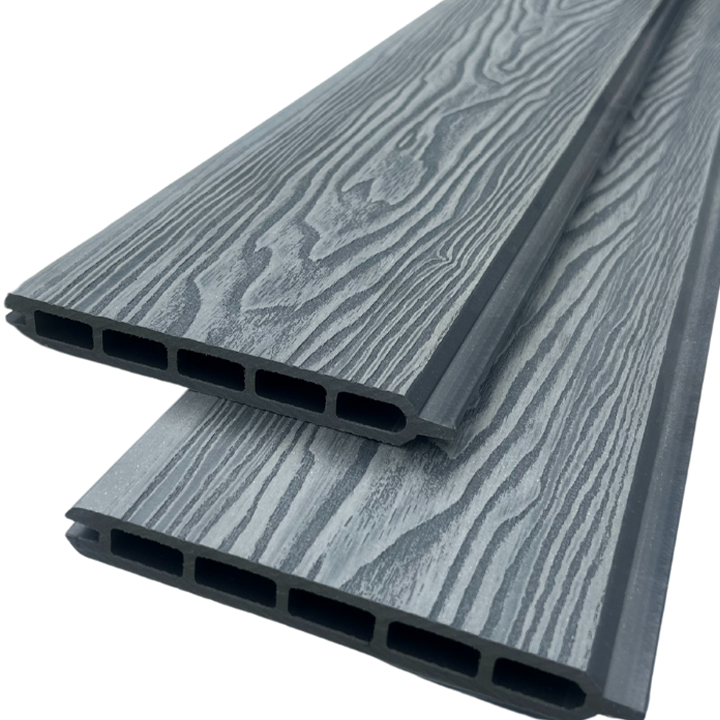
In contrast to solid composite decking, Hollow Composite Decking is lighter and less dense, with a honeycomb or tubular structure inside. This makes it an attractive choice for those looking for a more cost-effective solution. Hollow composite boards are easier to handle and install, and they often feature a unique internal structure designed to reduce material usage without compromising strength.
Advantages of Hollow Composite Decking:
Lighter weight makes it easier to handle and install.
Cost-effective compared to solid composite decking.
Great for residential decks or areas with less foot traffic.
Enhanced airflow due to the hollow structure, which can help reduce moisture buildup under the deck.
Best For: DIY projects, residential areas, or low-traffic outdoor spaces.
5. Multi-Color Composite Decking
For homeowners looking to mimic the natural beauty of wood, Multi-Color Composite Decking offers a dynamic solution. These boards feature multiple color streaks or patterns that resemble the grain patterns found in natural hardwood. The variety of colors gives the decking a rich, layered look, adding depth and visual appeal to any outdoor space.
Advantages of Multi-Color Composite Decking:
Natural, wood-like appearance with added depth and texture.
Enhanced visual appeal—ideal for modern or rustic designs.
Offers variation in color, so no two boards are identical.
More visually engaging than single-color composite decking.
Best For: Homeowners who want a dynamic, natural look and wish to create a unique, custom-designed deck.
6. Reversible Composite Decking
Reversible Composite Decking is an innovative option where each board features two distinct sides—one with a textured finish and the other with a smooth or brushed surface. The ability to flip the boards allows for flexibility in design and helps homeowners create custom looks by mixing and matching different textures.
Advantages of Reversible Composite Decking:
Two different looks in one board, offering more design flexibility.
Easy to install, as both sides can be used.
Versatile—choose from different textures for a custom appearance.
Best For: Homeowners looking to create a personalized deck or those who prefer different textures without the need to buy multiple types of decking.
7. Grooved Composite Decking
Grooved Composite Decking features grooves along the edges of the boards. These grooves are designed to accommodate hidden fasteners, which can be used to secure the boards in place without visible screws. The result is a smooth, clean finish without any exposed hardware, contributing to the deck’s overall aesthetic.
Advantages of Grooved Composite Decking:
Clean, modern look with no visible screws or nails.
Faster installation with hidden fasteners.
Aesthetically pleasing design with smooth edges.
Best For: Homeowners looking for a sleek, professional finish with no exposed fasteners.
8. Pressure-Treated Composite Decking
Pressure-Treated Composite Decking involves composite boards that are treated with chemicals to resist moisture and insect damage. This extra layer of protection enhances the board’s durability in extreme weather conditions, making it an excellent choice for coastal areas or regions with heavy rain and humidity.
Advantages of Pressure-Treated Composite Decking:
Added protection against moisture, insects, and rot.
Ideal for harsh environments, including coastal or forested areas.
Extends the life span of the decking beyond regular composite decking.
Best For: Homes in areas exposed to moisture, pests, or high humidity.
9. Decking with Wood Grain Texture
For those who want the closest possible look to natural wood, Decking with Wood Grain Texture is an excellent choice. The boards feature embossed textures that mimic the grain and knots of real wood. Not only does it enhance the visual appeal, but it also provides a more realistic feel underfoot.
Advantages of Decking with Wood Grain Texture:
Authentic wood look and feel.
Increased slip resistance due to the textured surface.
Offers the best of both worlds, combining natural aesthetics with durability.
Best For: Those who want the look and feel of natural wood without the maintenance concerns.
10. Slip-Resistant Composite Decking
For areas that experience a lot of moisture, such as near pools or hot tubs, Slip-Resistant Composite Decking is an essential safety feature. The boards are specially designed with a textured surface or embedded materials that increase friction, making them safer to walk on, even when wet.
Advantages of Slip-Resistant Composite Decking:
Safer for wet environments, reducing the risk of slips and falls.
Ideal for poolsides or areas exposed to rain.
Still low maintenance—easier to clean than wood while offering enhanced safety.
Best For: Poolside decks, wet or rainy regions, and households with young children or elderly individuals.
11. Fire-Resistant Composite Decking
For areas that are prone to wildfires or that require extra safety measures, Fire-Resistant Composite Decking offers peace of mind. These boards are treated or made with materials that are designed to resist ignition and slow the spread of flames, making them ideal for fire-prone regions.
Advantages of Fire-Resistant Composite Decking:
Enhanced safety in areas prone to wildfires.
Compliant with building codes in fire-sensitive areas.
Offers peace of mind without compromising aesthetics.
Best For: Homes in wildfire-prone areas or places with strict fire-safety regulations.
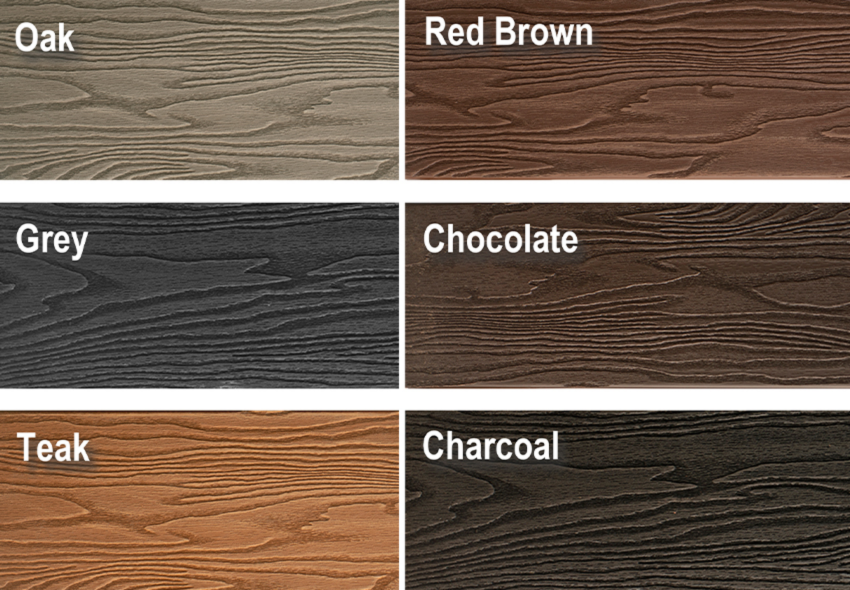
Color Selection: Adding Style to Your Wood Plastic Composite Decking
1. Natural Wood Tones
Natural wood tones are the most common and classic colors available for WPC decking. These colors mimic the appearance of natural wood, giving your deck a warm and inviting look. Natural wood colors include shades like cherry, oak, walnut, and cedar, and are perfect for those looking to create a rustic or traditional outdoor setting.
Benefits:
Natural and warm appearance that blends seamlessly with outdoor environments.
Matches perfectly with plants, flowers, and outdoor furniture, creating a harmonious feel.
Gives the deck a timeless, classic look that feels like real wood.
Best For: Gardens, patios, and homes with traditional or rustic exterior styles.
2. Grey Shades
Grey WPC decking has become increasingly popular in recent years, especially in modern, minimalist, and industrial-style designs. Grey is known for its cool, sleek aesthetic and works well with contemporary architecture. It also gives your deck a timeless, urban feel that complements various furniture styles.
Benefits:
Modern, sleek look perfect for contemporary or industrial-themed outdoor spaces.
Dirt-resistant, as grey tones tend to hide dirt and stains better than lighter shades.
Versatile—works well with both dark and light furniture, as well as natural stone or metal accents.
Best For: Modern homes, urban apartments, and outdoor spaces that require a minimalist, sophisticated vibe.
3. Dark Colors: Black, Charcoal, and Deep Brown
Dark-colored WPC decking, such as black, deep grey, or rich brown, offers an elegant and luxurious appearance. These colors are ideal for creating a high-end look and give your outdoor area a dramatic, refined style. Dark tones help create a cozy, intimate ambiance, making them perfect for evening outdoor gatherings.
Benefits:
High-end, luxurious feel that enhances the elegance of your outdoor space.
Durable and hides imperfections better than lighter colors, making maintenance easier.
Adds depth to your outdoor area, highlighting your deck as a feature of the space.
Best For: High-end homes, commercial spaces, or areas where you want to create a dramatic and sophisticated outdoor environment.
4. Multi-Color Blends
Multi-color WPC decking boards feature various colors streaked throughout the surface, resembling the natural variations in wood grain. These boards provide a dynamic, textured look that adds visual interest and depth to your deck. Multi-color decking is ideal if you want to achieve a more natural wood appearance while incorporating modern design elements.
Benefits:
Unique, natural look—each board is slightly different, creating a one-of-a-kind appearance.
Visually appealing, with added texture and depth.
Offers a more organic and warm look compared to solid color boards.
Best For: Homeowners who desire a natural wood-like appearance with enhanced visual appeal and uniqueness.
5. Copper and Gold Tones
Copper and gold tones in WPC decking are a relatively new addition to the market. These colors offer a sophisticated, metallic-like finish that brings a sense of luxury to outdoor spaces. They are perfect for homeowners looking to create a high-end, timeless, and elegant environment. The shimmering hues change slightly depending on the light, adding dimension and richness to your outdoor area.
Benefits:
Luxurious, elegant appearance that exudes wealth and refinement.
Rich color variations, making the decking look dynamic and interesting under different lighting conditions.
Resistant to fading, maintaining their stunning visual appeal over time.
Best For: Luxury villas and high-end properties, as well as commercial spaces requiring a touch of elegance.
6. Brown and Walnut Tones
Brown and walnut tones are a popular choice for those who appreciate the warmth and richness of natural wood. These colors, often ranging from light brown to dark walnut, provide a deep, welcoming vibe to your outdoor deck. The walnut shades, in particular, offer a sophisticated, traditional look that pairs well with other wood elements and lush greenery.
Benefits:
Warm and inviting—perfect for creating a comfortable, cozy outdoor living space.
Matches well with traditional-style outdoor furniture and natural elements like stone or brick.
Offers the luxury of real wood without the high maintenance of natural wood.
Best For: Residential homes with classic or rustic themes and outdoor areas like patios or garden decks.
7. Beachy and Light Tones
Beachy tones, such as light yellows, light browns, and beige, mimic the soft colors of sand and coastal environments. These colors are perfect for creating a relaxed, breezy, and fresh atmosphere, ideal for areas by the ocean, pools, or patios in sunny climates. Lighter shades can also make your deck appear larger and brighter.
Benefits:
Light, airy, and refreshing—perfect for sunny, coastal, or tropical climates.
Reflects sunlight, keeping the deck surface cooler, especially in warmer regions.
Offers a calming, beach-like ambiance that is perfect for relaxation and outdoor dining.
Best For: Coastal homes, poolside decks, and homes in sunny or tropical areas.
Choosing the Right Color for Your Wood Plastic Composite Decking
One of the most exciting aspects of WPC decking is the wide range of colors and finishes available. Whether you prefer a traditional wood appearance or something more contemporary, there is a color option to suit your style. Here are some factors to consider when selecting the color of your WPC decking:
1. Match the Style of Your Home
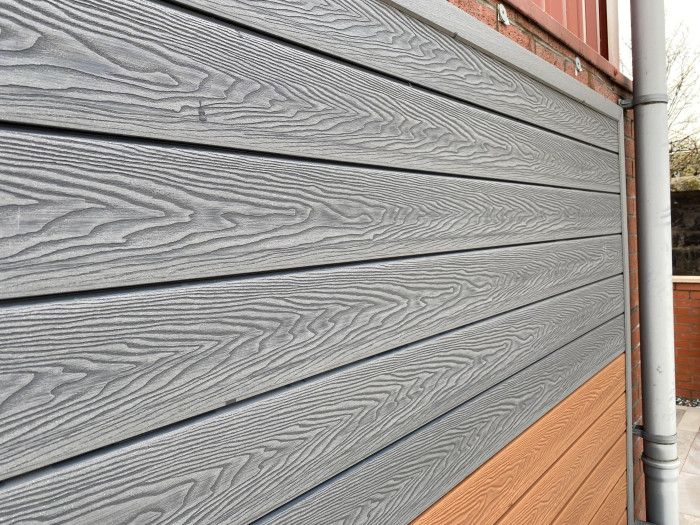
The color of your WPC decking should complement the exterior design and color scheme of your home. If your home has a more rustic or natural aesthetic, go for earthy tones like browns, taupes, or light greys. For modern or minimalist homes, you may opt for darker shades, like charcoal or slate.
2. Consider the Climate
The color of your decking can also be influenced by the climate in your region. Darker colors absorb heat and can become hot underfoot, especially in warmer climates, so they may not be ideal for areas with high summer temperatures. On the other hand, lighter colors reflect sunlight and tend to stay cooler, making them more suitable for hot climates.
3. Aesthetic Appeal
Different colors offer different aesthetic effects. Light colors, such as grey or tan, create a modern, clean look. Darker tones, like mahogany or walnut, provide a rich, luxurious feel, while wood-like hues like cedar or redwood offer a traditional, rustic vibe. Consider your outdoor space’s overall theme when choosing the perfect color.
4. Consider Maintenance
While composite decking requires minimal maintenance, choosing a lighter color may mean that dirt and debris are more visible. If you don’t mind occasional cleaning, light-colored decking can brighten up your outdoor space. However, darker boards tend to conceal dirt and stains better, making them a practical choice for high-traffic areas.
Factors to Consider When Selecting Wood Plastic Composite Decking
While choosing the right type and color of WPC decking is essential, there are several other factors you should take into account to ensure your decking is the best fit for your space. These factors include the quality, durability, cost, and environmental impact of your decking material.
1. Durability and Longevity
One of the main reasons homeowners choose WPC decking is its long lifespan. WPC decks can last 25 years or more with proper maintenance, making them an excellent investment in the long run. When shopping for WPC decking, look for products that come with extended warranties, as this is often an indicator of the manufacturer’s confidence in the product’s durability.
2. Environmental Impact
WPC decking is considered more eco-friendly than traditional wood decking because it is made from recycled materials, such as sawdust and plastic. This helps reduce the demand for timber from forests, contributing to sustainability efforts. If you’re concerned about the environmental impact, choose WPC decking that uses 100% recycled plastic and wood fibers for an even greener solution.
3. Cost Considerations
While WPC decking is generally more affordable than hardwood decking, the cost can vary depending on the type, brand, and finish of the boards. Capped composite decking tends to be more expensive than uncapped composite options, and multi-color boards are often priced higher than single-tone options. Keep your budget in mind when selecting your decking material.
4. Installation Ease
Some WPC decking products come with hidden fastener systems that allow for seamless installation without visible screws or nails. These systems can make installation faster and cleaner. However, they may come at a higher price. If you’re a DIYer, make sure to choose a decking material that fits your skill level, or consider hiring a professional for installation.
5. Slip Resistance
If you plan to install your WPC decking near a pool, hot tub, or in an area that is frequently exposed to moisture, look for decking that is designed with slip resistance in mind. Many WPC decking products offer textured surfaces that help prevent slips, which is a key safety consideration, particularly for families with young children or elderly individuals.
Conclusion
Wood Plastic Composite (WPC) decking is an excellent choice for homeowners looking for a durable, low-maintenance, and aesthetically pleasing outdoor flooring option. With various types, colors, and finishes to choose from, WPC decking can suit any style or climate. Whether you opt for capped composite or uncapped decking, solid or hollow boards, there is a solution that meets your needs. By considering the factors outlined in this guide—such as durability, cost, aesthetics, and installation ease—you can confidently select the perfect WPC decking for your outdoor space.
If you’re ready to make the switch to WPC decking, remember that proper maintenance and installation will ensure your deck lasts for years to come, enhancing the beauty and functionality of your outdoor living area.