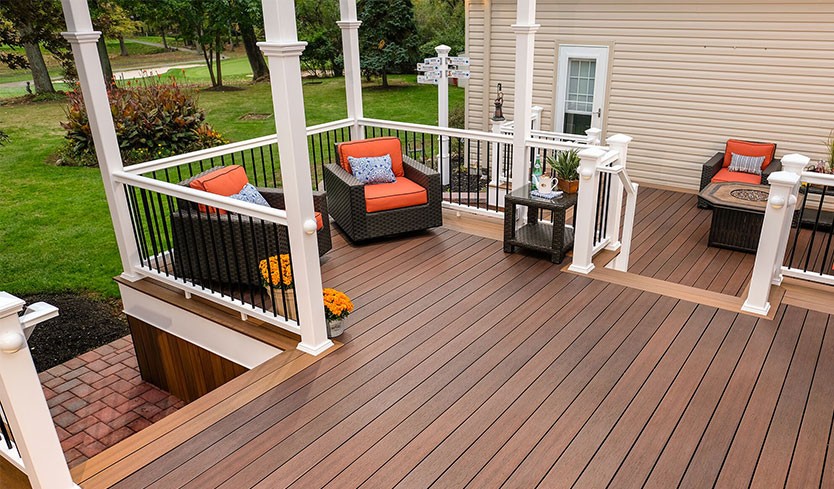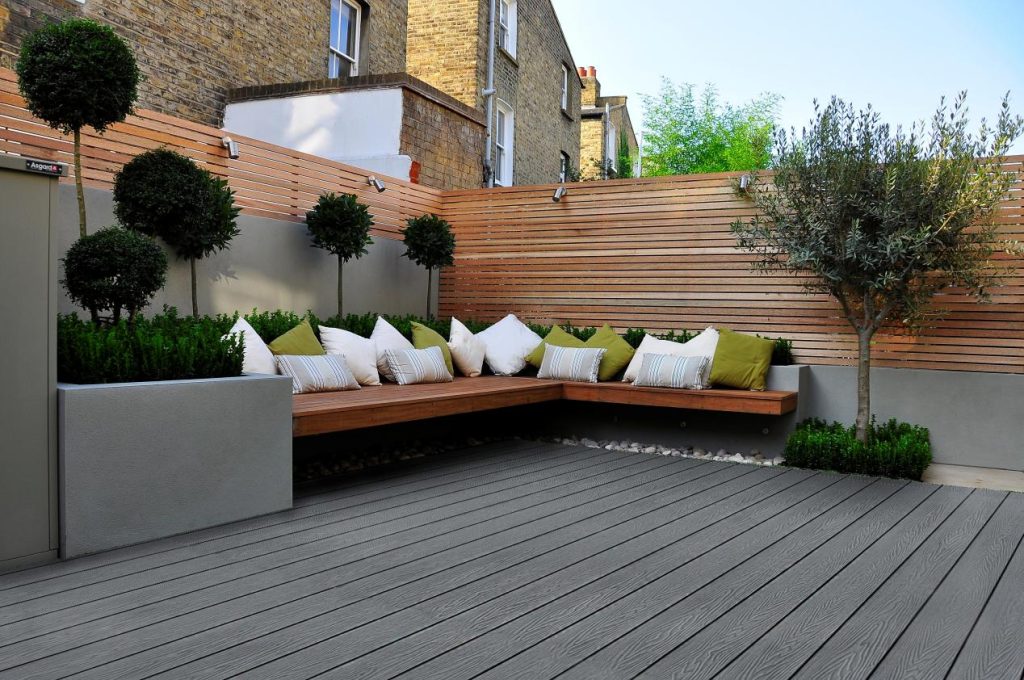
Balcony railings play a crucial role in both the safety and aesthetics of a home. Traditional materials like wood, iron, or stainless steel have been widely used for decades. However, with the advent of innovative materials, WPC balcony railing has emerged as a modern alternative that combines durability, design flexibility, and low maintenance. In this article, we will explore what WPC balcony railings are, their benefits, installation methods, and why they are becoming increasingly popular among homeowners and architects.
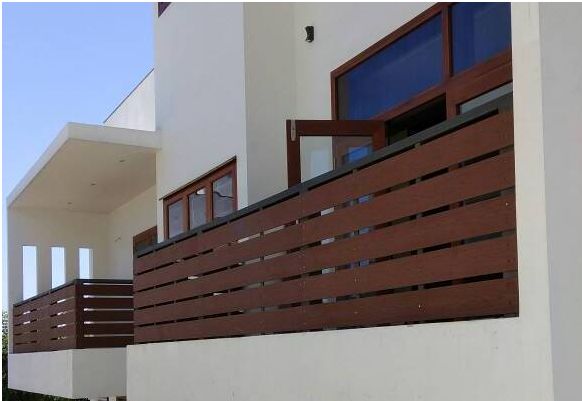
Table of Contents
What is WPC Balcony Railing?
WPC stands for Wood-Plastic Composite, a material made by blending wood fibers or wood flour with thermoplastics such as PVC, PE, or PP. The result is a composite material that mimics the appearance of wood while offering superior durability and resistance to environmental factors. A WPC balcony railing refers to a railing system constructed using WPC materials, which can be designed to resemble traditional wooden railings or modern minimalist styles.
Unlike pure wood, WPC is resistant to moisture, rot, termites, and UV radiation, making it ideal for outdoor applications such as balconies, terraces, and decks. Additionally, WPC can be molded into various shapes and profiles, allowing homeowners to achieve custom designs without compromising structural integrity.
Key Features of WPC Balcony Railings
Durability
WPC balcony railings are highly durable and can withstand harsh weather conditions. Unlike wood, they do not warp, crack, or splinter over time. This makes them particularly suitable for areas with high humidity, heavy rain, or intense sunlight.Low Maintenance
One of the biggest advantages of WPC is that it requires minimal maintenance. Regular cleaning with water and mild soap is usually sufficient. There is no need for painting, staining, or sealing, which significantly reduces long-term maintenance costs.Eco-Friendly Material
Many WPC products are made from recycled wood fibers and plastics, making them environmentally friendly. Choosing WPC balcony railing supports sustainability and reduces the demand for traditional timber.Aesthetic Flexibility
WPC can be manufactured in various colors, textures, and finishes. It can imitate natural wood grains or have a smooth, modern finish. This versatility allows homeowners to match the balcony railing with the overall design of their house, whether it is contemporary, rustic, or classic.Resistance to Pests and Fungi
Unlike traditional wooden railings, WPC is resistant to termite attacks, mold, and fungi. This makes it an excellent choice for regions prone to pest infestations or high moisture environments.Safety
WPC balcony railings are designed to be strong and sturdy, providing a safe barrier for balconies, especially in homes with children or elderly residents. Some WPC railings are reinforced with aluminum or steel cores for added strength.
Types of WPC Balcony Railings
There are several types of WPC balcony railings available in the market, each catering to different design and functional requirements:
1. Solid WPC Railings
These railings are made entirely from WPC boards, providing a solid and robust barrier. They are ideal for privacy-focused balconies. Solid railings are also excellent at blocking wind and noise, making them suitable for urban or high-traffic areas.
2. WPC Railings with Glass Panels
Combining WPC frames with tempered glass panels offers a modern and stylish look while allowing unobstructed views. These are particularly popular in apartments or high-rise buildings. The glass can be clear, frosted, or tinted, adding both privacy and aesthetic flexibility.
3. WPC and Metal Hybrid Railings
For added strength, some WPC balcony railings are combined with metal supports. This hybrid design combines the durability of metal with the aesthetic appeal of WPC. Typically, aluminum or stainless steel is used as the core, while WPC forms the outer surface, providing a warm wooden look.
4. Pre-fabricated WPC Railings
Pre-fabricated or modular WPC railings come in ready-to-install sections. This reduces installation time and ensures uniform quality. Modular railings are ideal for large projects or apartment complexes, as they simplify logistics and on-site assembly.
5. WPC Cable Railings
These railings combine WPC posts with stainless steel cables running horizontally or vertically. Cable railings offer a sleek, minimalist look and allow maximum visibility while still providing safety. They are perfect for modern and contemporary balcony designs.
6. WPC Baluster Railings
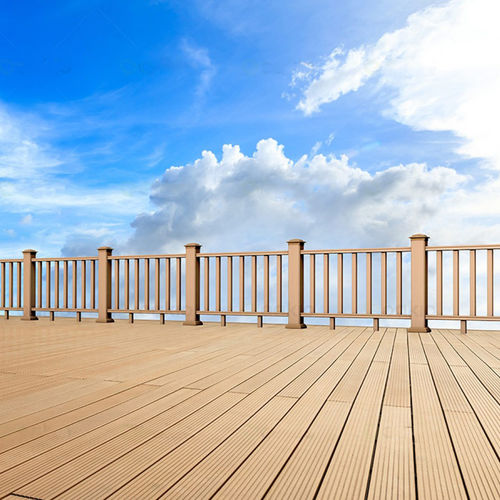
Featuring traditional baluster shapes made from WPC, these railings mimic classic wood designs. Baluster railings are often used in villas, heritage-style homes, or balconies where a more elegant, ornate appearance is desired.
7. WPC Panel Railings with Decorative Cutouts
These railings have WPC panels with laser-cut or CNC-cut patterns, adding decorative elements to the balcony. They can be customized with geometric designs, floral patterns, or even logos, combining safety with aesthetic appeal.
8. WPC Handrail-only Systems
In some cases, WPC is used primarily for the handrail atop a balcony, combined with other materials like glass, metal, or wood for the lower section. This provides a comfortable grip, smooth finish, and adds a touch of warmth to otherwise modern designs.
9. Curved or Custom-shaped WPC Railings
For unique architectural projects, WPC railings can be fabricated into curved or irregular shapes, following balcony contours. This flexibility allows architects to create striking, bespoke balcony designs without compromising durability or safety.
Fencing Systems: Privacy, Security, and Curb Appeal
a. The Importance of Fencing
A fence does more than define property lines — it enhances security, provides privacy, and serves as a design statement. Whether you need a classic wooden look, a sleek modern barrier, or a noise-reducing screen, today’s fencing systems offer solutions for every need.
b. Popular Types of Fencing in the UK
Composite Fencing – Made from the same eco-friendly materials as composite decking, it offers excellent weather resistance and color stability.
Vinyl or PVC Fencing – Affordable and easy to maintain but less eco-friendly.
Wooden Fencing – Timeless charm, but requires staining or painting every few years.
Aluminum and Steel Fencing – Durable and ideal for modern designs.
Slatted Fencing Panels – Provide both privacy and airflow, perfect for gardens.
c. Matching Fencing with Decking and Railings
For a harmonious outdoor design, choose complementary colors and textures. For instance:
Pair charcoal composite decking with black aluminum railings for a contemporary vibe.
Combine light oak decking with cream composite fencing for a warm, natural look.
Mix woodgrain panels with frosted glass railings for a sophisticated aesthetic.
Installation of WPC Balcony Railings
Installing a WPC balcony railing involves several steps, though the process is relatively straightforward compared to traditional wooden railings. Here’s a general guide:
Measure and Plan
Accurate measurements of the balcony perimeter are crucial. Decide on the type of railing and spacing between posts based on safety standards.Prepare the Surface
Ensure that the balcony floor or parapet is level and clean. Any uneven surfaces should be corrected to prevent structural instability.Install Posts
WPC posts are typically fixed to the floor using screws or brackets. In some cases, metal reinforcements may be inserted inside the posts for added stability.Attach Horizontal or Vertical Rails
Depending on the design, attach horizontal or vertical WPC rails between posts. Ensure they are properly aligned and securely fixed.Optional Panels
If your design includes glass or decorative panels, install them securely between the WPC frames.Finishing Touches
Inspect all joints and screws. Make sure there are no sharp edges, and clean the surface to remove dust or debris.
Professional installation is recommended for high-rise balconies or complex designs, ensuring compliance with safety regulations.
Advantages of Choosing WPC Balcony Railings
Long Lifespan
WPC balcony railings can last 15–25 years or more with minimal upkeep, significantly longer than traditional wood.Weather Resistance
WPC does not swell, shrink, or degrade in response to changes in weather. It is ideal for coastal areas or regions with heavy rainfall.Cost-Effective
While the initial cost may be slightly higher than standard wood, the long-term maintenance savings make WPC a cost-effective choice.Customization
WPC can be cut, shaped, and colored according to design preferences, making it highly adaptable for both modern and traditional architectural styles.Easy Maintenance
A simple wash with water and mild detergent is enough to maintain the railing’s appearance. No sanding, staining, or painting is required.
Common Applications of WPC Balcony Railings
Residential Apartments: Enhance safety and aesthetics without extensive maintenance.
Villas and Homes: Provide a modern, stylish look that complements outdoor spaces.
Commercial Buildings: Office terraces and hotel balconies can benefit from durable, low-maintenance WPC railings.
Decks and Terraces: WPC railings can be seamlessly integrated with WPC decking for a cohesive outdoor design.

Maintenance Tips for WPC Balcony Railings
Although WPC is low-maintenance, following a few simple tips can help extend its lifespan:
Regular Cleaning
Clean the railing periodically with water and mild soap to remove dust, dirt, or bird droppings.Avoid Harsh Chemicals
Strong acids, alkalis, or bleach can damage the surface. Stick to gentle cleaning agents.Check Fasteners
Inspect screws and brackets annually to ensure stability.Remove Stains Promptly
Wipe off any oil, paint, or other stains as soon as possible to prevent surface discoloration.
WPC Balcony Railing vs. Traditional Materials
| Feature | WPC Balcony Railing | Wooden Railing | Metal Railing |
|---|---|---|---|
| Durability | High | Medium | High |
| Maintenance | Low | High | Medium |
| Weather Resistance | Excellent | Poor | Good |
| Pest Resistance | Excellent | Poor | Excellent |
| Aesthetic Options | Versatile | Moderate | Limited |
| Eco-Friendliness | Good | Depends on sourcing | Low (energy-intensive) |
As the table shows, WPC balcony railings combine the advantages of wood and metal while mitigating many common issues such as rot, pests, and high maintenance.
Conclusion
WPC balcony railing is a practical, stylish, and sustainable choice for modern homes. With its superior durability, low maintenance, design flexibility, and eco-friendly profile, WPC is rapidly becoming a preferred material for balcony safety and aesthetics. Whether you are renovating an existing balcony or designing a new one, investing in WPC railings ensures long-lasting beauty, safety, and functionality. By choosing WPC, homeowners not only improve the appearance of their homes but also enjoy a hassle-free, durable solution that stands the test of time.