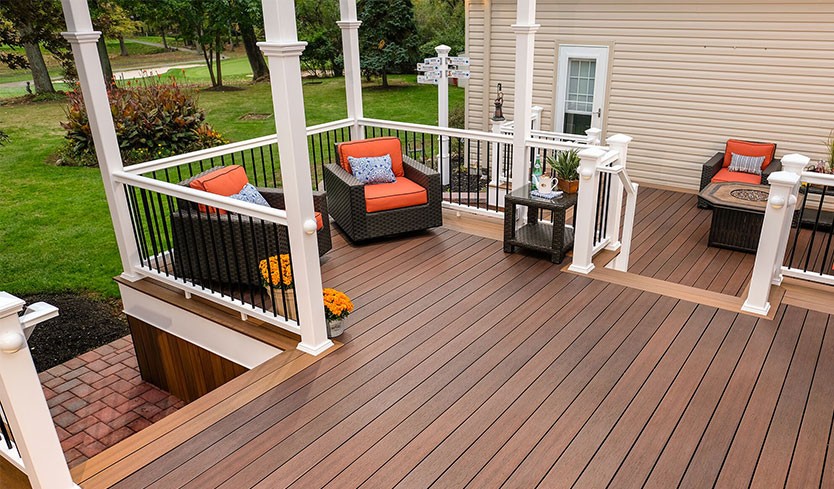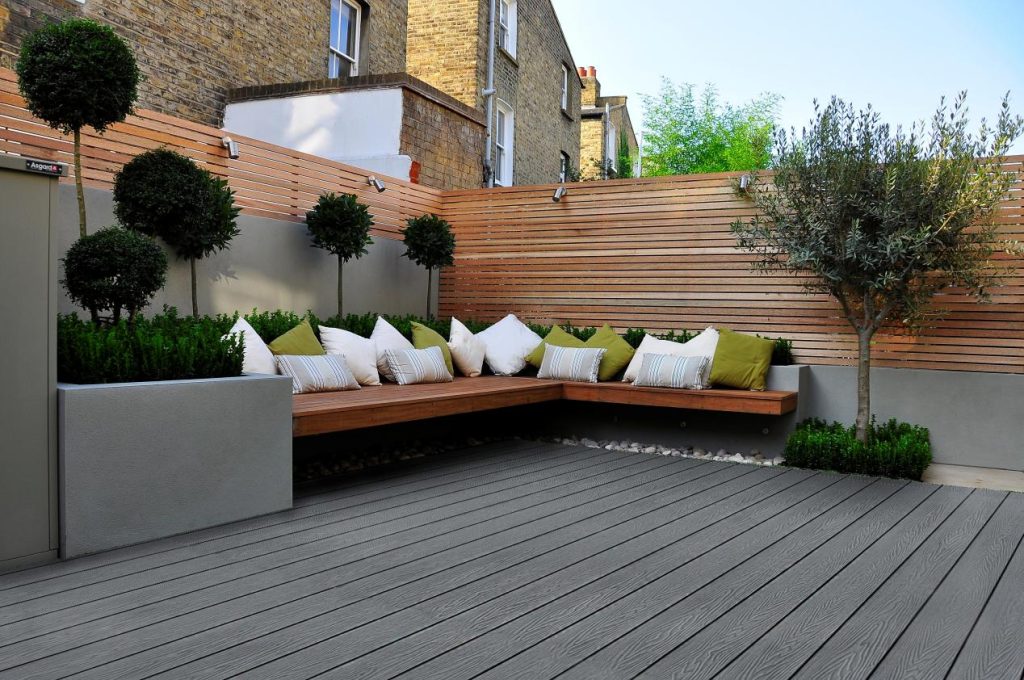
When it comes to modern construction and home improvement projects in the Philippines, choosing the right materials is crucial. One material that has gained significant popularity in recent years is Wood Plastic Composite (WPC) board. Known for its durability, eco-friendliness, and versatility, WPC boards are now widely used in decking, fencing, wall cladding, and furniture. In this article, we will explore everything you need to know about WPC board price in Philippines, including factors that affect the cost, different types of WPC boards, advantages, and tips for purchasing the best quality boards for your projects.
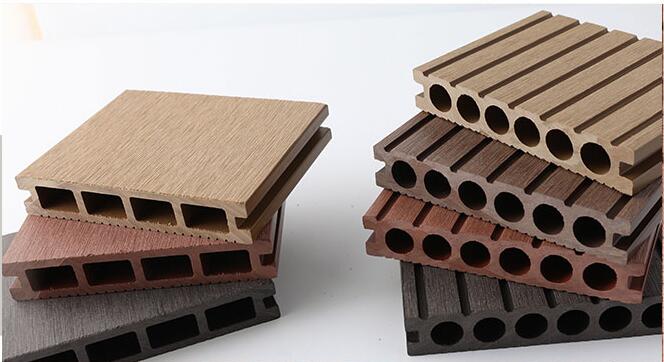
Table of Contents
What is WPC Board?
WPC board is a composite material made from a combination of wood fibers and thermoplastics such as PVC, PE, or PP. This innovative material combines the aesthetic appeal of natural wood with the strength and low maintenance of plastic. Unlike traditional wood, WPC boards are resistant to rot, termites, and moisture, making them particularly suitable for tropical climates like the Philippines.
WPC boards are manufactured through an extrusion or molding process, which ensures consistency in size and quality. They can be produced in various colors, textures, and thicknesses, making them a versatile choice for both residential and commercial applications.
Types of WPC Boards in the Philippines
When considering WPC board price in Philippines, it is important to understand the different types of WPC boards available in the market, as each type has unique characteristics that influence its cost:
1. Solid WPC Board
Solid WPC boards are dense and strong, providing excellent durability. They are commonly used for outdoor decking, fencing, and heavy-duty furniture. Due to their high density and longer lifespan, solid WPC boards are generally priced higher than hollow boards.
Features of Solid WPC Boards:
High load-bearing capacity
Water and termite resistance
Low maintenance
Long service life (typically 15-25 years)
2. Hollow WPC Board
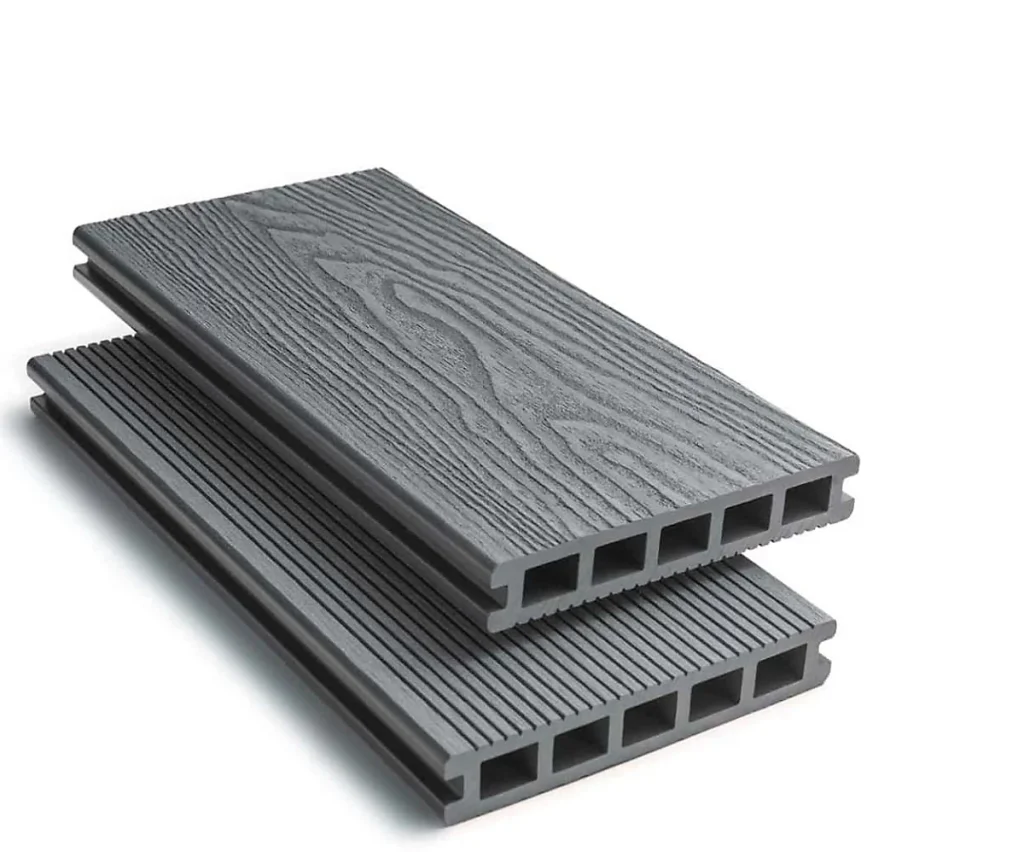
Hollow WPC boards have a chambered structure, making them lighter than solid boards. They are often used for wall cladding, partitions, and ceiling panels. Hollow boards are easier to handle and install, but they are slightly less durable than solid boards.
Features of Hollow WPC Boards:
Lightweight and easy to install
Cost-effective option for large-scale projects
Resistant to moisture and decay
Aesthetic appeal with wood-like finishes
3. Co-Extruded WPC Board
Co-extruded WPC boards feature a core layer made of WPC and a surface layer made of a protective material. This outer layer enhances resistance to scratches, stains, and UV rays, making them ideal for outdoor use in the Philippine climate.
Features of Co-Extruded WPC Boards:
Superior durability and surface protection
Resistant to fading and discoloration
Minimal maintenance required
Premium option for high-end decking and wall cladding
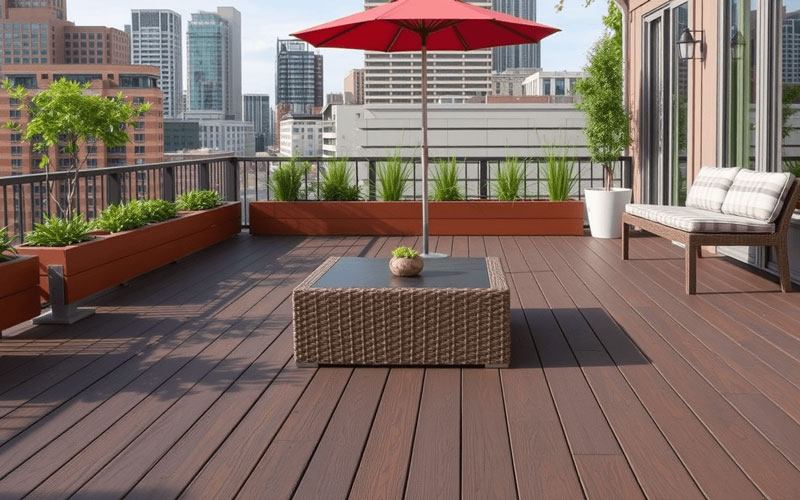
Factors Affecting WPC Board Price in Philippines
The price of WPC boards in the Philippines varies depending on several factors. Understanding these factors will help you make an informed decision and get the best value for your investment.
1. Material Composition
The ratio of wood fibers to plastic in WPC boards significantly affects the price. Boards with a higher wood content typically have a more natural wood appearance but may cost slightly more. Conversely, boards with higher plastic content are more resistant to water and termites but may have a less natural finish.
2. Board Type and Design
As mentioned earlier, solid, hollow, and co-extruded WPC boards differ in strength, durability, and manufacturing complexity. Solid and co-extruded boards usually have higher prices due to their enhanced properties.
3. Thickness and Size
The thickness and length of WPC boards directly influence the cost. Standard thicknesses range from 10mm to 25mm, while lengths typically vary from 2 meters to 4 meters. Thicker and longer boards offer greater stability and lifespan but will naturally cost more.
4. Surface Finish
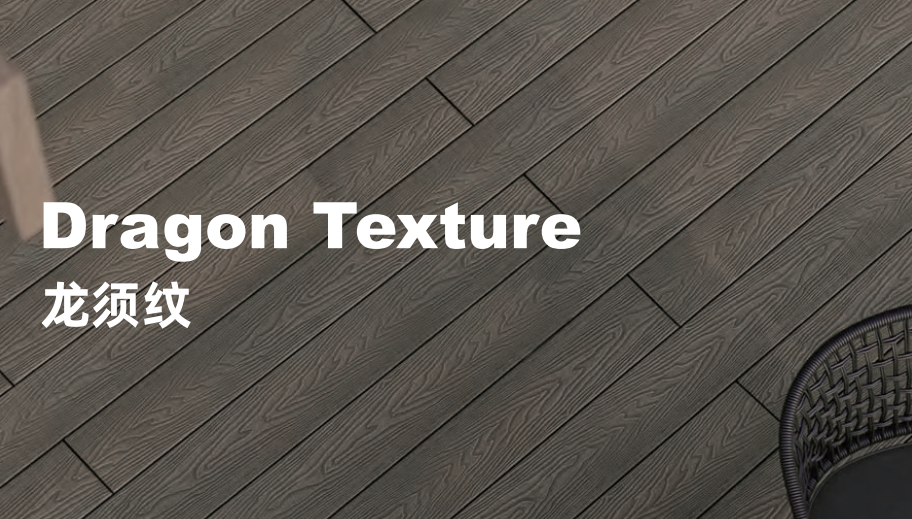
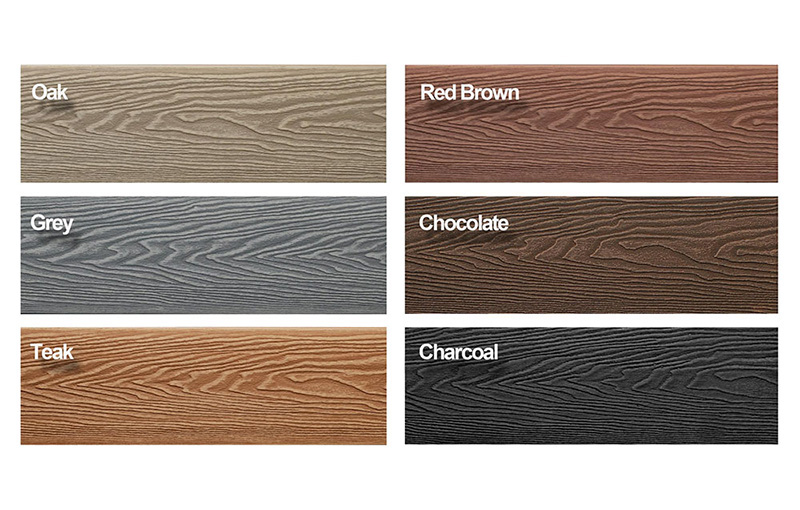
WPC boards come in a variety of finishes, including wood grain, matte, smooth, or textured surfaces. Premium finishes that mimic natural wood are generally more expensive, as they require additional processing and high-quality printing technology.
5. Brand and Quality
Well-known brands often charge more for their WPC boards due to consistent quality, warranty, and after-sales support. Cheaper, unbranded boards may save you money upfront, but they might have issues like warping, cracking, or shorter lifespans.
6. Local Supply and Demand
The WPC board price in Philippines can also fluctuate depending on market demand, availability, and import costs. Imported boards may carry higher prices due to shipping fees and customs duties, while locally manufactured boards may offer more competitive pricing.
Average WPC Board Prices in the Philippines
While prices vary according to type, size, and quality, here is a general idea of the current WPC board price in Philippines:
| Type of WPC Board | Thickness | Size (L x W) | Price Range (PHP) |
|---|---|---|---|
| Solid WPC Board | 20mm | 3000mm x 140mm | 1,200 – 1,800 per piece |
| Hollow WPC Board | 20mm | 3000mm x 140mm | 900 – 1,200 per piece |
| Co-Extruded WPC Board | 25mm | 3000mm x 145mm | 1,500 – 2,500 per piece |
Note: Prices are indicative and may vary depending on the supplier, location, and market conditions.
Advantages of WPC Boards
Understanding the advantages of WPC boards will help justify their cost and convince you why they are worth the investment.
1. Durability and Longevity
WPC boards are highly resistant to rot, termites, and weather damage. In the humid and rainy climate of the Philippines, this makes them more durable than traditional wood. Properly installed WPC decking or fencing can last up to 25 years with minimal maintenance.
2. Low Maintenance
Unlike natural wood, which requires regular sanding, staining, and sealing, WPC boards are easy to maintain. Occasional cleaning with soap and water is usually sufficient to keep them looking new.
3. Eco-Friendly Material
Many WPC boards are manufactured using recycled wood fibers and plastics, reducing the environmental impact. Choosing WPC boards contributes to sustainable construction practices.
4. Aesthetic Appeal
WPC boards are available in various colors, textures, and finishes. They mimic the appearance of natural wood, offering a warm and elegant look without the drawbacks of real timber.
5. Water and Termite Resistance
WPC boards are highly resistant to water absorption, making them suitable for outdoor applications such as decking, fencing, and garden furniture. They are also immune to termite damage, a common problem in tropical regions.
6. Versatility
WPC boards can be used for a wide range of applications, including:
Outdoor decking
Garden fencing
Wall cladding
Pergolas and gazebos
Outdoor furniture
Partition walls
Factors to Consider Before Buying WPC Boards in Philippines
Before purchasing WPC boards, consider the following factors to ensure you get the right product at a reasonable WPC board price in Philippines:
1. Intended Use
Determine whether you need boards for decking, fencing, or wall cladding. Solid boards are preferable for high-traffic areas, while hollow or co-extruded boards may be sufficient for decorative applications.
2. Budget
Set a realistic budget considering the size of your project. Remember that investing in higher-quality boards can save you money in the long run due to their durability and low maintenance.
3. Supplier Reputation
Purchase WPC boards from reputable suppliers or manufacturers. They usually provide warranties and after-sales support, ensuring peace of mind.
4. Local Climate
Consider the Philippine climate when choosing board type and surface finish. UV-resistant and water-resistant boards are ideal for areas exposed to direct sunlight and rain.
5. Installation Requirements
Check whether the supplier provides installation services or guidance. Proper installation is crucial for maximizing the lifespan of WPC boards.
Tips to Get the Best WPC Board Price in Philippines
Here are some tips to help you get the best value for your money:
1. Compare Multiple Suppliers
Prices vary significantly between suppliers. Request quotes from at least 3-5 suppliers and compare their offerings, including board quality, size, and warranty.
2. Buy in Bulk
Purchasing WPC boards in bulk can reduce the per-unit price, especially for large-scale projects.
3. Check for Promotions
Some suppliers offer seasonal discounts or promotions, which can significantly lower the WPC board price in Philippines.
4. Consider Local Manufacturers
Locally produced boards often have lower shipping costs and shorter delivery times. They may also be better suited for the local climate.
5. Negotiate
Don’t hesitate to negotiate prices, especially for large orders. Many suppliers are willing to offer discounts for repeat customers or large purchases.
Common Applications of WPC Boards in Philippines
Understanding how WPC boards are commonly used can help you choose the right type and finish:
1. Outdoor Decking
WPC boards are ideal for outdoor decks due to their durability and resistance to moisture. They provide a safe, slip-resistant surface suitable for pools, patios, and gardens.
2. Fencing
Garden and property fencing with WPC boards offer long-lasting protection while maintaining aesthetic appeal. Unlike traditional wood, they do not warp or crack over time.
3. Wall Cladding
WPC wall panels enhance the exterior and interior appearance of buildings. They are lightweight, easy to install, and resistant to insects and moisture.
4. Furniture
WPC boards can be used to manufacture outdoor furniture such as benches, tables, and chairs. Their resistance to weathering ensures that the furniture lasts longer.
5. Pergolas and Gazebos
WPC boards provide structural strength and aesthetic appeal for pergolas and gazebos, adding a modern look to gardens and outdoor spaces.
Conclusion
The WPC board price in Philippines varies depending on type, size, material composition, and supplier. While solid and co-extruded boards are more expensive, they offer superior durability and low maintenance. Hollow boards are a cost-effective option for decorative purposes. By understanding the types, advantages, and factors affecting prices, you can make an informed decision for your project.
WPC boards offer excellent value due to their long lifespan, resistance to termites and water, eco-friendliness, and versatility. Whether you are planning outdoor decking, fencing, or interior wall cladding, WPC boards provide a modern, stylish, and durable solution for any construction or renovation project in the Philippines.
When shopping for WPC boards, always compare multiple suppliers, consider local manufacturers, and choose the right type and finish based on your specific needs. Doing so will ensure you get the best quality boards at a reasonable WPC board price in Philippines, making your investment both practical and aesthetically pleasing for years to come.