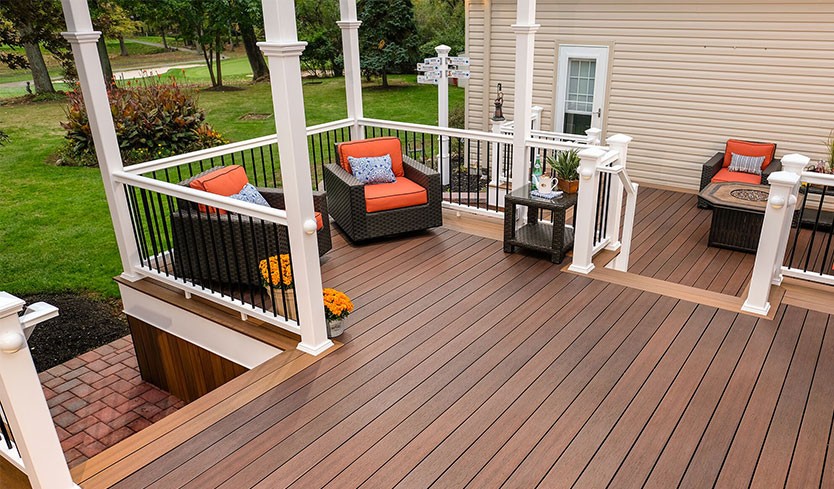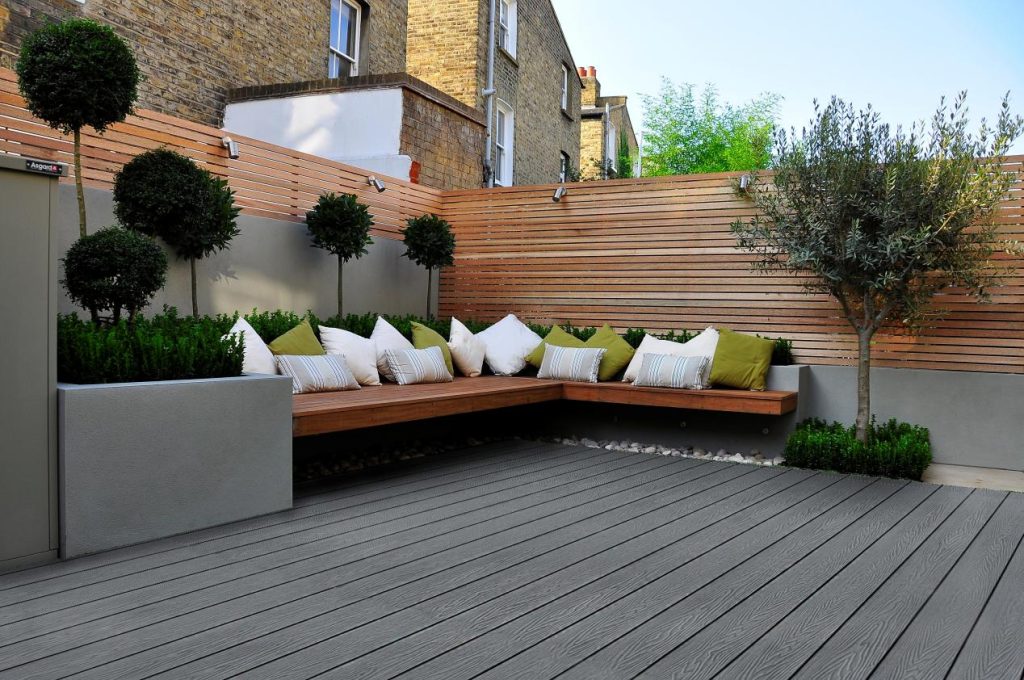
When it comes to constructing a high-quality outdoor deck, the foundation plays a crucial role in determining both longevity and structural integrity. WPC decking joists have emerged as a game-changer in this field, offering durability, ease of installation, and compatibility with various decking systems. Unlike traditional wooden joists, WPC (Wood Plastic Composite) joists are engineered to withstand environmental stress, resist decay, and support the weight of decking materials over extended periods, making them ideal for both residential and commercial applications.
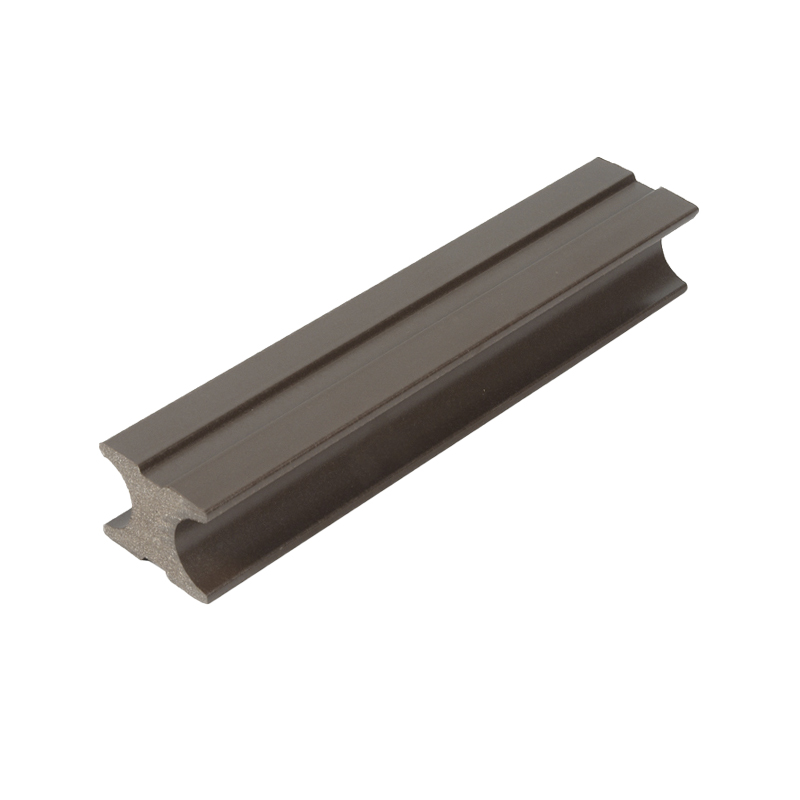
Table of Contents
Advantages of WPC Decking Joists
Excellent Resistance to Moisture and Rot
WPC joists are engineered to withstand rain, humidity, and moisture without rotting, unlike natural timber. This makes them ideal for outdoor decks exposed to varying weather conditions.Warping, Cracking, and Insect Resistance
The composite structure prevents warping and cracking caused by temperature changes, and it is not susceptible to termite or insect damage, ensuring long-term structural stability.UV and Weather Durability
WPC joists maintain strength and appearance under prolonged UV exposure and harsh climates, reducing maintenance and prolonging the deck’s lifespan.Consistent Dimensions and Easy Installation
Manufactured with precise size and uniformity, WPC joists provide a level surface, simplify alignment, and allow faster, easier installation compared to timber.Improved Load Distribution and Safety
The uniformity of WPC joists ensures even weight distribution, supporting heavy furniture and gatherings without sagging, while creating a safe, visually appealing deck surface.
Installation Considerations for WPC Decking Joists
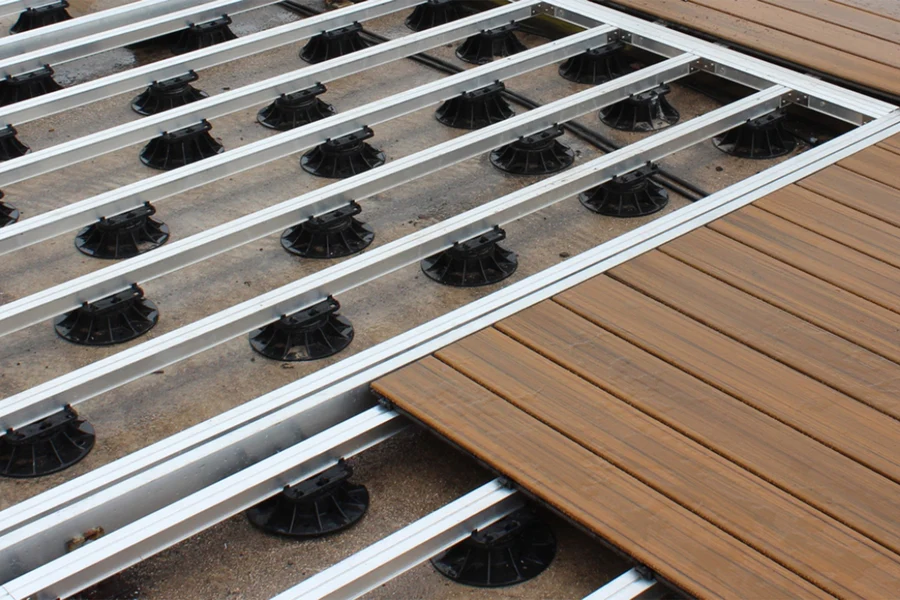
Installing WPC decking joists requires careful planning to maximize both performance and longevity. The spacing between joists is a critical factor. Depending on the type of decking boards and expected load, the standard spacing usually ranges from 12 inches to 16 inches. Proper spacing ensures that decking boards do not sag over time while allowing adequate ventilation underneath the deck, which is essential to prevent moisture accumulation and potential mold growth.
Another key consideration is the orientation and support of WPC joists. They should be installed perpendicular to the decking boards to provide optimal support. In areas with uneven terrain, it is advisable to use adjustable joist supports or pedestals to maintain a level deck surface. This approach minimizes stress on the joists and helps maintain structural integrity over time.
Fastening is also an important aspect of WPC joist installation. Specialized screws and clips designed for WPC materials provide secure attachment without causing damage to the joists. Additionally, the expansion and contraction properties of WPC materials under temperature fluctuations should be accounted for during installation. Allowing for slight gaps between boards and joists helps prevent buckling and ensures long-term performance.

Material Selection and Quality Factors
Selecting the right WPC joists is critical to ensuring a durable and long-lasting deck. Not all WPC joists are created equal, and quality can vary significantly between manufacturers.
1. Composition Matters
High-quality joists are made from a precise blend of wood fibers and plastic polymers, often enhanced with UV stabilizers and anti-fungal additives. This combination improves structural strength, weather resistance, and overall longevity, allowing the joists to perform well in outdoor environments year-round.
2. Density Considerations
Density plays a vital role in the performance of WPC joists. High-density joists are stronger, more rigid, and better able to support heavy decking boards, furniture, or frequent foot traffic, making them suitable for large residential or commercial decks. Lower-density joists may be more cost-effective but can be prone to bending or deflection under high stress, which may compromise long-term deck stability.
3. Matching Joists to Project Needs
Careful evaluation of your deck’s size, load requirements, and environmental conditions is essential. Choosing the right material and density ensures optimal performance, reduces maintenance issues, and extends the life of your outdoor deck.
Environmental and Sustainability Benefits
The shift to WPC decking joists also aligns with environmental sustainability goals. These joists often incorporate recycled plastics and reclaimed wood fibers, reducing the demand for virgin timber and minimizing environmental impact. Furthermore, WPC materials are recyclable at the end of their service life, providing a more eco-friendly alternative to traditional wood decking structures.
In addition, WPC joists require minimal maintenance, which reduces the need for chemical treatments such as preservatives, paints, or stains. This not only lowers maintenance costs but also reduces potential exposure to harmful chemicals for homeowners and the surrounding environment.
Maintenance Tips for WPC Decking Joists
Although WPC joists are low-maintenance compared to timber, proper care can extend their lifespan and maintain the deck’s aesthetic appeal. Regular cleaning with mild soap and water helps remove dirt, leaves, and other debris that may accumulate between joists. For stubborn stains, non-abrasive brushes or cloths are recommended to prevent surface scratches.
Periodic inspections of the joist structure are also important. Check for signs of deformation, loose fasteners, or uneven decking boards. Early detection of potential issues allows for timely adjustments, preventing more significant problems in the future. In areas with heavy rainfall or high humidity, ensuring adequate drainage and ventilation beneath the deck helps protect WPC joists from prolonged moisture exposure.
Innovations in WPC Joist Design
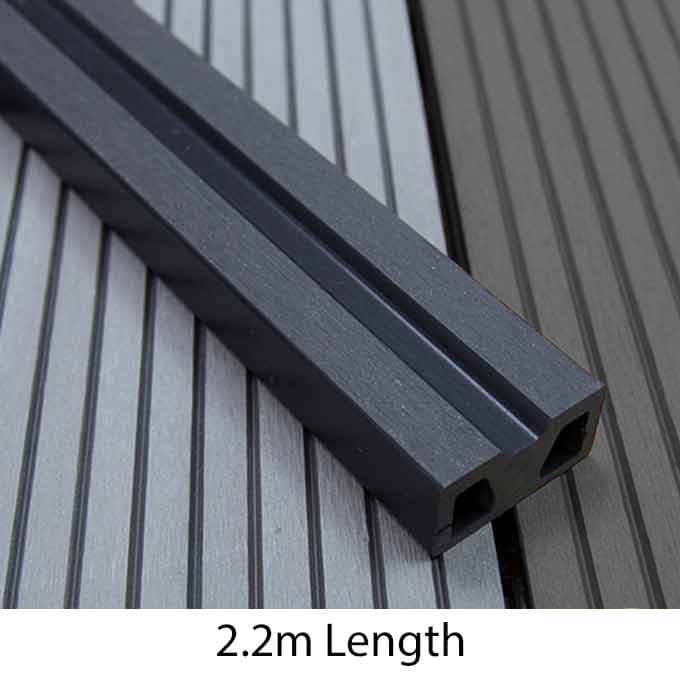
Modern WPC decking joists have evolved significantly in terms of design and functionality. Some manufacturers offer hollow-core joists, which reduce material usage while maintaining structural strength. These hollow designs also provide channels for wiring or drainage, enhancing the versatility of the deck. Solid WPC joists, on the other hand, offer maximum load-bearing capacity and are often preferred in commercial or high-traffic applications.
Advanced surface treatments are also being applied to WPC joists to improve UV resistance and color retention. This means decks retain their original appearance longer, reducing the need for surface refinishing or replacement.
Cost Considerations and Long-Term Investment
Investing in WPC joists may involve a higher upfront cost compared to traditional timber, but evaluating the total lifecycle cost reveals their true value.
1. Lower Maintenance and Repair Costs
WPC joists require minimal maintenance, as they are resistant to rot, insect damage, and warping. This reduces the need for frequent repairs, repainting, or replacement, ultimately saving homeowners both time and money over the deck’s lifespan.
2. Durability and Longevity
The engineered strength and weather resistance of WPC joists ensure that outdoor decks remain structurally sound for many years. Even in harsh climates or areas with heavy foot traffic, these joists maintain performance, reducing long-term expenditure compared to timber, which may deteriorate faster.
3. Added Property Value
A well-constructed deck using high-quality WPC joists can enhance the aesthetic appeal and functionality of a property. Outdoor spaces built to last attract potential buyers and improve overall market value, making WPC joists not just a material choice but a strategic investment.
4. Cost-Effectiveness Over Time
While the initial price may be higher, the combination of durability, low maintenance, and property value enhancement ensures that WPC joists provide excellent return on investment, proving more cost-effective than timber over the long term.
Compatibility with Various Decking Boards
One of the strengths of WPC decking joists is their compatibility with a wide range of decking boards. Whether using traditional WPC boards, composite boards, or even tropical hardwood alternatives, these joists provide consistent support and help maintain the structural alignment of the deck. This adaptability allows homeowners to choose their preferred decking style without compromising on durability or safety.
Moreover, WPC joists can be integrated with hidden fastener systems, which provide a clean, modern finish without visible screws or nails. This not only improves aesthetics but also reduces potential trip hazards and simplifies the cleaning process.
Real-World Applications
The versatility of WPC joists makes them suitable for various outdoor settings. Residential decks, garden patios, poolside terraces, and rooftop gardens all benefit from the durability and low maintenance of WPC joists. Commercial applications, such as restaurant terraces, public walkways, and hotel balconies, also find value in the long-term performance and resistance of WPC materials to heavy foot traffic and harsh weather conditions.
In coastal areas, WPC joists are particularly advantageous due to their resistance to saltwater corrosion and high humidity. This property ensures that decks near the sea maintain their structural integrity and aesthetic appeal over time.
Conclusion
For anyone planning to build or renovate an outdoor deck, investing in WPC decking joists offers numerous benefits that extend beyond mere structural support. From durability, resistance to environmental stressors, and low maintenance to compatibility with various decking boards and sustainable material use, WPC joists provide a comprehensive solution for modern outdoor spaces. Careful installation, quality material selection, and routine maintenance further enhance their performance, ensuring that decks remain safe, beautiful, and functional for years to come. As outdoor living continues to gain popularity, choosing the right joists becomes an essential factor in achieving a long-lasting and visually appealing deck.
By integrating WPC joists into your deck design, you ensure a foundation that can handle both the demands of everyday use and the challenges posed by weather, all while contributing to a sustainable and eco-friendly construction approach. The combination of engineering precision, environmental consciousness, and practical benefits makes WPC decking joists a smart choice for homeowners and contractors alike.