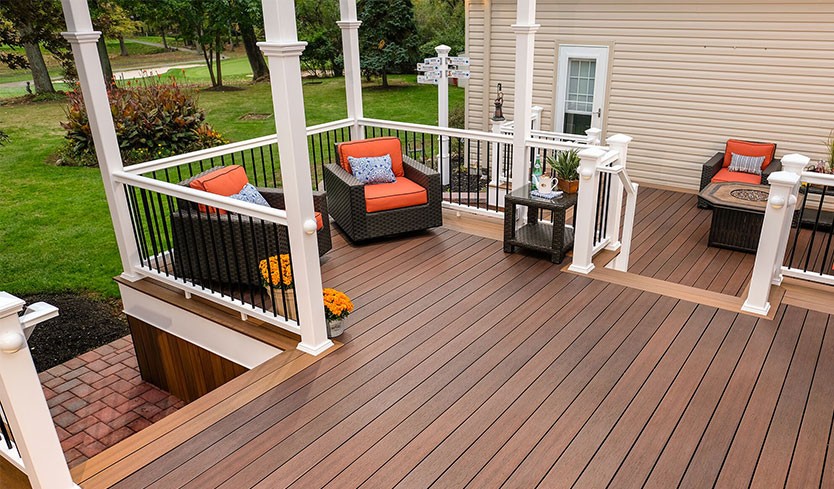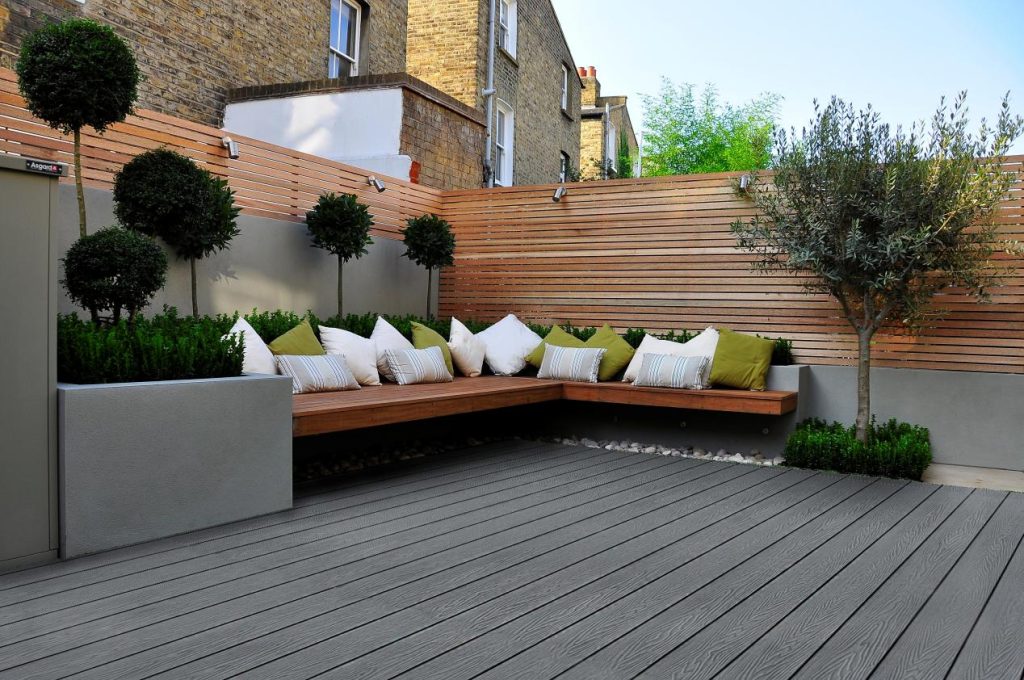
When it comes to choosing the perfect decking material for your outdoor spaces, the options can be overwhelming. Among the most popular choices are WPC (Wood-Plastic Composite) decking and Conwood decking. Both offer unique benefits and are designed to enhance the aesthetic appeal, functionality, and longevity of your outdoor areas. In this article, we’ll compare these two materials in terms of composition, durability, maintenance, appearance, and cost, helping you make an informed decision for your next outdoor project.
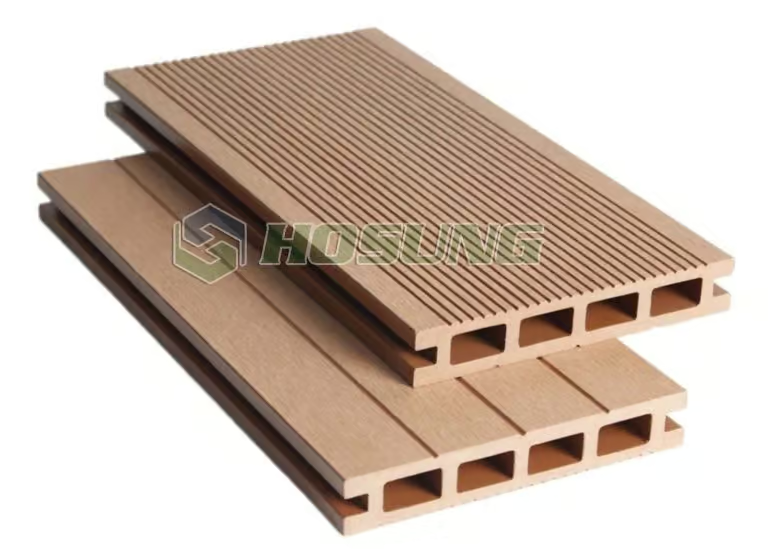
Table of Contents
Introduction to WPC Decking
WPC decking is a popular choice for modern outdoor spaces due to its composite nature, blending the strength and durability of wood with the versatility and low maintenance of plastic. The material consists primarily of wood fibers and plastic polymers, which are fused together to create a sturdy, weather-resistant product. WPC decking is available in a wide range of styles, textures, and colors, making it a versatile option for any outdoor design.
Advantages of WPC Decking
- Durability: WPC decking is engineered to withstand the elements, including UV rays, moisture, and temperature fluctuations. It is resistant to cracking, warping, and splintering, which are common issues with traditional wood decking.
- Low Maintenance: Unlike natural wood, WPC decking does not require regular staining, sealing, or painting. It can be easily cleaned with soap and water, making it a low-maintenance option for homeowners.
- Eco-Friendly: Since WPC decking is made from recycled wood fibers and plastic, it is an environmentally friendly alternative to traditional timber decking.
Disadvantages of WPC Decking
- Cost: WPC decking can be more expensive upfront compared to traditional wood, though it may save money in the long run due to its low maintenance costs.
- Expansion and Contraction: While WPC decking is more stable than natural wood, it can still expand or contract with significant changes in temperature.
Introduction to Conwood Decking
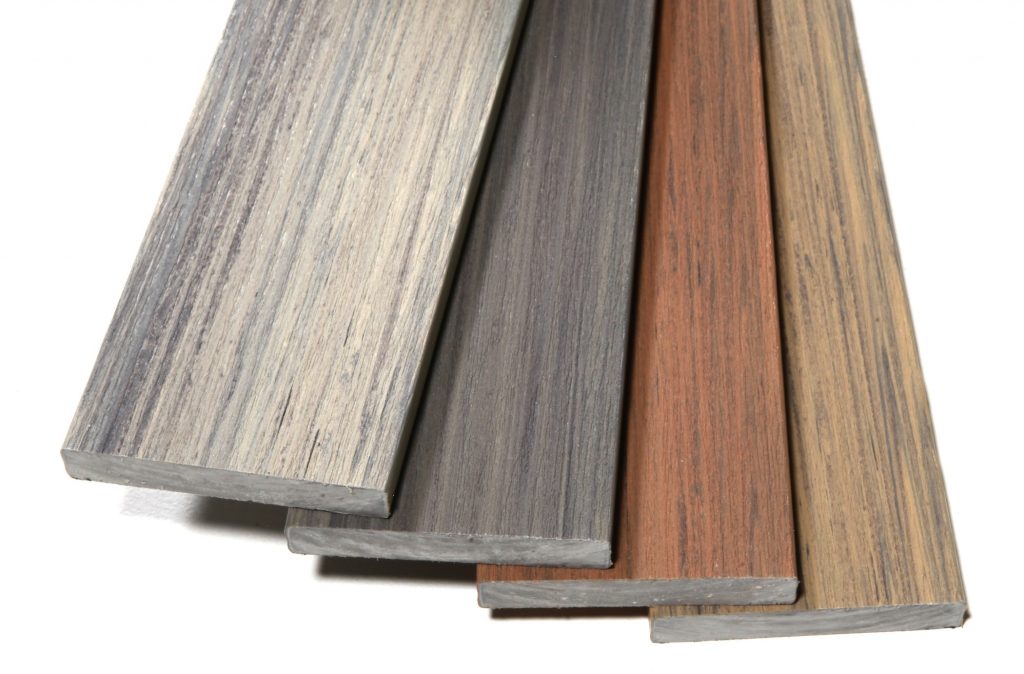
Conwood is a specific type of composite wood material, known for its resistance to the harsh conditions of outdoor environments. Made primarily from wood fibers and a special kind of plastic, Conwood is designed to offer the aesthetics of natural wood with enhanced durability and minimal maintenance. The material is often praised for its natural look and strong performance in various environmental conditions.
Advantages of Conwood Decking
- Natural Look: Conwood is designed to mimic the appearance of natural wood while offering the benefits of composite material. It is often selected for its realistic wood grain texture.
- Weather Resistance: Conwood decking is highly resistant to moisture, UV radiation, and temperature fluctuations, which makes it suitable for a wide range of outdoor applications.
- No Splinters or Cracking: Conwood decking is made to eliminate the issues commonly found in natural wood, such as splinters, cracks, or splitting.
- Fire Resistance: Some Conwood decking products are designed to offer fire-resistant properties, which adds a layer of safety, especially in areas prone to wildfires.
Disadvantages of Conwood Decking
- Limited Color Options: While Conwood offers a variety of colors, the range is generally more limited compared to WPC decking, which may be a downside for those seeking a more personalized aesthetic.
- Hardness: While Conwood decking is durable, it tends to be harder than WPC decking, which might be a concern if you prefer a softer underfoot feel.
Composition and Manufacturing Process
WPC Decking
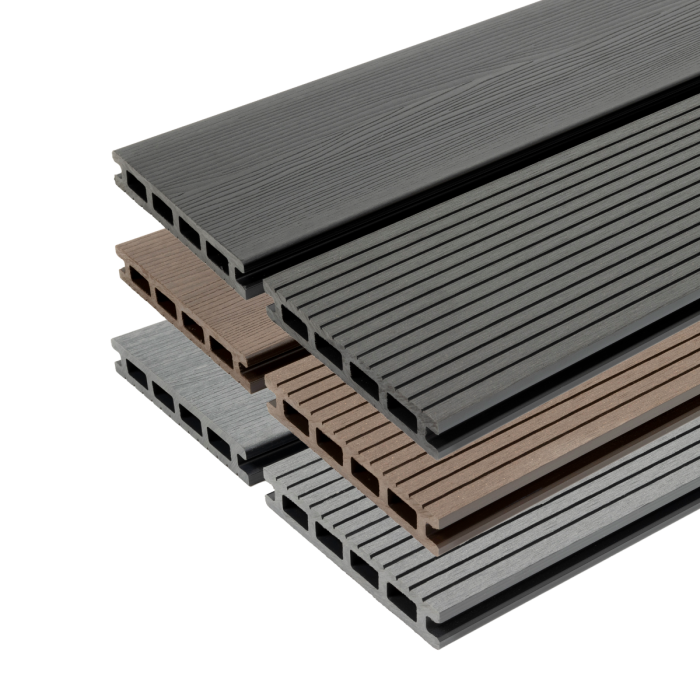
The manufacturing process of WPC decking involves mixing wood fibers (often sawdust or wood flour) with plastic polymers such as polyethylene (PE) or polyvinyl chloride (PVC). The resulting blend is then heated, extruded, and molded into decking boards. The composite material is designed to have the natural appearance of wood, but with the added strength and durability of plastic.
Key components of WPC decking:
- Wood fibers: Typically sourced from recycled wood, these fibers provide the material with its natural look and texture.
- Plastic polymers: These plastics improve the decking’s resistance to moisture, insects, and weathering.
- Additives: Various chemicals may be added to enhance the material’s strength, color retention, and resistance to UV rays.
Conwood Decking
Conwood, on the other hand, is produced through a process that involves extruding a mixture of wood fibers and high-quality polymers. The combination of these materials gives Conwood its durability and wood-like appearance. Unlike WPC decking, Conwood may also incorporate mineral additives to increase fire resistance and improve structural integrity.
Key components of Conwood decking:
- Wood fibers: Like WPC decking, Conwood contains wood fibers, providing a natural aesthetic.
- High-quality plastic: Conwood uses specially engineered plastic to increase durability, moisture resistance, and UV protection.
- Mineral additives: These are sometimes incorporated for enhanced fire resistance and overall strength.
Durability and Weather Resistance
WPC Decking
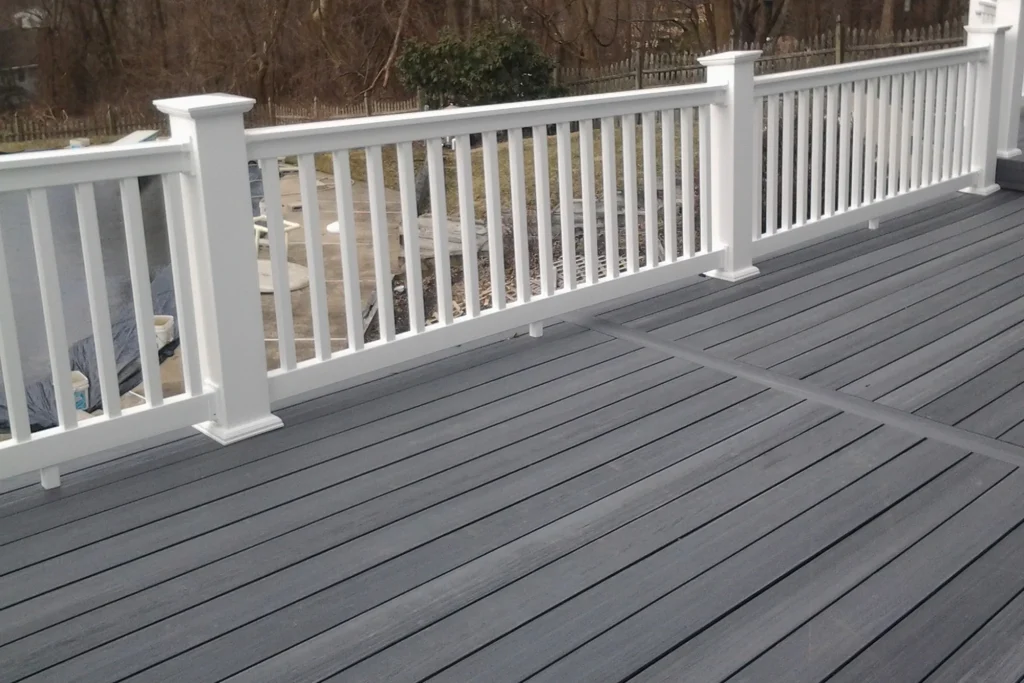
One of the most significant advantages of WPC decking is its durability. The combination of wood fibers and plastic gives the material superior resistance to moisture, mold, insects, and rot. Additionally, many WPC products are treated with UV inhibitors to prevent color fading under the sun’s rays.
WPC decking can also endure extreme temperature fluctuations, making it ideal for climates with harsh winters or scorching summers. However, temperature-induced expansion and contraction can sometimes cause slight warping or buckling, though this is generally minimal.
Conwood Decking
Conwood decking is designed to perform exceptionally well in all types of weather conditions. Thanks to the special polymer and mineral additives used in its production, Conwood decking is highly resistant to water damage, UV rays, and extreme temperatures. The material is also engineered to resist warping, cracking, and splitting, even when exposed to heavy rain, snow, or intense sunlight.
Conwood’s fire-resistant properties further enhance its durability, making it an excellent choice for fire-prone areas. Unlike traditional wood, which is prone to catching fire, Conwood is designed to withstand heat and flames without compromising its structural integrity.
Maintenance Requirements
WPC Decking
WPC decking is well-known for its low maintenance nature. Unlike natural wood, which requires regular staining, sealing, and re-finishing, WPC decking only needs occasional cleaning to maintain its appearance. A simple wash with soap and water is usually sufficient to keep the boards looking new.
However, it’s important to note that while WPC decking is relatively low-maintenance, it can still accumulate dirt, mold, or mildew in humid climates. Regular cleaning and occasional use of a mold inhibitor can help prevent this.
Conwood Decking
Conwood decking is similarly low-maintenance. It requires little more than occasional cleaning to remove debris, dirt, or stains. Conwood’s resistance to moisture and pests means you don’t have to worry about issues like rot, insect infestation, or the need for waterproofing treatments.
Since Conwood is resistant to fading and discoloration, it does not require re-staining or sealing. Just like WPC decking, Conwood is designed to remain functional and attractive for many years with minimal upkeep.
Aesthetic Appeal
WPC Decking
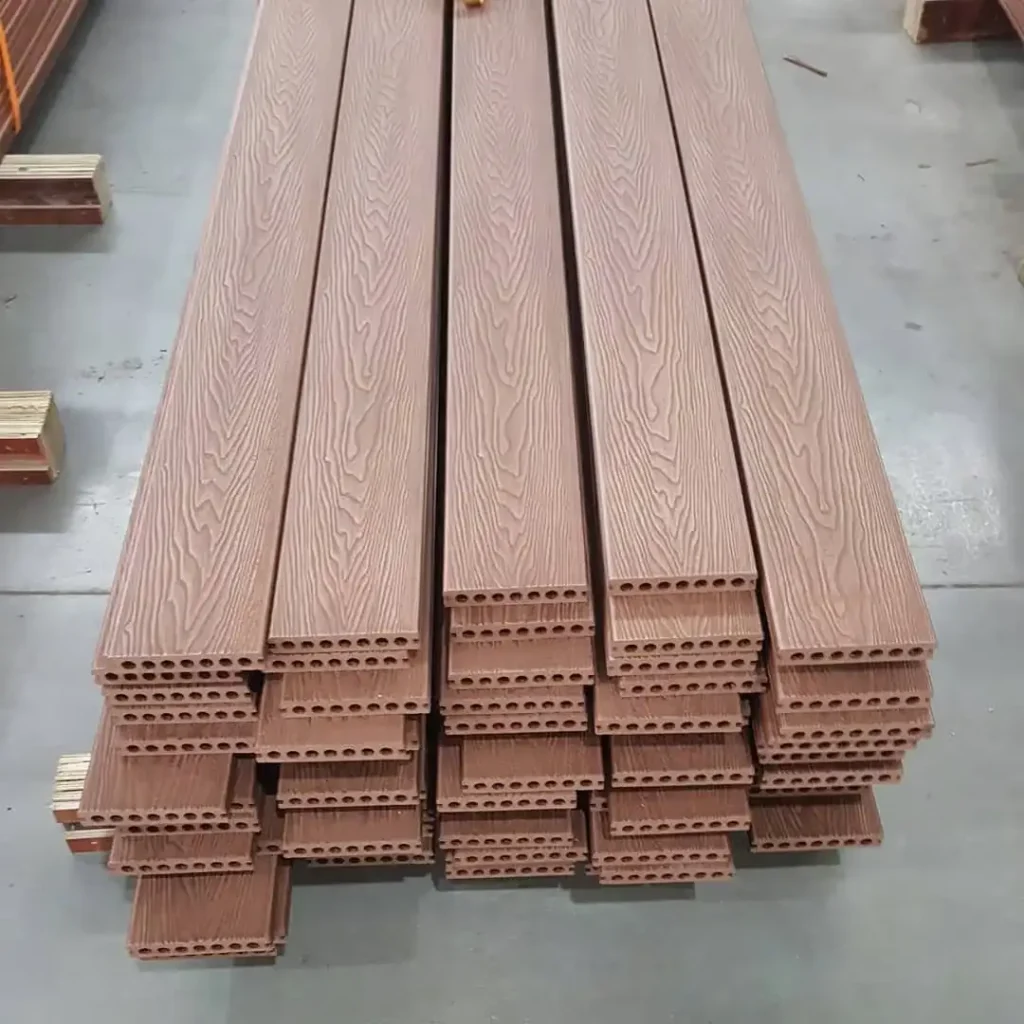
WPC decking is available in a wide range of colors, textures, and designs, making it easy to match your decking with the overall aesthetic of your outdoor space. Whether you prefer a rich wood grain texture, a smooth finish, or a more modern look, WPC decking offers a variety of options. In addition, embossed patterns and deep textures can replicate the look of real wood, adding to its authenticity.
Conwood Decking
Conwood decking is designed to mimic the appearance of natural wood, but it typically has a more refined finish. The wood grain texture is often more subtle compared to some WPC products, giving it a smooth, sophisticated look. However, this may appeal more to those seeking a sleek, contemporary appearance rather than a traditional, rustic aesthetic.
While Conwood may have a more limited color range compared to WPC, it still offers several shades that emulate wood tones like cedar, mahogany, and cherry. Conwood’s realistic wood look makes it a popular choice for homeowners who want the appearance of wood without the associated maintenance.
Cost Comparison
WPC Decking
The cost of WPC decking can vary significantly depending on the brand, quality, and features such as added UV protection, anti-slip textures, or enhanced durability. Generally speaking, WPC decking tends to be more expensive upfront compared to traditional wood, but its low maintenance requirements and long lifespan make it a cost-effective choice over time.
Conwood Decking
Conwood decking is typically priced similarly to WPC decking, though it can sometimes be slightly more affordable due to its simpler manufacturing process. However, like WPC, Conwood is more expensive than traditional wood decking, particularly when factoring in the longevity and low-maintenance advantages.
Conclusion
Both WPC decking and Conwood decking offer excellent solutions for enhancing your outdoor spaces. While WPC decking excels in its variety of color options, textures, and eco-friendly benefits, Conwood decking stands out for its natural wood-like appearance, weather resistance, and fire resistance. When deciding between the two, it’s essential to consider factors such as budget, desired aesthetic, and maintenance preferences.
In the end, the choice between WPC decking and Conwood decking comes down to your specific needs and priorities. Both materials offer a durable, low-maintenance, and attractive decking solution that will enhance your outdoor living experience for years to come.