Menu Close
Close

WPC vs PVC Price: Comprehensive Comparison and Buying Guide

In the world of modern building materials, homeowners, architects, and contractors often face the question: WPC vs PVC price—which is better for your project? Both WPC (Wood Plastic Composite) and PVC (Polyvinyl Chloride) have carved a niche in construction, interior decoration, decking, and wall cladding applications. While they share some similarities, they are fundamentally different in composition, durability, appearance, and, most importantly, pricing. Understanding these differences is essential to make informed decisions for long-term value, maintenance, and aesthetics.
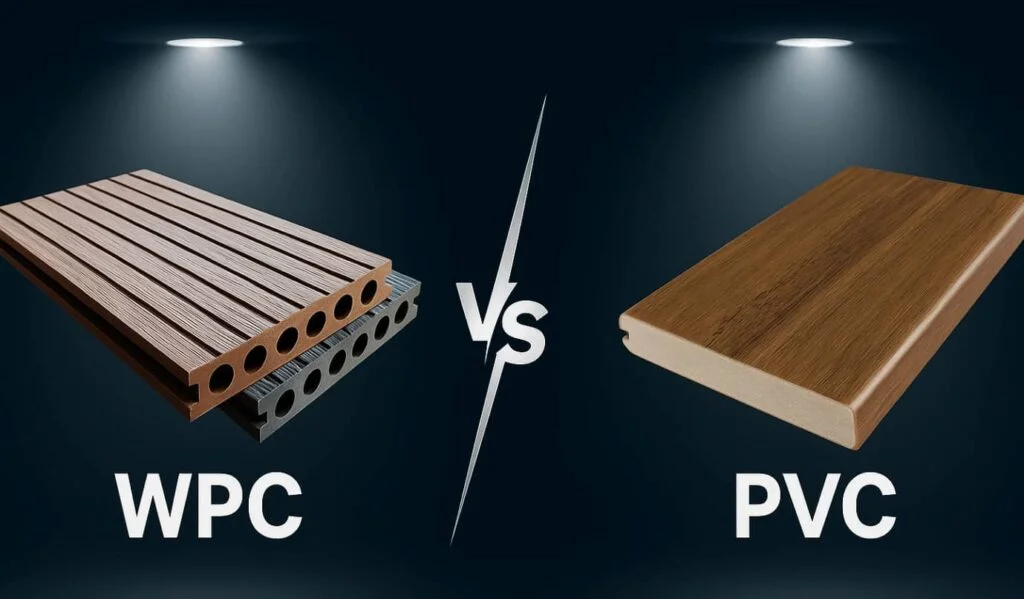
wpc vs pvc price

Table of Contents

In this article, we will provide an in-depth comparison of WPC vs PVC price, explore their key features, analyze their advantages and disadvantages, and provide practical advice for choosing the right material for your project. Whether you are a homeowner planning a deck, a contractor specifying wall panels, or a designer selecting interior materials, this guide will help you make a cost-effective and durable choice.

What Is WPC?

WPC, or Wood Plastic Composite, is a material made by combining natural wood fibers or sawdust with thermoplastics such as PVC, PE (polyethylene), or PP (polypropylene). The resulting material has the look and feel of wood but with improved durability, water resistance, and low maintenance.

Key Features of WPC

  • Wood-like Appearance: WPC can mimic the natural texture, color, and grain of wood, offering aesthetic appeal.

  • Durability: It resists rot, mold, and insect damage, unlike natural wood.

  • Water Resistance: With proper formulation, WPC can withstand outdoor exposure without swelling.

  • Low Maintenance: Requires no painting, staining, or sealing.

  • Eco-friendly Option: Often made from recycled plastics and wood fibers.

Common Applications

  • Decking for outdoor terraces

  • Garden furniture

  • Fencing

  • Wall cladding and ceiling panels

  • Doors and window profiles

WPC is popular for outdoor applications where wood would traditionally be used but requires a longer-lasting and low-maintenance alternative.

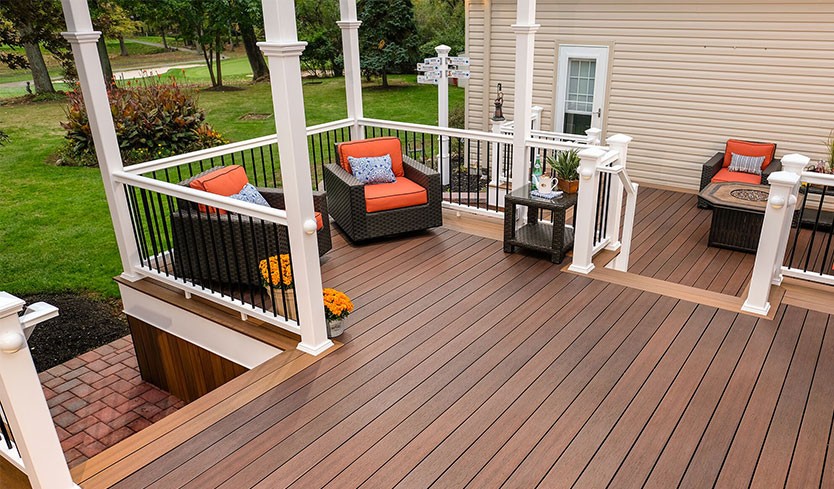
UltraShield Composite Decking vs 3D Embossed WPC Decking

What Is PVC?

PVC, or Polyvinyl Chloride, is a fully synthetic plastic material widely used in construction and home improvement. Unlike WPC, PVC contains no natural wood fibers. It is entirely made of chemical polymers, sometimes with added stabilizers, fillers, and colorants.

Key Features of PVC

  • Completely Synthetic: No wood fibers, meaning consistent performance without natural variations.

  • Waterproof: Excellent resistance to moisture, making it ideal for wet areas.

  • Chemical Resistance: Resists most acids, alkalis, and salts.

  • Lightweight and Easy to Install: Lighter than WPC, often easier to transport and handle.

  • Low Maintenance: Does not require painting or sealing.

Common Applications

  • Wall panels for kitchens, bathrooms, and commercial spaces

  • Pipes and fittings

  • Window frames and door profiles

  • Ceiling panels and decorative trims

  • Outdoor signage

PVC’s versatility and affordability make it a practical solution for both residential and commercial projects, especially where cost savings are a priority.

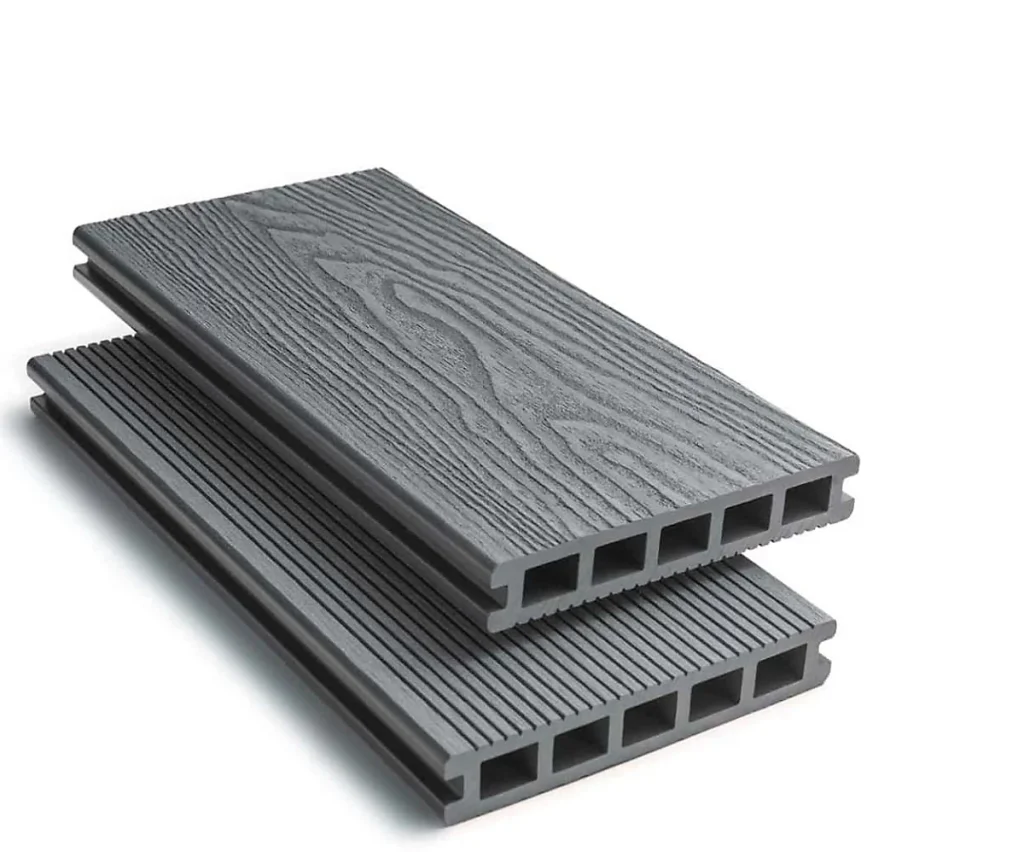
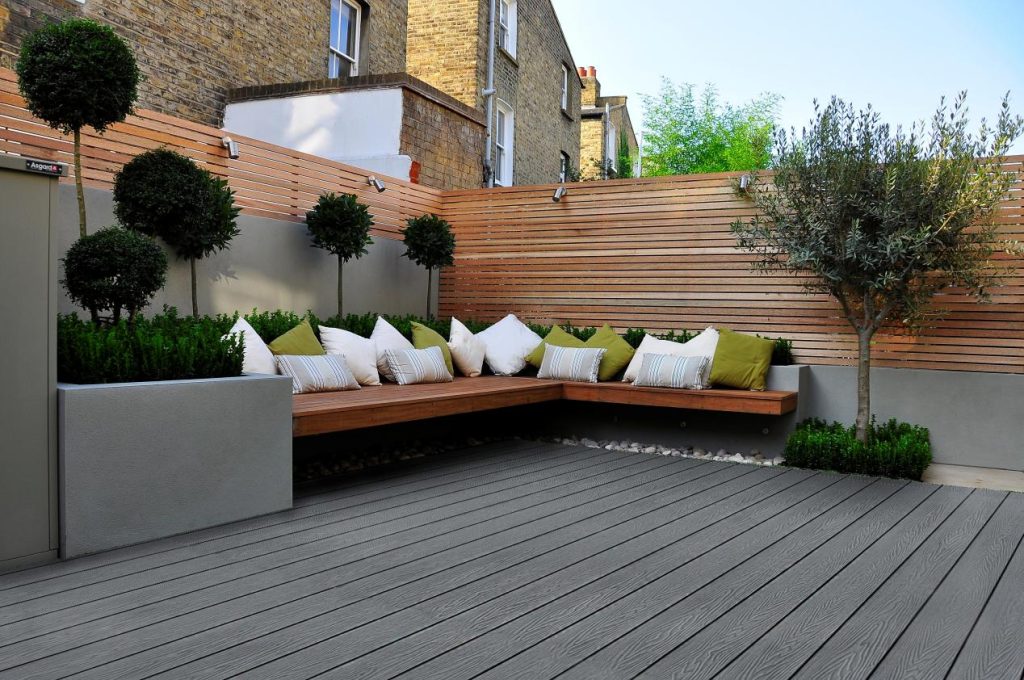
piso decking wpc

Composition and Material Differences

Understanding the composition of WPC and PVC helps explain the difference in price, durability, and performance.

FeatureWPCPVC
MaterialWood fibers + thermoplasticFully synthetic polymer
AppearanceWood-like texture and grainSmooth, glossy, or matte surface
WeightHeavier due to wood contentLighter
Water ResistanceGood but varies with wood ratioExcellent
Fire ResistanceModerateOften higher with additives
DurabilityLong-lasting, resistant to insects and rotLong-lasting, resists chemical corrosion
Eco-FriendlinessOften made with recycled materialsFully synthetic, recyclable in some cases

Insight: The addition of wood fibers in WPC adds texture and a natural look but slightly increases cost and weight. PVC is uniform and waterproof but lacks the natural wood aesthetics, which is why design preference often influences the choice beyond just price.

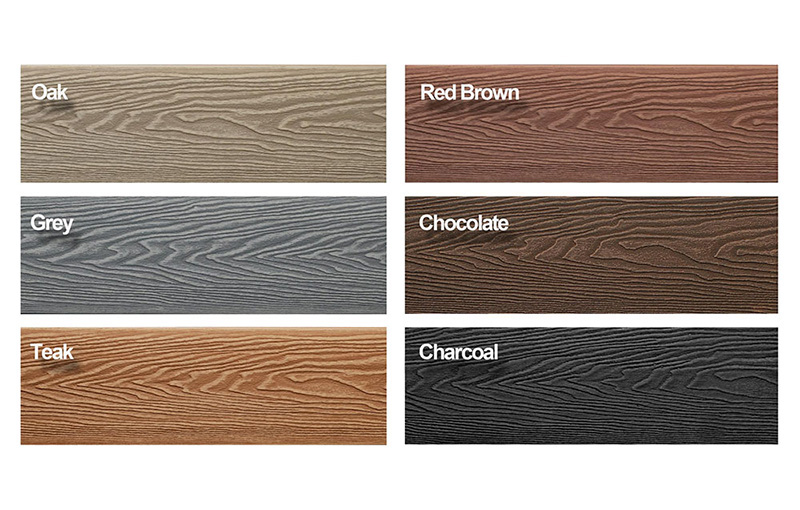
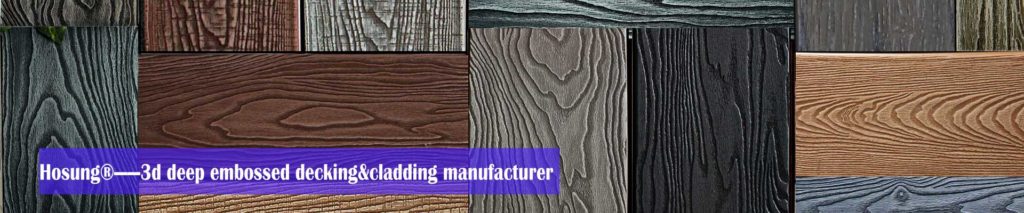
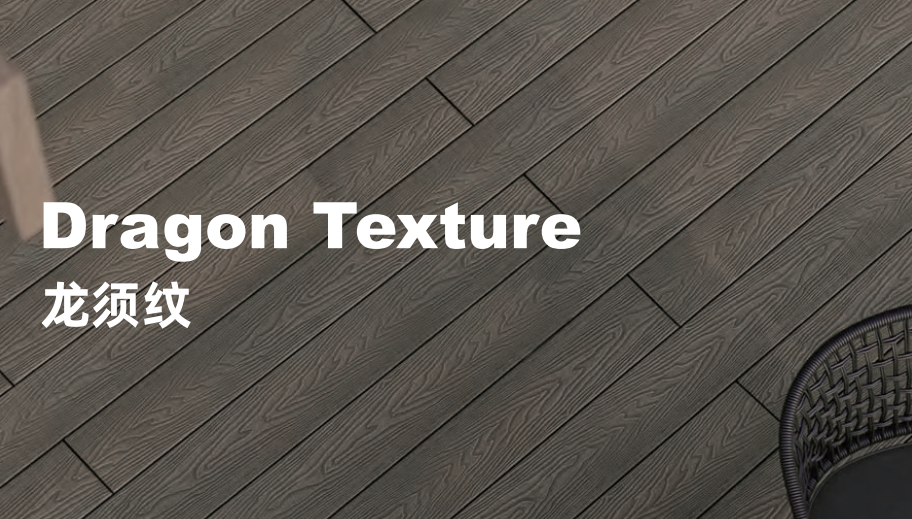
Color chart for Classic Series 3D Embossed products 1 wpc vs pvc price,WPC decking cost - HOSUNG WPC Composite

WPC vs PVC Price Analysis

One of the most critical factors when choosing between WPC and PVC is the cost per square meter or unit. The price depends on material quality, thickness, brand, and region.

4.1 Typical WPC Price

  • Basic WPC decking: $15 – $30 per square meter

  • Premium WPC boards with high wood content: $25 – $50 per square meter

  • Customized colors and finishes may add 10-20% to the base price

Factors affecting WPC price:

  • Wood Fiber Ratio: Higher wood content can increase aesthetic value but also cost.

  • UV and weather resistance additives: Enhance longevity but increase price.

  • Brand and origin: Imported or branded WPC is usually more expensive.

4.2 Typical PVC Price

  • PVC wall panels: $5 – $20 per square meter

  • PVC ceiling panels: $4 – $15 per square meter

  • PVC decking boards (less common): $10 – $25 per square meter

Factors affecting PVC price:

  • Thickness and density: Thicker boards cost more.

  • Surface treatment: Wood grain finish, color printing, or anti-slip coating may increase cost.

  • Quality and brand: Branded PVC often comes with warranties and better durability.

4.3 Price Comparison Summary

Generally, PVC is more affordable than WPC. However, the price difference is justified by:

  • WPC’s superior aesthetics

  • Wood-like texture and warmth

  • Environmental appeal and premium perception

Example: For a 100 m² outdoor deck, WPC may cost $2,500–$5,000, whereas PVC decking would be around $1,000–$2,500. While initial investment is higher for WPC, it may save long-term maintenance costs compared to low-end wood or untreated surfaces.

Durability and Maintenance Cost Considerations

While price is important, long-term cost efficiency should also guide your decision.

5.1 WPC Maintenance

  • WPC requires occasional cleaning with soap and water.

  • UV and weather-resistant coatings prevent fading.

  • Less prone to cracking or warping than natural wood.

  • Lifespan: 15–25 years for outdoor use.

5.2 PVC Maintenance

  • PVC panels need minimal maintenance.

  • Easy to clean with water or mild detergent.

  • Less susceptible to mold and insects.

  • Lifespan: 10–20 years depending on exposure and quality.

Insight: If comparing total cost of ownership, high-quality WPC may justify a higher upfront price due to longer lifespan, better aesthetics, and lower replacement frequency.

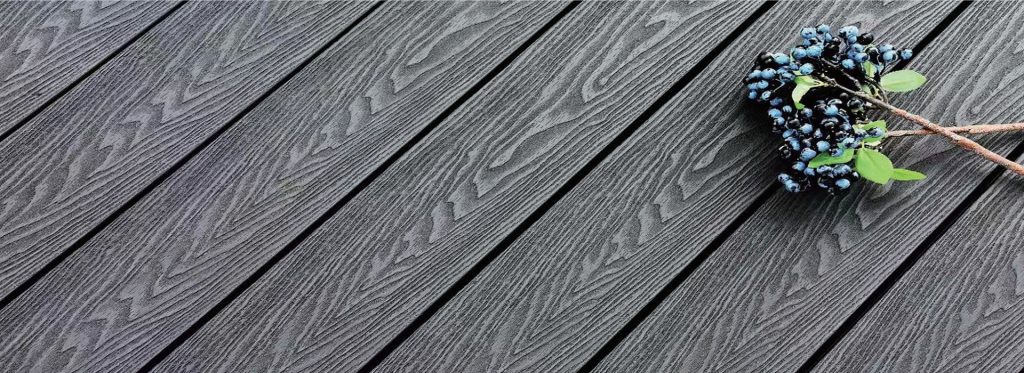
Hosung®——Chinas leading manufacturer of 3d deep embossed deckingcladding wpc vs pvc price,WPC decking cost - HOSUNG WPC Composite

Performance Comparison

FeatureWPCPVC
Aesthetic AppealWood-like, naturalSmooth or printed, less natural
Resistance to MoistureGoodExcellent
Fire ResistanceModerateOften higher with additives
Environmental ImpactCan use recycled contentFully synthetic, recyclable in some cases
Ease of InstallationHeavier, may require toolsLightweight, easier to handle
Comfort & WarmthWarmer feel underfootColder, plastic feel

Insight: If your project emphasizes luxury appearance and comfort, WPC is preferred. For cost-sensitive projects with high moisture exposure, PVC may be ideal.

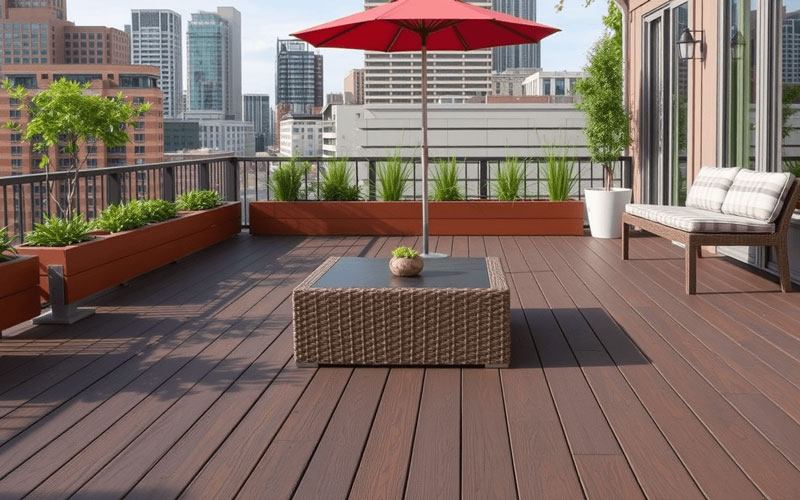
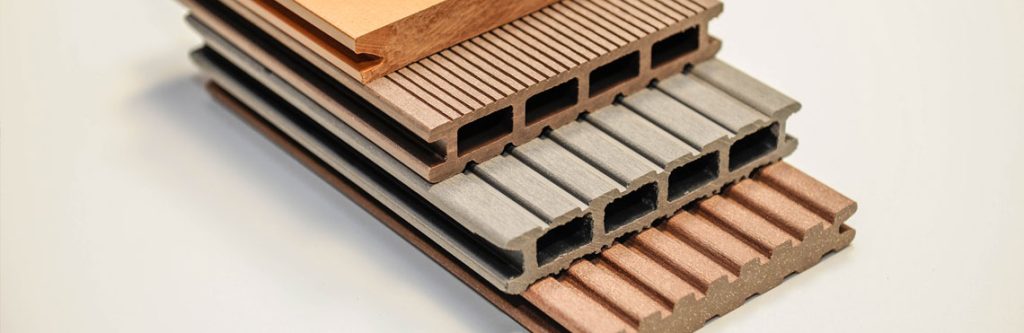
wpc decking price

Application Scenarios and Price Justification

7.1 Outdoor Decking

  • WPC is widely preferred for residential terraces and public spaces because it feels and looks like natural wood.

  • PVC is suitable for functional areas like poolside pathways or temporary structures due to lower cost.

7.2 Wall Panels

  • PVC is cost-effective, waterproof, and low-maintenance, making it ideal for bathrooms, kitchens, and commercial interiors.

  • WPC is less common indoors unless a wood-like texture is desired.

7.3 Furniture and Fencing

  • WPC provides better structural strength and aesthetics for garden furniture and fences.

  • PVC can be used for decorative fences but may feel less premium.

7.4 Sustainability Considerations

  • WPC can be made with recycled plastics and wood fibers, contributing to circular economy goals.

  • PVC production is fully synthetic but can be recycled in specialized facilities.

How to Choose Between WPC and PVC

When deciding between WPC vs PVC price, consider the following:

  1. Budget vs Quality: If the project has a tight budget, PVC is a safer choice. For premium projects, WPC offers better aesthetics and long-term durability.

  2. Intended Use: Outdoor decks or furniture benefit from WPC; bathrooms, kitchens, and industrial interiors are suited for PVC.

  3. Maintenance Willingness: WPC may need occasional cleaning to preserve color; PVC requires minimal care.

  4. Environmental Goals: WPC with recycled content may provide sustainability benefits.

  5. Weight and Handling: PVC is lighter and easier to transport.

  6. Aesthetic Preference: Choose WPC for a natural wood look and warm touch.

composite decking clearance sale canada

Common Misconceptions About WPC and PVC Pricing

  • “WPC is always too expensive.”
    True, WPC has a higher upfront cost, but it may save money over time due to durability.

  • “PVC is not durable.”
    High-quality PVC can last decades, especially indoors or in shaded areas.

  • “Only WPC looks premium.”
    Modern PVC panels can mimic wood grain and textures, though not as realistically as WPC.

  • “Maintenance costs are negligible.”
    Both materials require minimal maintenance, but WPC may benefit from occasional protective cleaning to extend aesthetics.

Tips for Cost-Effective Purchasing

  • Compare local suppliers and imported brands: Prices vary significantly by region.

  • Check product thickness and density: Higher density often means better performance but higher price.

  • Consider bundled pricing: Some suppliers include installation or finishing accessories.

  • Plan quantity carefully: Buying in bulk may reduce per-unit cost.

  • Ask about warranty: Longer warranty often reflects higher quality and lower risk of replacement costs.

WPC Board Price List

FAQs About WPC vs PVC Price

Q1: Is WPC always better than PVC?
A: Not necessarily. WPC is better for aesthetics and outdoor durability, while PVC is cost-effective and ideal for moisture-prone areas.

Q2: How much more expensive is WPC compared to PVC?
A: Typically, WPC costs 20-100% more per square meter depending on grade, wood content, and brand.

Q3: Can PVC decking be used outdoors?
A: Yes, high-quality PVC decking is weather-resistant but may feel less natural than WPC.

Q4: Which is easier to install, WPC or PVC?
A: PVC is generally lighter and easier to handle, making installation quicker for large projects.

Q5: Are there eco-friendly options for both?
A: WPC can be made with recycled plastics and wood fibers; PVC can be recycled but is less environmentally friendly in production.

Conclusion

Choosing between WPC vs PVC price requires balancing initial budget, desired aesthetics, durability, and long-term maintenance. WPC offers a premium wood-like appearance, long service life, and eco-friendly advantages, making it ideal for outdoor and high-end projects. PVC, on the other hand, is cost-effective, lightweight, waterproof, and low-maintenance, suitable for indoor spaces, wet areas, and budget-conscious applications.

Ultimately, your choice should reflect both functional requirements and financial planning. By understanding the differences in material composition, performance, and pricing, you can select the right solution that provides the best value over time.

Scroll to Top