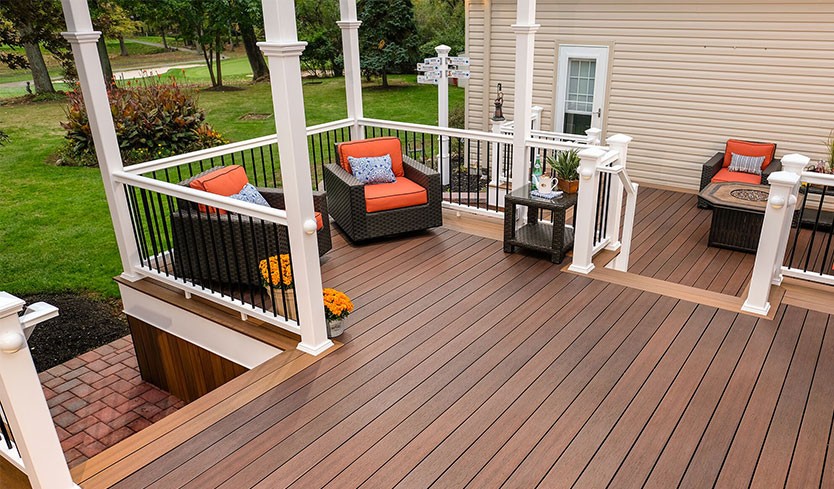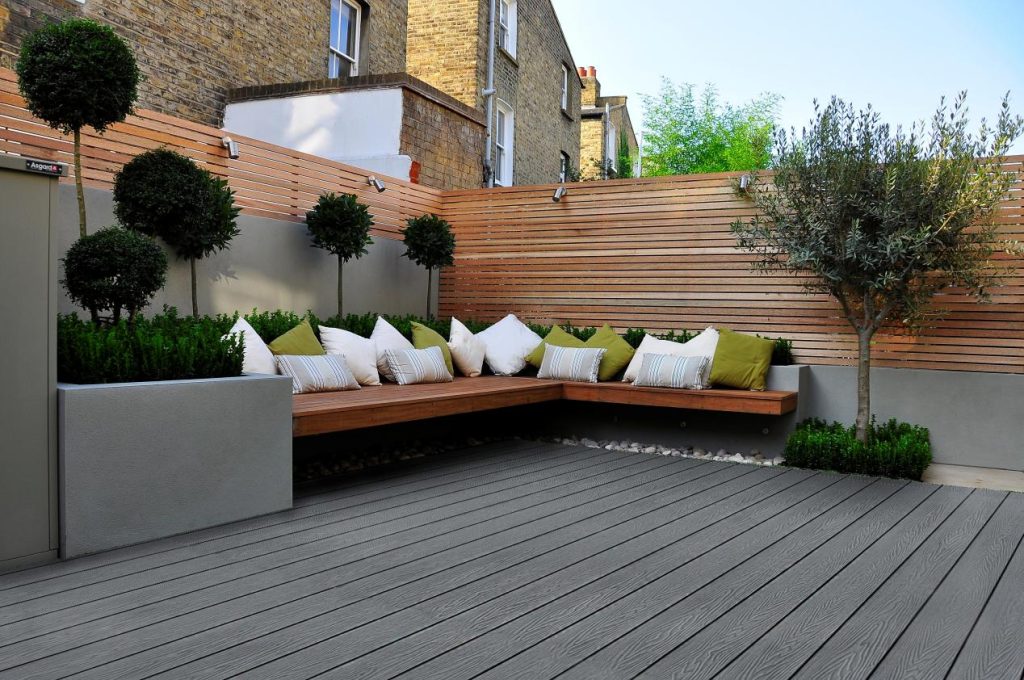
Composite decking has gained popularity in recent years for its durability, low maintenance, and aesthetic appeal. When it comes to installing composite decking on stairs, choosing the right type is essential for both safety and visual appeal. With several variations available, it’s important to understand the different types of composite decking materials and how each can be utilized for staircases. This article explores the various types of composite decking that are ideal for stairs, helping you make an informed decision for your next project. Lets’s find more about composite decking for stairs:
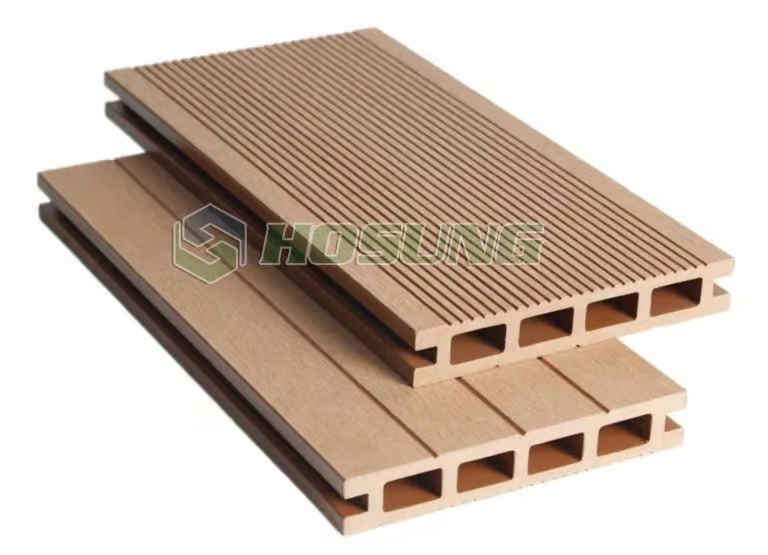
Table of Contents
Types of Composite Decking for Stairs
1. Wood-Plastic Composite (WPC) Decking
Wood-plastic composite (WPC) decking is one of the most commonly used types for stairs due to its blend of wood fibers and plastic. WPC decking offers the appearance of wood without the high maintenance associated with traditional timber decking. It is resistant to moisture, UV rays, and insects, making it an ideal choice for outdoor stairs exposed to various weather conditions.
Key Benefits:
- Durability: WPC decking can withstand harsh outdoor environments without deteriorating, splintering, or warping.
- Aesthetic Versatility: It is available in a variety of colors and textures, allowing for a more customized look.
- Low Maintenance: Unlike real wood, WPC decking does not require frequent sanding or staining, making it a low-maintenance option for stairs.
2. Capped Composite Decking
Capped composite decking takes WPC decking a step further by adding a protective layer (or cap) around the material. This cap is typically made from a polymer, which protects the core of the decking from moisture, stains, and fading. This type of composite decking is especially beneficial for stairs as it enhances the material’s resistance to wear and tear.
Key Benefits:
- Enhanced Protection: The cap layer provides additional protection against scratching, staining, and mold, ensuring the decking stays pristine longer.
- Improved Fade Resistance: Capped composite decking maintains its color over time, even under prolonged exposure to the sun.
- Better Performance in High-Traffic Areas: For stairs that experience frequent foot traffic, capped composite is an ideal choice due to its strength and resilience.
3. PVC Decking
PVC (polyvinyl chloride) decking is a fully synthetic decking option, made entirely from plastic. This type of composite decking is extremely resistant to moisture, making it perfect for stairs that may be exposed to rain or snow. PVC decking offers a smooth, uniform surface that is easy to clean and maintain.
Key Benefits:
- Waterproof: PVC decking is entirely waterproof, which makes it the best option for areas with frequent rainfall or high humidity.
- Low Maintenance: It doesn’t require sealing or staining, making it virtually maintenance-free.
- Resistance to Insects and Mold: PVC decking is impervious to insects and mold, preventing damage over time.
4. Bamboo-Composite Decking
Bamboo-composite decking is an innovative material that blends bamboo fibers with resin or plastic. This decking type is both eco-friendly and highly durable, making it an excellent choice for those looking to go green without sacrificing performance. It is often considered a more sustainable alternative to traditional wood-based composites.
Key Benefits:
- Eco-Friendly: Bamboo is a rapidly renewable resource, making this type of composite decking an environmentally conscious choice.
- High Durability: Bamboo composites are naturally resistant to water, decay, and insects.
- Unique Aesthetic: The bamboo fibers create a distinctive look that combines the elegance of wood with modern design.
5. High-Density Polyethylene (HDPE) Decking
High-density polyethylene (HDPE) decking is another synthetic material used in composite decking. HDPE is often recycled from plastic bottles and other waste materials, making it an environmentally friendly option. This type of decking offers impressive durability and a low-maintenance surface ideal for stairs.
Key Benefits:
- Environmentally Friendly: HDPE is typically made from recycled plastics, offering a sustainable option for those looking to reduce waste.
- Weather-Resistant: HDPE decking holds up well against the elements, including sun exposure, rain, and freezing temperatures.
- Low Friction Surface: The smooth, low-friction surface of HDPE decking reduces the risk of slips, which is particularly important for stair safety.
6. Scrapwood Composite Decking
Scrapwood composite decking combines recycled wood fibers with other materials to create a durable and sustainable option for outdoor stairs. This decking style is perfect for environmentally conscious homeowners who want a robust, long-lasting solution for their stairs.
Key Benefits:
- Sustainable Manufacturing: Made from scrap wood fibers and recycled plastics, this decking is a great option for eco-friendly construction projects.
- Natural Appearance: Scrapwood composite decking offers the visual appeal of real wood with the added benefit of being much more durable and weather-resistant.
- Affordable: Compared to other types of composite decking, scrapwood decking is typically more budget-friendly, making it an attractive option for large projects.
7. Co-extruded Composite Decking
Co-extruded composite decking involves the application of an additional layer of protection around the core material during the manufacturing process. This protective layer is designed to improve the material’s resistance to stains, scratches, and other types of damage, making it highly suitable for high-traffic areas like stairs.
Key Benefits:
- Increased Scratch and Stain Resistance: The co-extrusion process creates a tough, durable surface that is highly resistant to wear.
- Color Retention: The extra layer of protection helps the decking maintain its original color longer, even under harsh sunlight.
- Enhanced Durability: Co-extruded decking can withstand extreme weather conditions, ensuring the longevity of your stairway.
8. Textured Composite Decking
Textured composite decking is designed to mimic the look and feel of real wood with added texture. This type of decking can be a great option for outdoor stairs, providing both visual appeal and a non-slip surface. The textured surface helps improve traction, reducing the risk of slipping on the stairs, especially in wet conditions.
Key Benefits:
- Non-Slip Surface: The textured finish provides excellent grip, ensuring safety when navigating stairs, even in wet or icy conditions.
- Authentic Appearance: With a textured surface, this decking offers a more natural and authentic wood-like appearance.
- Increased Safety: The textured design helps reduce the risk of accidents, making it an ideal option for staircases.
9. Hollow-Core Composite Decking
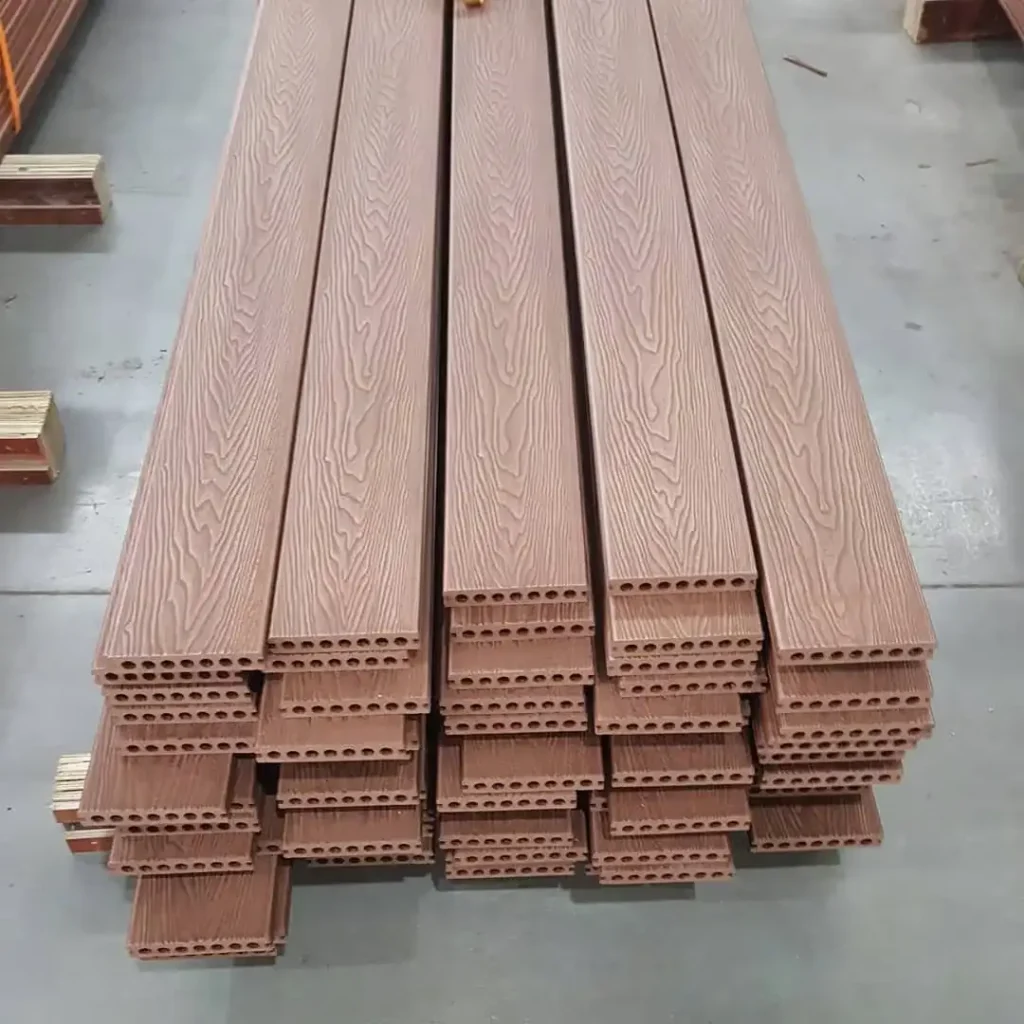
Hollow-core composite decking has a unique structure with hollow spaces within the decking boards. This type of decking is lightweight and offers excellent thermal insulation, making it an efficient choice for stairs that may need to cope with varying temperature conditions.
Key Benefits:
- Lightweight Construction: Hollow-core composite decking is lighter than solid composite decking, making it easier to handle and install on stairs.
- Thermal Insulation: The hollow core provides additional insulation, helping maintain more consistent temperatures on the stairs.
- Cost-Effective: Due to its lightweight nature, hollow-core composite decking is typically more affordable compared to solid composites.
10. Solid-Core Composite Decking
Unlike hollow-core decking, solid-core composite decking provides a sturdy and dense structure. This material is known for its strength and long-lasting durability, making it a great option for stairways that will endure heavy traffic and use.
Key Benefits:
- Strength and Stability: Solid-core composite decking offers a strong, stable surface that can support heavy foot traffic on stairs.
- Enhanced Durability: It has a longer lifespan compared to hollow-core boards, as it is less susceptible to damage or compression.
- Noise Reduction: The denser material of solid-core decking can help reduce noise when walking up and down the stairs.
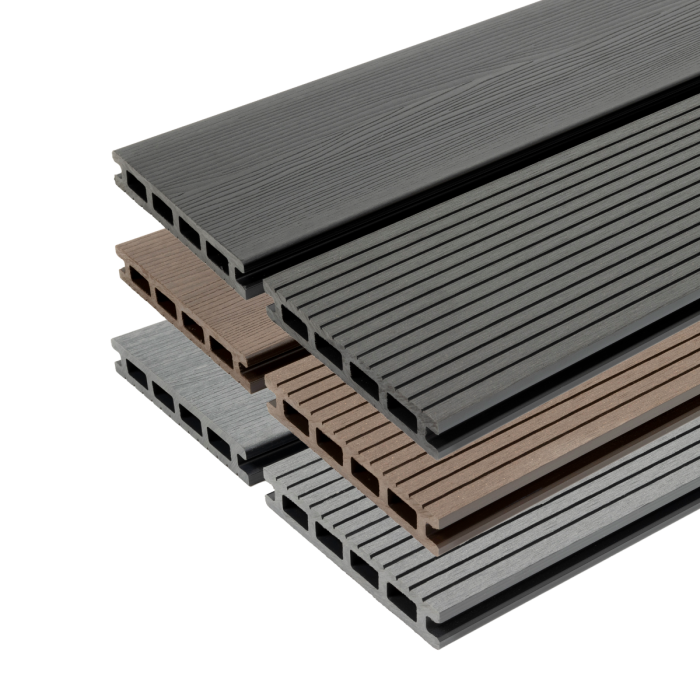
How to Choose the Right Composite Decking for Stairs
Choosing the right composite decking for stairs involves balancing aesthetics, durability, maintenance, and safety. The final decision should reflect both your environmental considerations and the specific requirements of the space where the stairs will be installed.
If you’re looking for a low-maintenance option, PVC decking and capped composite decking are excellent choices. These materials require minimal upkeep, resisting fading and staining over time. If you live in a region with harsh weather conditions or frequent rain, PVC decking‘s water resistance is a key advantage, making it perfect for areas prone to moisture.
For those seeking an eco-friendly option, bamboo-composite decking offers a sustainable alternative without compromising on performance. The natural fibers used in bamboo-composite not only provide a unique appearance but also deliver impressive durability and strength.
If safety is your top concern, especially in high-traffic areas, textured composite decking should be at the top of your list. Its textured surface provides a non-slip finish, ideal for preventing accidents, particularly in wet or icy conditions.
For a balance between aesthetics and cost-effectiveness, wood-plastic composite (WPC) and scrapwood composite decking provide an attractive look with excellent durability, making them versatile choices for various outdoor stair projects.
Ultimately, your choice will depend on the specific conditions and priorities for your project—whether that’s aesthetics, sustainability, safety, or ease of maintenance.
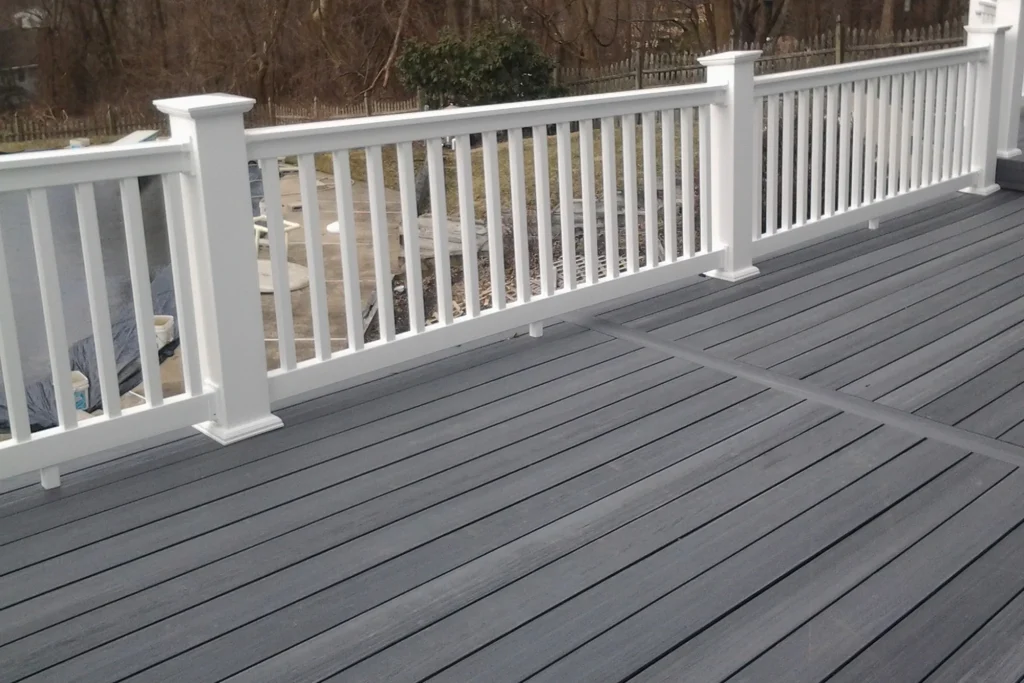
Hosung WPC: A Leading Manufacturer of Composite Decking in China
Hosung WPC is a trusted name in the composite decking industry, providing high-quality wood-plastic composite products for customers around the world. As a leading manufacturer in China, we specialize in creating durable, eco-friendly composite decking that is perfect for a wide range of outdoor applications.
Our composite decking options are designed to resist moisture, fading, and wear, ensuring that your deck remains beautiful for years to come. With a wide selection of colors, textures, and finishes, Hosung WPC provides the ideal solution for anyone looking to create a stylish, low-maintenance outdoor space.
If you’re interested in learning more about Hosung WPC’s composite decking products or want to request a quote, feel free to contact us directly. We look forward to helping you bring your outdoor vision to life!
Conclusion
When choosing the best composite decking for stairs, consider factors such as durability, aesthetic appeal, safety, and maintenance needs. Different types of composite decking offer a variety of benefits, allowing you to choose the best option for your specific requirements. Whether you opt for the long-lasting protection of capped composite, the eco-friendly benefits of bamboo composites, or the low-maintenance appeal of PVC decking, you can rest assured that composite materials will provide an attractive and durable solution for your stairs. For those seeking a trusted supplier, Hosung offers a wide range of composite decking products suited for all types of projects, including stairs.