Menu Close
Close

Composite Decking vs Wood: A Comprehensive Comparison

When it comes to designing an outdoor space, choosing the right decking material is essential. Two popular options that homeowners and businesses alike often consider are composite decking and natural wood. Both materials offer unique advantages and drawbacks, depending on what you prioritize for your outdoor space. Whether you’re looking for longevity, cost-effectiveness, aesthetics, or sustainability, understanding the differences between composite decking and wood will help you make an informed decision. In this comprehensive guide, Hosung will compare composite decking and wood from several perspectives: durability, cost, maintenance, aesthetics, environmental impact, and installation. By the end of this article, you’ll have a clearer idea of which decking material is best suited for your needs.
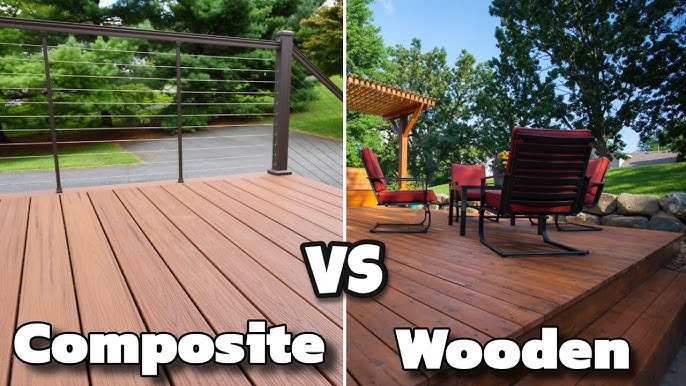

Composite Decking vs Wood

Table of Contents

Durability: How Long Will It Last?

Composite Decking Durability:
Composite decking is made from a blend of wood fibers and plastic, which makes it highly resistant to moisture, rot, termites, and decay. One of the primary benefits of composite decking is its impressive longevity. Most composite decking products come with warranties of 20 to 30 years, making it a durable option for homeowners who want a long-lasting outdoor solution. Composite materials also hold up well in various weather conditions, including rain, snow, and intense sunlight, without deteriorating or fading significantly.

Wood Decking Durability:
Wood decking, on the other hand, is more vulnerable to the elements. While pressure-treated lumber, cedar, and redwood can last for many years, they are susceptible to warping, splintering, and insect damage. The lifespan of a wood deck can range from 10 to 15 years, but regular maintenance is required to extend its life. For instance, wood decks need to be sealed and stained every few years to protect them from moisture and sun damage. Failure to maintain wood decking can result in a shorter lifespan and more frequent repairs.

Comparison:
When it comes to durability, composite decking generally outperforms wood, offering better resistance to decay, pests, and harsh weather. Composite decks can last up to 30 years or more, while wood decks may require more frequent repairs and replacement due to their susceptibility to environmental damage.

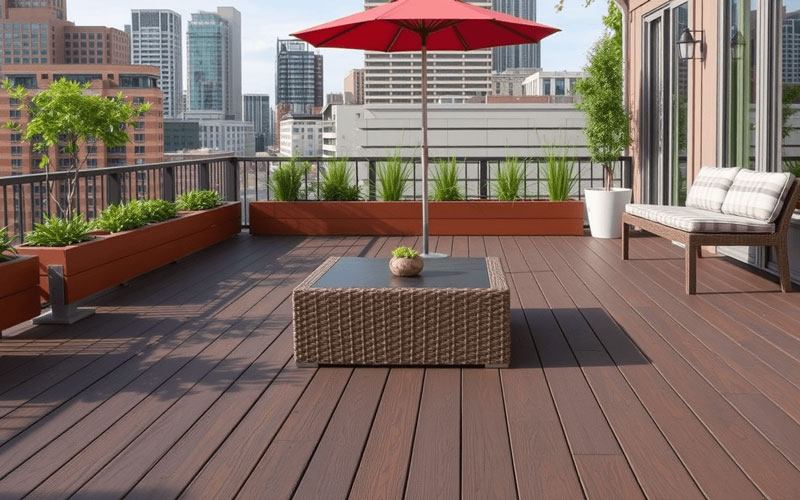
UltraShield Composite Decking vs 3D Embossed WPC Decking

Cost Comparison: Which One is More Affordable?

MaterialInitial CostLong-Term CostTotal Estimated Cost Over 20 Years
Composite Decking$4 – $12 per square footLow maintenance, no refinishing requiredHigh upfront cost, low long-term cost
Wood Decking$2 – $8 per square footRegular maintenance costs (staining, sealing)Lower upfront cost, higher long-term cost

Composite Decking Cost:
Composite decking is generally more expensive upfront. The cost can range from $4 to $12 per square foot, depending on the quality and brand of the composite product. Higher-end composite options, which feature capped layers for added protection, can increase the price. However, composite decking requires little to no maintenance, as it doesn’t need to be stained, sealed, or painted, reducing long-term costs.

Wood Decking Cost:
Wood decking, especially pressure-treated lumber, is usually cheaper initially, ranging from $2 to $5 per square foot. Premium wood types like cedar or redwood can be more expensive, ranging from $5 to $8 per square foot. While wood decking may have a lower upfront cost, it requires regular maintenance, such as staining, sealing, or painting, every 1-3 years. These ongoing maintenance costs can add up significantly over time, making wood a more expensive option in the long run.

Comparison:
While wood decking may be more affordable initially, composite decking provides better value over time due to its minimal maintenance requirements and longer lifespan. If you want to save on maintenance costs, composite decking may be a better investment.

piso decking wpc

Maintenance: Which One Requires More Effort?

Composite Decking Maintenance:
Composite decking is low-maintenance. It doesn’t require sealing, staining, or painting. To keep it looking clean, all you need is a simple wash with soapy water or a gentle cleaning solution. Composite decking is also resistant to mold, mildew, and staining, which makes it ideal for regions with high humidity or frequent rainfall. Over time, composite decking maintains its appearance without requiring significant effort from the homeowner.

Wood Decking Maintenance:
Wood decking requires significant maintenance to keep it in good condition. To prevent weathering, rot, or insect damage, wood decks need to be sealed or stained every 1-3 years. Wood is also susceptible to warping, splintering, and cracking over time, which may require repairs or refinishing. Additionally, wood decks are more prone to mold and mildew growth, particularly in areas with high moisture levels. This makes wood decking a more labor-intensive option in the long run.

Comparison:
When it comes to maintenance, composite decking is far less demanding than wood decking. While composite decks may need occasional cleaning, wood decks require frequent sealing, staining, and repairs to maintain their appearance and structural integrity.

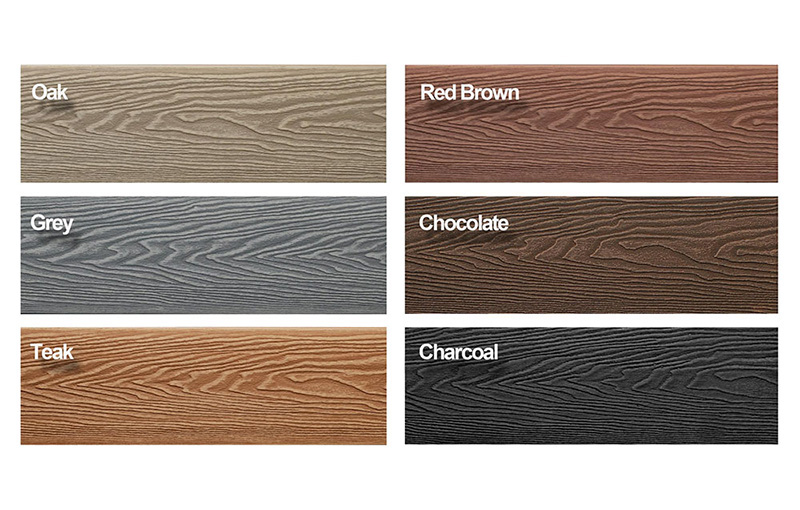
Color chart for Classic Series 3D Embossed products 1 composite decking,wood decking,decking comparison,composite vs wood - HOSUNG WPC Composite

Aesthetics: Which One Looks Better?

Composite Decking Aesthetics:
Composite decking has come a long way in terms of aesthetics. Manufacturers now offer a wide variety of colors, textures, and finishes that mimic the appearance of natural wood. These decks are available in multiple styles, from traditional wooden looks to sleek, modern designs. Additionally, composite decking tends to have a more uniform appearance compared to natural wood, with fewer imperfections like knots or discoloration.

Wood Decking Aesthetics:
Wood decking is widely praised for its natural beauty. The grain patterns, textures, and colors of wood are unique to each piece, making wood decking visually appealing to those who prefer a more rustic or traditional look. However, wood can change color over time, developing a patina or becoming gray due to sun exposure. While some people love this natural aging process, others may prefer to restore the wood’s original appearance through staining or refinishing.

Comparison:
While wood offers a timeless and natural aesthetic, composite decking provides a modern and consistent appearance with more color options. However, composite decks may lack the charm and individuality of natural wood, which some homeowners prefer.

Environmental Impact: Which is the Eco-Friendlier Choice?

Composite Decking Environmental Impact:
Many composite decking products are made using recycled materials, such as wood scraps and plastics. This makes composite decking a more eco-friendly option compared to traditional wood, as it helps reduce waste and deforestation. However, it’s important to note that composite materials, particularly those with plastic content, are not biodegradable and may contribute to landfill waste over time.

Wood Decking Environmental Impact:
Wood decking, particularly if it comes from sustainably managed forests (FSC certified), is a more natural option. Wood is biodegradable, and old decking can be repurposed or recycled. However, logging can have a negative impact on the environment, especially if the wood is not sourced responsibly. Additionally, the use of chemicals, such as preservatives and stains, can harm the environment.

Comparison:
While wood decking can be more sustainable when sourced responsibly, composite decking has the advantage of being made from recycled materials. However, both options have their environmental impacts, so it’s important to consider sourcing and the lifecycle of the materials used.

Hosung®——Chinas leading manufacturer of 3d deep embossed deckingcladding composite decking,wood decking,decking comparison,composite vs wood - HOSUNG WPC Composite

Installation: Which is Easier to Install?

Composite Decking Installation:
Composite decking is generally easier to install than wood. It is lighter and often comes with hidden fastening systems that eliminate visible screws, providing a cleaner and more streamlined appearance. Additionally, composite materials are less likely to warp or twist, making the installation process faster and more straightforward. Some composite boards are designed to snap into place, further simplifying the process.

Wood Decking Installation:
Wood decking requires more traditional installation methods, including pre-drilling and screwing the boards into place. Wood boards can be heavier and may need to be cut more carefully to avoid splitting. Wood decking also requires more attention to board alignment, as natural wood may warp or twist over time.

Comparison:
In terms of installation, composite decking tends to be quicker and easier to install due to its lighter weight and hidden fastener systems. Wood decking, while relatively simple to install, requires more attention to detail and is more prone to imperfections.

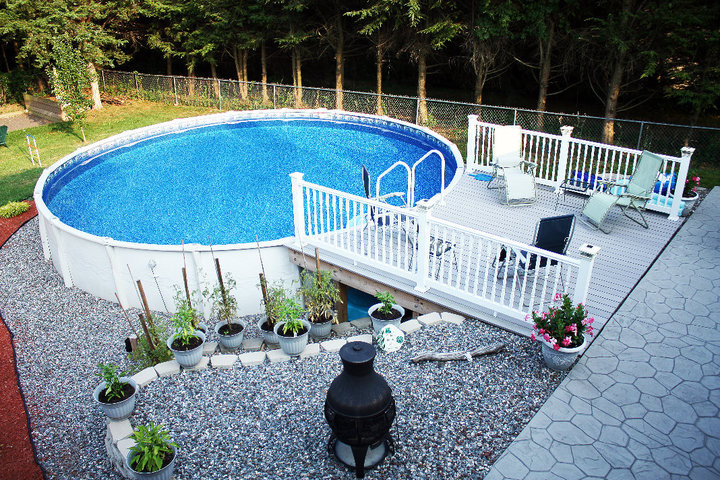
composite decking around above ground pools

Conclusion: Final Verdict

In conclusion, both composite decking and wood decking have their merits, and the right choice for your outdoor space depends on your priorities. If you’re looking for a low-maintenance, long-lasting solution, composite decking may be the better choice, especially for those with busy lifestyles or limited time for upkeep. On the other hand, if you prefer a more natural look and are willing to invest time in maintenance, wood decking can offer timeless beauty with a rustic appeal.

Ultimately, the choice is yours. Weigh the costs, durability, aesthetics, and maintenance needs to find the best decking material for your space. If you need assistance with selecting or installing decking for your project, feel free to reach out for expert advice.

Scroll to Top