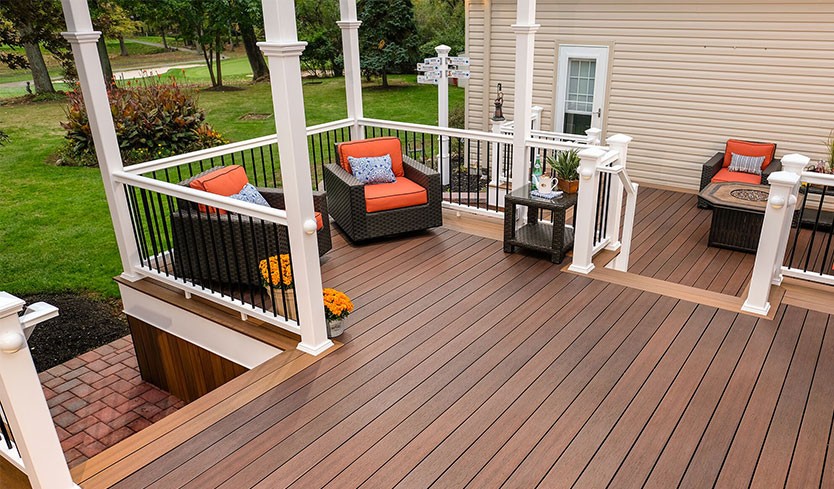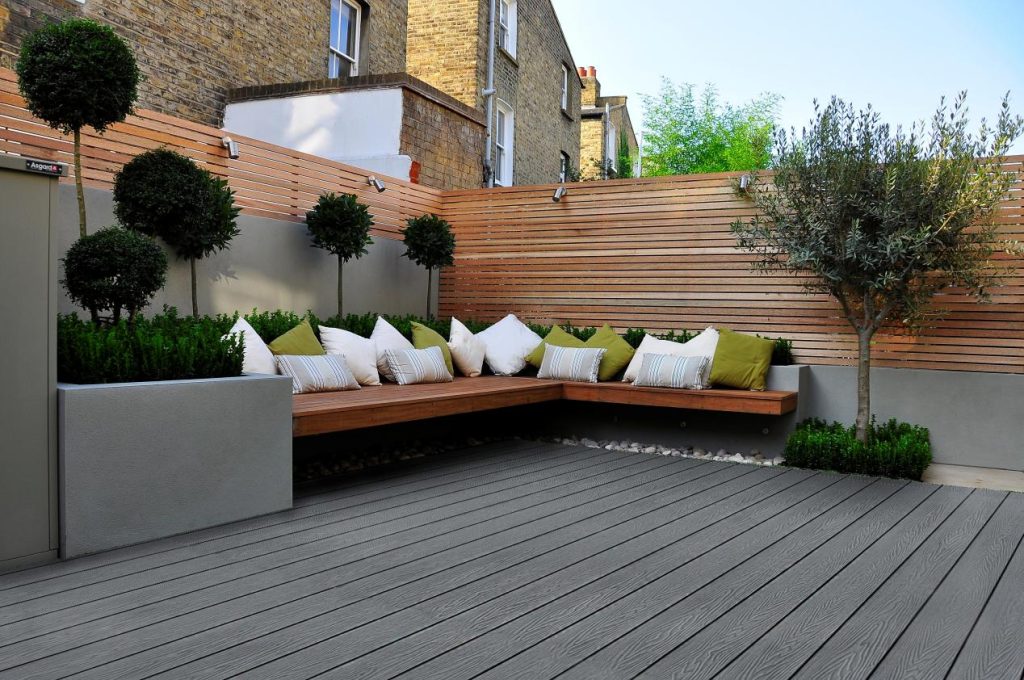
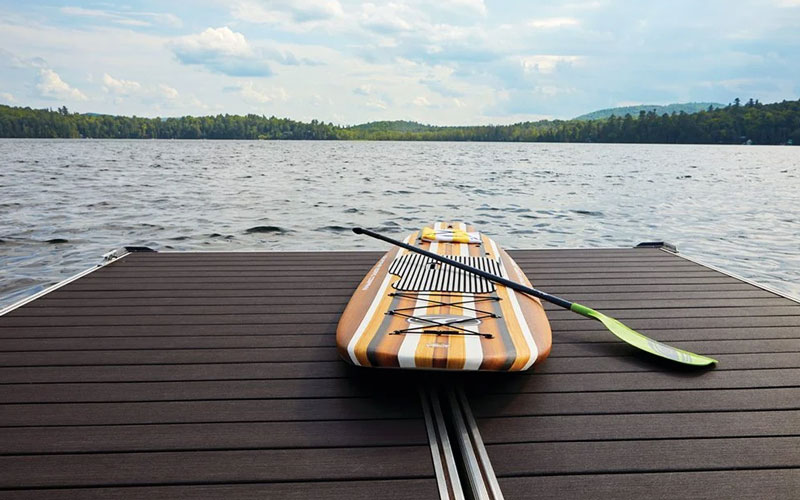
When it comes to building or renovating boat docks, the choice of decking material plays a crucial role in the overall durability, appearance, and functionality of the structure. One of the most popular options today is composite decking for boat docks. This material, made from a blend of wood fibers and plastic, offers numerous advantages over traditional wood decking, making it an ideal choice for harsh environments like water-facing docks. In this article, we will explore the various types of composite decking available for boat docks, the benefits of using composite materials, and factors you should consider when selecting the right decking for your boat dock project.
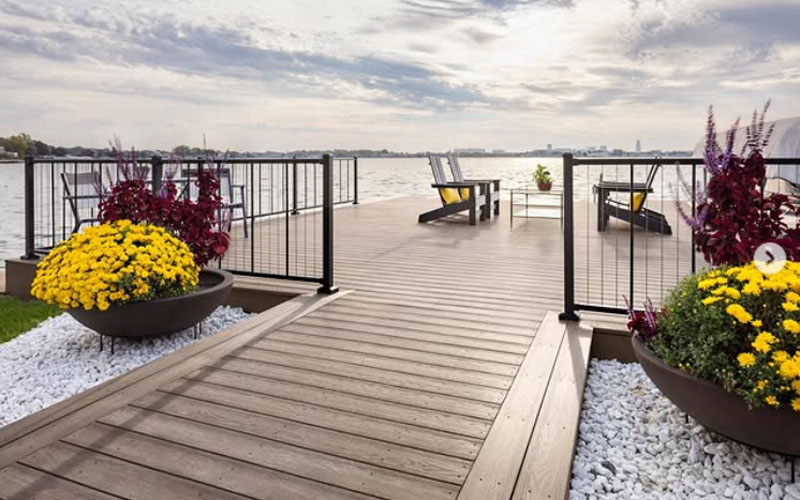
Table of Contents
More About Composite Decking
Before delving into the types of composite decking, it’s essential to understand what this material is and why it’s suitable for boat docks.
Composite decking is made from a mixture of recycled wood fibers and plastics, providing a durable and low-maintenance alternative to traditional wood decking. This material is designed to withstand the harsh conditions found around water, making it an excellent choice for boat docks, piers, and other outdoor environments exposed to moisture and weathering.
Advantages of Composite Decking
- Durability: Composite decking is highly resistant to moisture, rot, and termites.
- Low Maintenance: Unlike wood, composite decking doesn’t require regular sanding, staining, or sealing.
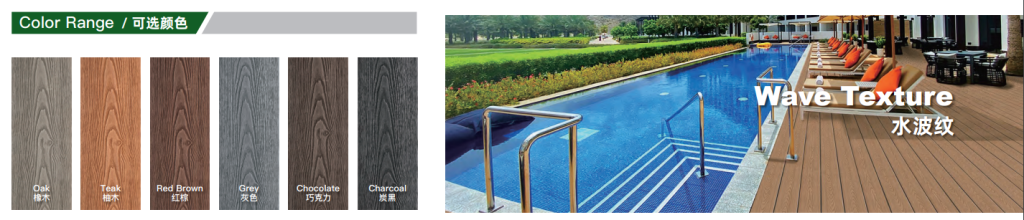
- Aesthetic Appeal: It offers a variety of colors and textures that mimic the natural look of wood.
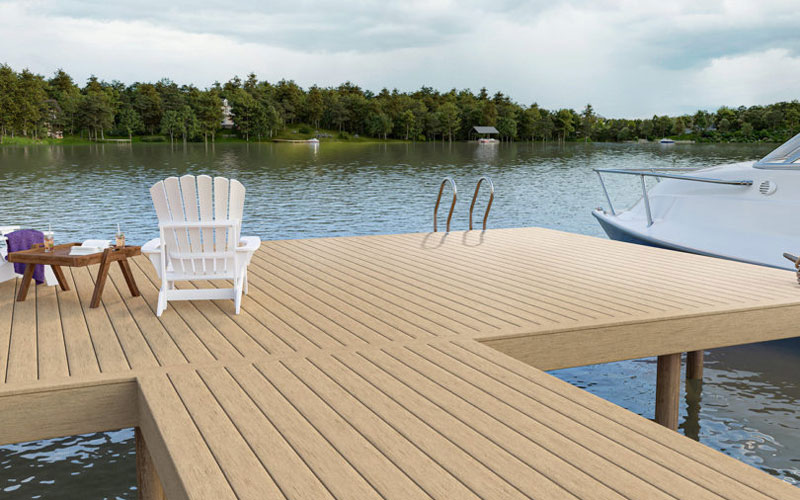
Key Types of Composite Decking for Boat Docks
There are several types of composite decking materials available on the market. Each offers distinct features suited for different types of boat docks and environmental conditions.
2.1 Capped Composite Decking
Capped composite decking is made with a core of wood fibers and plastic, which is then coated with a protective layer of plastic. This cap provides enhanced protection against moisture, stains, and UV damage, making it an ideal choice for boat docks exposed to the elements.
Benefits of Capped Composite Decking:
- Water Resistance: The cap provides an additional layer of protection, making it highly resistant to moisture.
- Long-Lasting: The added layer prevents the composite material from deteriorating over time.
- Color Retention: Capped composite decking retains its color better than uncapped versions.
This type of decking is commonly used for boat docks because of its superior durability and resistance to water and UV damage.
2.2 Uncapped Composite Decking
Uncapped composite decking, while still made from a mixture of wood and plastic, does not have the protective outer layer that capped decking offers. As a result, this type is typically more affordable but may not perform as well in environments that experience heavy moisture exposure.
Benefits of Uncapped Composite Decking:
- Affordability: Uncapped composite decking tends to be less expensive than capped options.
- Wood-Like Appearance: It offers a more natural wood look and feel.
However, uncapped decking requires more maintenance and may not be as resistant to water damage or UV degradation, which is why it is less commonly used for boat docks compared to capped versions.
2.3 Hollow-Core Composite Decking
Hollow-core composite decking features a hollow structure that makes it lighter than solid-core options. The lightweight nature of hollow-core decking makes it easier to install, reducing the overall project time and effort.
Benefits of Hollow-Core Composite Decking:
- Lightweight: Easier to handle and install.
- Cost-Effective: Generally, hollow-core decking is more affordable due to the reduced material usage.
- Good for Small Docks: Ideal for smaller boat docks where heavy-duty decking may not be necessary.
While it is a good option for budget-conscious projects, hollow-core composite decking may not be as strong or durable as solid-core alternatives.
2.4 Solid-Core Composite Decking
Solid-core composite decking is the most robust option, designed for heavy-duty applications. This type of decking provides superior strength, making it the best choice for large or high-traffic boat docks.
Benefits of Solid-Core Composite Decking:
- Strength and Durability: Solid-core decking is the most durable option, capable of handling heavy loads and foot traffic.
- Highly Resistant to Wear: It is less likely to warp, crack, or break under pressure.
- Longer Lifespan: Due to its robustness, solid-core composite decking tends to have a longer lifespan.
This type of decking is recommended for commercial boat docks or those that see significant traffic and heavy boats.
2.5 PVC Composite Decking
PVC composite decking is made entirely from synthetic materials, usually a blend of polyvinyl chloride (PVC) and other plastic compounds. Unlike wood-based composite decking, PVC decking does not contain wood fibers, which means it is impervious to rot and moisture.
Benefits of PVC Composite Decking:
- Moisture Resistance: PVC decking is highly resistant to moisture and will not absorb water, making it an excellent option for docks exposed to water.
- Low Maintenance: It requires very little maintenance compared to wood or wood-based composites. There’s no need for sealing, sanding, or painting.
- Lightweight: PVC decking is typically lighter than both capped and solid-core options, which can make installation easier.
PVC decking is ideal for regions with high moisture levels and is also commonly chosen for residential and small commercial boat docks.
2.6 Groove-Edge Composite Decking
Groove-edge composite decking features a design where the edges of the boards have a groove that allows for hidden fasteners to be used during installation. This results in a clean, smooth surface with no visible screw or nail heads, contributing to the overall aesthetic of the dock.
Benefits of Groove-Edge Composite Decking:
- Sleek Appearance: The hidden fastener system results in a more polished, seamless look.
- Reduced Risk of Injury: Without visible nails or screws, there is less risk of tripping or injury from exposed fasteners.
- Better Water Flow: Groove-edge decks allow for better drainage and water flow between the boards.
This type of decking is often preferred in upscale or high-end boat dock projects where aesthetics and safety are a priority.
2.7 Eco-Friendly Composite Decking
Eco-friendly composite decking is made from recycled materials such as plastic bottles, wood scraps, and other sustainable sources. This type of decking is growing in popularity as it allows homeowners to create an environmentally responsible dock while benefiting from the advantages of composite decking.
Benefits of Eco-Friendly Composite Decking:
- Sustainability: Made from recycled materials, reducing waste and reliance on virgin resources.
- Durability: Eco-friendly decking often performs similarly to capped composite decking, offering resistance to water, rot, and UV damage.
- Aesthetic Choices: Available in a variety of colors and textures, eco-friendly composite decking can still achieve a premium look.
Eco-friendly composite decking is a great choice for those who are eco-conscious and want to contribute to sustainability efforts while building a durable boat dock.
2.8 Textured Composite Decking
Textured composite decking features a surface with a patterned design that provides additional traction and slip resistance, making it an ideal option for boat docks where safety is a concern.
Benefits of Textured Composite Decking:
- Slip Resistance: The textured surface provides better grip, reducing the risk of slips, especially when the deck is wet.
- Aesthetic Appeal: The textured patterns can enhance the visual appeal of the dock, adding a unique touch.
- Durability: Textured composite decking is often made with high-quality, wear-resistant materials, ensuring that it will last under heavy foot traffic and weather conditions.
This type of decking is an excellent choice for boat docks in high-traffic areas or regions where safety is a top priority.
Factors to Consider When Choosing Composite Decking for Boat Docks
Selecting the right composite decking for your boat dock project involves several key factors. Let’s explore some of the most important considerations.
3.1 Durability and Longevity
Boat docks are exposed to water, salt, and the harsh elements, making durability a crucial factor. Composite decking is generally known for its resilience against the elements. However, the longevity of the material depends on the type you choose.
- Capped Composite Decking is the most durable option, resistant to moisture and UV rays.
- Uncapped Composite Decking offers a more affordable choice but may require more maintenance and has a shorter lifespan.
3.2 Moisture Resistance
Since boat docks are constantly exposed to water, moisture resistance should be a priority when selecting composite decking. Capped composite decking offers superior moisture resistance due to its outer plastic coating. It prevents water from seeping into the decking, reducing the risk of rot, mold, and mildew growth.
3.3 Aesthetic Preferences
The appearance of your boat dock is just as important as its functionality. Composite decking is available in a variety of colors, finishes, and textures, allowing you to choose the style that best complements your boat dock and surrounding environment.
- Wood-Like Appearance: If you prefer the traditional look of wood, many composite decking options mimic the appearance of natural wood.
- Modern Finishes: For a sleek, contemporary look, you can opt for darker tones or matte finishes.
3.4 Cost and Budget
Budget is always a consideration in any project. While composite decking for boat docks is typically more expensive than traditional wood, it offers greater long-term savings due to its low maintenance and longer lifespan.
- Uncapped Composite Decking is the most budget-friendly option.
- Capped and Solid-Core Decking are pricier but offer superior durability and longevity.
3.5 Installation Requirements
Some types of composite decking are easier to install than others. Hollow-core composite decking, for example, is lighter and easier to handle, making it a good option for DIY projects. On the other hand, solid-core decking is heavier and may require professional installation.
3.6 Environmental Considerations
If you’re environmentally conscious, many composite decking materials are made from recycled materials, such as reclaimed wood and plastic. Choosing composite decking made from sustainable resources can help reduce your carbon footprint.
Conclusion
In conclusion, composite decking for boat docks is a highly durable and low-maintenance option for those seeking a reliable and long-lasting solution for their dock. When choosing the right type of composite decking, consider factors such as moisture resistance, durability, aesthetics, and cost.
Whether you opt for capped composite decking for superior protection or solid-core decking for heavy-duty use, composite decking offers a variety of solutions tailored to meet your needs. By understanding the different types and factors involved in the selection process, you can ensure that your boat dock will not only look great but also stand the test of time.