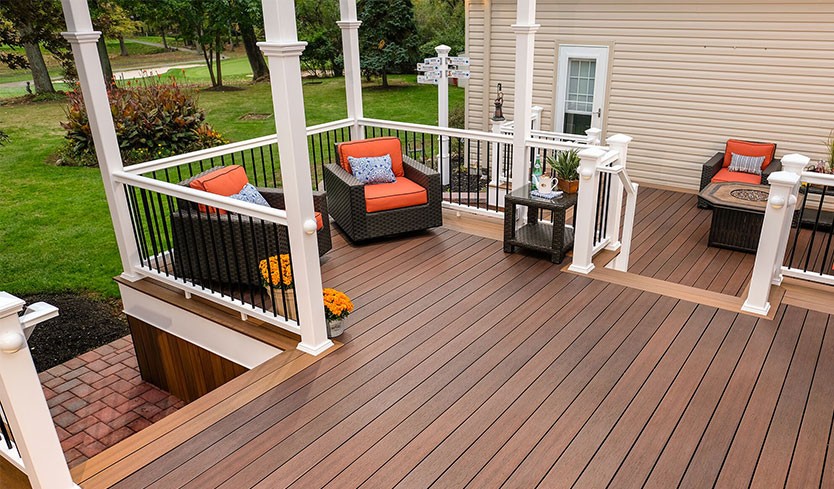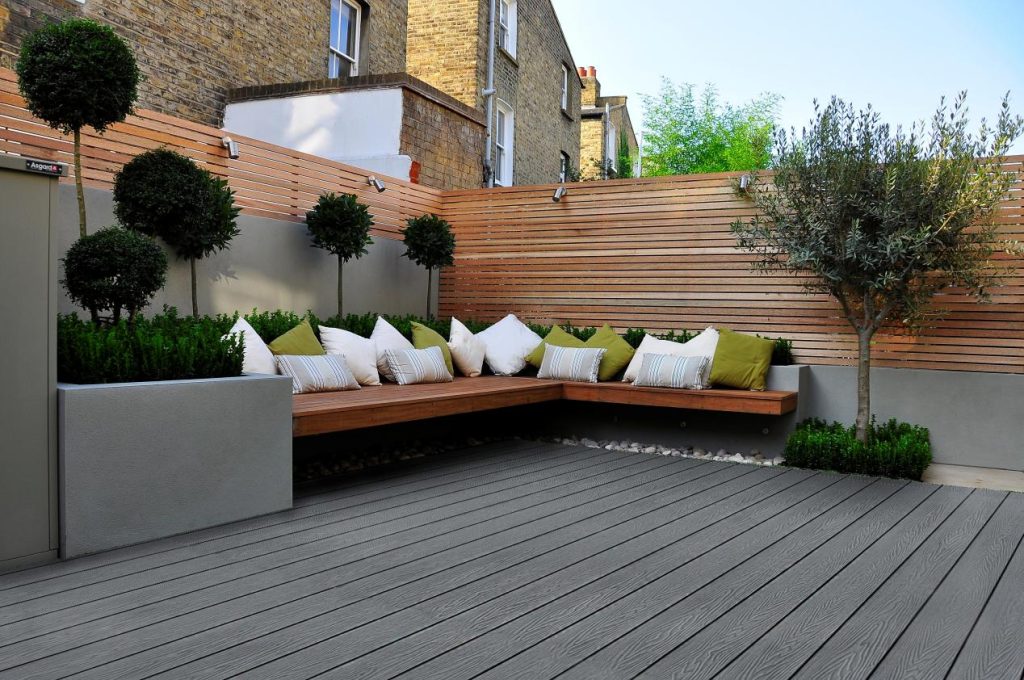
When it comes to creating a beautiful, durable, and sustainable outdoor space, natural composite decking has gained significant popularity over the years. Composite decking offers a perfect blend of wood and plastic, resulting in a material that is long-lasting, eco-friendly, and requires minimal maintenance. In this comprehensive guide, we will explore the different types of natural composite decking, their advantages, and tips for selecting the best decking for your project.
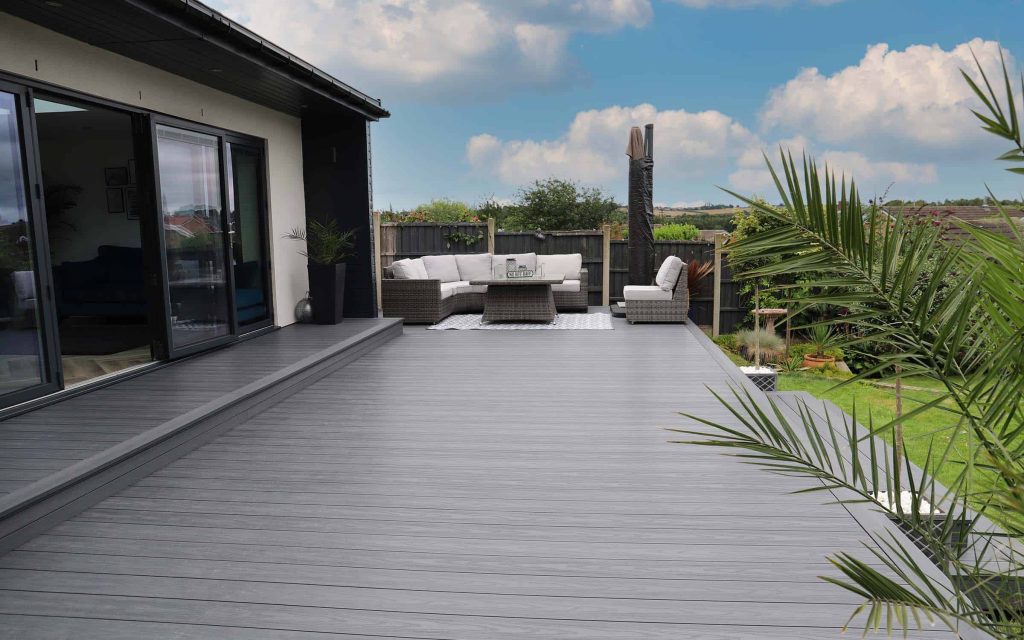
Table of Contents
More About Natural Composite Decking
Natural composite decking is a man-made material composed of wood fibers, plastic (typically recycled), and other additives. These materials are carefully blended to mimic the appearance and texture of natural wood while offering enhanced durability and resistance to weather elements. Unlike traditional wood decking, composite decking doesn’t splinter, warp, or fade as easily, making it an attractive option for homeowners and businesses looking to build an outdoor space that requires less maintenance and upkeep.
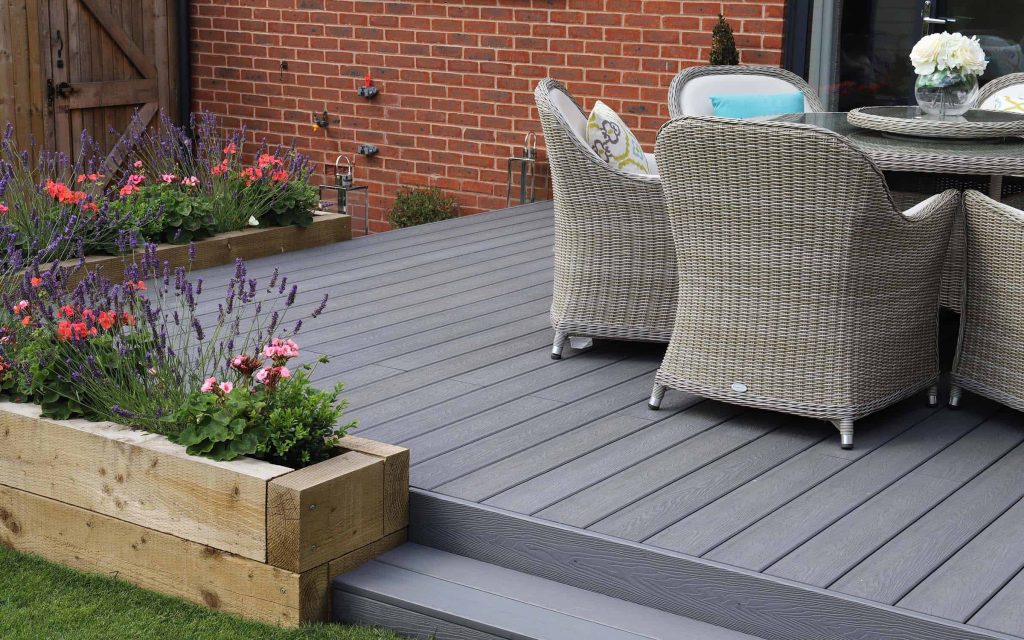
Types of Natural Composite Decking
While we’ve already covered the common types of composite decking, there are a variety of materials and formulations available in the market that cater to different needs. Each material offers unique benefits and considerations, and understanding the diverse options will help you make an informed choice for your decking project. Below, we expand on the materials used in composite decking and their key features.
1. Capped Composite Decking
As previously discussed, capped composite decking is one of the most popular choices. Its core is made of wood fibers and plastic, and it’s coated with a protective polymer cap that enhances durability and weather resistance. This type is especially suited for high-performance outdoor spaces.
Key Features:
- Durability: Prevents moisture absorption, reducing the chances of mold and mildew growth.
- Low Maintenance: Resistant to fading and staining.
- Variety of Styles: Available in many colors and textures that mimic the look of natural wood.
2. Uncapped Composite Decking
Uncapped composite decking is essentially the more basic form of composite material. It lacks the polymer layer that protects against UV rays, moisture, and staining. While it is less durable than capped decking, it provides a more budget-friendly option.
Key Features:
- Affordable: Less expensive than capped composite decking.
- Moisture Absorption: Can absorb moisture, which might cause it to expand and contract with the weather.
- Shorter Lifespan: Without a cap, it may show signs of wear faster in harsh climates.
3. Hybrid Composite Decking
Hybrid composite decking is a combination of both capped and uncapped materials. It features a wood-plastic core and is wrapped in a thin polymer layer. This combination offers an effective balance between performance and price, with the added benefit of some moisture and UV protection.
Key Features:
- Enhanced Durability: Offers some protection against the elements without being as expensive as fully capped options.
- Easier Maintenance: Easier to clean and maintain compared to uncapped options.
- Affordable: Offers a good balance of features at a reasonable price point.
4. PVC Decking (Vinyl Composite Decking)
PVC decking, though not technically a composite, is often considered an alternative to traditional composite materials. Unlike wood-plastic composites, PVC decking is made entirely from plastic, offering maximum resistance to moisture, rot, and pests.
Key Features:
- No Wood Fibers: Made entirely of plastic, meaning it is free from the issues of natural wood.
- High Resistance to Weathering: Completely resistant to moisture, rot, and UV damage.
- Easy to Clean: Requires little to no maintenance, simply needing occasional cleaning with soap and water.
5. Bamboo Composite Decking
Bamboo composite decking is an emerging material that combines bamboo fibers with plastic. Bamboo is known for its strength and sustainability, making it an excellent material for decking. The use of bamboo fibers in the composite mix results in a product that is environmentally friendly and highly durable.
Key Features:
- Sustainability: Bamboo is a renewable resource that grows quickly and has a low environmental impact.
- Strength and Durability: Bamboo’s natural strength enhances the durability of the composite decking, making it resistant to dents and scratches.
- Eco-Friendly: Often made from recycled bamboo, reducing waste and promoting sustainability.
6. Wood-Plastic Composite (WPC) Decking
Wood-plastic composite (WPC) decking is one of the most common forms of composite decking. It is made by blending wood fibers (often from recycled sources) with plastic to create a strong, flexible decking material. WPC decking is known for its wood-like appearance and natural texture.
Key Features:
- Wood-Like Appearance: Offers the aesthetic of wood without the high maintenance.
- Durability: Resists splitting, cracking, and warping over time.
- Customizable: Available in a range of colors and finishes to mimic different types of wood.
7. Fiber Cement Composite Decking
Fiber cement decking is made from a mix of wood fibers, cement, and other materials. It’s a newer option in the composite decking industry, offering a unique combination of durability, weather resistance, and a more traditional aesthetic.
Key Features:
- Fire Resistance: One of the standout features of fiber cement decking is its natural fire resistance, making it an excellent choice for areas prone to wildfires or high temperatures.
- Long-Lasting: Extremely durable and can withstand the elements without cracking, warping, or fading.
- Low Maintenance: Requires very little upkeep compared to wood decking.
8. Plastic Lumber Decking
Plastic lumber decking is made from 100% recycled plastic materials. This material is highly resistant to moisture, making it a great choice for areas with high humidity or near bodies of water. It does not contain any wood fibers, so it won’t splinter, crack, or rot.
Key Features:
- Durability: Plastic lumber is resistant to the elements and does not rot, splinter, or crack like wood.
- Low Maintenance: Requires minimal care and is easy to clean.
- 100% Recycled Materials: Most plastic lumber decking products are made from recycled materials, offering an eco-friendly alternative.
9. Recycled Wood Composite Decking
Recycled wood composite decking is made from reclaimed wood fibers and plastic. This decking material is an excellent option for those looking to reduce waste and promote sustainability, as it gives new life to discarded wood and plastic products.
Key Features:
- Eco-Friendly: Uses recycled wood fibers and plastics, contributing to waste reduction.
- Strong and Sturdy: Combines the durability of plastic with the natural look of wood.
- Variety of Styles: Offers a range of colors and textures, with the look of natural wood.
10. High-Density Polyethylene (HDPE) Decking
HDPE decking is another type of plastic decking material made from high-density polyethylene, a strong, durable plastic. HDPE is resistant to most weather elements, including moisture and UV rays, making it a suitable option for outdoor decking.
Key Features:
- Strength and Flexibility: Known for its strength, flexibility, and long-lasting properties.
- Resistant to Fading: HDPE decking is highly resistant to fading from UV rays, ensuring long-term performance.
- Low Environmental Impact: Often made from recycled plastics, contributing to sustainability.
Advantages of Natural Composite Decking
Now that we’ve covered the types of composite decking, let’s dive into the many advantages that make natural composite decking a top choice for homeowners and contractors alike.
1. Durability
One of the primary reasons people choose composite decking is its exceptional durability. Composite decks are built to withstand the elements better than wood, and they are resistant to rotting, splintering, and warping. The plastic component of composite decking also makes it impervious to termites and other pests that can damage natural wood.
Key Benefits:
- Withstands high traffic without showing wear.
- Resistant to harsh weather, including rain, snow, and intense sunlight.
- Less prone to damage from insects and moisture.
2. Low Maintenance
Unlike traditional wood decking, composite decking requires very little maintenance. With wood decks, regular staining, sealing, and cleaning are necessary to keep them in good shape. In contrast, natural composite decking only requires periodic cleaning with soap and water.
Key Benefits:
- No need for sanding, sealing, or staining.
- Resistant to staining from food, drinks, and other common outdoor messes.
- Does not require repainting or refinishing.
3. Sustainability
Many composite decking brands are committed to using recycled materials, making this a more eco-friendly option compared to traditional wood. By using recycled plastics and wood fibers, natural composite decking helps reduce the amount of waste in landfills and promotes sustainable forestry practices.
Key Benefits:
- Made from recycled wood fibers and plastics.
- Reduces the need for harvesting timber.
- Can be recycled at the end of its life.
4. Aesthetics
Composite decking comes in a variety of colors and finishes that mimic the look of natural wood. Whether you prefer the rich tones of mahogany, the rustic look of cedar, or a more modern gray, composite decking offers a wide range of choices to suit any design style.
Key Benefits:
- Wide range of colors, finishes, and textures.
- Looks and feels like natural wood without the associated maintenance.
- Can be customized to fit any style, from traditional to modern.
5. Safety
Composite decking is safer than traditional wood in several ways. Unlike wood, composite decking does not splinter, which reduces the risk of injury. Additionally, many composite decking products feature slip-resistant surfaces, which makes them safer to walk on, even when wet.
Key Benefits:
- No splinters, reducing the risk of injury.
- Slip-resistant surface, ideal for areas near pools and hot tubs.
- Safe for pets and children to play on.
6. Long Lifespan
Composite decking is designed to last for many years. Most manufacturers offer warranties that last 20 to 30 years, making it a long-term investment in your outdoor space. The combination of wood fibers and plastic provides a strong and resilient material that holds up well over time.
Key Benefits:
- Long-lasting material that won’t deteriorate over time.
- Minimal fading, staining, or discoloration over its lifetime.
- Comes with long-term warranties, often 25 years or more.
How to Choose the Best Natural Composite Decking for Your Project
With so many options available, selecting the right composite decking for your outdoor space can be a daunting task. Here are some important factors to consider when making your decision:
1. Climate and Weather Conditions
The climate in your area will play a big role in the type of composite decking you should choose. If you live in an area with high humidity or heavy rainfall, capped composite decking is a great option because of its enhanced resistance to moisture and mildew. For areas with extreme sunlight, a capped decking option with UV protection can help prevent fading and discoloration.
2. Maintenance Requirements
Consider how much maintenance you are willing to perform on your deck. If you prefer a virtually maintenance-free option, capped composite or PVC decking would be the best choice. If you’re willing to put in a bit more work, uncapped composite decking may be a cost-effective solution.
3. Budget
While composite decking generally costs more than traditional wood, it offers long-term savings by reducing maintenance costs and the need for frequent repairs. Your budget will affect your decision between capped, uncapped, or hybrid composite options, as capped options tend to be more expensive due to the added protection layer.
4. Aesthetic Preferences
The look of your deck is important, and natural composite decking offers a wide range of colors and finishes to suit your style. Be sure to choose a color and texture that complements the rest of your outdoor space. Many composite decking options are designed to look like natural wood, but without the associated upkeep.
5. Warranty and Durability
Always check the warranty offered by the manufacturer. A longer warranty usually indicates a more durable product. A 25- to 30-year warranty is common for high-quality composite decking, and it provides peace of mind that your investment will last.
Conclusion
Natural composite decking made by Hosung is an excellent choice for homeowners and businesses seeking a durable, low-maintenance, and eco-friendly decking solution. With various types to choose from, including capped, uncapped, and hybrid options, there’s a composite decking product that suits every need and budget. By understanding the advantages of composite decking and carefully considering your preferences and requirements, you can select the perfect decking material that will enhance the beauty and functionality of your outdoor space for many years to come.