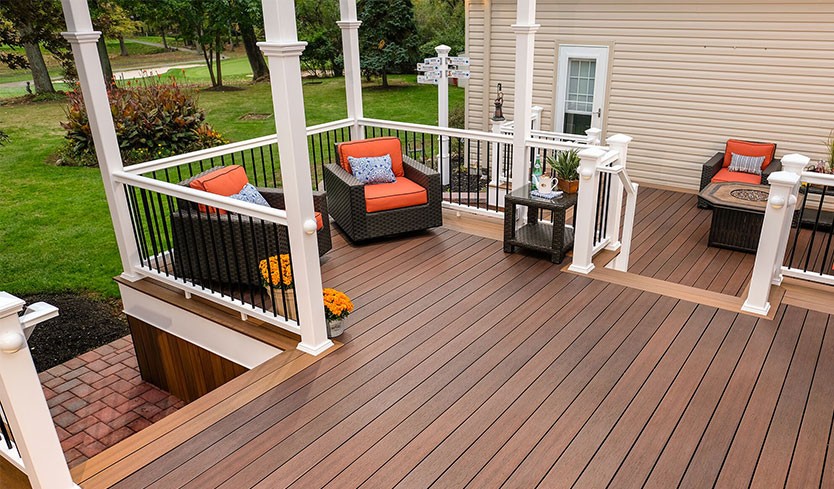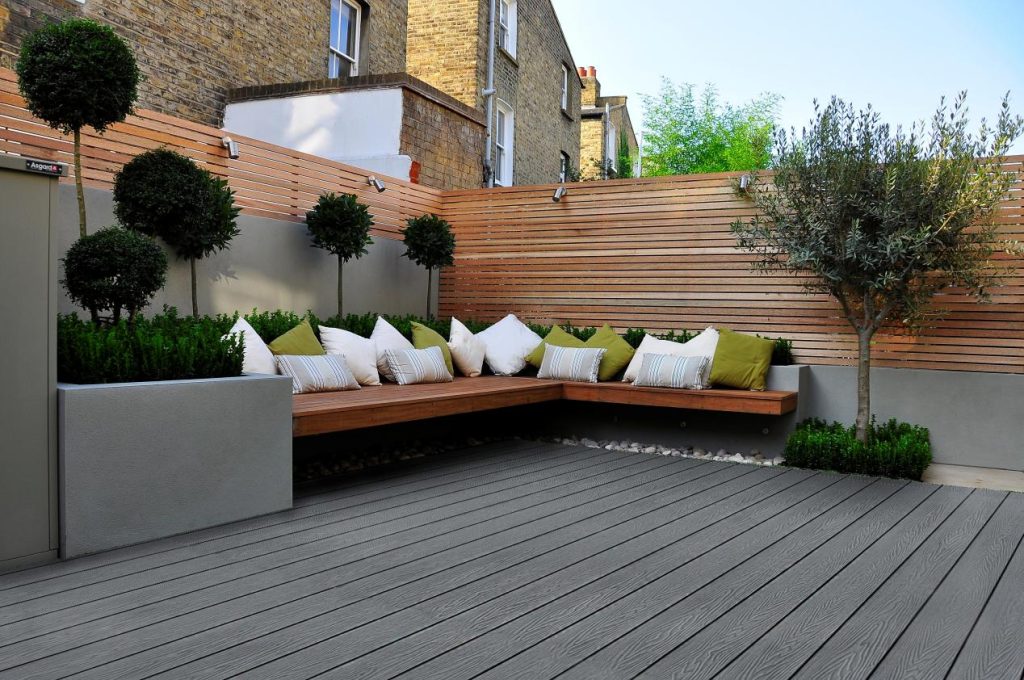
In recent years, composite decking has gained popularity for outdoor spaces due to its durability, low maintenance, and aesthetic appeal. One of the most common applications for composite decking is on rooftops, where it offers a solution for creating beautiful, functional, and long-lasting outdoor living areas. Whether you’re designing a rooftop garden, creating an entertainment space, or building a relaxing retreat, composite decking for rooftops is an excellent choice. In this article, we will explore the different types of composite decking options available for rooftops, focusing on the key features and benefits of each.
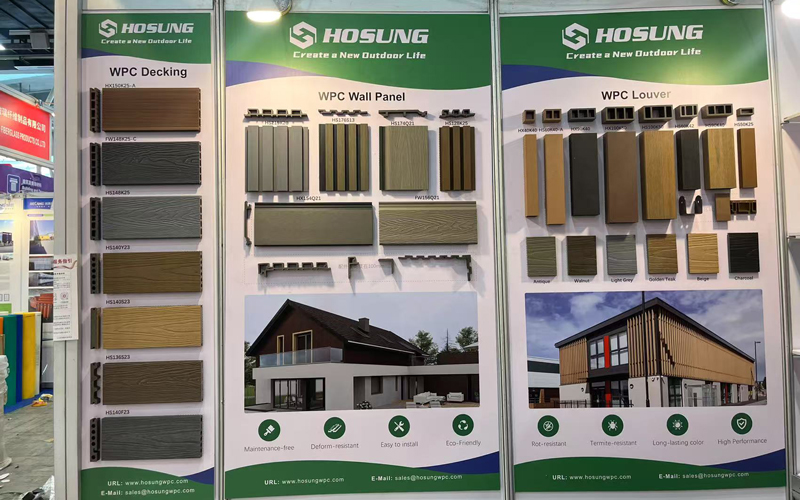
Table of Contents
What is Composite Decking?
Composite decking is a modern alternative to traditional wood decking, made from a combination of wood fibers and plastic. This unique blend gives composite decking its signature durability and resistance to elements such as water, UV rays, and pests. Unlike natural wood, composite decking requires very little maintenance—no sanding, staining, or sealing—making it ideal for high-use and weather-exposed spaces, such as rooftops.
Benefits of Composite Decking for Rooftops
Before diving into the different types of composite decking for rooftops, it’s essential to understand why this material is an excellent choice for such applications:
- Durability: Composite decking is resistant to rotting, warping, and splintering, which are common issues with wood decking. This makes it ideal for the harsh weather conditions often encountered on rooftops.
- Low Maintenance: Composite decking requires minimal upkeep. Cleaning it with soap and water is usually enough to keep it looking new, unlike wood, which needs regular sealing and staining.
- Aesthetic Appeal: Composite decking comes in a wide variety of colors and finishes that mimic natural wood, giving you the flexibility to create the perfect rooftop aesthetic.
- Eco-Friendly: Made from recycled materials, composite decking is a sustainable choice that helps reduce environmental impact compared to traditional wood decking.
Different Types of Composite Decking for Rooftops
When choosing composite decking for your rooftop, it’s important to consider the various types available on the market. Below are the most popular options:
1. Solid Composite Decking
Solid composite decking is made entirely from a mixture of wood fibers and plastic, with no hollow spaces. This type of decking is sturdy, durable, and provides a smooth, uniform surface. Solid composite decking is especially well-suited for rooftops because of its strength and ability to withstand heavy foot traffic.
- Pros:
- Highly durable and strong
- Offers a smooth, uniform surface
- Resists moisture and UV damage
- Cons:
- Heavier than hollow composite decking
- Can be more expensive than other types
2. Hollow-Core Composite Decking
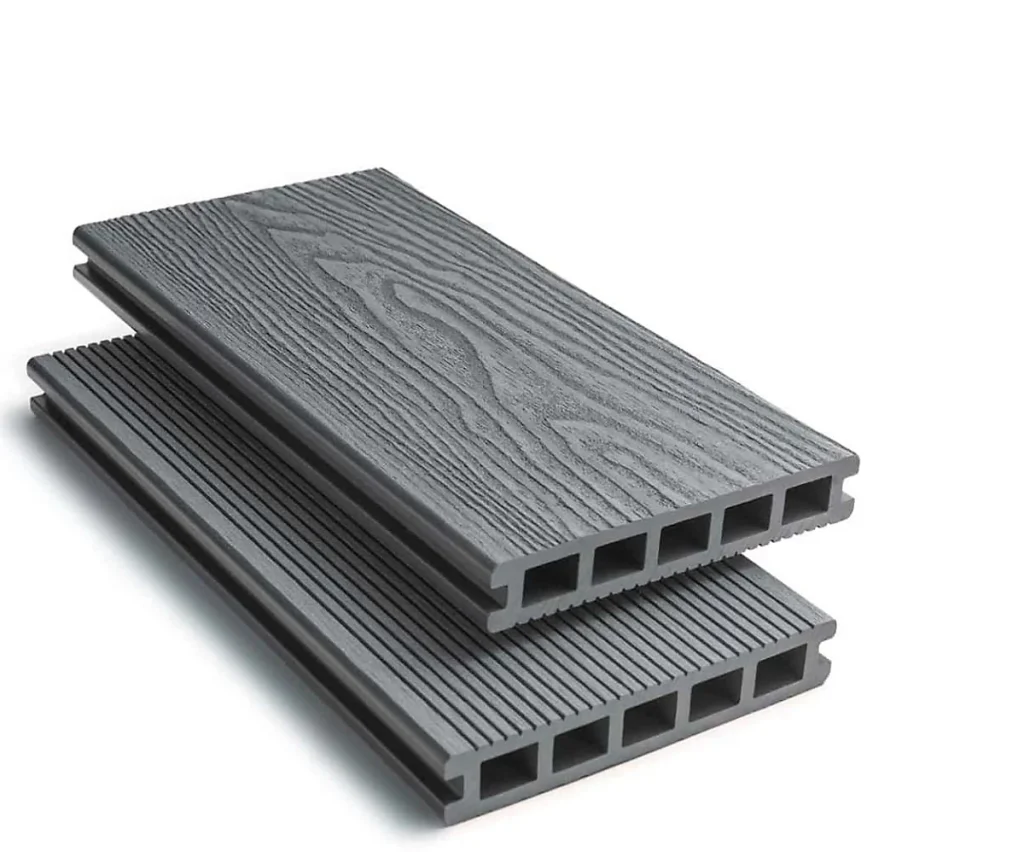
As the name suggests, hollow-core composite decking features hollow channels within the boards. This design makes it lighter than solid composite decking, which can be advantageous for rooftop applications where weight may be a concern.
- Pros:
- Lighter and easier to handle
- Less expensive than solid composite decking
- Good for areas that don’t experience heavy foot traffic
- Cons:
- May not be as durable as solid composite decking in high-traffic areas
- Can be prone to warping if not properly installed
3. Capped Composite Decking
Capped composite decking is made from a composite core that is covered with a layer of plastic (the “cap”). This cap provides additional protection against moisture, stains, and fading. The added layer helps improve the overall durability and longevity of the decking, making it ideal for rooftop installations where exposure to the elements is a concern.
- Pros:
- Superior protection against weather and UV rays
- Resistant to staining, fading, and scratching
- Available in a wide range of colors and finishes
- Cons:
- Higher cost due to the additional cap layer
- Can be more prone to expansion and contraction with temperature changes
4. Wood-Plastic Composite (WPC) Decking
Wood-Plastic Composite (WPC) decking combines wood fibers and plastic to create a product that closely resembles real wood but offers the benefits of plastic’s durability. This type of decking is popular for rooftop spaces where the aesthetic of natural wood is desired, but the performance of composite materials is required.
- Pros:
- Natural wood-like appearance
- Offers a good balance between durability and aesthetics
- Resists rot and decay
- Cons:
- Not as resistant to scratching as capped composite decking
- May require occasional maintenance for cleaning and sealing
5. PVC Composite Decking
Unlike traditional composite decking, which contains wood fibers, PVC decking is made entirely of plastic. This results in a 100% waterproof and moisture-resistant decking material that is particularly useful for rooftop applications exposed to heavy rain or high humidity.
- Pros:
- Completely resistant to moisture, rot, and insects
- Easy to clean and maintain
- Available in a variety of colors and textures
- Cons:
- Can be more expensive than other types of composite decking
- May not have the same natural look as wood or wood-composite options
6. 3D Embossed WPC Decking
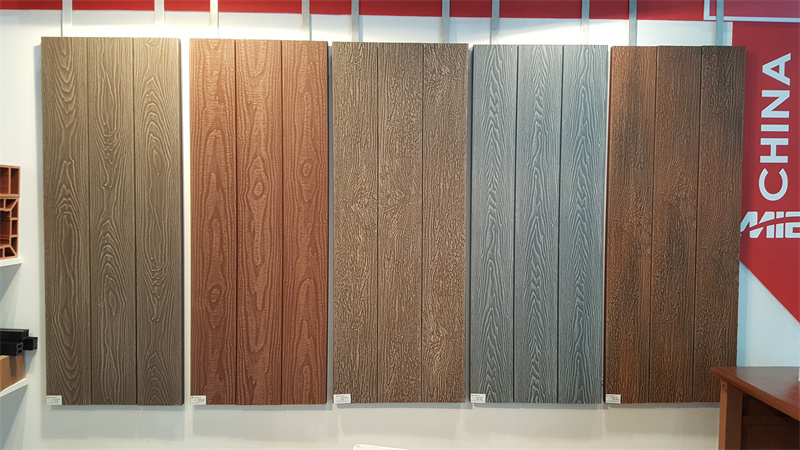
3D Embossed WPC (Wood-Plastic Composite) Decking features an intricate, three-dimensional texture that mimics the appearance and feel of natural wood. The embossing process enhances the visual appeal of the decking, offering a more luxurious and sophisticated look. This type of 3d exmossed wpc decking is gaining popularity for rooftop installations that require both durability and a high-end aesthetic.
Pros:
- Highly realistic wood-like appearance
- Resistant to moisture, insects, and UV damage
- Low-maintenance and easy to clean
- Offers a unique, textured design that adds luxury to rooftop spaces
Cons:
- Can be more expensive than traditional WPC decking
- Limited color options compared to other types of composite decking
7. Eco-Friendly Composite Decking
Eco-friendly composite decking is designed with sustainability in mind, often made from recycled materials such as plastic bottles, wood fibers, and sawdust. This type of decking offers an environmentally conscious option for rooftop installations, while still providing the durability and aesthetic appeal of traditional composite decking.
Pros:
- Made from recycled materials
- Reduces environmental impact
- Offers the same durability and low maintenance as other composite decking options
Cons:
- May have limited color and finish options
- Can be more expensive than traditional decking made from new materials
8. Co-Extrusion Decking
Co-extrusion decking involves a process where a composite core is wrapped with an additional layer of plastic. The outer layer is designed to provide enhanced protection against moisture, UV rays, stains, and scratches. This added layer increases the lifespan and durability of the decking, making it perfect for rooftop environments.
Pros:
- Superior protection against weather and UV damage
- Scratch-resistant and stain-resistant
- Easier to clean and maintain
- Long-lasting and durable
Cons:
- Higher cost due to the co-extrusion process
- Limited to a more refined aesthetic with fewer texture options compared to other decking types
9. Co-Extrusion Bi-Color Decking
Co-extrusion Bi-Color Decking is similar to regular co-extrusion decking but offers an added aesthetic appeal with a two-tone color effect. This option is ideal for homeowners or businesses looking for a sleek, modern appearance while benefiting from the advanced durability features of co-extrusion decking.
Pros:
- Visually appealing with a two-tone color effect
- Provides excellent protection against UV rays, moisture, and wear
- Easy to clean and maintain
- Long-lasting and resistant to scratches
Cons:
- Higher cost due to the specialized manufacturing process
- Fewer design options than solid composite decking
Key Considerations for Choosing Composite Decking for Rooftops
When selecting the right type of composite decking for your rooftop, several factors should influence your decision. Here are some key considerations to keep in mind:
- Weight Capacity: Rooftops have weight restrictions that vary depending on the building structure. It’s crucial to choose a decking material that won’t overload your roof. Hollow-core composite decking may be a better choice if weight is a concern.
- Exposure to Elements: Depending on your geographic location, your rooftop decking will be exposed to varying weather conditions. For areas with heavy rainfall or extreme temperatures, capped composite or PVC decking may be a better option due to their superior resistance to moisture and UV rays.
- Aesthetic Preferences: Composite decking comes in various colors, textures, and finishes that mimic the look of natural wood. Consider the design of your rooftop and how you want the space to feel. If you want a traditional wood look, wood-plastic composite might be your best option.
- Maintenance Requirements: While composite decking is generally low-maintenance, some types may require more care than others. Capped composite and PVC decking typically require the least maintenance, while wood-plastic composite may need occasional cleaning and sealing.
- Budget: Composite decking prices vary widely depending on the type of material, finish, and brand. Solid composite decking and capped composite tend to be more expensive, while hollow-core and wood-plastic composite options are generally more budget-friendly.
Conclusion
Composite decking is an excellent choice for rooftops, offering durability, low maintenance, and aesthetic versatility. Whether you opt for solid composite decking, hollow-core options, or capped composite decking, there’s a solution to fit your needs. Keep in mind the environmental factors, weight capacity, and your aesthetic preferences when making your decision. By choosing the right type of composite decking for your rooftop, you can create a beautiful and functional outdoor space that will last for many years to come.