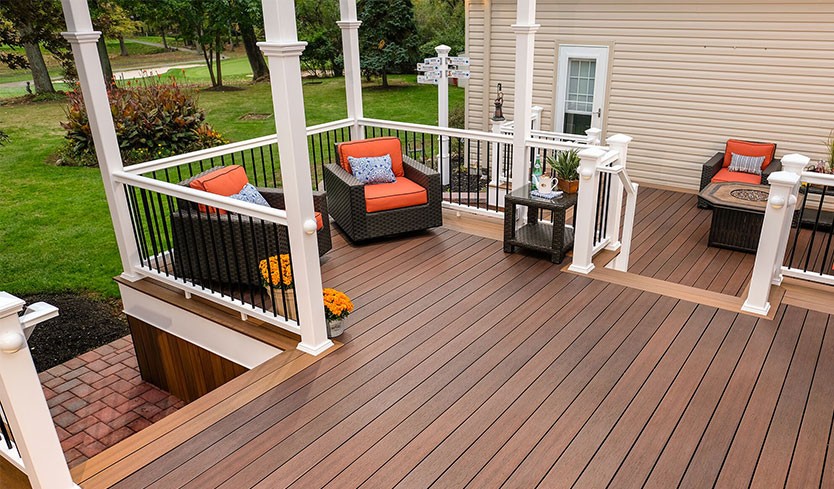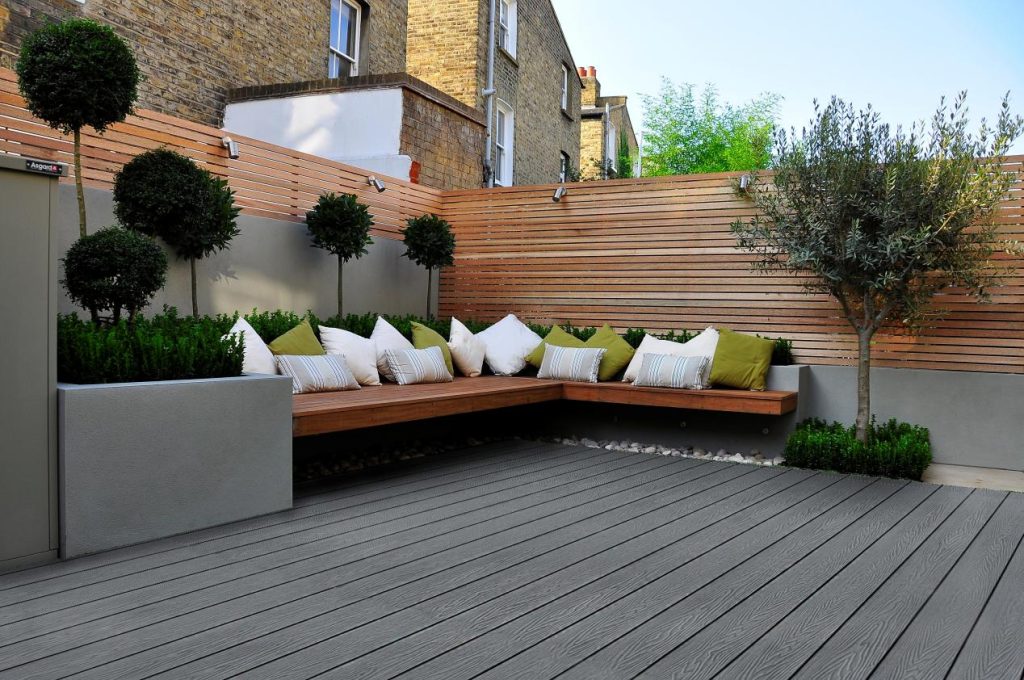
Decking is a popular outdoor feature for many homeowners, providing a beautiful and functional space for entertaining or relaxing. When it comes to choosing decking materials, two options often stand out: composite decking and wood decking. While both materials offer distinct advantages, the price can be a deciding factor for many people. In this article, we will provide a detailed comparison of composite decking vs wood decking, focusing on the price aspects from initial investment to long-term value.
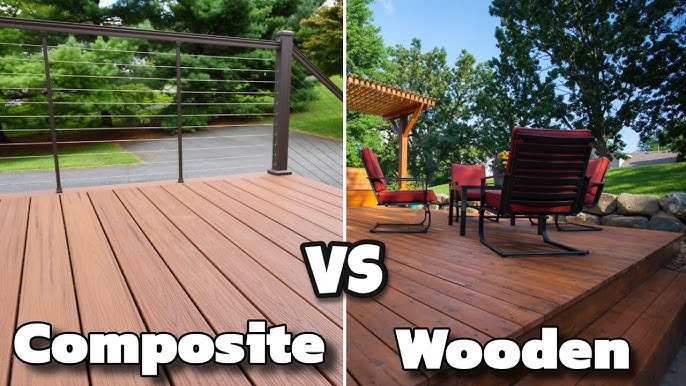
Table of Contents
Upfront Cost Comparison
The upfront cost of decking materials is one of the most critical factors in the decision-making process.
Wood Decking
- Pressure-treated lumber: This is the most common and affordable type of wood used for decking. The cost of pressure-treated wood typically ranges from $2 to $5 per square foot, depending on the quality and region.
- Cedar or Redwood: These woods are more expensive and are typically priced between $4 and $8 per square foot. These woods are naturally resistant to moisture and pests, which contributes to their higher price.
- Tropical Hardwoods (Ipe, Teak, etc.): Exotic woods can cost anywhere from $8 to $12 per square foot or higher. These woods are highly durable and offer a unique aesthetic but come with a higher initial cost.
Composite Decking
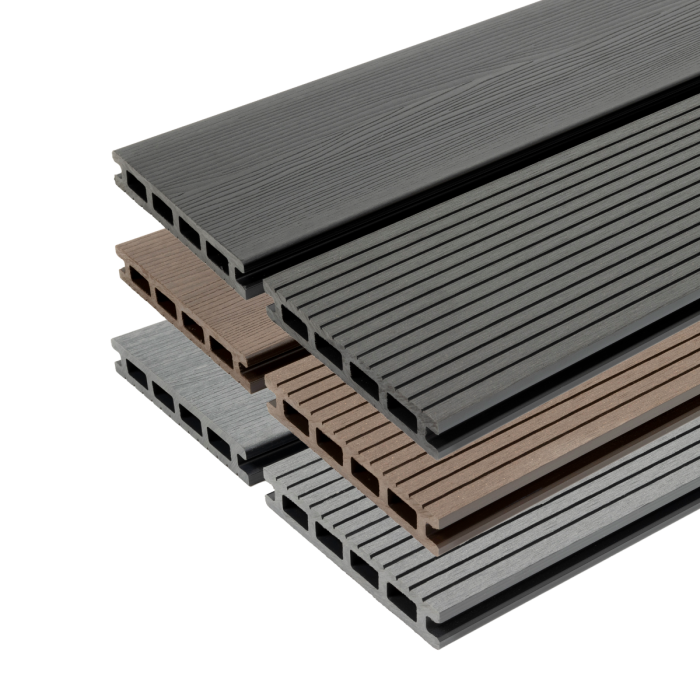
- Standard Composite: A basic composite deck material usually costs around $3 to $6 per square foot. These are typically made from a blend of wood fibers and plastic, offering durability and resistance to the elements.
- Premium Composite: High-end composite decking options, such as capped composites with a protective shell, can cost anywhere from $7 to $12 per square foot, depending on the brand and features. These composites are designed to look more like wood and last longer.
Price Comparison Summary
- Wood: $2 – $12 per square foot
- Composite: $3 – $12 per square foot
Overall, wood decking can be significantly cheaper than composite decking, especially when using pressure-treated lumber. However, the price can escalate with premium woods like cedar, redwood, or exotic hardwoods.
Maintenance Costs Over Time
Maintenance plays a big role in the long-term cost of decking. Wood decks require regular upkeep, while composite decks are marketed as low-maintenance.
Wood Decking Maintenance
Wood decks require frequent maintenance to keep them looking good and extending their lifespan.
- Sealing/Staining: Wood needs to be sealed or stained every 1 to 3 years to protect it from moisture, UV rays, and wear. The cost for sealing and staining materials can range from $200 to $500 per year, depending on the size of your deck.
- Repairs: Wood decks may develop splinters, cracks, or warping over time, which will require repairs. The cost for deck repairs can range from $100 to $500 per year, depending on the extent of damage.
- Cleaning: Wood decks also require periodic cleaning to prevent mildew and mold. A good cleaning solution might cost around $50 to $150 annually.
Composite Decking Maintenance
- Minimal Maintenance: Composite decks do not need to be sealed, stained, or painted. They only require occasional cleaning to remove dirt and debris. A power wash or a mild cleaning solution can cost about $50 to $100 per year.
- Repairs: While composite decks are generally more durable than wood, they can still be damaged by heavy impacts or extreme temperatures. However, repairs are usually minimal and less frequent.
Maintenance Cost Comparison Summary
- Wood: $200 – $500 per year for sealing, staining, cleaning, and repairs.
- Composite: $50 – $100 per year for basic cleaning and occasional repairs.
In terms of maintenance, composite decking is the clear winner, offering much lower long-term maintenance costs compared to wood.
Durability and Lifespan
The lifespan of your deck is another crucial consideration when comparing composite and wood decking.
Wood Decking Lifespan
- Pressure-treated wood: With proper care and maintenance, pressure-treated wood can last anywhere from 10 to 20 years.
- Cedar/Redwood: These woods can last around 15 to 25 years if properly maintained.
- Exotic Hardwood: Tropical hardwoods can last up to 30 years or more, but only with rigorous maintenance.
Composite Decking Lifespan
- Composite decks typically last between 25 to 30 years or even longer, depending on the brand and maintenance practices. Some premium composites come with warranties of up to 50 years.
Durability Comparison Summary
- Wood: 10 – 30 years, depending on the type of wood and maintenance.
- Composite: 25 – 50 years, with minimal maintenance required.
In terms of lifespan, composite decking offers a more extended service life, reducing the need for replacement or major repairs.
Aesthetic Value and Resale Value
While price is a key factor, the aesthetic appeal of the decking material and its potential to add value to your home should also be considered.
Wood Decking Aesthetics
Wood decks have a classic, natural appearance that many homeowners love. Cedar and redwood are particularly popular for their rich colors and pleasant aroma. Exotic hardwoods offer a high-end look but come at a higher price.
However, wood decks can fade over time due to UV exposure, and they may need refinishing to maintain their appearance. In regions with heavy rainfall, wood may warp or rot, affecting its aesthetic appeal.
Composite Decking Aesthetics
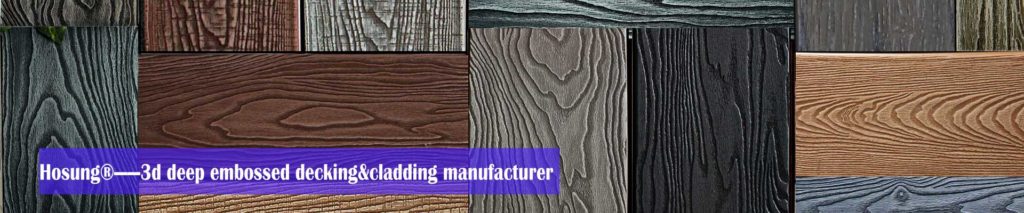
Composite decking has evolved over the years to look increasingly similar to wood. Some premium composite decking options even feature textures and colors that mimic real wood grain. Composite decks do not fade or require refinishing, maintaining their appearance for many years.
Resale Value Comparison
- Wood: While wood decking is a common choice, it may not add as much resale value to your home if it is poorly maintained. Well-maintained wood decks can still increase home value, especially if the wood is high-quality.
- Composite: Composite decks are seen as a more modern and durable option, which can increase a home’s resale value. Buyers may appreciate the low-maintenance nature of composite decking, which can be a selling point.
Environmental Impact
For environmentally conscious homeowners, the environmental footprint of the materials used for decking may be a significant consideration.
Wood Decking Environmental Impact
Wood decking, especially if it is sourced from sustainable forests, can be considered a more eco-friendly option. However, the wood’s preservation process (like pressure treatment) can involve chemicals that are harmful to the environment. Additionally, wood decks require regular maintenance, which often involves the use of chemical stains and sealants.
Composite Decking Environmental Impact
Composite decking is made from a blend of wood fibers and recycled plastics, making it a more environmentally friendly option compared to traditional wood. However, the production of composite decking materials still involves the use of plastics, which can have a negative environmental impact. Some composite brands have made strides in offering more sustainable and eco-friendly products, including using more recycled materials in their composition.
Cost Per Square Foot Over Time
To understand the overall value of each material, it’s important to consider the cost per square foot over the life of the deck.
Wood Decking
Taking into account the initial cost and maintenance over a 20-year period:
- Pressure-treated wood: $10 – $20 per square foot
- Cedar/Redwood: $15 – $30 per square foot
- Exotic Hardwood: $25 – $50 per square foot
Composite Decking
Considering the initial cost and minimal maintenance over 30 years:
- Standard composite: $15 – $25 per square foot
- Premium composite: $25 – $50 per square foot
Long-Term Cost Comparison Summary
- Wood: $10 – $50 per square foot (based on a 20-year lifespan)
- Composite: $15 – $50 per square foot (based on a 30-year lifespan)
When considering long-term costs, composite decking may be a better investment due to its minimal maintenance and longer lifespan.
Conclusion
In conclusion, both composite decking and wood decking offer unique advantages and drawbacks. While wood may offer a more affordable upfront cost, composite decking provides better long-term value due to its low maintenance, durability, and extended lifespan. When deciding between the two, consider not only the initial cost but also the long-term investment required for maintenance and repairs.
For homeowners on a budget, wood decking is a solid choice, but for those looking for a hassle-free, durable solution, composite decking is the way to go. Looking for wholesale composite decking for your project? Welcome to contact Hosung WPC!