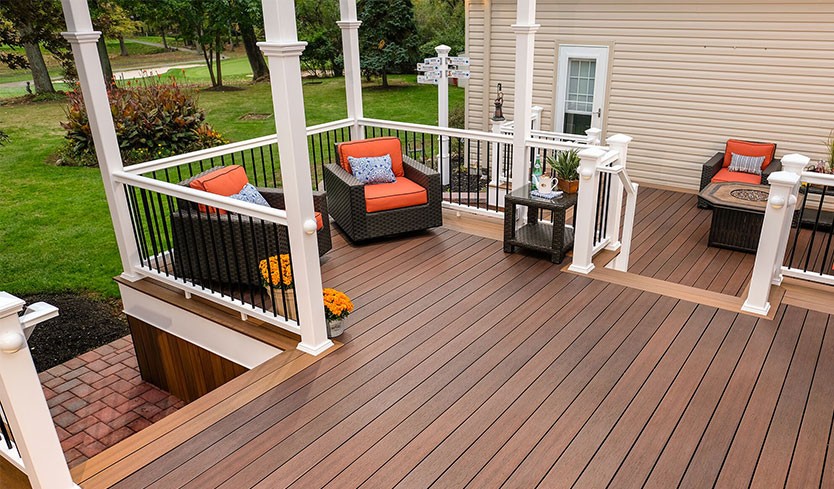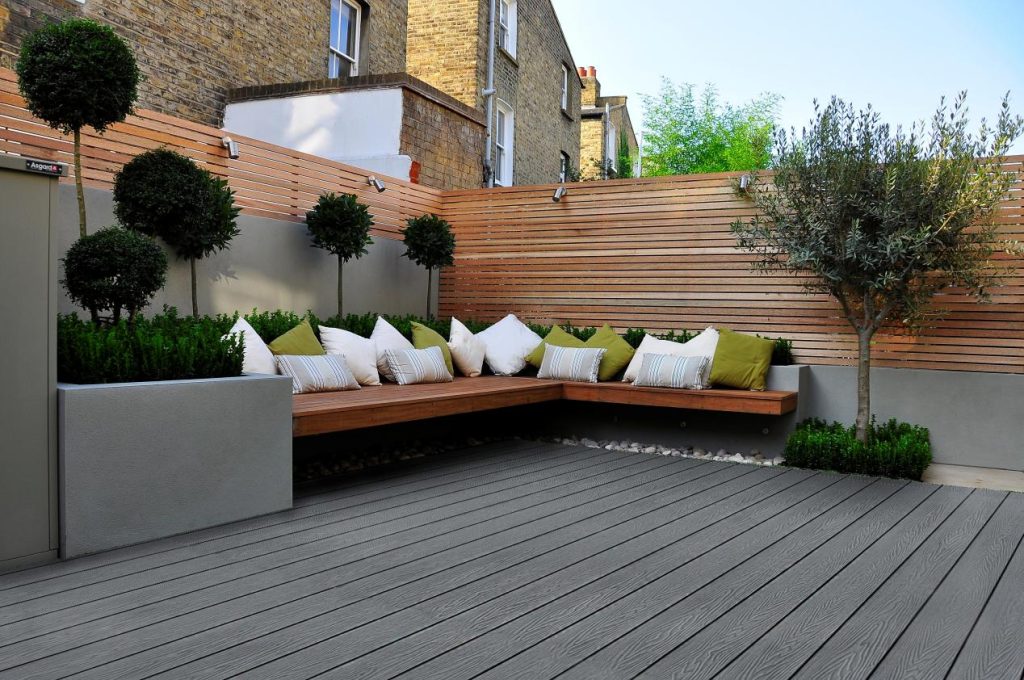
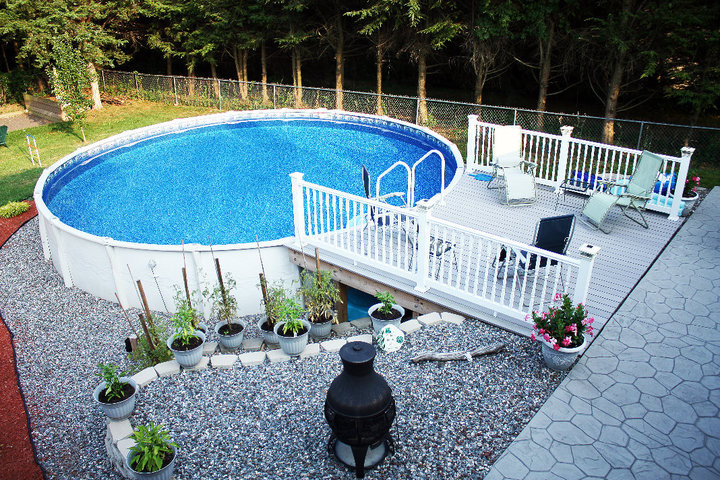
When designing the perfect poolside space, one of the most important decisions you’ll make is choosing the right decking material. While there are various options available, composite decking has become a popular choice due to its durability, low maintenance, and aesthetic appeal. This article will explore the key considerations when selecting composite decking for pool area use, offering tips to help you make an informed decision.
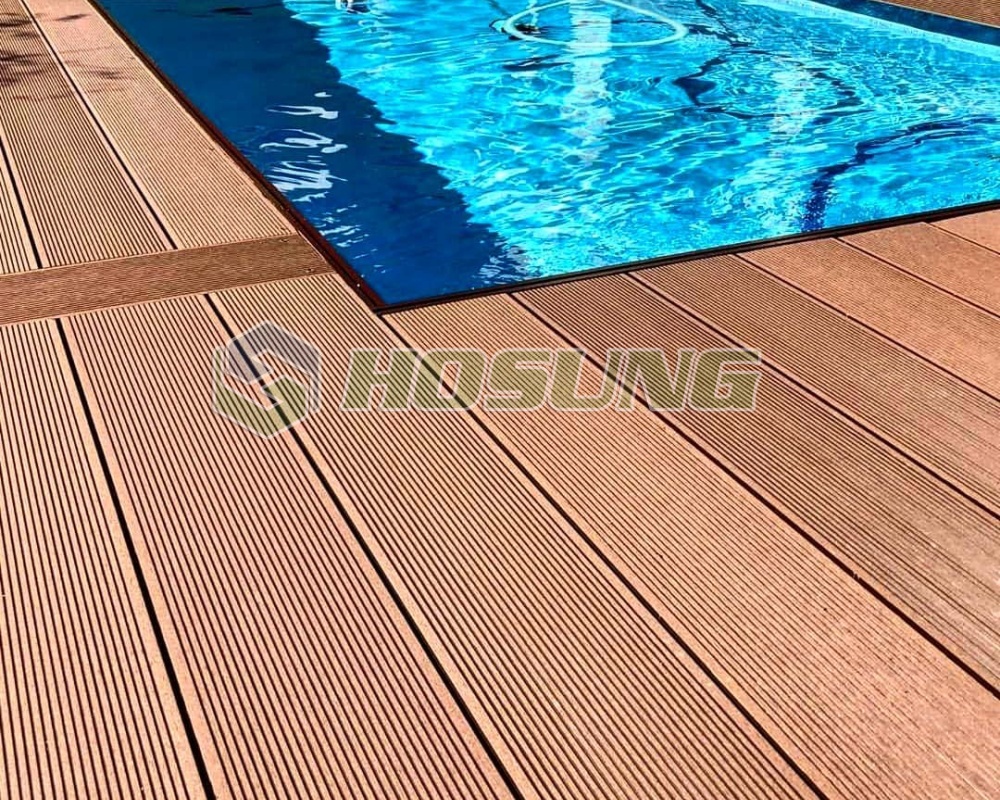
Table of Contents
Why Choose Composite Decking for Pool Area Installation?
Composite decking is made from a blend of wood fibers and plastic, making it an ideal material for outdoor areas like pool decks. Unlike traditional wood, composite decking doesn’t warp, rot, or splinter, which is crucial in a wet environment like a poolside. Additionally, composite decking resists fading, staining, and mold growth, offering long-term durability and easy upkeep.
Here are some of the key reasons why composite decking is ideal for pool areas:
- Water Resistance: Composite decking is resistant to moisture, which prevents swelling and warping common in natural wood.
- Low Maintenance: It requires minimal upkeep, as you don’t need to sand, stain, or seal it regularly.
- Durability: Composite materials are built to withstand the harsh elements, including the chlorine in pool water, ensuring your deck looks great for years.
- Slip Resistance: Many composite decking brands offer textured finishes, enhancing slip resistance—a critical feature near the pool.
- Aesthetic Flexibility: Composite decking comes in various colors and finishes, giving you the freedom to design your dream pool area.
1. Consider the Durability of the Material
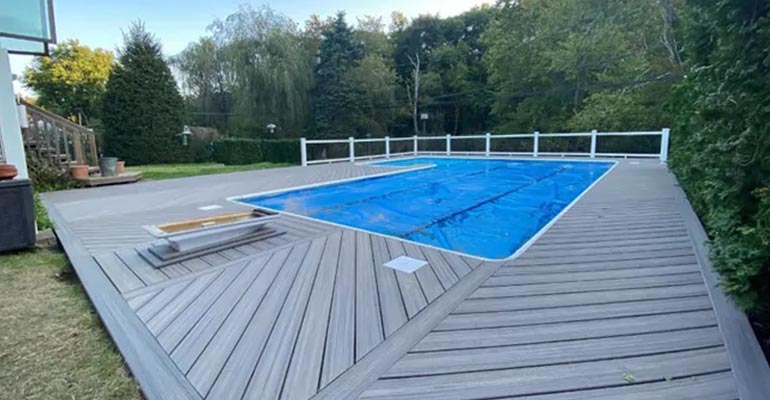
One of the most important factors when selecting composite decking for your pool area is its durability. The pool area is constantly exposed to water, which can damage certain materials over time. Composite decking is specifically designed to resist the damaging effects of moisture, making it an excellent choice.
- Weather Resistance: Look for composite decking materials that are resistant to moisture, mold, and mildew. The wet conditions around a pool can accelerate the decay of wood and other materials, but composite decking will hold up against these elements without deteriorating.
- Chlorine and Salt Resistance: Pools, especially those with saltwater systems, can be particularly harsh on outdoor materials. Choose composite decking that is rated for saltwater and chlorine resistance to ensure longevity and performance.
- Scratch Resistance: If you anticipate heavy use around the pool, it’s worth investing in composite decking that has a high scratch resistance. This feature will help preserve the appearance of your deck, even with frequent foot traffic and outdoor furniture.
2. Choose a Slip-Resistant Surface
Safety should always be a priority, particularly in a pool area where the deck can become slippery when wet. Slip resistance is an essential factor to consider when choosing composite decking.
- Textured Finish: Many composite decking brands offer textured finishes that help improve traction, even when wet. This feature will reduce the risk of slips and falls, making your pool area safer for family and guests.
- Grooved vs. Solid Decking: Some composite decking features grooves along the surface, while others have a solid finish. The grooved version may offer better drainage and a textured surface for added slip resistance. However, both options can work well if you choose a high-quality brand.
- Certification: Check if the composite decking material has passed safety tests for slip resistance, especially if your pool area is used by children, the elderly, or individuals with mobility issues.
3. Aesthetic Appeal and Style
The design of your pool area plays a significant role in the overall enjoyment of your outdoor space. Composite decking is available in various styles, colors, and textures, allowing you to customize your pool area to your personal taste.
- Color Options: Composite decking comes in a range of colors, from light wood tones to dark hues and even contemporary greys. Choose a color that complements your pool’s design and surrounding landscape.
- Wood-Look Finishes: If you love the aesthetic of natural wood but want the durability of composite materials, look for decking with a wood-look finish. Many composite decking options are designed to mimic the look of traditional hardwood, offering the best of both worlds.
- Edge and Border Details: The finishing touches, such as deck trim and border details, can elevate the overall design. Some composite decking brands offer matching edge trims, which can add a polished, professional look to your poolside.
4. Consider Maintenance and Cleaning
One of the main advantages of composite decking is its low maintenance compared to natural wood. However, not all composite decking materials are created equal when it comes to ease of cleaning and maintenance.
- Cleaning Requirements: Choose composite decking that is easy to clean and requires minimal effort. Some brands offer low-maintenance surfaces that only require periodic washing with soap and water to maintain their appearance.
- Stain Resistance: The pool area can experience accidental spills, such as drinks, sunscreen, or pool chemicals. It’s important to choose composite decking that is resistant to stains. Many composite options are designed to resist the penetration of oils and other substances, which helps to keep the deck looking clean and fresh.
- Sealing and Staining: One of the major benefits of composite decking is that you don’t need to worry about sanding, staining, or sealing the deck as you would with wood. This saves you both time and money in the long run.
5. Evaluate the Price and Warranty
While composite decking can be more expensive upfront compared to natural wood, its long-term durability and low maintenance make it a cost-effective option in the long run. When considering composite decking, it’s important to evaluate both the price and the warranty offered by the manufacturer.
- Price: The price of composite decking can vary depending on the brand, material composition, and style. Some premium options may be more expensive, but they often offer superior performance, aesthetics, and longevity.
- Warranty: Most high-quality composite decking brands offer extensive warranties, often ranging from 25 years to a lifetime. Be sure to check the details of the warranty to ensure it covers issues like fading, staining, and structural integrity. A strong warranty is a good indicator of the decking’s durability and the manufacturer’s confidence in the product.
6. Sustainability and Eco-Friendliness
If environmental concerns are important to you, look for composite decking made from recycled materials. Many composite decking manufacturers use a combination of recycled wood fibers and plastic, which reduces the environmental impact of production.
- Recycled Content: Choose composite decking that is made from a high percentage of recycled materials to help minimize the environmental footprint of your pool area renovation.
- Sustainability: Some composite decking products are also certified by environmental organizations, ensuring that they meet strict sustainability standards. Look for certifications like FSC (Forest Stewardship Council) or similar to verify the product’s environmental credentials.
7. Installation and Cost of Labor
Installing composite decking can be more complicated than laying traditional wood decking, so it’s important to factor in the cost of labor when budgeting for your project. While some composite decking products are easier to install, others may require special tools or professional installation.
- DIY Installation: If you’re planning to install the decking yourself, look for products that are designed for easy installation. Some composite decking options feature hidden fasteners, which eliminate the need for visible screws and make installation faster.
- Professional Installation: If you’re hiring a contractor, make sure to get an estimate for labor costs, as professional installation can add to the overall expense. However, a skilled installer can ensure that your composite decking is installed properly, maximizing its longevity and appearance.
8. Brands and Product Reviews
Finally, consider the reputation of the brand you choose for your composite decking. Some of the most trusted names in the industry include Trex, TimberTech, Fiberon, and Deckorators. These brands are known for their high-quality products, excellent warranties, and customer service.
- Product Reviews: Before making a final decision, be sure to read product reviews and testimonials from customers who have used the decking around their pools. This will give you valuable insight into the performance and longevity of the material.
- Brand Reputation: A well-established brand with positive reviews is likely to provide a better product and customer support than an unknown or lesser-known brand.
Conclusion
Selecting the right composite decking for your pool area is an important decision that will impact the aesthetic, safety, and maintenance of your outdoor space. By considering factors such as durability, slip resistance, aesthetic appeal, maintenance requirements, and sustainability, you can make an informed decision that will result in a poolside space you’ll love for years to come.
Investing in high-quality composite decking from Hosung will not only enhance the beauty and functionality of your pool area but also provide long-term value through low maintenance and exceptional durability. With careful planning and consideration, your poolside retreat will be the perfect place for relaxation and enjoyment.