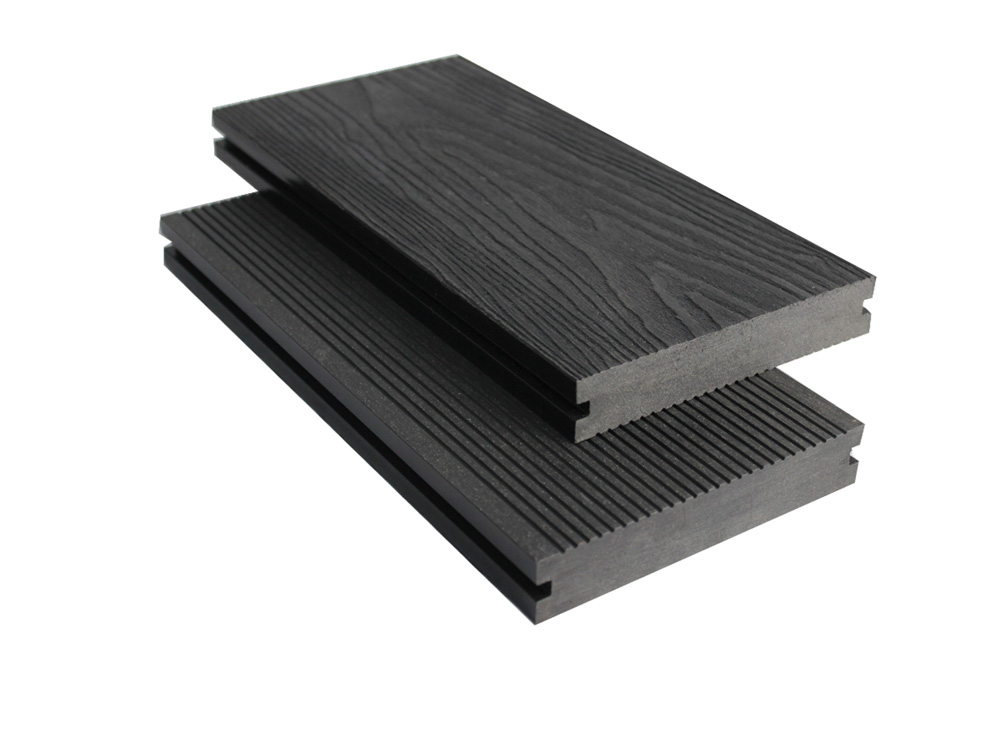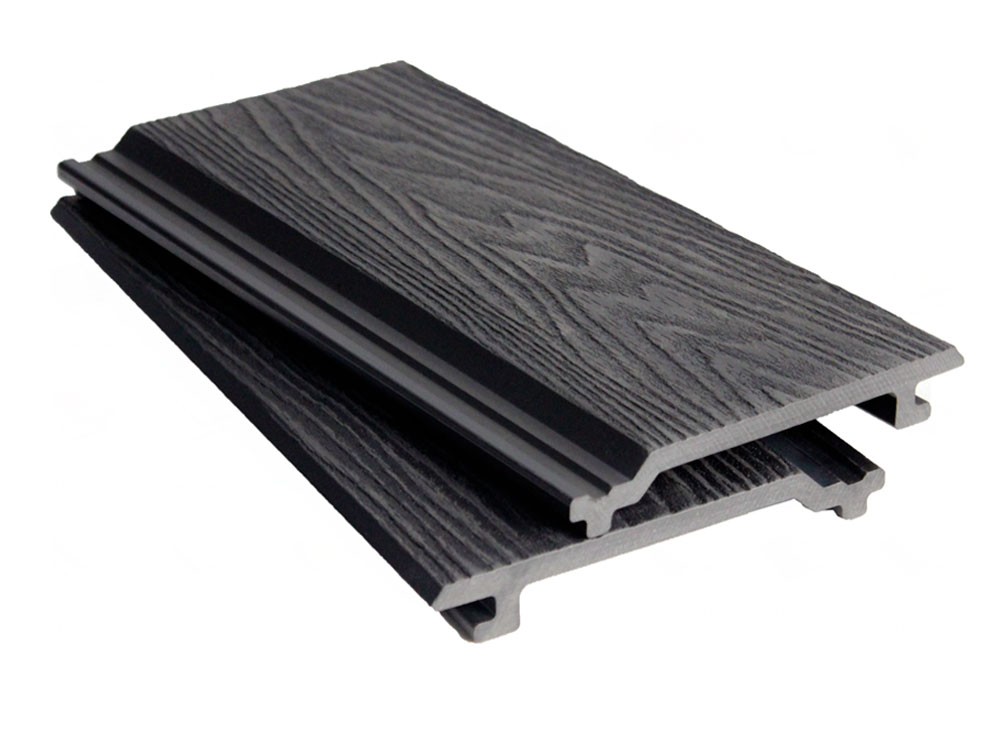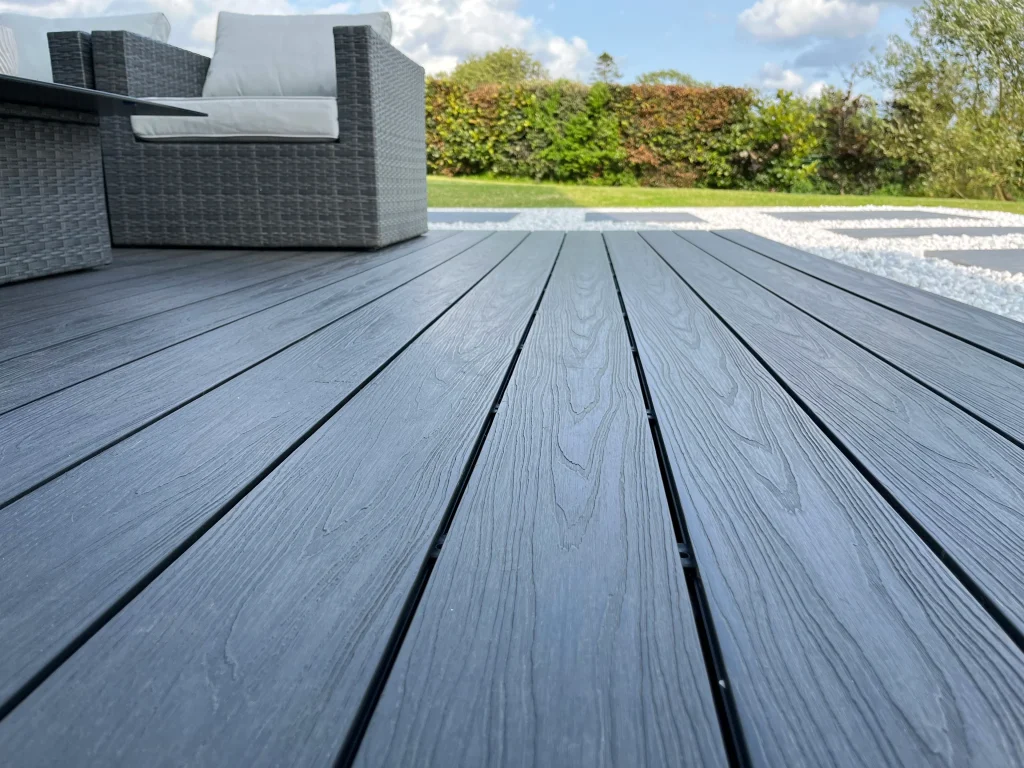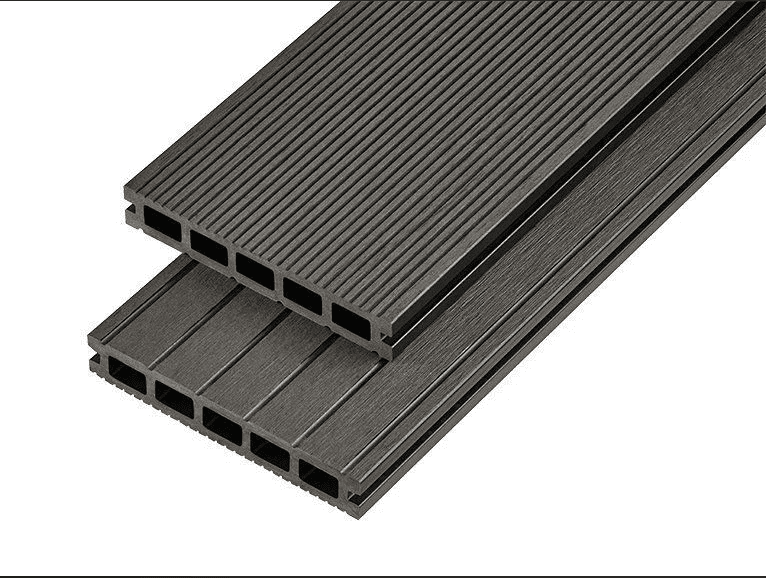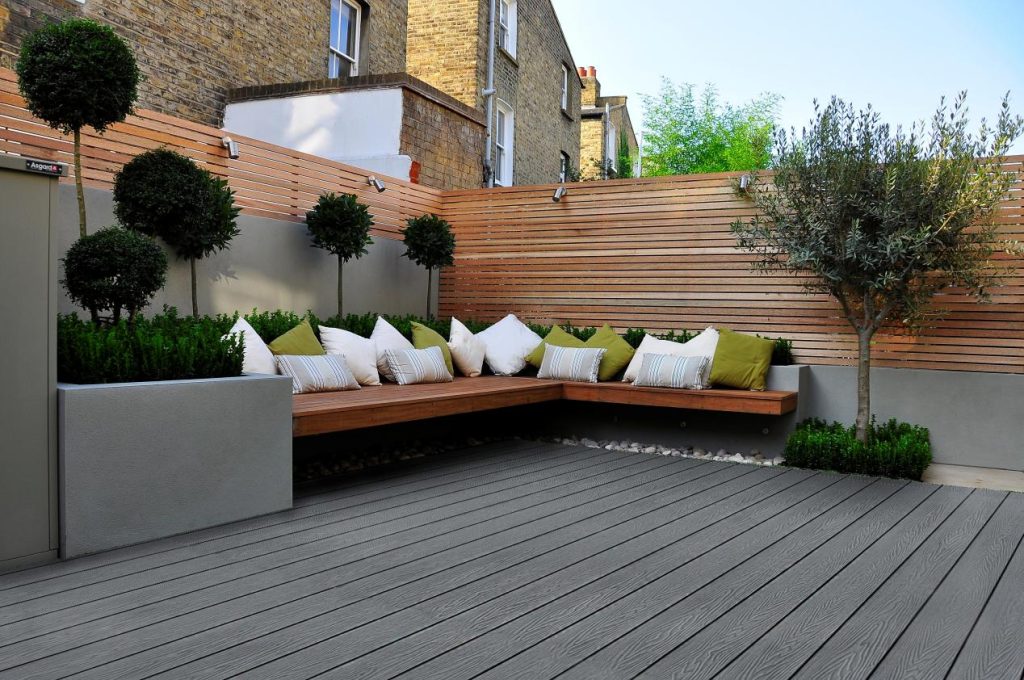
When planning a decking project, one of the most important yet often overlooked factors is the length of composite decking boards. While many people focus on color, texture, or price, board length plays a major role in installation efficiency, structural stability, appearance, and material waste. Composite decking has become one of the most popular outdoor flooring solutions due to its durability, low maintenance, and resistance to rot and insects. However, unlike natural timber, composite boards are manufactured in controlled sizes, which means their available lengths are standardized and sometimes limited. So, what is the longest length of composite decking available on the market? And how does board length affect your overall project?
Table of Contents
Understanding Composite Decking
Composite decking is a man-made building material typically composed of:
- Wood fibers or wood flour
- Plastic polymers (such as polyethylene or polypropylene)
- Additives for color, UV resistance, and strength
This combination creates a material that looks like wood but performs better in many outdoor environments.
Unlike natural wood, composite decking is produced through extrusion or molding processes. This manufacturing method directly influences the length of composite decking boards because they must be cooled, cut, and packaged in controlled production lines.
Standard Length of Composite Decking Boards
The length of composite decking varies slightly depending on manufacturer, region, and product line. However, most brands follow a set of industry-standard sizes.
Common standard lengths include:
- 8 ft (2.4 m)
- 12 ft (3.6 m)
- 16 ft (4.8 m)
- 20 ft (6.1 m)
- 22 ft (6.7 m) in some premium lines
Among these, 12 ft, 16 ft, and 20 ft boards are the most commonly used in residential decking projects.
Why these lengths are standard:
- Easier transportation and handling
- Compatibility with shipping containers and trucks
- Reduced risk of warping during cooling
- Efficient production line cutting systems
These standardized lengths ensure consistency and reduce manufacturing complexity.
So, What Is the Longest Length of Composite Decking?
In most mainstream markets, the longest length of composite decking typically ranges between:
20 feet to 24 feet (6.1 m to 7.3 m)
Some premium manufacturers or special-order products may offer slightly longer boards, but these are less common due to logistical and structural limitations.
Realistic maximum lengths:
- Standard production: up to 20 ft
- Premium/extended lines: up to 22–24 ft
- Custom industrial orders: sometimes beyond 24 ft (rare and expensive)
Why longer boards are limited:
Composite decking is not like raw lumber. It must go through controlled extrusion and cooling processes. The longer the board:
- The harder it is to cool evenly
- The greater the risk of internal stress or bending
- The more difficult it is to transport without damage
Because of these factors, manufacturers usually cap the length of composite decking at a practical limit.
Factors That Affect the Length of Composite Decking
Several engineering and logistical factors determine the maximum board length a manufacturer can offer.
1. Manufacturing Process Limitations
Composite decking is created using extrusion machines. These machines continuously form material, but the boards must be:
- Cooled evenly
- Cut to size
- Stored without deformation
Longer boards require more complex cooling systems to maintain straightness and structural integrity.
2. Transportation and Logistics
Shipping is one of the biggest constraints on the length of composite decking.
Standard freight systems are designed around:
- 20 ft containers
- 40 ft shipping containers
- Truck bed limitations
Boards longer than 20–24 ft become difficult and expensive to transport, increasing risk of breakage or bending.
3. Structural Performance
Long composite boards must maintain:
- Flexural strength
- Load-bearing capacity
- Resistance to sagging
As length increases, even small weaknesses in the material can become more pronounced, affecting performance over time.
4. Thermal Expansion
Composite materials expand and contract with temperature changes. Longer boards:
- Expand more noticeably
- Require larger expansion gaps
- Increase the risk of buckling if not installed correctly
This is a key reason why manufacturers limit board length.
5. Installation Practicality
Very long boards are harder to:
- Align correctly
- Fasten securely
- Replace if damaged
Installers often prefer manageable lengths for efficiency and safety.
Advantages of Longer Composite Decking Boards
Even though there are limitations, longer boards do offer several benefits when used correctly.
1. Fewer Seams
Longer boards reduce the number of joints in a deck surface, resulting in:
- Cleaner visual appearance
- More modern design
- Fewer weak points
2. Faster Installation
With fewer boards needed:
- Installation time is reduced
- Labor costs may decrease
- Fewer cuts are required
3. Improved Aesthetics
A continuous surface with minimal breaks enhances:
- Luxury appearance
- Visual flow
- Architectural consistency
4. Reduced Water Infiltration Points
Fewer seams mean fewer areas where water can collect, improving long-term durability.
Disadvantages of Long Composite Decking Boards
Despite the benefits, longer boards also present challenges.
1. Higher Cost
Longer boards often:
- Cost more per piece
- Require special shipping
- Increase project budget
2. Installation Difficulty
Handling long boards requires:
- More manpower
- Precision alignment
- Careful support during installation
3. Transport Challenges
Damage risk increases during shipping due to bending or impact.
4. Expansion Issues
Long boards are more affected by temperature-related movement, requiring careful spacing.
How to Choose the Right Length of Composite Decking
Selecting the correct length of composite decking depends on your project requirements.
1. Deck Size
- Small decks: 8–12 ft boards
- Medium decks: 12–16 ft boards
- Large decks: 16–20 ft boards
2. Design Preference
- Seamless look → longer boards
- Patterned design → mixed lengths
3. Installation Skill Level
- DIY projects: shorter boards preferred
- Professional installation: longer boards manageable
4. Budget Considerations
Longer boards may reduce labor but increase material and shipping costs.
Composite Decking Length vs Natural Wood
Natural wood often comes in longer, irregular lengths, while composite decking is standardized.
Wood decking:
- Can exceed 20 ft easily (depending on species)
- Less uniform
- More waste due to defects
Composite decking:
- Consistent lengths
- Lower waste during installation
- Better long-term stability
While wood may offer more flexibility in raw length, composite decking provides better predictability in the length of composite decking options.
Installation Tips for Long Composite Decking Boards
If you choose longer boards, proper installation is essential.
1. Proper Substructure Support
Ensure joists are:
- Evenly spaced
- Structurally sound
- Properly aligned
2. Expansion Gaps
Always follow manufacturer guidelines for spacing to allow movement.
3. Use Professional Tools
Long boards require:
- Proper cutting tools
- Alignment systems
- Secure fastening systems
4. Plan Layout in Advance
Minimize waste by planning board placement before installation begins.
Manufacturing Innovations Extending Decking Length
Modern technology is gradually improving the possible length of composite decking.
Innovations include:
- Improved cooling systems
- Reinforced polymer blends
- Fiber reinforcement technology
- Precision extrusion control
These advancements may allow longer boards in the future while maintaining stability.
Environmental Impact of Board Length Choices
Choosing the right length also affects sustainability.
Longer boards can:
- Reduce material waste
- Lower packaging requirements
- Decrease installation scraps
But they may also:
- Increase transport emissions
- Require special logistics
Balanced selection helps improve overall environmental efficiency.
Frequently Asked Questions
1. What is the standard length of composite decking?
Most composite decking boards range from 8 ft to 20 ft, depending on manufacturer.
2. What is the maximum length of composite decking available?
The longest commonly available length of composite decking is around 20–24 ft.
3. Can composite decking be cut to size?
Yes. Composite boards can be cut using standard woodworking tools.
4. Are longer boards better?
Not always. They reduce seams but can be harder to install and transport.
5. Do all manufacturers offer the same lengths?
No. Each brand has its own production limits and product lines.
Conclusion
The length of composite decking in Hosung is a key factor that influences design, installation efficiency, cost, and long-term performance. While most composite decking boards come in standard lengths ranging from 8 ft to 20 ft, the longest options typically reach up to 24 ft in premium or specialized products.
Choosing the right length is not just about going longer—it is about balancing aesthetics, practicality, structural performance, and budget. For most residential and commercial projects, mid-range lengths offer the best combination of convenience and durability.
Understanding these factors ensures a smoother installation process and a more professional finished result, helping you make the most of your composite decking investment.