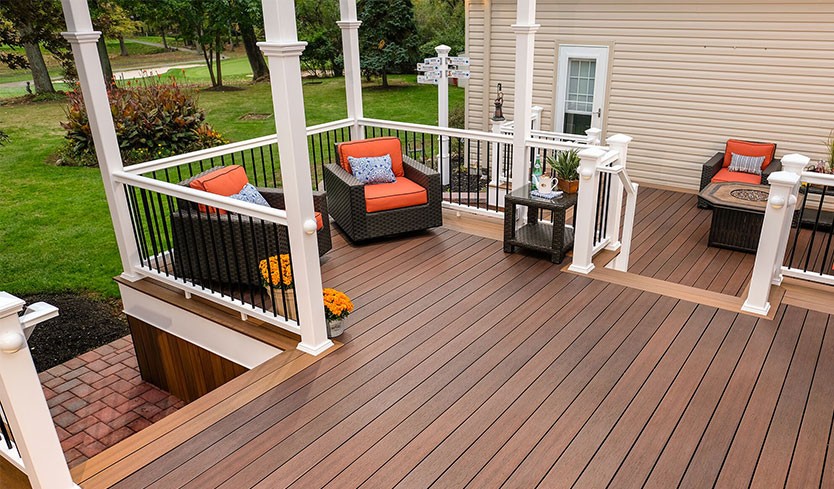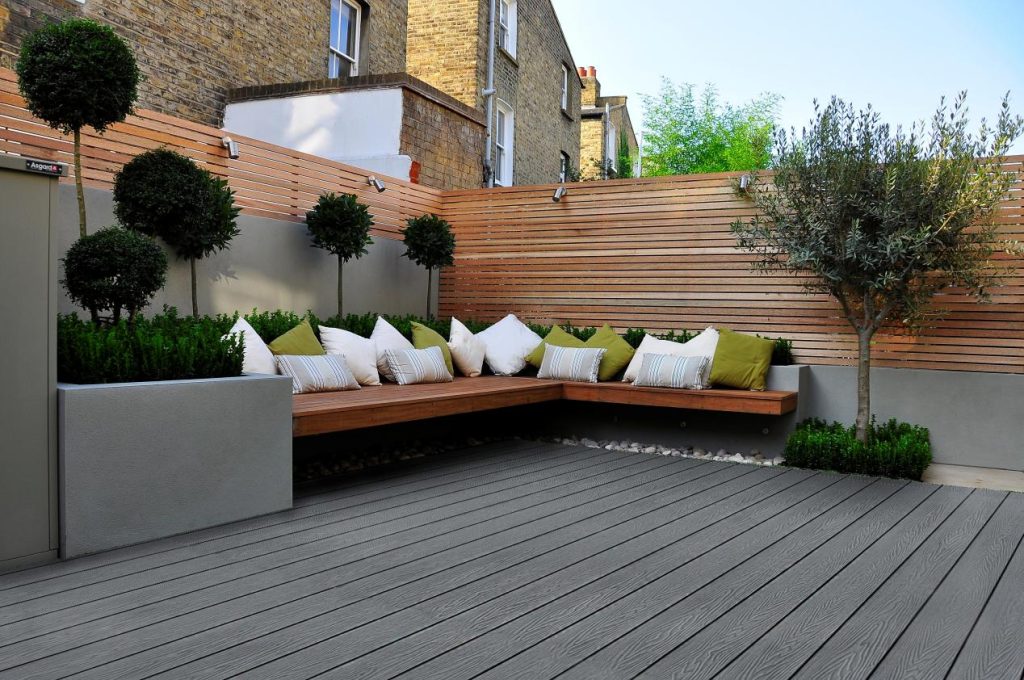
Composite decking has become an increasingly popular choice in residential and commercial landscaping, primarily used for decks, patios, and outdoor flooring. With its durability, low maintenance, and aesthetic appeal, homeowners are exploring other ways to utilize composite decking materials. One common question that arises is: can you use composite decking for fencing? In this article, we will thoroughly explore the feasibility, benefits, drawbacks, installation tips, and design ideas for using composite decking as fencing material.
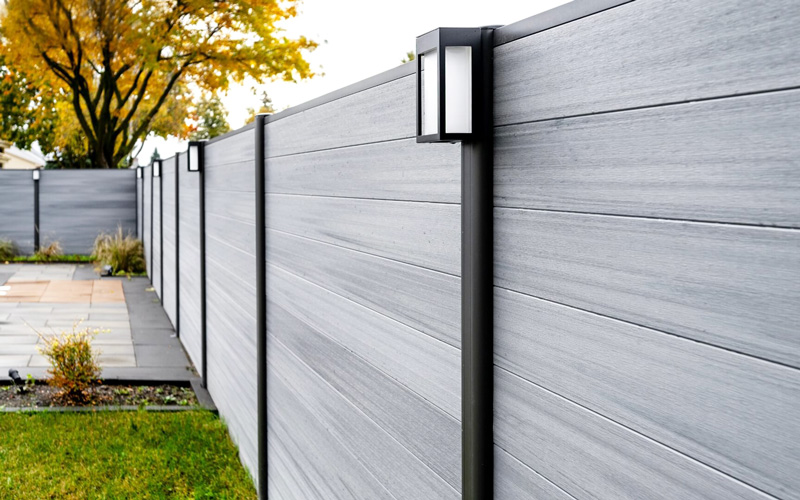
Table of Contents
What Is Composite Decking?
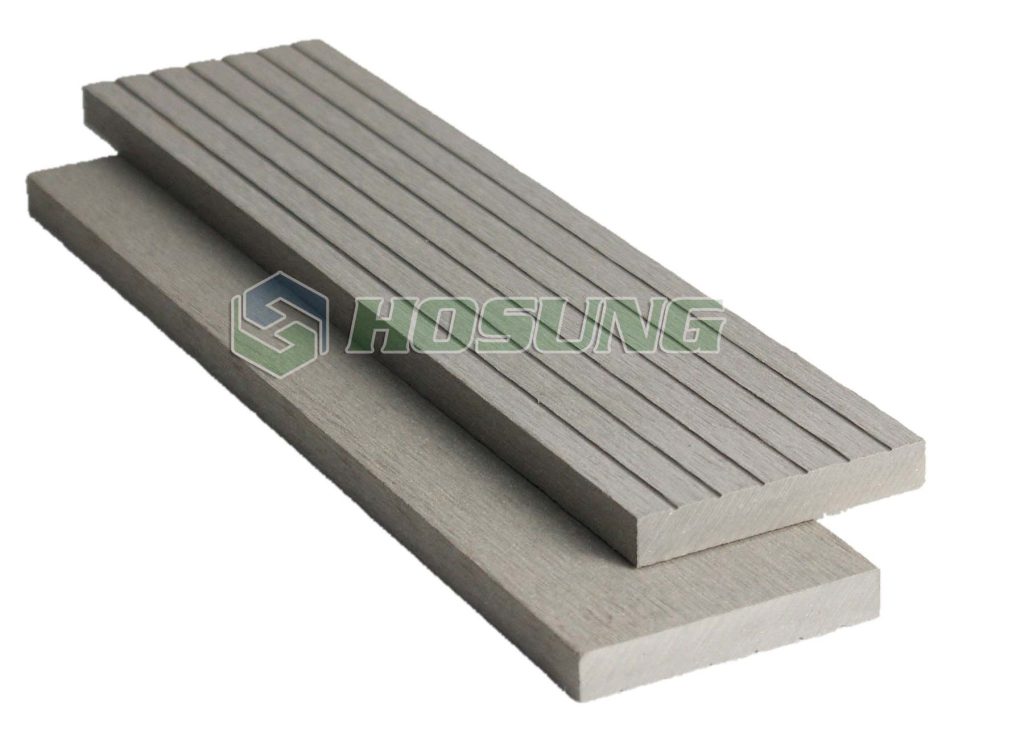
Before discussing its application for fencing, it’s essential to understand what composite decking is. Composite decking is a manufactured material made by combining wood fibers, plastic, and bonding agents to create a durable and weather-resistant building material. Unlike traditional wood, composite decking is designed to resist rotting, warping, and fading, making it an attractive alternative for outdoor projects.
Key Features of Composite Decking
- Durability: Composite decking can withstand harsh weather conditions, including rain, snow, and UV exposure.
- Low Maintenance: Unlike wood, it doesn’t require regular staining or sealing. Cleaning with soap and water is usually sufficient.
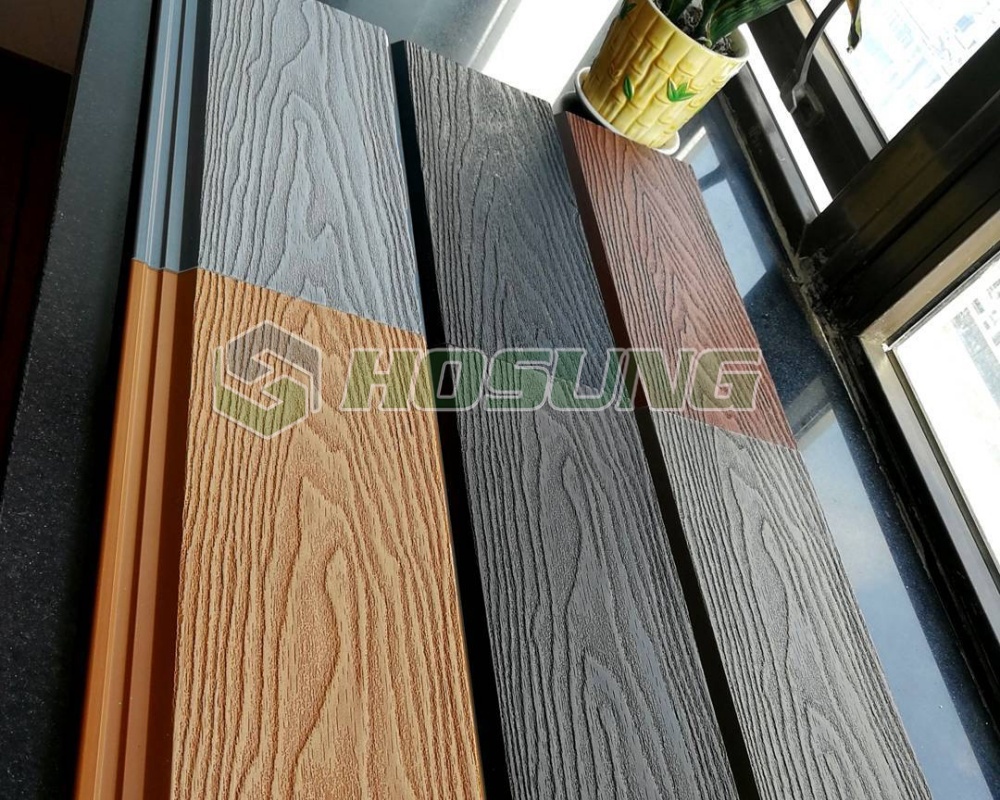
- Aesthetic Versatility: Available in multiple colors, textures, and finishes, including wood-grain patterns.
- Eco-Friendly Options: Many composite boards are made from recycled materials, reducing environmental impact.
- Insect Resistance: Resistant to termites and other wood-destroying insects.
Given these properties, it’s no surprise homeowners are considering composite materials beyond traditional decking.
Why Consider Composite Decking for Fencing?
Fencing serves multiple purposes: privacy, security, boundary marking, and enhancing the property’s visual appeal. Traditional wooden fences often require regular maintenance, and vinyl fencing can feel sterile or flimsy. Composite decking offers a middle ground with durability, appearance, and flexibility.
Benefits of Using Composite Decking for Fencing
- Longevity
Composite fencing can last 25 years or more without significant deterioration, making it a long-term investment. Unlike wood, it won’t splinter, warp, or rot, even in damp climates. - Low Maintenance
Composite boards don’t require painting, staining, or sealing. Occasional cleaning with a hose or soft brush is enough to maintain its appearance. - Customizable Appearance
Composite boards come in a variety of colors and textures. Homeowners can match their fence to their decking or choose complementary shades. Some brands offer wood-like finishes for a natural appearance. - Eco-Friendly Choice
Many composite boards use recycled wood and plastic. Using them for fencing helps reduce the demand for freshly cut timber. - Resistant to Insects and Fungi
Unlike wood, composite decking does not attract termites, carpenter ants, or other insects, and it’s resistant to mold and mildew. - Consistency in Size and Quality
Composite boards are manufactured to uniform specifications, ensuring a straight, even fence line without knots or imperfections commonly found in natural wood. - Versatility
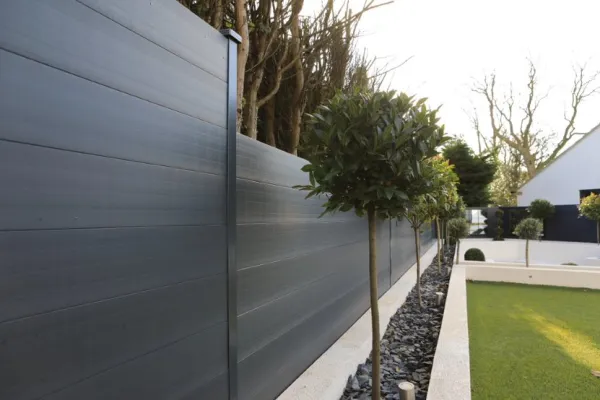
Composite boards can be used for various fence styles, including privacy fences, picket fences, and horizontal slat designs. They can also be combined with metal or aluminum posts for added strength.
Potential Drawbacks
While composite fencing has numerous advantages, it’s important to understand its limitations:
- Higher Initial Cost
Composite boards are more expensive than traditional wood or vinyl per linear foot. However, lower maintenance costs over time can offset the initial investment. - Weight
Composite boards can be heavier than wood, requiring sturdier posts and hardware for support. - Heat Retention
Dark-colored composite boards can absorb heat, making them warm to the touch in direct sunlight. This is usually a minor issue for fences but worth considering in very sunny climates. - Limited Flexibility for Custom Cutting
While composite boards can be cut to size, they are less forgiving than wood when adjusting for uneven terrain or intricate designs. - Potential for Fading
Over many years, the color of composite boards may fade slightly due to UV exposure, though this is less pronounced than wood fading.
Types of Composite Decking Suitable for Fencing
Not all composite boards are ideal for fencing. When selecting boards, consider the following factors:
- Thickness: A thicker board (1 inch or more) will provide better rigidity for fencing.
- Width: Narrower boards (4-6 inches) are easier to handle and install for vertical fencing panels.
- Profile: Solid boards are generally more suitable for fencing than hollow boards because of their structural strength.
- Finish: Textured surfaces resist scratches and provide a natural look, while smooth boards are easier to clean.
Some popular composite decking brands have specific lines marketed as multi-purpose or fence-grade boards. Always check the manufacturer’s recommendations.
Types of Fence Designs Using Composite Decking
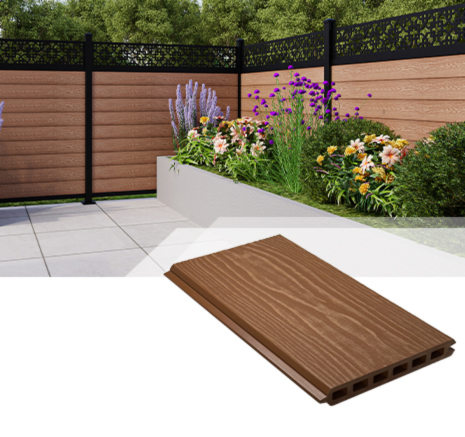
Composite decking allows for a range of fence designs:
1. Vertical Privacy Fence
- Boards are installed vertically, tightly spaced for maximum privacy.
- Can reach heights of 6–8 feet, depending on post strength.
- Ideal for residential backyards and pool areas.
2. Horizontal Slat Fence
- Horizontal boards provide a modern, sleek appearance.
- Allows for some airflow and light while maintaining partial privacy.
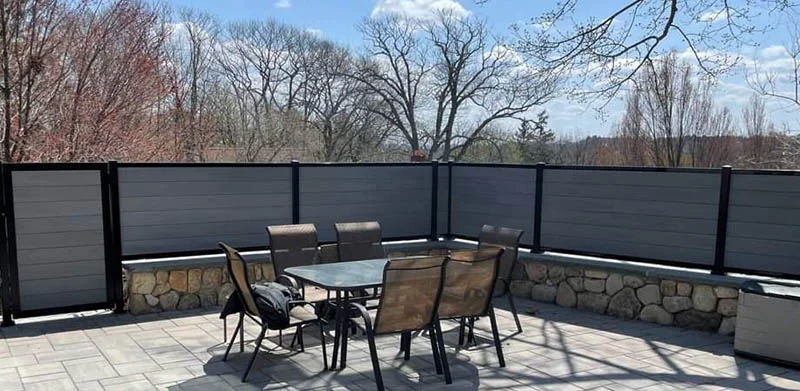
- Works well with aluminum or steel posts for added structural integrity.
3. Picket Fence Style
- Mimics traditional wooden picket fences but requires less maintenance.
- Boards are spaced evenly with uniform height.
- Perfect for front yards and gardens.
4. Mixed Material Fences
- Combine composite boards with metal, stone, or concrete posts.
- Offers aesthetic variety and additional structural support.
- Popular for commercial and high-end residential properties.
Installation Considerations
Installing a composite fence differs slightly from traditional wood fencing. Key considerations include:
1. Fence Posts
- Use strong posts such as pressure-treated wood, metal, or aluminum.
- Concrete footings are recommended for taller fences to prevent sagging.
- Posts should be spaced 6–8 feet apart, depending on board weight.
2. Fasteners
- Use stainless steel screws or hidden fastener systems to avoid corrosion.
- Some boards allow clips or brackets for a clean, seamless appearance.
3. Ground Clearance
- Leave a small gap between the bottom board and soil to prevent moisture accumulation and prolong the fence life.
4. Board Orientation
- Vertical boards are standard for privacy fences.
- Horizontal boards require extra reinforcement to prevent bowing over time.
5. Expansion and Contraction
- Composite boards expand and contract with temperature changes. Leave small gaps as recommended by the manufacturer to prevent buckling.
6. Cutting and Handling
- Use carbide-tipped saw blades for cutting composite boards.
- Avoid excessive force, as composite material can chip or crack.
Cost Considerations
Composite fencing is more expensive upfront than wood or vinyl, but it saves money over time:
- Material Costs: $20–$40 per linear foot depending on brand, board thickness, and design.
- Installation Costs: Professional installation can range from $35–$60 per linear foot. DIY projects reduce labor costs but require proper tools.
- Maintenance Savings: Minimal upkeep reduces long-term costs compared to wood fencing, which may require annual staining and repairs.
Maintenance Tips
Composite fencing is low-maintenance, but these tips will prolong its life:
- Regular Cleaning: Use a hose, mild detergent, and soft brush to remove dirt or stains.
- Avoid Pressure Washing: High-pressure washing can damage the surface.
- Inspect for Damage: Check screws, posts, and boards periodically to ensure stability.
- Prevent Mold: Ensure proper drainage around the base to prevent water accumulation.
Environmental Considerations
Composite fencing is often made from recycled materials, which reduces environmental impact. However, the production process involves plastics and bonding agents. Choosing brands that use post-consumer recycled plastic and certified wood fibers maximizes eco-friendliness. Disposal at the end of its lifecycle can be more complicated than natural wood, as composite boards are not biodegradable.
Design Inspiration
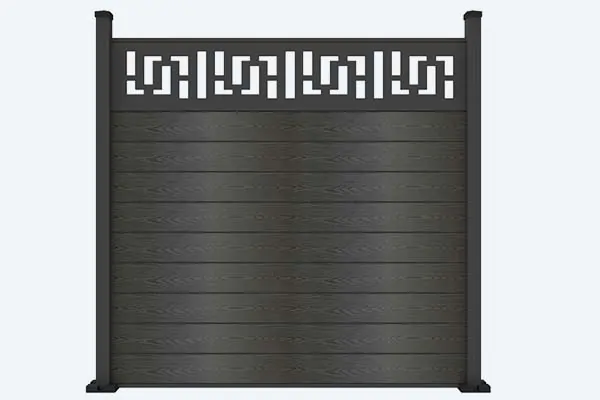
1. Modern Minimalist Fence
- Horizontal composite boards with metal posts.
- Natural or gray tones complement contemporary home exteriors.
2. Classic Wood-Look Fence
- Vertical boards with wood-grain finish.
- Offers the warmth of wood without maintenance hassles.
3. Two-Tone Fence
- Dark-colored horizontal boards on the lower section, lighter boards on top.
- Adds visual interest and separates private and decorative zones.
4. Garden-Friendly Fence
- Lower composite pickets allow flowers or shrubs to peek through.
- Upper solid panels provide privacy and security.
DIY vs Professional Installation
DIY Installation
- Requires basic tools: saw, drill, level, tape measure.
- Offers cost savings but demands careful handling due to composite board weight and precision requirements.
- Good option for small fences or garden enclosures.
Professional Installation
- Recommended for taller fences, long perimeters, or complex designs.
- Ensures structural integrity, proper fastener use, and compliance with local building codes.
- Typically faster and results in a cleaner finish.
Local Regulations and Permits
Before installing a composite fence, check local zoning laws and homeowners association rules. Factors to consider:
- Maximum fence height
- Setback requirements from property lines
- Material restrictions
- Permit requirements
Ignoring these regulations can result in fines or forced removal, so planning ahead is Ignoring local building codes or HOA requirements can lead to fines, forced modifications, or even removal of the fence. Planning ahead ensures the project runs smoothly and avoids unnecessary costs or delays.
Conclusion
So, can you use composite decking for fencing? The answer is yes—composite decking is a highly viable and increasingly popular option for fencing applications. It offers a strong combination of durability, aesthetic flexibility, and low maintenance, making it an excellent alternative to traditional wood or vinyl fencing.
While the initial cost is higher, the long-term benefits—such as reduced maintenance, extended lifespan, and consistent appearance—make it a practical investment for many property owners. With proper installation, suitable materials, and attention to design details, composite decking can create fences that are both functional and visually appealing.
Whether used for privacy, decoration, or boundary definition, composite fencing represents a modern solution that aligns with today’s demand for sustainable, low-maintenance outdoor materials. Want to get more about the composite decking with wholesale price? Welcome to contact Hosung!