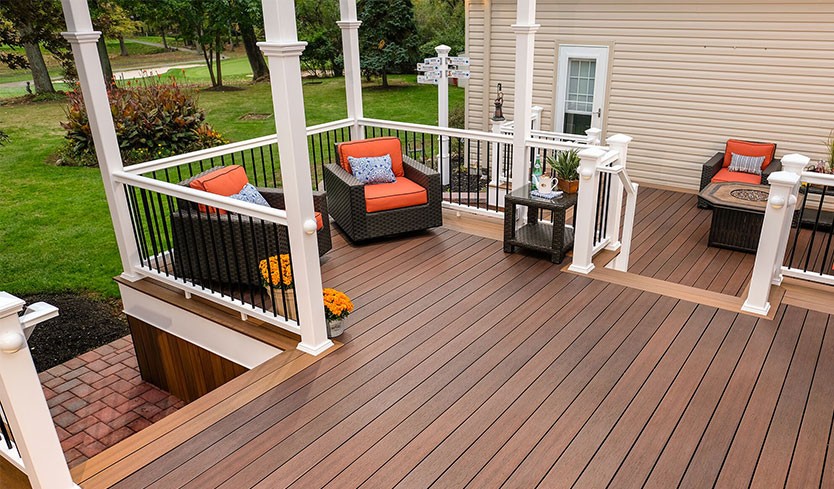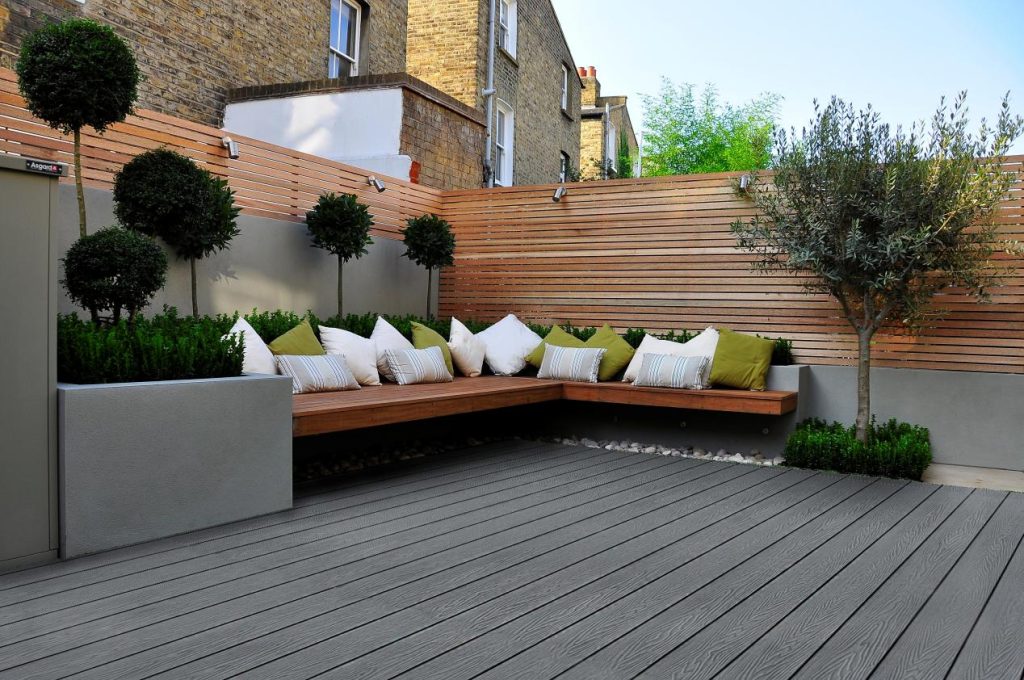
The demand for durable, low-maintenance outdoor building materials has grown rapidly in recent years. Among the most popular choices for modern construction and landscaping projects are composite decking materials. For contractors, distributors, and project developers, sourcing wholesale composite decking boards has become a strategic way to reduce costs while maintaining consistent quality across large-scale projects. Unlike traditional wood, composite decking offers improved durability, resistance to moisture, and long-term aesthetic appeal. As construction standards evolve, buyers are increasingly turning to bulk purchasing models to ensure supply stability and competitive pricing. This guide provides a complete overview of wholesale composite decking boards, including material structure, advantages, purchasing strategies, installation considerations, cost factors, and market trends.
Table of Contents
More About Composite Decking Boards?
Composite decking boards are engineered products made from a combination of:
- Wood fibers or wood flour
- Recycled plastic materials (HDPE or PVC)
- Binding additives and stabilizers
This blend creates a material that mimics the appearance of natural wood while offering significantly improved performance.
Key Characteristics
- Wood-like texture and appearance
- High resistance to rot and decay
- Minimal water absorption
- UV and weather resistance
- Long service life
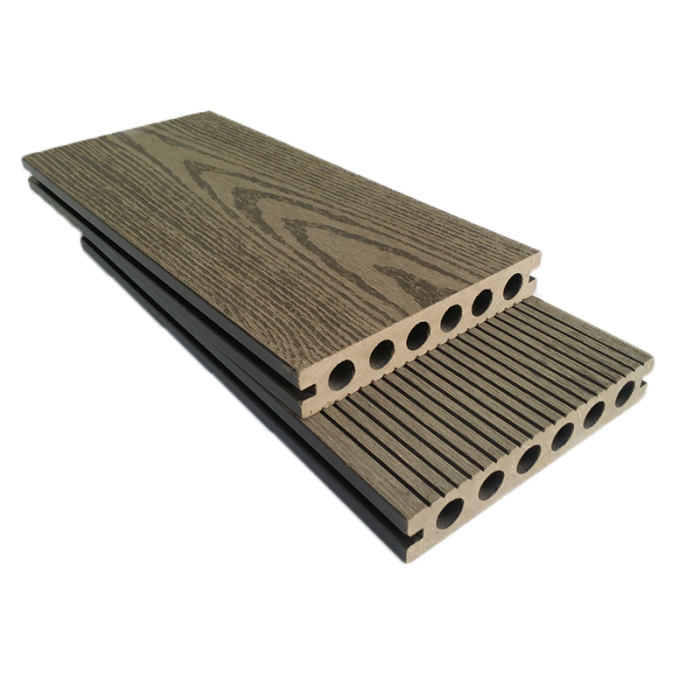
When purchasing wholesale composite decking boards, buyers typically choose between hollow and solid core structures depending on application needs.
Why the Demand for Wholesale Composite Decking Boards Is Growing
The construction and landscaping industries are shifting toward sustainable and cost-efficient materials. Several factors contribute to the increasing demand for wholesale composite decking boards:
1. Expansion of Outdoor Living Spaces
Residential and commercial properties are investing heavily in outdoor decks, patios, and recreational areas.
2. Sustainability Requirements
Composite materials often use recycled plastics and wood waste, aligning with green building standards.
3. Long-Term Cost Efficiency
While initial costs may be higher than wood, lifecycle costs are significantly lower.
4. Reduced Maintenance Requirements
No need for frequent painting, sealing, or anti-rot treatments.
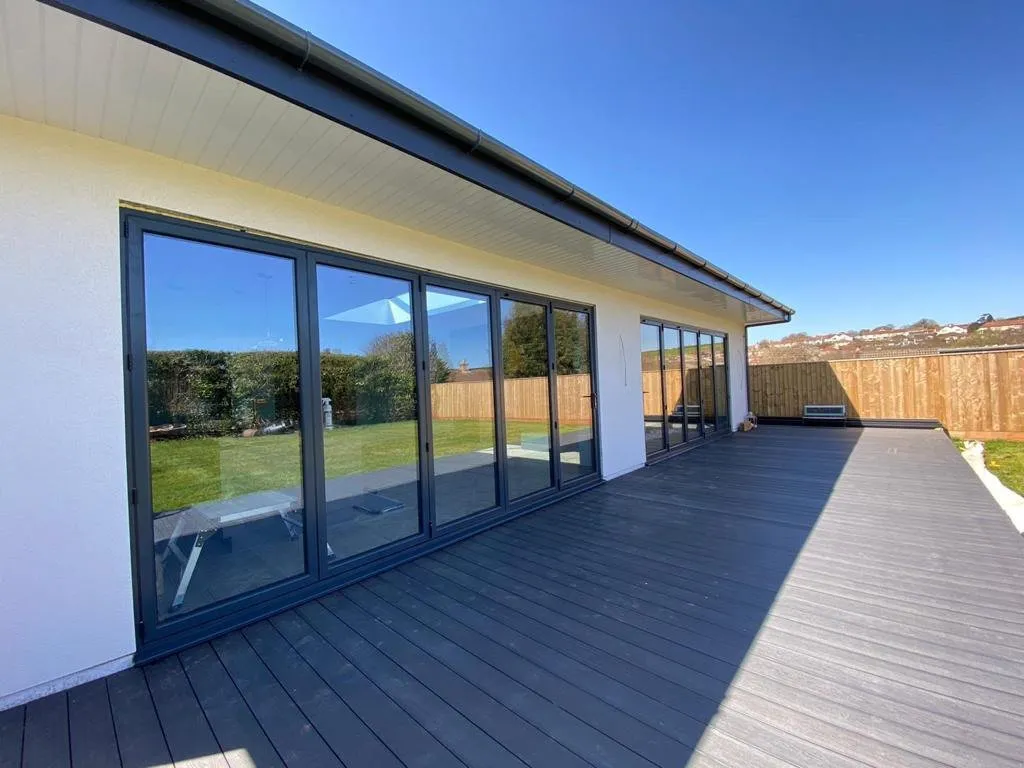
Advantages of Wholesale Composite Decking Boards
Purchasing in bulk offers additional benefits beyond product performance.
1. Cost Savings
Buying wholesale composite decking boards significantly reduces per-unit cost, especially for large construction projects.
2. Consistent Quality
Wholesale orders ensure that all boards come from the same production batch, reducing color and texture variation.
3. Supply Stability
Large-scale projects benefit from guaranteed material availability.
4. Customization Options
Wholesale suppliers often offer:
- Custom colors
- Surface textures
- Length and thickness variations
- Private labeling for distributors
5. Higher Project Efficiency
Bulk supply reduces procurement time and logistical complexity.
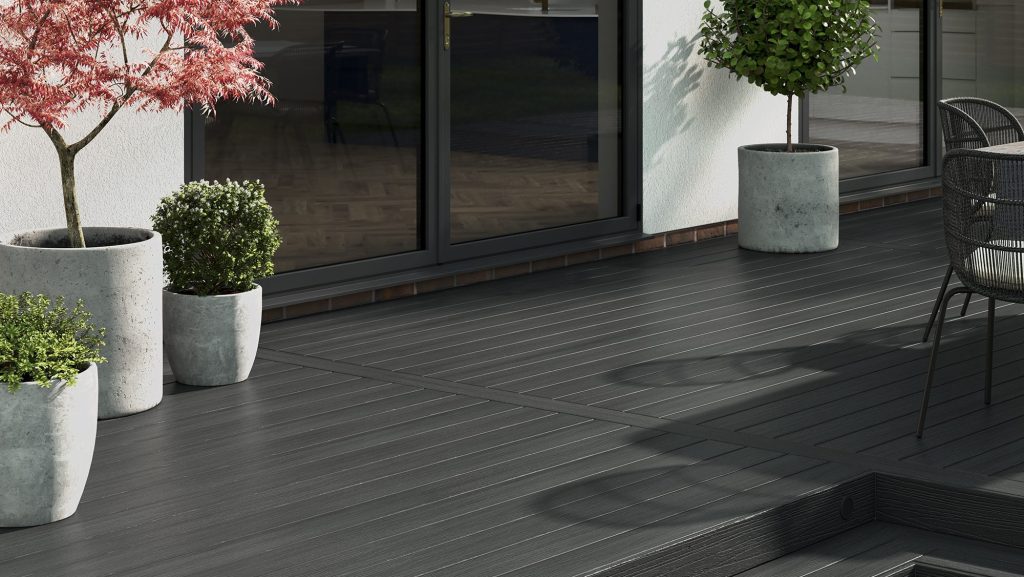
Types of Composite Decking Boards Available in Wholesale Markets
When sourcing wholesale composite decking boards, buyers will encounter several product categories:
1. Hollow Composite Decking
- Lightweight
- Cost-effective
- Suitable for residential use
- Easier installation
2. Solid Composite Decking
- Higher strength and durability
- Suitable for commercial and high-traffic areas
- Better load-bearing capacity
3. Co-extruded Composite Decking
- Protective polymer shell layer
- Enhanced stain and scratch resistance
- Longer lifespan
4. Embossed and Brushed Surface Decking
- Improved anti-slip performance
- More natural wood-like texture
Each type of wholesale composite decking boards serves different project requirements, making supplier selection crucial.
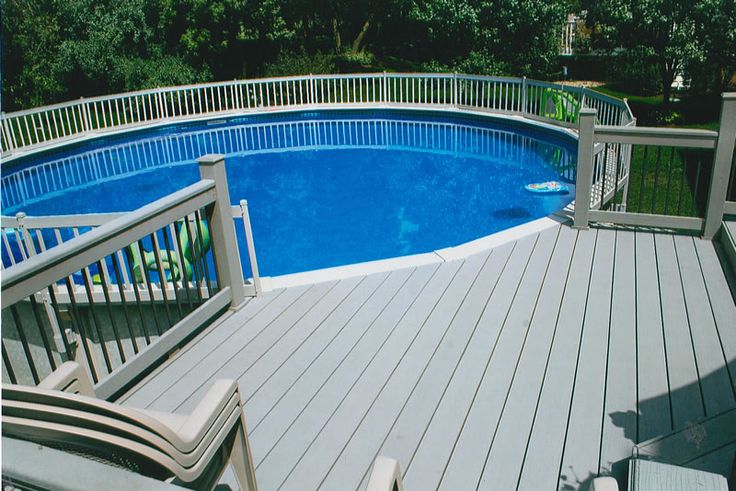
Applications of Wholesale Composite Decking Boards
Composite decking boards have become a versatile material choice across multiple industries due to their durability, low maintenance, and aesthetic appeal. Their adaptability allows them to meet the specific demands of both residential and commercial projects, as well as public infrastructure and specialized environments like marine and coastal areas. Below, we explore these applications in greater detail.
1. Residential Construction
Residential construction remains one of the primary markets for wholesale composite decking boards. Homeowners and builders are increasingly choosing composite decking for outdoor living areas because of its long lifespan and minimal upkeep compared to traditional wood. Typical applications include:
- Backyard decks: Composite decking boards are ideal for creating spacious, attractive backyard decks where families can relax or entertain guests. Their resistance to moisture and insects ensures that the deck remains safe and visually appealing year-round.
- Garden walkways: Installing composite decking boards as garden paths enhances the landscape’s functionality and beauty. They provide a clean, non-slip surface that complements outdoor plants, water features, and decorative elements.
- Balcony flooring: For high-rise apartments or residential complexes, composite decking boards are an excellent choice for balcony flooring. Their lightweight yet durable properties make them easy to install while maintaining structural integrity.
- Rooftop terraces: Increasingly, urban spaces utilize rooftops for recreational purposes. Using wholesale composite decking boards on terraces offers residents a safe, aesthetically pleasing outdoor space that withstands direct sunlight, rain, and temperature fluctuations.
Additionally, many homeowners prefer composite decking because it eliminates the need for regular staining, painting, or sealing, saving both time and money in the long term. Purchasing wholesale composite decking boards allows builders and developers to provide consistent quality across multiple residential units or projects.
2. Commercial Projects
Commercial applications of wholesale composite decking boards are diverse, ranging from hospitality venues to office complexes. Businesses benefit from the boards’ durability, ease of maintenance, and ability to create a professional, inviting environment.
- Hotels and resorts: Resorts and hotels frequently use composite decking boards around swimming pools, lounges, and outdoor dining areas. Their water-resistant and slip-resistant properties ensure safety for guests, while their aesthetic versatility allows for seamless integration with the resort’s design theme.
- Restaurants with outdoor seating: Many restaurants expand their seating into outdoor areas to improve customer experience. Composite decking boards provide a clean, durable surface that handles heavy foot traffic without the warping, splintering, or staining common in natural wood.
- Shopping malls: Outdoor or semi-outdoor spaces in shopping malls, such as patios, food courts, or pedestrian pathways, benefit from the consistent quality and low maintenance of composite decking boards. By sourcing wholesale composite decking boards, developers can outfit large commercial areas efficiently and cost-effectively.
- Office leisure spaces: Corporate offices are increasingly designing outdoor terraces or garden areas for employee relaxation. Composite decking boards create a comfortable and stylish environment suitable for informal meetings, social gatherings, or wellness activities.
In all commercial applications, using wholesale composite decking boards allows businesses to maintain a consistent appearance across multiple projects or locations, ensuring brand consistency and professional presentation.
3. Public Infrastructure
Government and municipal projects increasingly turn to wholesale composite decking boards due to their durability and environmental benefits. Public infrastructure requires materials that can withstand heavy use and varying weather conditions over long periods. Key applications include:
- Parks and boardwalks: Composite decking boards are ideal for constructing walking trails, picnic areas, and recreational zones in parks. Their resistance to wear and environmental exposure ensures that public spaces remain safe and functional for years.
- Waterfront promenades: Along rivers, lakes, and coastal areas, composite decking boards provide an attractive, low-maintenance surface that resists rot, warping, and corrosion. Their ability to handle foot traffic and exposure to moisture makes them perfect for boardwalks and promenades.
- Tourist attractions: Popular tourist sites often require durable, visually appealing decking for viewing platforms, observation decks, and pathways. Composite boards provide a reliable solution that reduces maintenance costs for local authorities while offering a safe and attractive surface for visitors.
Because of their eco-friendly composition, including recycled plastics and wood fibers, composite decking boards are increasingly favored in public projects seeking green certifications or sustainability initiatives.
4. Marine and Coastal Areas
One of the standout advantages of wholesale composite decking boards is their suitability for marine and coastal environments. Unlike natural wood, which can rapidly deteriorate in high-moisture or salty conditions, composite boards maintain structural integrity and visual appeal over time. Applications include:
- Docks and piers: Composite decking boards are ideal for constructing docks, piers, and marinas. They withstand constant exposure to water, resist UV damage, and provide slip-resistant surfaces for safety.
- Beach boardwalks: Coastal pathways experience high traffic and harsh weather conditions. Composite boards are resistant to moisture, sand abrasion, and salt, ensuring a long-lasting surface for tourists and local residents.
- Boat ramps and waterfront platforms: These structures benefit from composite decking boards’ durability and resistance to rot, reducing maintenance requirements and enhancing user safety.
Moreover, the non-toxic composition of modern composite decking boards ensures they do not leach harmful substances into the marine environment, making them an environmentally responsible choice for coastal applications.
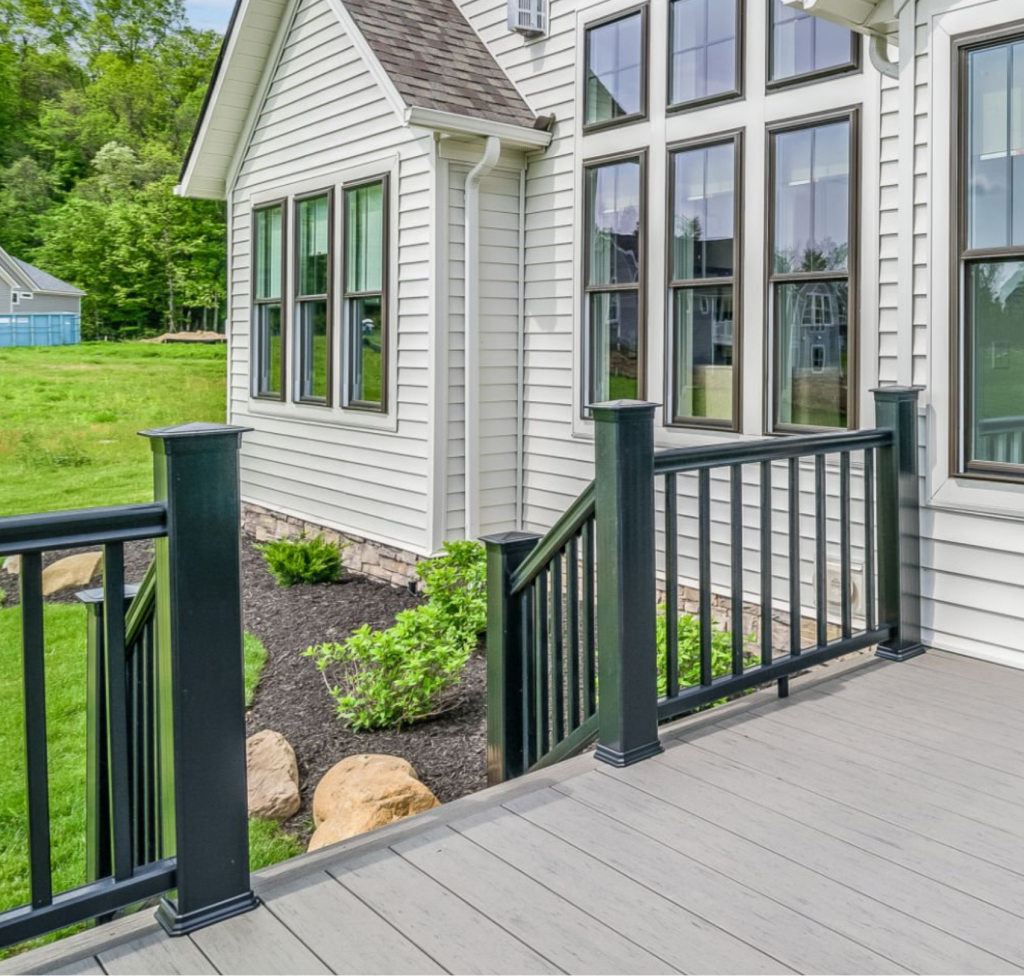
How to Choose the Right Wholesale Composite Decking Boards Supplier
Selecting a reliable supplier is one of the most important steps in procurement.
1. Manufacturing Capacity
Ensure the supplier can handle large-volume orders consistently.
2. Quality Certifications
Look for certifications such as:
- ISO quality management
- CE certification
- Environmental compliance standards
3. Raw Material Composition
High-quality boards should contain:
- High percentage of wood fiber
- Stable recycled plastic base
- UV-resistant additives
4. Production Technology
Advanced extrusion and co-extrusion technologies improve product durability.
5. Customization Ability
A good supplier of wholesale composite decking boards should support OEM and ODM services.
Pricing Factors of Wholesale Composite Decking Boards
Several elements influence wholesale pricing:
1. Material Composition
Higher plastic content or co-extruded layers increase cost.
2. Board Thickness and Dimensions
Thicker boards are more expensive due to increased material usage.
3. Surface Treatment
Embossing, brushing, or protective coatings add to production costs.
4. Order Volume
Larger orders typically reduce unit price significantly.
5. Shipping and Logistics
International freight costs can impact final pricing.
Installation Guide for Composite Decking
Proper installation ensures maximum performance and longevity.
Preparation Steps
- Ensure a stable substructure (steel or treated wood frame)
- Maintain proper spacing for drainage
- Use compatible fasteners
Installation Process
- Lay the joists with correct spacing
- Fix starter clips or base fasteners
- Align wholesale composite decking boards carefully
- Secure boards using hidden fastening systems
- Leave expansion gaps for temperature changes
Common Installation Mistakes
- Ignoring thermal expansion gaps
- Improper subframe leveling
- Using incompatible screws or clips
Maintenance Tips for Composite Decking Boards
One of the biggest advantages of wholesale composite decking boards is low maintenance.
Routine Cleaning
- Use water and mild soap
- Soft brush for surface dirt
- Avoid harsh chemicals
Preventing Stains
- Clean spills quickly
- Use protective mats under grills or furniture
Seasonal Care
- Inspect fastening systems annually
- Remove debris from gaps
- Wash surface at least twice per year
Comparing Composite Decking with Traditional Wood
Durability
- Composite: High resistance to rot and insects
- Wood: Requires chemical treatment
Maintenance
- Composite: Minimal upkeep
- Wood: Frequent sealing and painting required
Lifespan
- Composite: 20–30 years
- Wood: 10–15 years (depending on maintenance)
Environmental Impact
- Composite decking uses recycled materials
- Wood contributes to deforestation if not sustainably sourced
For large-scale buyers, wholesale composite decking boards offer a more predictable long-term solution.
Market Trends in Wholesale Composite Decking Boards
The global decking market continues to expand due to urban development and lifestyle changes.
1. Increased Demand for Eco-Friendly Materials
Recycled composites are becoming industry standard.
2. Growth in Prefabricated Construction
Decking systems are increasingly integrated into modular building designs.
3. Advanced Surface Technology
New coatings improve:
- Scratch resistance
- Color stability
- Anti-slip performance
4. Expansion in Emerging Markets
Asia, Middle East, and South America are major growth regions.
5. Digital Procurement Channels
More buyers are sourcing wholesale composite decking boards through online B2B platforms.
Challenges in Wholesale Composite Decking Procurement
Despite advantages, buyers should be aware of potential challenges:
1. Quality Variation Between Suppliers
Not all manufacturers maintain consistent standards.
2. Color Matching Issues
Different production batches may vary slightly.
3. Shipping Delays
International logistics can impact project timelines.
4. Price Fluctuations
Raw material costs affect wholesale pricing.
Conclusion
Composite decking has become a preferred material for modern outdoor construction due to its durability, low maintenance, and environmental benefits. For contractors, distributors, and project developers, sourcing wholesale composite decking boards is not only a cost-effective strategy but also a long-term investment in quality and reliability.
By understanding material types, supplier selection, installation practices, and market trends, buyers can make informed decisions that enhance project performance and profitability.
As global demand continues to rise, wholesale composite decking boards will remain a key product in the outdoor construction and landscaping industry, offering a balance of aesthetics, functionality, and sustainability.