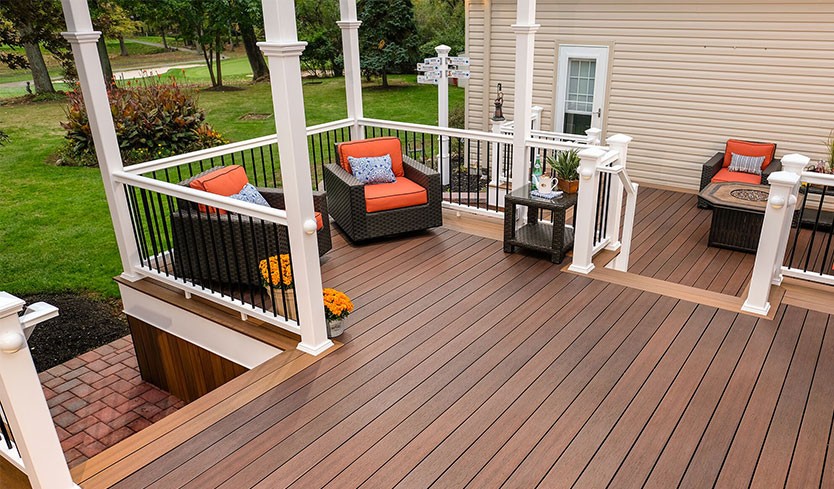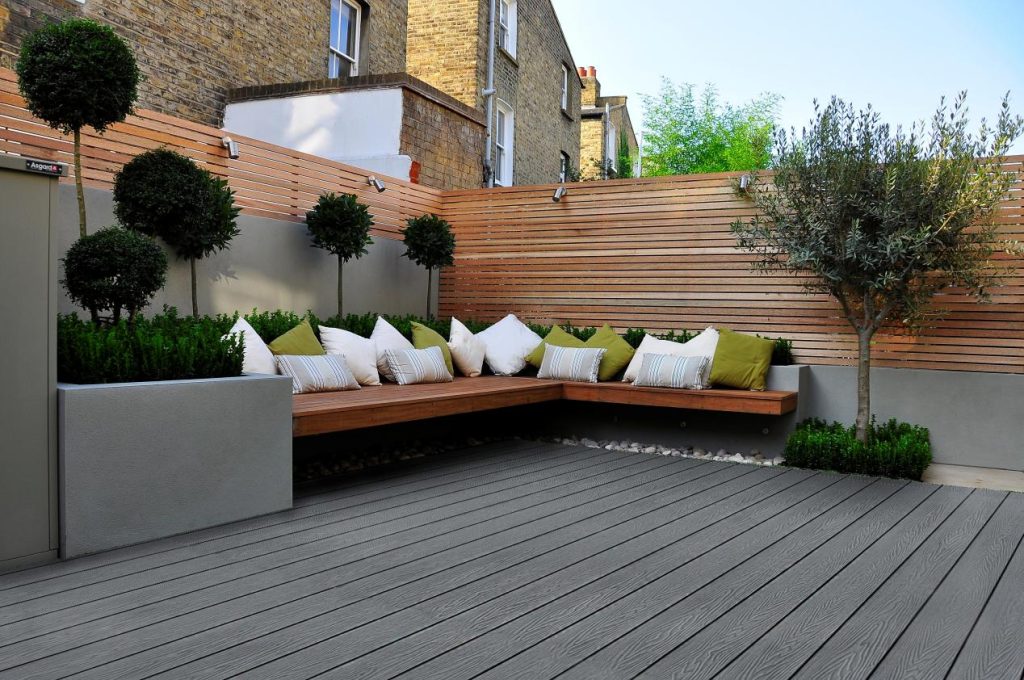
Composite decking has become one of the most popular alternatives to traditional wood decking, especially for homeowners and commercial builders who want durability, low maintenance, and long-term value. However, not all composite decking is the same. There are several types, each with different structures, materials, and performance levels. Choosing the best type depends on where it will be used, climate conditions, budget, and expected lifespan. This guide explains the main types of composite decking, compares their strengths and weaknesses, and helps you decide which option is best for your project.
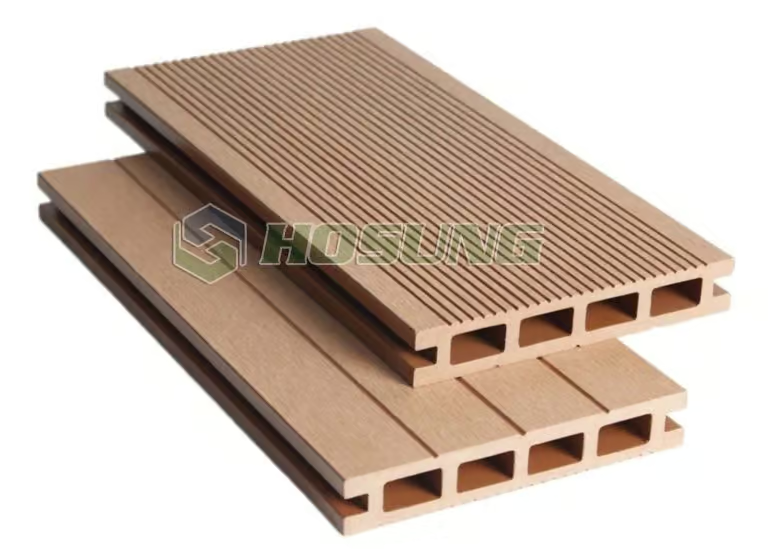
Table of Contents
Understanding Composite Decking
Composite decking is made by combining wood fibers with plastic materials. This mixture creates boards that look like natural wood but offer better resistance to moisture, insects, and decay.
There are three main categories:
- Wood-Plastic Composite (WPC)
- PVC-based composite decking
- Advanced capped composite decking
Each type performs differently in terms of durability, appearance, maintenance, and cost.
Wood-Plastic Composite (WPC) Decking
What it is
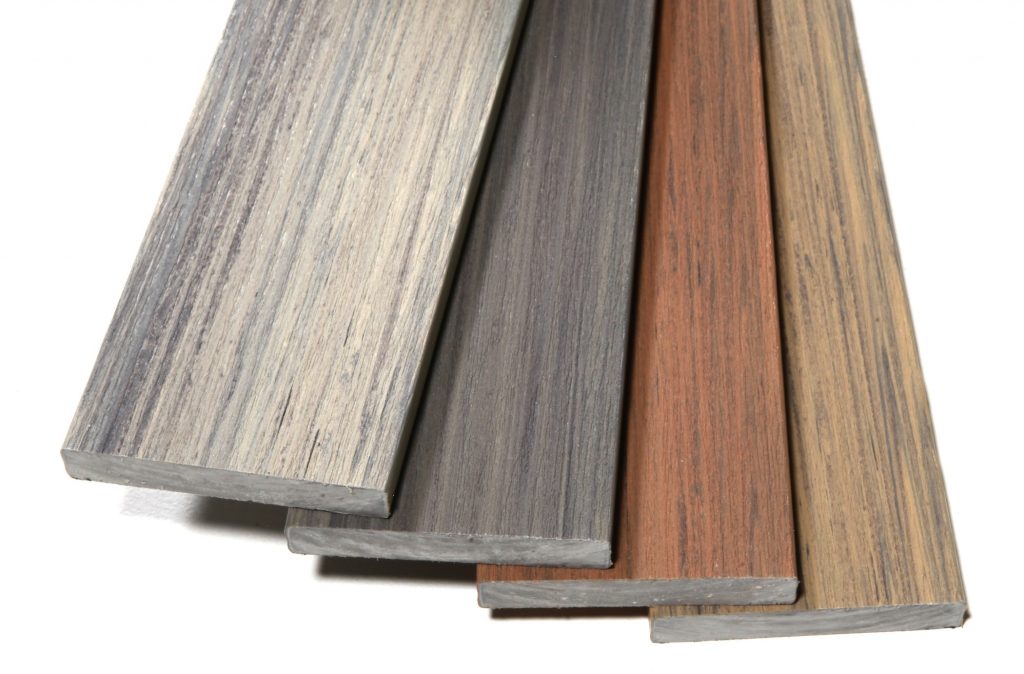
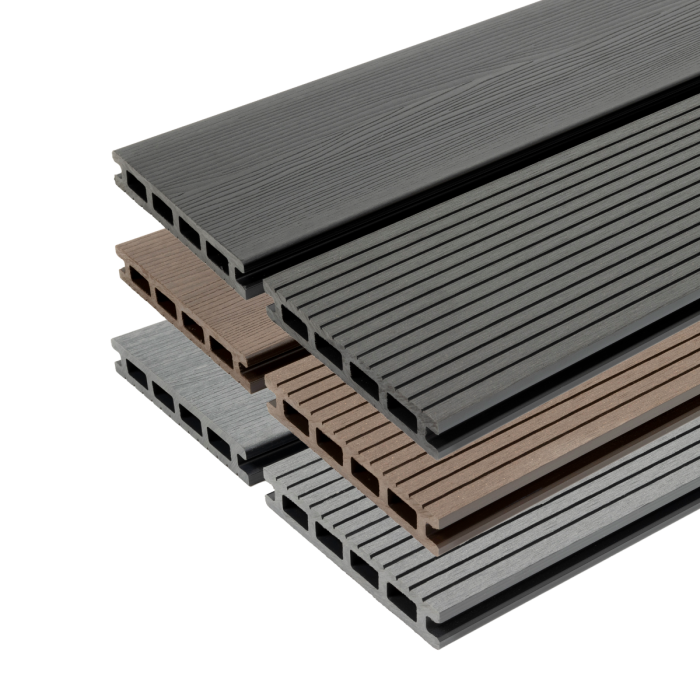
Wood-plastic composite decking is the most common type. It is made from:
- Recycled wood fibers or wood flour
- High-density polyethylene (HDPE) or polypropylene plastic
This combination creates a board that mimics the look of natural wood while improving durability.
Advantages
- More affordable than premium composites
- Natural wood-like appearance
- Resistant to rot and termites
- Easy to install
- Widely available
Disadvantages
- Can absorb moisture if not capped
- May fade over time under UV exposure
- Prone to staining if not properly maintained
- Less durable compared to premium composite types
Best use cases
- Residential backyard decks
- Budget-friendly projects
- Light to moderate traffic areas
WPC decking is often the entry-level option for homeowners who want an affordable upgrade from wood without high installation costs.
PVC Composite Decking
What it is
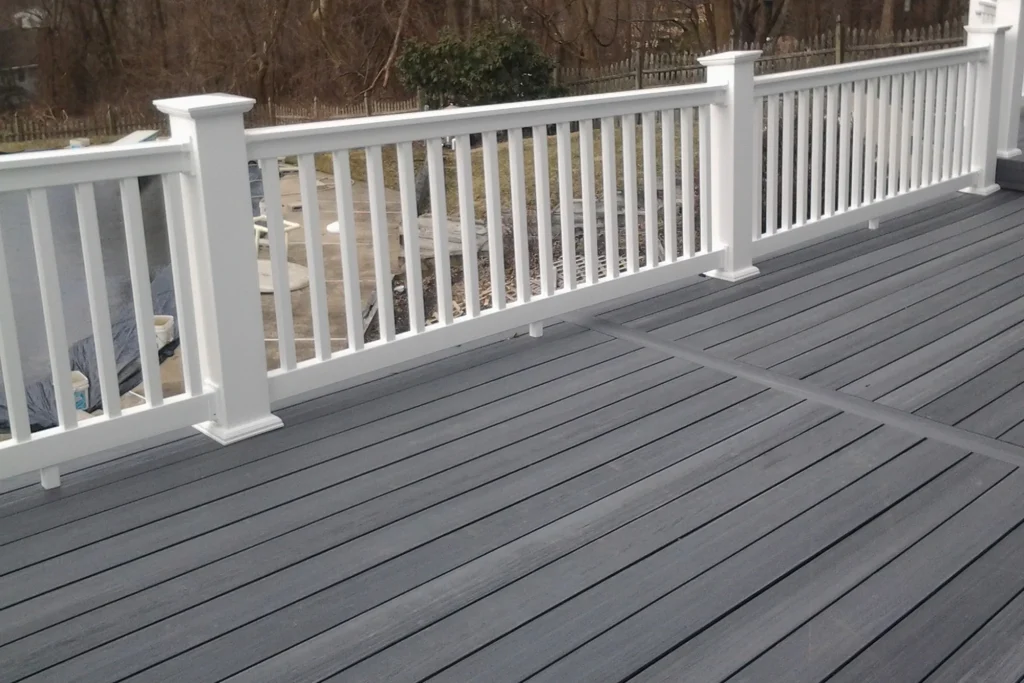
PVC composite decking is made entirely from polyvinyl chloride (PVC) with no wood content. It is engineered to provide high resistance against moisture and environmental damage.
Advantages
- 100% waterproof
- Extremely resistant to mold and mildew
- Very low maintenance
- Lightweight but strong
- Excellent color retention
Disadvantages
- Higher cost than WPC
- Less natural wood feel
- Can expand or contract in extreme temperatures
- Limited eco-friendly appeal due to full plastic content
Best use cases
- Coastal areas with high humidity
- Pool decks
- Commercial outdoor spaces
- High-moisture environments
PVC decking is ideal when moisture resistance is the top priority. It performs well in environments where traditional wood or WPC would degrade quickly.
Capped Composite Decking (Most Advanced Option)
What it is
Capped composite decking is an upgraded version of WPC or PVC boards. It features a protective outer layer (cap) that surrounds the core material.
The cap is usually made from polymer or PVC, providing extra protection.
Advantages
- High resistance to stains and scratches
- Strong UV protection (less fading)
- Better moisture resistance
- Longer lifespan
- More realistic wood texture
- Low maintenance requirements
Disadvantages
- More expensive than uncapped WPC
- Slightly heavier
- Quality varies by manufacturer
Best use cases
- High-end residential projects
- Hotels and resorts
- Public walkways
- Long-term installations requiring durability
Capped composite decking is widely considered the best overall option because it balances aesthetics, durability, and maintenance.
Solid vs Hollow Composite Decking
Another important factor to consider when choosing composite decking is the board structure. The structural design of a deck board affects its strength, durability, weight, installation method, and overall performance. Composite decking is typically available in two main forms: solid boards and hollow boards. Understanding the differences between these two types can help you select the best option for your specific project and ensure long-term satisfaction.
Solid Composite Decking
Features
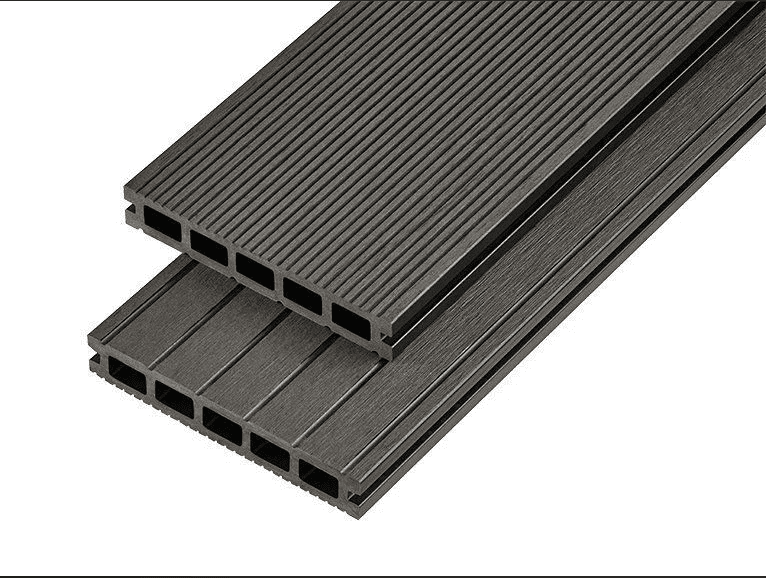
Solid composite decking boards are constructed with a fully dense core that provides substantial weight and rigidity. This type of board closely mimics the feel and stability of traditional wood planks. Solid boards are generally heavier, which gives them a more robust presence on a deck and contributes to their durability over time. Because of their density, they provide a uniform surface and a premium feel underfoot.
Solid boards are often designed with either a wood-plastic composite (WPC) core or a PVC composite core. Many high-end solid boards include a protective cap layer that resists moisture, UV damage, and surface stains. The dense composition also allows for detailed wood grain textures, offering a natural aesthetic that appeals to homeowners and designers who want the authentic look of hardwood without the maintenance issues associated with natural wood.
Advantages
- Higher Load-Bearing Capacity: Solid boards can support heavier furniture, planters, and foot traffic, making them ideal for patios, terraces, and commercial installations.
- Durability in High-Traffic Areas: The dense core resists bending, warping, or sagging under repeated use, which is especially important for decks in public spaces or areas that receive frequent use.
- Better Sound Insulation: Because the boards are solid, they produce less echo or hollow sounds when walked on, creating a more comfortable and natural acoustic experience.
- Ease of Repair and Cutting: Solid boards can be cut or drilled without compromising structural integrity, which is useful for customizing layouts, adding lighting, or replacing damaged sections.
Disadvantages
- Higher Cost: Solid boards generally require more raw material, making them more expensive than hollow alternatives. The upfront investment is higher, though many consider it worthwhile due to longevity.
- Heavier to Transport and Install: The density increases shipping costs and requires more effort during installation. Handling solid boards may require additional manpower or specialized tools, particularly for large decks.
Best For
- Commercial Decks: Restaurants, hotels, and public boardwalks benefit from solid boards due to their strength and durability.
- Heavy Furniture Areas: Spaces with large planters, dining sets, or other heavy fixtures require the additional load capacity provided by solid boards.
- Long-Term Outdoor Structures: If the goal is a low-maintenance deck that will last decades, solid boards offer superior performance and resilience.
Hollow Composite Decking
Features
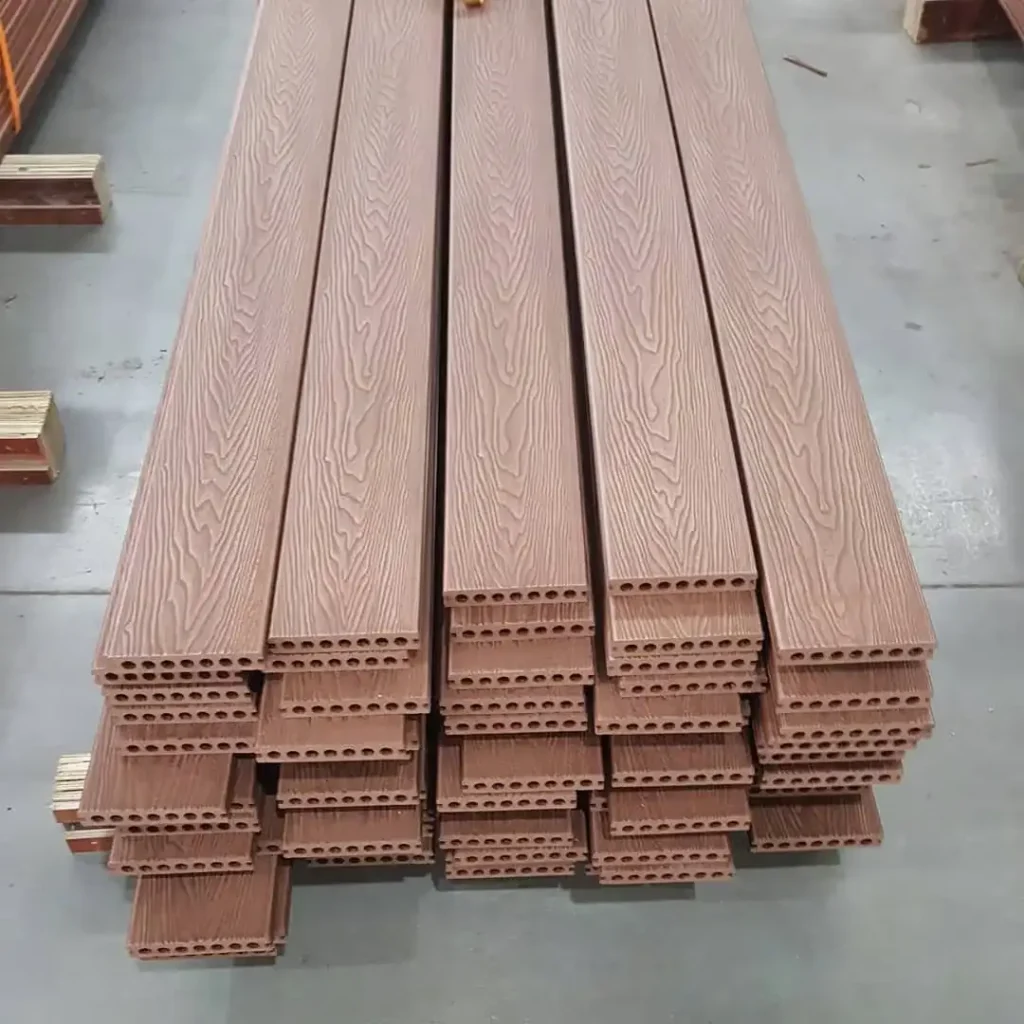
Hollow composite decking boards have a unique internal structure with hollow channels running through the length of the board. These channels reduce the amount of material needed, making the boards lighter and easier to handle. Despite being lighter, hollow boards still provide reasonable strength and often include a cap layer for enhanced surface protection.
Hollow boards are typically made from WPC or a combination of wood fibers and plastic, and many designs feature reinforced internal webs to improve rigidity. The hollow structure also allows for better thermal expansion control, which can be an advantage in areas with fluctuating temperatures.
Advantages
- Lower Cost: Hollow boards use less material, which reduces manufacturing costs. They are a cost-effective option for large decking projects.
- Easier Installation: The lighter weight makes handling, cutting, and fastening simpler. DIY homeowners often prefer hollow boards for their ease of installation.
- Reduced Material Usage: Less raw material means a smaller environmental footprint, which can appeal to eco-conscious consumers.
- Lighter Transport: Shipping and moving hollow boards is more convenient, especially for long planks or multi-level decks.
Disadvantages
- Lower Strength: Hollow boards are less capable of supporting heavy loads compared to solid boards. Overloading a hollow deck may result in bending or sagging.
- Less Suitable for Heavy Loads: High-traffic areas or decks with substantial furniture or equipment may require additional support or closer joist spacing.
- Closer Joist Spacing Required: To maintain stability, hollow boards often need joists placed more closely together, increasing the number of support structures needed and potentially raising labor costs.
Best For
- Residential DIY Projects: Homeowners looking to build small- to medium-sized decks without professional help benefit from the lighter weight and easy handling of hollow boards.
- Decorative Decking: Hollow boards are suitable for patios, garden walkways, and other spaces where aesthetics and moderate use are more important than maximum strength.
- Low-Traffic Areas: Decks that will not support heavy foot traffic or large gatherings can make excellent use of hollow composite boards.
Additional Considerations
When deciding between solid and hollow composite decking, it is important to also consider the following factors:
- Climate Impact: Solid boards perform better in areas with extreme weather changes due to their stability, whereas hollow boards may be more prone to minor warping if not properly supported.
- Long-Term Maintenance: Solid boards generally require less maintenance over the lifespan of the deck, while hollow boards may be more susceptible to dents or surface damage if heavily used.
- Design Flexibility: Hollow boards allow for creative designs such as custom lighting or hidden drainage channels, which may be limited with solid boards.
- Cost vs Longevity: While hollow boards offer a lower initial investment, solid boards often provide better long-term value through increased durability and reduced replacement needs.
Ultimately, understanding the differences between solid and hollow composite decking can help homeowners and builders select the most appropriate material for their deck’s function, aesthetic goals, and budget.
Capped vs Uncapped Composite Decking
Uncapped Composite Decking
Features
Uncapped composite decking consists of a wood-plastic mixture without any protective outer layer. The entire board is made from a blend of recycled wood fibers and plastic, which gives it a natural wood-like texture. While this type of decking can replicate the appearance of wood reasonably well, the exposed surface is more vulnerable to environmental factors.
Advantages
- Lower Cost: Uncapped composite boards generally cost less than capped alternatives, making them a budget-friendly choice for homeowners or projects with limited funds. This lower upfront cost can be attractive for DIY projects or smaller decks.
- Easier to Cut and Install: Without a hard outer shell, uncapped boards are easier to saw, drill, and fasten. This can simplify installation, particularly for intricate deck designs or custom layouts.
Disadvantages
- Prone to Staining: Because the surface is unprotected, spills, dirt, and leaves can cause discoloration. Over time, these stains may become difficult to remove, especially in areas exposed to food, drinks, or organic debris.
- More UV Fading: The exposed wood fibers in uncapped boards are more susceptible to sun damage. Prolonged UV exposure can cause the boards to fade unevenly, losing their original color and visual appeal.
- Higher Maintenance Needs: To keep uncapped composite decking looking good, periodic cleaning is necessary. Homeowners may need to scrub the surface, apply protective coatings, or remove mildew and mold in damp environments.
Best Use Cases
- Budget Projects: Homeowners seeking affordable decking solutions for patios, garden walkways, or temporary structures often choose uncapped boards.
- Light-Traffic Areas: Areas that experience minimal foot traffic or outdoor activity, such as decorative spaces, are well-suited to uncapped composite decking.
- DIY Installations: Because the boards are easier to cut and handle, uncapped composites are ideal for small-scale DIY projects where professional installation tools or expertise may not be available.
Capped Composite Decking
Features
Capped composite decking consists of a composite core (WPC or similar) surrounded by a durable polymer shell. This outer layer, often referred to as the cap, provides a hard protective coating over the wood-plastic core. The cap is typically formulated to resist UV radiation, stains, scratches, and moisture, significantly extending the lifespan of the decking.
Advantages
- Superior Durability: The protective shell shields the inner wood-plastic mixture from environmental stress, making capped boards much more resistant to cracking, splintering, and structural wear.
- Fade and Stain Resistance: The polymer cap preserves color and appearance over time, even in areas exposed to sunlight and moisture. Stains from food, drinks, or outdoor debris are less likely to penetrate the surface, making cleanup easier.
- Better Long-Term Performance: Capped decking typically lasts longer than uncapped alternatives. The combination of moisture resistance, UV stability, and scratch resistance makes it suitable for high-traffic areas and long-term installations.
Disadvantages
- Higher Upfront Cost: Because of the additional material and manufacturing complexity, capped composite decking is more expensive initially. This higher cost may be a consideration for budget-sensitive projects.
- Slightly More Difficult to Cut: The hard outer cap can make cutting and drilling slightly more challenging, requiring sharper tools or careful handling to avoid chipping the surface.
Best Use Cases
- High-Traffic Residential Decks: Capped boards are ideal for family decks, rooftop terraces, or large backyard patios where frequent use is expected.
- Commercial and Public Spaces: Hotels, restaurants, and public walkways benefit from the durability and low maintenance of capped composites.
- Moist or Sun-Exposed Areas: Areas with heavy sunlight, rain, or exposure to pools and coastal climates perform well with capped boards, which resist fading, warping, and mold growth.
Which Composite Decking Is Best?
There is no universal “best” composite decking for every project, because the right choice depends on budget, environment, usage intensity, and long-term expectations. However, different types clearly outperform others in specific categories. Below is a practical breakdown of the best options based on real-world performance needs.
Best Overall Performance
Capped composite decking
Capped composite decking is widely considered the most balanced and reliable option for most residential and commercial applications. It combines a durable composite core with a protective outer shell, which significantly improves its resistance to weather, stains, and fading.
Why it stands out:
- Balanced durability for most environments
- Strong resistance to UV exposure and weather changes
- Very low maintenance requirements
- Long service life compared to basic composite boards
This type is especially suitable for homeowners who want a “set it and forget it” solution. It performs well in both sunny and rainy climates and maintains its appearance for many years with minimal upkeep. For most users, capped composite decking represents the best long-term value rather than just the lowest initial cost.
Best for Budget Projects
Uncapped WPC decking
Uncapped wood-plastic composite (WPC) decking is the most cost-effective option and is often chosen for projects where initial investment is the primary concern. It delivers the basic benefits of composite materials while keeping manufacturing costs lower due to the absence of a protective outer layer.
Why it is suitable:
- Lower upfront cost compared to capped and PVC options
- Simple and easy installation process
- Adequate performance for light residential use
This type is ideal for homeowners working on smaller outdoor spaces, temporary decking structures, or areas that are not exposed to heavy traffic or harsh environmental conditions. While it requires more maintenance over time, it remains a practical entry-level choice for budget-conscious buyers.
Best for Wet Environments
PVC composite decking
PVC composite decking is engineered specifically for environments where moisture resistance is critical. Unlike wood-based composites, it contains no organic material, making it highly resistant to water absorption and biological growth.
Why it performs best in wet areas:
- Completely waterproof structure
- High resistance to mold, mildew, and rot
- Excellent choice for constant moisture exposure
This makes it particularly suitable for poolside decking, coastal properties, docks, and areas with frequent rainfall or humidity. It also performs well in environments where hygiene and cleanliness are important, since it does not support microbial growth as easily as wood-based alternatives.
Best for Heavy-Duty Use
Solid capped composite decking
Solid capped composite decking is designed for maximum strength and long-term structural stability. It combines a dense solid core with a protective outer shell, making it one of the most durable options available in the composite decking category.
Why it is ideal for demanding applications:
- High load-bearing capacity for heavy furniture and foot traffic
- Long-term structural stability with minimal deformation
- Suitable for commercial-grade installations
This type is commonly used in commercial environments such as hotels, restaurants, public walkways, and event spaces. It is also a strong choice for residential projects where durability is a top priority, such as large family decks or entertainment areas with frequent gatherings.
Conclusion
The best type of composite decking depends on how and where it will be used. For most homeowners and commercial users, capped composite decking offers the best overall balance of durability, appearance, and maintenance. PVC decking excels in wet and coastal environments, while WPC remains a strong budget-friendly option.
By understanding the differences between materials, structures, and performance levels, you can select a decking solution that delivers long-term value and suits your specific needs.