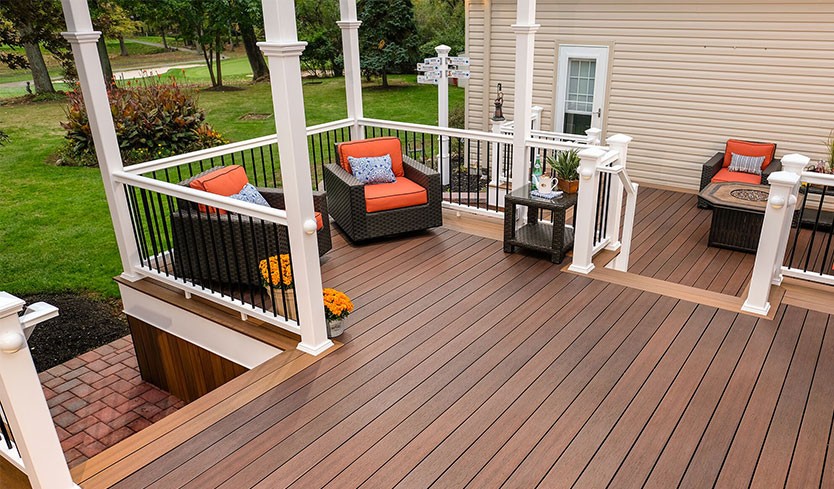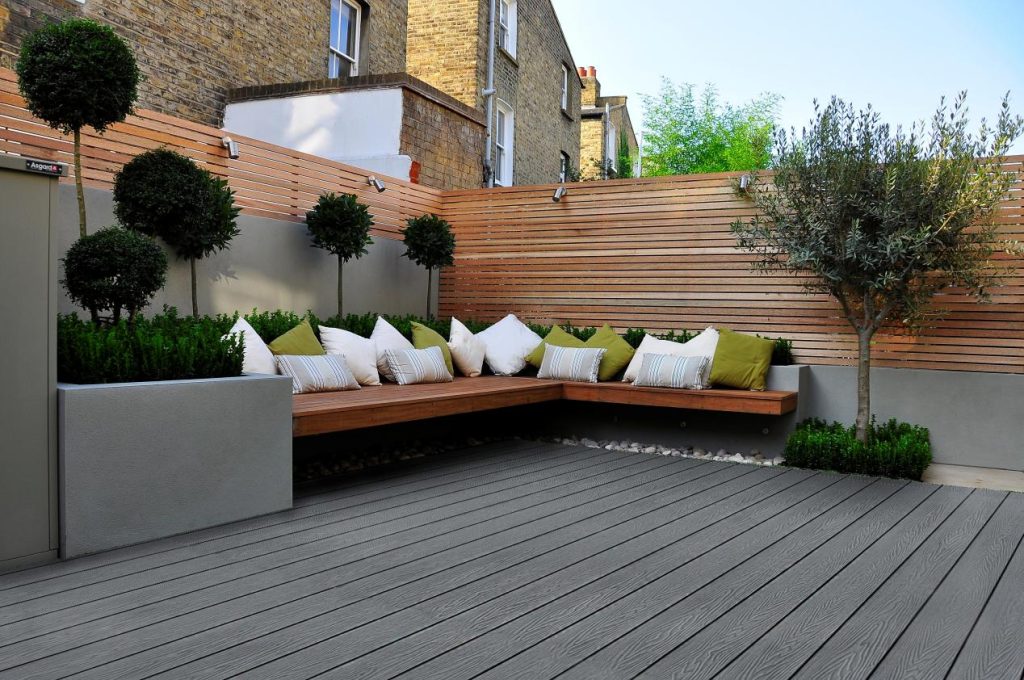
Composite decking ideas with lights are becoming one of the most popular outdoor design trends for modern homes. By combining durable decking materials with creative lighting solutions, homeowners can transform simple outdoor spaces into functional, stylish, and highly usable areas at night. Whether the goal is to improve safety, create ambiance, or enhance property value, lighting integrated with decking design plays a major role in achieving a premium outdoor living experience.
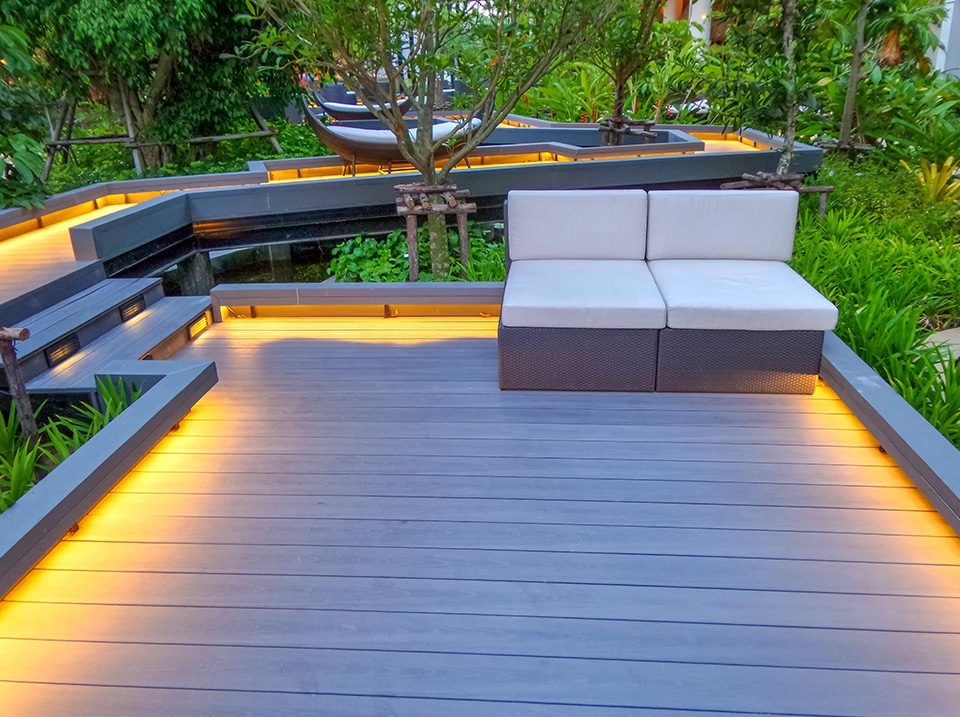
Table of Contents
Why Lighting Matters in Composite Decking Design
Lighting is no longer just an optional accessory for outdoor spaces. It has become an essential design element that affects both aesthetics and usability. When paired with composite decking, lighting enhances the texture, structure, and depth of the surface while improving visibility after sunset.
Composite materials already provide a clean, uniform appearance and low maintenance benefits. When lighting is added, the result is a more dynamic environment that feels larger, safer, and more welcoming.
Key benefits of integrating lighting into decking design include:
- Improved nighttime safety for walking and movement
- Enhanced visual appeal and modern atmosphere
- Better functionality for outdoor dining and entertainment
- Increased property value and curb appeal
- Highlighting architectural features and landscaping elements
Types of Lighting Used in Composite Decking Ideas
There are several lighting options available when planning composite decking ideas with lights. Each type serves a different purpose and contributes to the overall design in unique ways.
1. Deck Post Cap Lights
Post cap lights are installed on top of railing posts. They provide soft downward illumination and help define the perimeter of the deck. These lights are ideal for creating structure and guiding movement.
They work especially well in elevated deck designs or spaces with stairs and railings. The glow they produce is subtle but effective in improving visibility without overwhelming brightness.
2. Recessed Deck Floor Lights
Recessed lights are installed directly into the deck surface. These are among the most popular choices in modern composite decking ideas with lights because they create a seamless, integrated appearance.
They are often placed:
- Along pathways
- Around seating areas
- Near stair edges
- Around the deck perimeter
This type of lighting enhances safety while maintaining a minimalist design.
3. Stair Lighting
Stair lighting is essential for multi-level decks. Small lights installed on stair risers or sides help prevent accidents while adding a stylish visual effect.
Proper stair illumination ensures that each step is clearly visible at night, making outdoor spaces safer for guests and family members.
4. Under-Rail Lighting
Under-rail lighting is installed beneath handrails or railing systems. It produces a soft glow that highlights the edges of the deck while creating a floating effect.
This type of lighting is often used in modern and luxury outdoor designs due to its clean and elegant appearance.
5. Perimeter and Edge Lighting
Perimeter lighting outlines the shape of the deck. It is often installed along the edges or underside of the structure.
This lighting style is particularly effective for large decks, helping define boundaries and improving nighttime navigation.
6. Ambient Landscape Lighting
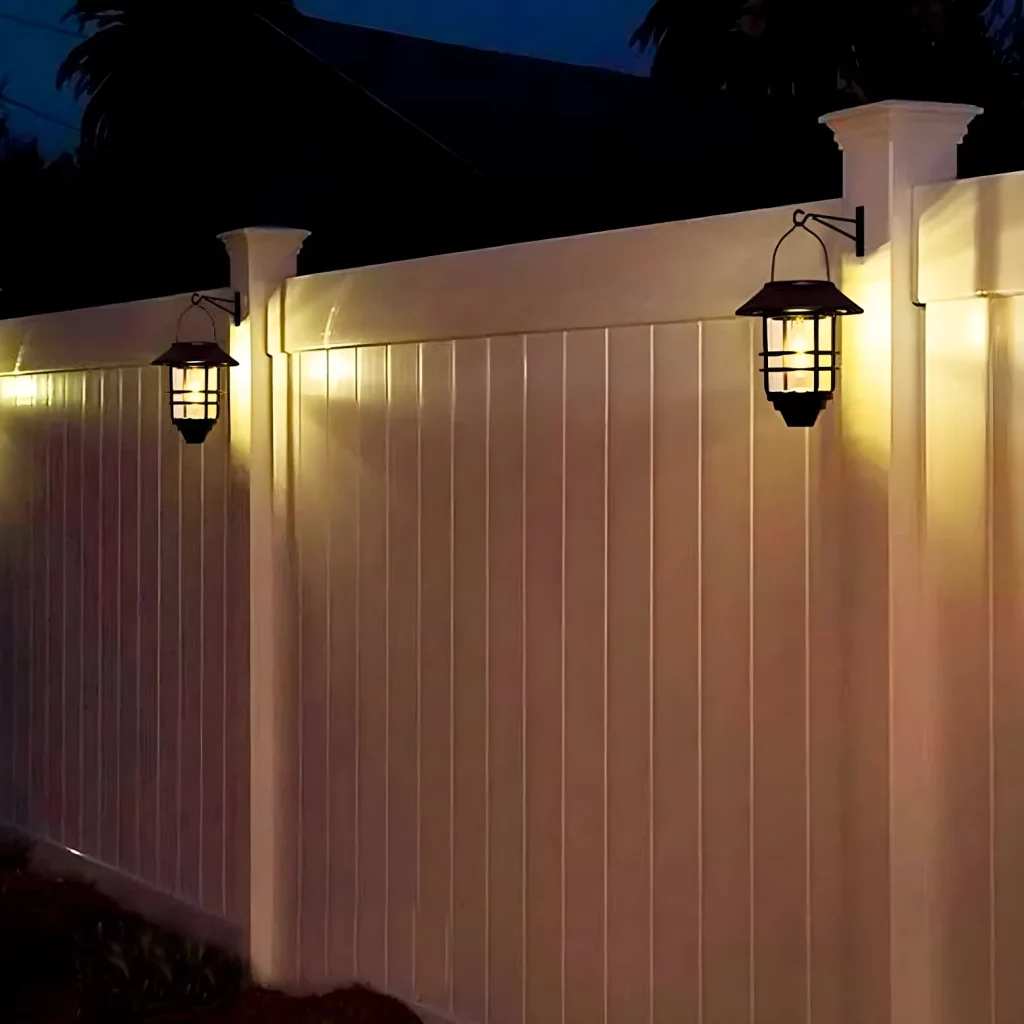
While not directly installed in the deck structure, ambient lighting from surrounding landscapes plays a supportive role. Garden lights, pathway lights, and wall-mounted fixtures complement deck lighting to create a unified outdoor environment.
Design Ideas for Composite Decking with Lights
Creating a visually appealing and functional outdoor space requires thoughtful planning. Below are several design ideas that combine composite decking with lighting for different styles and purposes.
Minimalist Modern Deck Design
A minimalist design focuses on clean lines, neutral tones, and subtle lighting. Recessed deck lights and under-rail lighting are ideal for this style.
Key features include:
- Straight deck layout
- Hidden lighting fixtures
- Neutral-colored composite boards
- Minimal furniture
This design works well for urban homes and contemporary architecture.
Multi-Level Deck with Integrated Lighting
Multi-level decks benefit greatly from lighting integration. Each level can be highlighted with stair lights and edge lighting to create separation and depth.
Lighting helps define:
- Dining areas
- Lounge zones
- Transition steps
- Elevated platforms
This design is ideal for large outdoor spaces and sloped yards.
Entertainment-Oriented Deck Design
For homeowners who enjoy hosting gatherings, lighting plays a key role in setting the mood. Warm-toned lighting combined with seating and entertainment zones creates a welcoming environment.
Important elements include:
- Built-in seating with lighting accents
- Bar or outdoor kitchen lighting
- Soft ambient glow for social areas
- Highlighted pathways for movement
This type of design enhances nighttime usability for parties and events.
Poolside Composite Deck with Lighting
Poolside decking requires both safety and style considerations. Lighting ensures visibility around wet areas while enhancing the overall atmosphere.
Common lighting placements include:
- Perimeter deck lighting around the pool
- Underwater pool lights complementing deck glow
- Stair and step lighting for access points
- Low-level ambient lighting for relaxation areas
The combination of water reflections and deck lighting creates a visually stunning effect at night.
Garden-Integrated Deck Design
When composite decking is combined with landscaped gardens, lighting helps unify the two spaces. Soft garden lights paired with deck lighting create a natural transition between built and organic environments.
Design elements include:
- Pathway lights leading to the deck
- Integrated planter box lighting
- Accent lighting for trees and shrubs
- Warm under-deck glow for cohesion
This design is ideal for backyard retreats and relaxation spaces.
Functional Benefits of Deck Lighting
Beyond aesthetics, lighting in composite decking provides practical advantages that improve everyday usability.
Safety Enhancement
One of the most important functions of lighting is preventing accidents. Poor visibility can lead to trips, slips, or falls, especially on stairs and edges. Lighting ensures that all surfaces are clearly visible at night.
Extended Usability
With proper lighting, outdoor decks can be used long after sunset. This effectively extends living space and allows for evening meals, gatherings, or relaxation.
Navigation and Orientation
Lighting helps define pathways and zones within the deck layout. This makes movement more intuitive, especially in larger or multi-level designs.
Security Improvement
Well-lit outdoor areas reduce dark spots around the home, which can deter unwanted activity and increase overall security.
Planning Composite Deck Lighting Layout
A successful lighting design requires careful planning before installation. Several factors must be considered to ensure both functionality and aesthetics.
Step 1: Identify Key Usage Areas
Start by determining how the deck will be used. Common zones include:
- Dining area
- Lounge seating
- Cooking or grilling space
- Walkways and stairs
Each zone may require different lighting intensity and placement.
Step 2: Choose Lighting Intensity
Lighting should be balanced. Too much brightness can feel harsh, while too little reduces functionality.
General guidelines:
- Soft lighting for relaxation areas
- Brighter lighting for stairs and pathways
- Accent lighting for decorative features
Step 3: Plan Electrical or Solar Options
Lighting systems may be powered in different ways:
- Wired electrical systems for consistent brightness
- Solar-powered lights for energy efficiency
- Low-voltage systems for safety and flexibility
The choice depends on budget, location, and maintenance preferences.
Step 4: Integrate Lighting with Deck Structure
Lighting should be installed in a way that complements the deck design rather than appearing as an afterthought. Hidden fixtures and integrated channels often produce the best results.
Material Compatibility and Performance
Composite decking is particularly suitable for lighting integration due to its structural consistency and durability. Unlike natural wood, it does not easily warp or crack, making it ideal for embedding lighting fixtures.
Advantages include:
- Stable surface for recessed lighting installation
- Resistance to moisture and weather changes
- Low maintenance requirements
- Long-term durability under outdoor conditions
These characteristics make it a reliable foundation for long-term lighting designs.
Energy Efficiency Considerations
Modern composite decking lighting systems often use energy-efficient solutions. LED lighting is the most common choice due to its low power consumption and long lifespan.
Benefits of energy-efficient lighting include:
- Reduced electricity costs
- Lower environmental impact
- Minimal maintenance requirements
- Longer operational lifespan
Solar-powered options are also widely used in areas with strong sunlight exposure.
Maintenance of Deck Lighting Systems
Although composite decking requires minimal maintenance, lighting systems still need occasional care to ensure optimal performance.
Maintenance tips include:
- Regular cleaning of light covers to prevent dirt buildup
- Checking wiring connections periodically
- Replacing faulty bulbs or LED modules
- Ensuring solar panels remain unobstructed
Proper maintenance ensures long-lasting performance and consistent brightness.
Common Mistakes to Avoid
When designing composite decking ideas with lights, certain mistakes can reduce effectiveness or visual appeal.
Overlighting the Space
Too many lights can make the space uncomfortable and visually overwhelming. A balanced approach is essential.
Poor Placement
Incorrect placement may create shadows or uneven illumination. Strategic positioning is key to achieving uniform lighting.
Ignoring Safety Zones
Stairs, edges, and transitions should always be prioritized in lighting design to prevent accidents.
Mixing Inconsistent Lighting Colors
Using too many color temperatures can create a disjointed appearance. A consistent warm or neutral tone is usually preferred.
Future Trends in Deck Lighting Design
Outdoor lighting design continues to evolve with technology and lifestyle changes. Future trends include:
- Smart lighting systems controlled via mobile devices
- Motion-activated deck lighting for energy efficiency
- Color-changing LED systems for customizable ambiance
- Integrated lighting built directly into composite boards
- Solar-smart hybrid systems for off-grid performance
These innovations will continue to expand the possibilities of composite decking design.
Conclusion
Composite decking ideas with lights offer a powerful way to transform outdoor spaces into functional, stylish, and safe environments. By combining durable decking materials with well-planned lighting systems, homeowners can create outdoor areas that are usable day and night.
From subtle recessed lighting to dramatic multi-level illumination, the possibilities are extensive. Careful planning, proper placement, and energy-efficient choices ensure that the final design is both beautiful and practical.
Whether the goal is relaxation, entertainment, or enhanced property value, lighting-integrated composite decking remains one of the most effective solutions for modern outdoor living. Need to more composite decking? Welcome to get more about Hosung WPC!